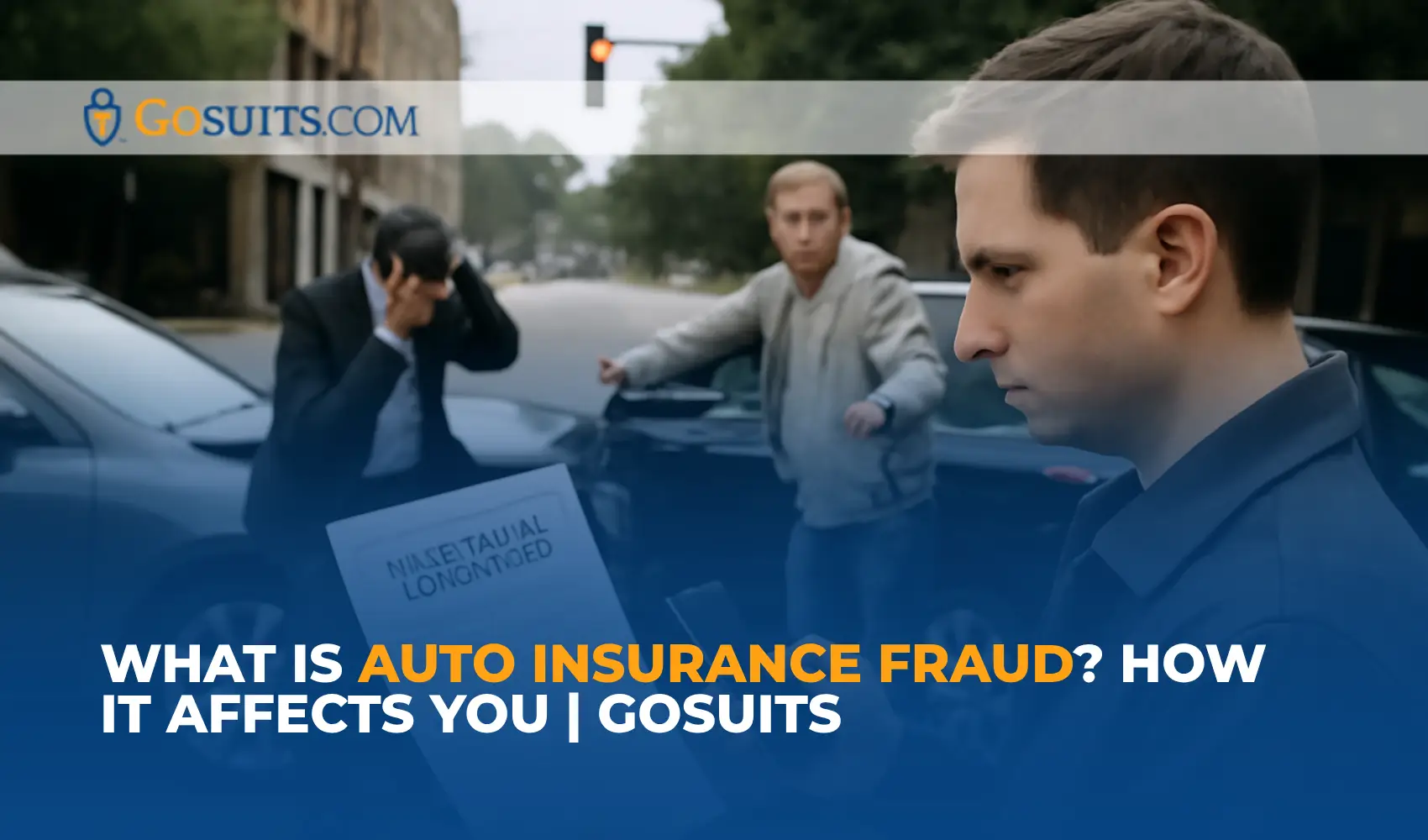
To avoid Armenian auto insurance scams in 2026, verify every policy through the official Armenian Motor Insurers’ Bureau (paa.am) database and use the E-APPA mobile application for accident reporting. Never pay cash to independent "agents" on the street and avoid "under-the-table" settlements that bypass the legal Bonus-Malus recording system.
Armenia’s Mandatory Third-Party Liability insurance system, known locally as APPA (ԱՊՊԱ), has undergone significant digital transformation since its inception in 2010. By 2026, the landscape has shifted from physical paperwork to a highly integrated electronic ecosystem. While this modernization has streamlined claims, it has also opened doors for sophisticated digital fraud and the persistence of traditional staged-accident schemes. Understanding the nuances of the Armenian insurance market is essential for residents and expatriates alike to protect their financial interests and legal standing.
The Architecture of Armenian Auto Insurance (APPA)
To recognize a scam, one must first understand how the legitimate system functions. The Central Bank of Armenia (CBA) serves as the primary regulator, while the Armenian Motor Insurers’ Bureau acts as the centralized hub for all insurance companies operating in the country.
As of 2026, the Armenian market operates under a liberalized pricing model. This means that while the Bureau sets certain standards, individual insurance companies have the autonomy to determine their own risk-based premiums. This liberalization, which began in earnest around 2023, has made the market more competitive but has also created a vacuum where "too-good-to-be-true" offers can flourish.
The Bonus-Malus System
A critical component of Armenian insurance is the Bonus-Malus system. This is an algorithmic calculation that rewards "safe" drivers with lower premiums (Bonus) and penalizes "risky" drivers with higher premiums (Malus). Because a single reported accident can significantly increase a driver's premium for several years, many scammers use the fear of a "Malus" rating to coerce drivers into illegal, off-the-books settlements.
Common Types of Auto Insurance Scams in Armenia
Scams in the Armenian context generally fall into two categories: opportunistic street-level fraud and sophisticated systemic or digital fraud.
1. Staged Accidents and "Crash for Cash"
This is the most prevalent form of physical fraud on Armenian roads. Scammers often target luxury vehicles, vehicles with foreign license plates, or drivers who appear distracted or elderly.
- The "Swoop and Squat": A lead vehicle suddenly brakes for no apparent reason, causing the victim to rear-end them. In the Armenian version, a second "accomplice" vehicle often pulls up alongside the victim to prevent them from swerving to avoid the collision.
- The "Helpful Wave": A driver waves you into traffic or out of a parking spot, then intentionally drives into you. They later deny waving you on, leaving you legally at fault for failing to yield.
- Exaggerated Damage: Following a minor "fender bender," the scammer may claim that existing mechanical issues or body damage were caused by the current incident. They may use specialized tools to worsen the damage after the accident occurs but before the insurance adjuster arrives.
2. The "Fake Agent" and Ghost Policies
Despite the shift to digital E-APPA, some individuals still pose as independent insurance brokers or agents. They may offer "discounted" policies from reputable companies like Rosgosstrakh-Armenia, Nairi Insurance, or Sil Insurance.
- How it works: The scammer collects your premium in cash or via a personal transfer. They provide a professional-looking PDF or printed document that appears to be a valid policy. However, they never register the policy with the Motor Insurers’ Bureau.
- The Consequence: You only discover the fraud when you are stopped by the police or involved in an accident. In Armenia, driving without a valid APPA policy results in heavy fines and the driver being personally liable for all damages.
3. Digital Phishing and E-APPA Fraud
By 2026, the majority of Armenian drivers use the E-APPA mobile app or web portals for policy management. This has led to a rise in digital phishing.
- Fake Portals: Scammers create websites that mirror the official Bureau or insurance company sites. Drivers entering their personal data and credit card information to "renew" their policy find their accounts drained and their cars uninsured.
- Bonus-Malus "Fixers": Scammers advertise on social media platforms like Facebook or Telegram, claiming they can "reset" or "clean" a driver's Malus score in the Bureau's central database for a fee. Because the system is centralized and regulated by the Central Bank, these claims are invariably fraudulent.
4. "Phantom" Passenger Claims
In this scenario, a legitimate but minor accident occurs. However, when the insurance claim is filed, the "victim" lists several passengers who were not actually in the vehicle at the time of the crash. These "ghost" passengers then file claims for medical expenses and pain and suffering, which can drive up the total payout and significantly damage the victim’s insurance record.
Red Flags: How to Spot a Scam in Progress
Recognizing the warning signs of insurance fraud can save you from years of legal battles and increased premiums.
- Pressure to Settle with Cash: If the other driver is extremely insistent on not calling the police or reporting the incident via E-APPA, and instead demands cash on the spot, be wary. While "settling privately" is legal for very minor damages, it is a common tactic for scammers who do not have valid insurance themselves or who are driving stolen vehicles.
- Unsolicited Witnesses: If a "witness" appears immediately and is overly enthusiastic about blaming you for the accident, they may be an accomplice to a staged event.
- Aggressive "Help": Scammers may have tow truck drivers or "friendly" repair shop owners arrive at the scene within minutes. These individuals are often part of a kickback ring designed to inflate repair costs.
- Lack of Official Identification: In Armenia, every insurance agent should be able to provide credentials that can be verified. If they refuse to provide a tax ID or their name does not appear on the official list of authorized intermediaries, do not proceed.
Verification and Comparison: Legitimate vs. Fraudulent Processes
| Feature | Legitimate APPA Process (2026) | Suspicious/Scam Indicators |
|---|---|---|
| Policy Issuance | Verified via the paa.am "Check Policy" tool immediately. | The agent says the system is "down" and will update later. |
| Payment Method | Bank transfer, official terminal (TelCell/EasyPay), or app. | Cash only or transfer to a personal "friend and family" account. |
| Accident Reporting | Via the official E-APPA app with geo-tagging and photos. | The other party insists on moving the cars before photos are taken. |
| Bonus-Malus Data | Automatically pulled from the Bureau's central server. | Someone offers to "delete" your accident history for a fee. |
| Claim Payout | Direct bank transfer to the claimant or the repair shop. | Requests to have the payout sent to a third-party "legal representative." |
Step-by-Step Guide: What to Do if You Suspect a Scam
If you are involved in a traffic incident in Armenia and suspect you are being targeted by scammers, follow these steps strictly:
- Do Not Move the Vehicles: Unless the vehicles pose an immediate danger to life, keep them in their original positions. This is crucial for the insurance adjusters and police to reconstruct the event.
- Use the E-APPA App Immediately: The official app uses GPS to verify the location and time. Take clear photos of both vehicles, the surrounding area, and the license plates.
- Check the Other Driver's Insurance: Use the Armenian Motor Insurers’ Bureau website to enter the license plate of the other vehicle. The system will tell you instantly if they have a valid APPA policy. If they do not, you must call the police.
- Avoid Verbal Agreements: Do not admit fault at the scene, even if you think you might be responsible. Let the evidence and the insurance company’s legal team make that determination.
- Identify All Parties: Take photos of the other driver’s ID card or passport and their vehicle registration (the "technical passport"). If there are passengers, count them and, if possible, photograph them to prevent "phantom" claims later.
- Contact the Bureau Hotline: The Armenian Motor Insurers' Bureau maintains a 24/7 hotline. Calling them directly provides a recorded log of your report and ensures you are following official protocols.
Legal Consequences of Insurance Fraud in Armenia
The Armenian government has significantly tightened the legal framework surrounding insurance fraud. Under the Criminal Code of the Republic of Armenia, insurance fraud is a punishable offense that can lead to:
- Hefty Fines: Fines can exceed several million Armenian Drams (AMD), depending on the scale of the fraud.
- Imprisonment: For organized groups or large-scale fraud, prison sentences are common.
- Permanent Blacklisting: Individuals convicted of insurance fraud are entered into a central database, making it nearly impossible—or prohibitively expensive—to obtain insurance in the future.
Furthermore, if you are found to have participated in an "under-the-table" settlement that involved hiding a reportable accident, you may be subject to administrative penalties for violating the terms of your APPA contract.
Recommendations for 2026
To maintain maximum security on Armenian roads, drivers should adhere to the following best practices:
- Install a Dashcam: In 2026, dashcam footage is widely accepted by Armenian insurance companies and courts. It is the single most effective tool for debunking staged accidents and "helpful wave" scams.
- Renew Only Through Official Channels: Use the dedicated apps of known insurers or the Bureau’s official portal. Avoid clicking on "renewal" links sent via SMS or WhatsApp, as these are frequently phishing attempts.
- Keep Your Contact Info Updated: Ensure the Bureau has your current phone number. Many scams rely on the victim not receiving legitimate notifications from their insurance company.
- Understand Your Bonus-Malus Score: Regularly check your score on the Bureau’s portal. If you see a sudden drop (increase in Malus) without an accident, it could be a sign of identity theft or a fraudulent claim filed against you.
Frequently Asked Questions
Is it legal to settle an accident in Armenia without involving the insurance company?
While it is technically possible for drivers to agree on compensation for very minor damages (usually under 100,000 AMD) without a formal claim, it is highly discouraged. Doing so means there is no official record of the incident, which can allow the other party to later file a "hit and run" report against you or claim you caused more damage than originally agreed upon.
How can I verify if an insurance agent is legitimate?
In Armenia, you should ask for the agent's registration number and verify it against the list of authorized intermediaries on the Central Bank of Armenia or the Motor Insurers' Bureau website. Legitimate agents will never ask for payment to be made to a personal bank account; they will provide a receipt and an official payment link.
What should I do if my insurance policy doesn't show up in the Bureau's database?
If you have paid for a policy but it does not appear on paa.am, you are likely a victim of a "ghost policy" scam. Contact your insurance company's head office immediately. If they have no record of the policy, you must report the individual who sold it to you to the Armenian Police and the Central Bank's consumer protection department.
Can tourists driving in Armenia be targeted by these scams?
Yes, tourists and those driving cars with foreign plates (e.g., Russian, Georgian, or Iranian plates) are frequently targeted because scammers assume they are unfamiliar with the local APPA laws and the E-APPA app. If you are a visitor, ensure you purchase "Border APPA" at the official kiosks at the customs points and never from unofficial vendors.
Does the Armenian Motor Insurers’ Bureau compensate victims of uninsured drivers?
Yes. The Bureau manages a "Guarantee Fund" designed to compensate victims of accidents caused by uninsured or unidentified vehicles. If you are hit by a driver who fled the scene or who does not have a valid APPA policy, you can still receive compensation through this fund, provided you have a valid police report and have followed the reporting procedures.
Practical Next Action: Download the official E-APPA mobile application today and register your vehicle profile. Having your data pre-loaded ensures that in the event of an accident or a suspected scam, you can document the evidence and notify the authorities instantly with GPS verification, significantly reducing the scammer's ability to manipulate the situation.