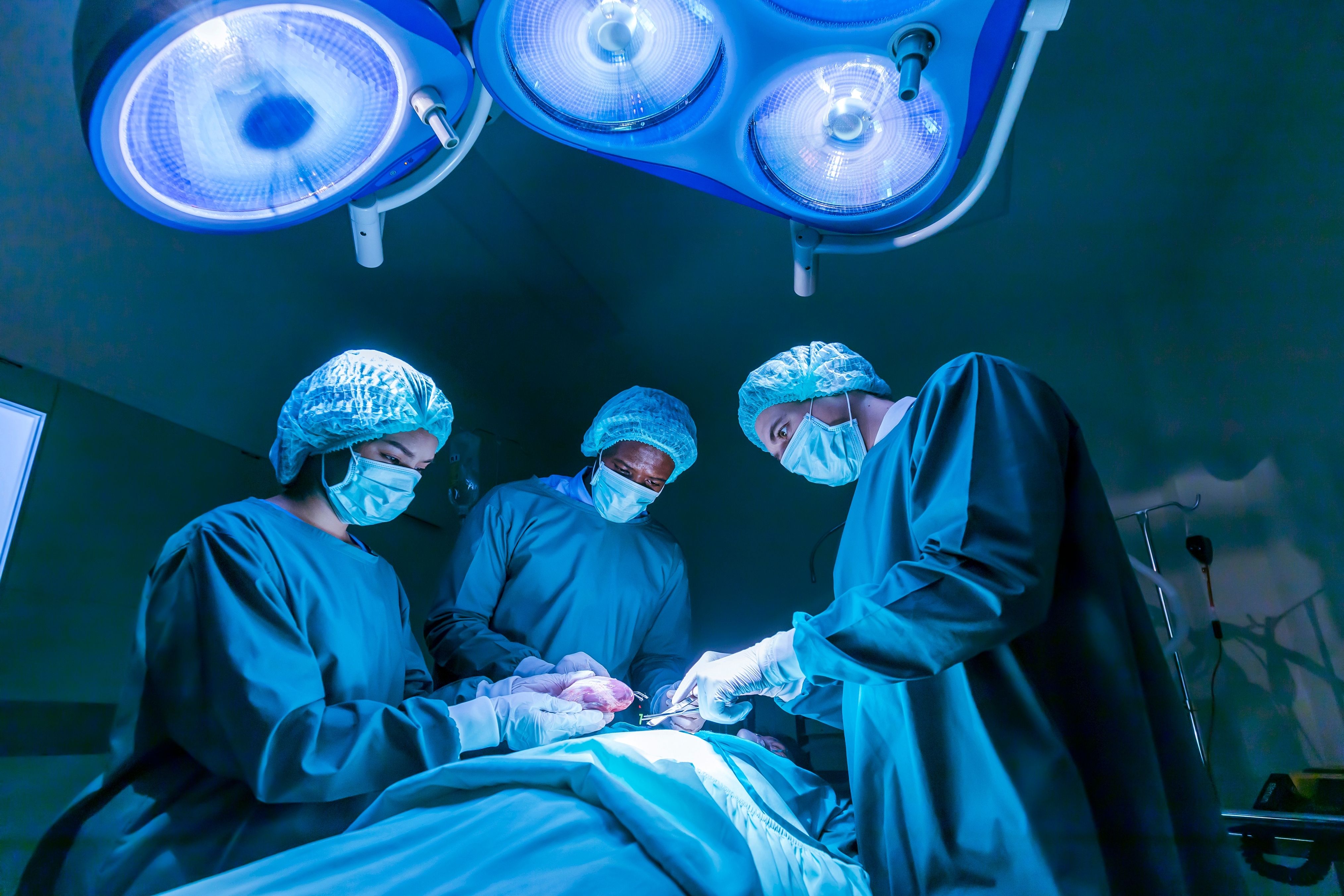
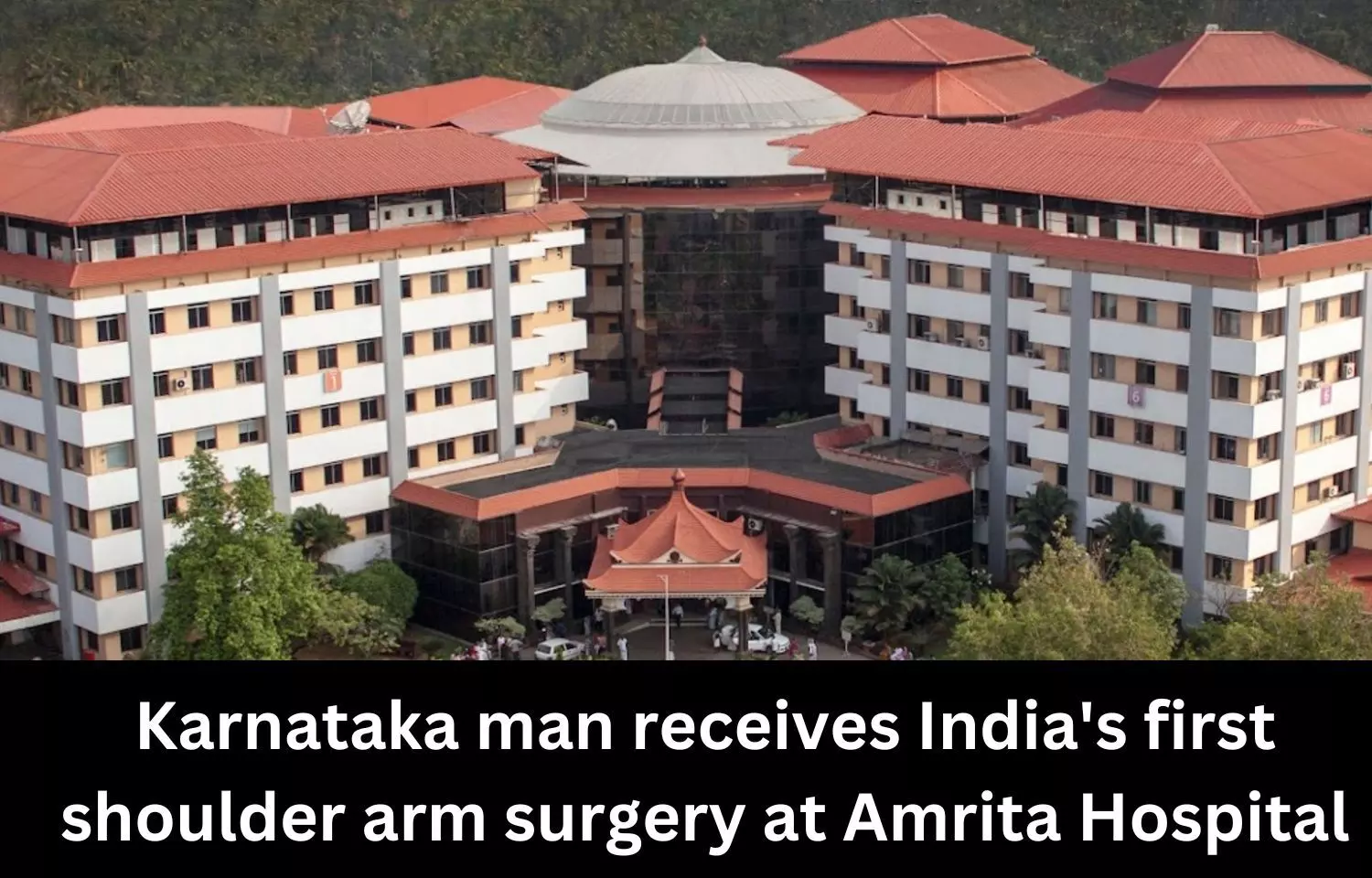
An arm transplant, clinically known as upper extremity Vascularized Composite Allotransplantation (VCA), is a surgical procedure that involves grafting a limb from a deceased donor to a recipient. As of 2026, advances in microsurgical precision and nerve regeneration have significantly improved functional outcomes, yet the procedure remains a high-risk endeavor requiring lifelong immunosuppression and intensive psychological and physical rehabilitation.
The Evolution of Upper Extremity Transplantation
The journey of arm transplantation has transitioned from experimental curiosity to a viable, though rare, clinical reality. While the first attempt at a hand transplant occurred in Ecuador in 1964, it failed due to primitive immunosuppressive strategies. It was not until 1998 in France, and 1999 in the United States, that the medical community achieved sustainable success. By 2026, the field has moved beyond merely "attaching" a limb to optimizing the "integration" of that limb into the recipient's nervous system and daily life.
Unlike solid organ transplants (such as kidney or heart), an arm transplant is a "composite" surgery. This means the surgeon must simultaneously manage multiple tissue types, including bone, muscle, tendon, nerve, artery, vein, and skin. Each of these tissues has a different level of immunogenicity—the tendency to provoke an immune response. Skin, in particular, is the most immunogenic organ in the human body, making arm transplants significantly more difficult to manage than internal organ grafts.
Clinical and Surgical Advances as of 2026
In 2026, the surgical theater for VCA has been transformed by several key technological and procedural breakthroughs. These advances aim to reduce the time the donor limb is "ischemic" (without blood flow) and to increase the precision of the delicate connections required for a functional hand.
Enhanced Ex-Vivo Perfusion
One of the most critical advances is the use of specialized ex-vivo limb perfusion systems. Historically, donor limbs were kept "on ice," which allowed for only a few hours of viability. Modern perfusion technology allows the limb to be hooked up to a machine that circulates oxygenated, nutrient-rich, and temperature-controlled fluids through the vasculature. This extends the window for surgery from 6 hours to potentially over 12 or 24 hours, allowing for better matching and longer transport distances between the donor and recipient hospitals.
Microsurgical Precision and Robotic Assistance
The reconnection of arteries and veins—some as small as 1 to 2 millimeters—is now frequently aided by high-definition 4K 3D visualization and robotic platforms. These tools stabilize the surgeon’s movements, reducing the risk of thrombosis (blood clots) at the site of the connection. Improved suture materials and biological glues have also streamlined the process of joining tendons and muscles, which is vital for the eventual mechanical strength of the arm.
Targeted Muscle Reinnervation (TMR) Integration
While originally developed for prosthetic control, Targeted Muscle Reinnervation (TMR) is now being integrated into the transplant process. Surgeons re-route severed nerves to provide more intuitive motor signals. In the context of a transplant, TMR can help "bridge" the gap between the recipient's existing nerves and the donor limb's nervous structure, potentially speeding up the time it takes for a patient to regain movement in their fingers.
The Immunological Barrier: Management and Breakthroughs
The greatest challenge in arm transplantation is not the surgery itself, but the body’s relentless desire to reject foreign tissue. Because the limb contains skin, the immune system identifies it as a major threat.
Traditional Immunosuppression
Most recipients in 2026 still rely on a "triple-drug" regimen, typically consisting of:
- Tacrolimus (calcineurin inhibitors): To prevent T-cell activation.
- Mycophenolate Mofetil: To inhibit the proliferation of B and T cells.
- Prednisone (corticosteroids): To reduce general inflammation.
While effective, these drugs carry heavy burdens, including increased risks of diabetes, kidney failure, opportunistic infections, and certain cancers.
The Quest for Operational Tolerance
The "holy grail" of VCA research is achieving "operational tolerance," where the recipient’s immune system accepts the limb without needing heavy daily medication. Researchers are currently utilizing hematopoietic stem cell transplantation (donor bone marrow) alongside the limb transplant. This process aims to create "chimerism," a state where the recipient’s immune system is essentially "re-educated" to recognize the donor tissue as "self." While not yet a standard of care for all patients, clinical trials in 2026 show promising results in reducing the dosage of toxic immunosuppressants.
Psychological and Rehabilitative Challenges
The success of an arm transplant is measured by function, not just appearance. This makes the post-operative period grueling for the patient.
Cortical Remodeling and Brain Plasticity
When a person loses a limb, the area of the brain responsible for moving that limb (the motor cortex) and feeling sensations (the somatosensory cortex) begins to "atrophy" or is taken over by neighboring areas. After a transplant, the brain must be retrained to recognize the "new" hand. This requires thousands of hours of repetitive exercises to rebuild the neural pathways—a process known as cortical remodeling.
The Identity Struggle
Psychologically, receiving an arm from a deceased donor is far more complex than receiving a kidney. The hand is a tool of communication, affection, and identity. Some patients experience "estrangement," where they view the new limb as a foreign object attached to their body rather than a part of themselves. Robust pre-operative screening and long-term psychiatric support are mandatory to ensure the patient can cope with the visual and emotional reality of the transplant.
Comparing Solutions: Arm Transplant vs. Prosthetics
Choosing between a transplant and a high-end prosthetic is a deeply personal decision. In 2026, prosthetics have become highly advanced, yet they still lack the sensory feedback and "fine motor" nuance of a biological limb.
| Feature | Arm Transplant (VCA) | Myoelectric/Bionic Prosthetic |
|---|---|---|
| Sensory Feedback | Realistic (Temperature, Pain, Touch) | Limited (Vibratory or Visual feedback) |
| Motor Control | Natural, fluid finger movement | Programmed gestures, mechanical |
| Medical Risk | High (Surgery, Immunosuppression) | Low (Non-invasive or minor surgery) |
| Maintenance | Lifelong medication & PT | Charging batteries, mechanical repairs |
| Appearance | Human tissue (matches recipient) | Synthetic/Mechanical appearance |
| Primary Limitation | Risk of chronic rejection | Lack of biological integration |
The Challenge of Chronic Rejection
Acute rejection is common and usually treatable with a temporary "pulse" of steroids. However, chronic rejection—also called Chronic Allograft Vasculopathy—remains a significant hurdle. Over years, the blood vessels within the transplanted limb may narrow or harden, slowly starving the tissue of oxygen.
Unlike a heart or kidney transplant, where rejection can be invisible until organ failure occurs, an arm transplant rejection is often visible on the skin. A rash, discoloration, or swelling is usually the first sign. This "sentinel" quality of the skin allows for early intervention, but if chronic rejection cannot be halted, the limb may eventually need to be amputated, leaving the patient in a worse position than before the transplant due to the loss of "virgin" tissue for a prosthetic fit.
Financial and Ethical Considerations
The cost of an arm transplant in 2026 remains a barrier for many. The initial surgery can cost between $200,000 and $500,000, but the long-term costs of immunosuppressive drugs and near-daily physical therapy can exceed $30,000 to $500,000 annually.
Ethically, the medical community debates the "Life vs. Limb" trade-off. Because an arm transplant is a "life-enhancing" rather than "life-saving" procedure, is it ethical to subject a patient to the life-shortening risks of immunosuppression? This debate necessitates a rigorous informed consent process where patients are educated not just on the potential gains (like tying their own shoes or feeling the warmth of a loved one's hand) but on the very real possibility of graft failure.
Future Directions: Bio-printing and Xenotransplantation
Looking past 2026, researchers are investigating ways to avoid the donor shortage and the rejection problem entirely.
- Decellularized Scaffolds: Using a donor limb but stripping it of all its cells, leaving only the "collagen skeleton," which is then "re-seeded" with the recipient's own stem cells.
- Xenotransplantation: Using genetically modified animal limbs (such as from pigs) that have been altered to be compatible with human immune systems. While these technologies are not yet ready for human arm transplants, the foundational research is progressing rapidly.
FAQ
How long does the surgery take?
A single arm transplant typically takes 8 to 12 hours, while bilateral (double) arm transplants can last 12 to 18 hours or more. Two surgical teams usually work simultaneously—one on the donor limb and one on the recipient—to minimize the time the tissue is without blood flow.
Can a recipient feel heat and pain in the new hand?
Yes, but not immediately. Nerves grow at a rate of approximately 1 millimeter per day (about an inch per month). Depending on the level of the transplant (wrist vs. shoulder), it may take 6 to 18 months for sensation to reach the fingertips. Most patients eventually regain protective sensation (feeling pain and heat), though "fine" touch varies by individual.
What happens if the body rejects the arm?
If a transplant fails due to severe chronic rejection or infection, the limb must be surgically removed (amputated). The patient then returns to using a prosthetic. Because the rejection process can damage the remaining healthy tissue and the immune system may become "sensitized," fitting a prosthetic after a failed transplant can be more difficult than it was originally.
Is an arm transplant covered by insurance?
In 2026, coverage remains inconsistent. Many insurance providers still classify VCA as "investigational" or "experimental." However, more centers are gaining "standard of care" designations for specific cases (like bilateral amputees). Most transplants in the U.S. are currently performed under research protocols or through specialized grants, such as those from the Department of Defense for wounded veterans.
Who is an ideal candidate for an arm transplant?
An ideal candidate is someone with an upper-limb amputation (especially bilateral) who is in excellent physical health, has a strong psychological support system, and has failed to achieve functional independence with high-quality prosthetics. Candidates must also have no pre-existing conditions that would make immunosuppression particularly dangerous, such as active cancer or certain chronic infections.
Practical Recommendations for Patients
For those considering an arm transplant in 2026, the first step is a consultation at a specialized VCA center. These are typically large academic medical institutions like Johns Hopkins, the Mayo Clinic, or Massachusetts General Hospital.
Steps for potential candidates:
- Exhaust Prosthetic Options: Ensure you have worked with a high-level prosthetist to try modern myoelectric limbs. Many patients find these sufficient without the risks of surgery.
- Psychological Evaluation: Be prepared for a multi-day psychological screening to assess your resilience and expectations.
- Financial Planning: Consult with a transplant financial coordinator to understand the long-term costs of medication and therapy, as these are often not fully covered by initial grants.
- Commitment to Rehab: Recognize that the surgery is only 10% of the process; the remaining 90% is the years of daily physical therapy required to make the limb functional.