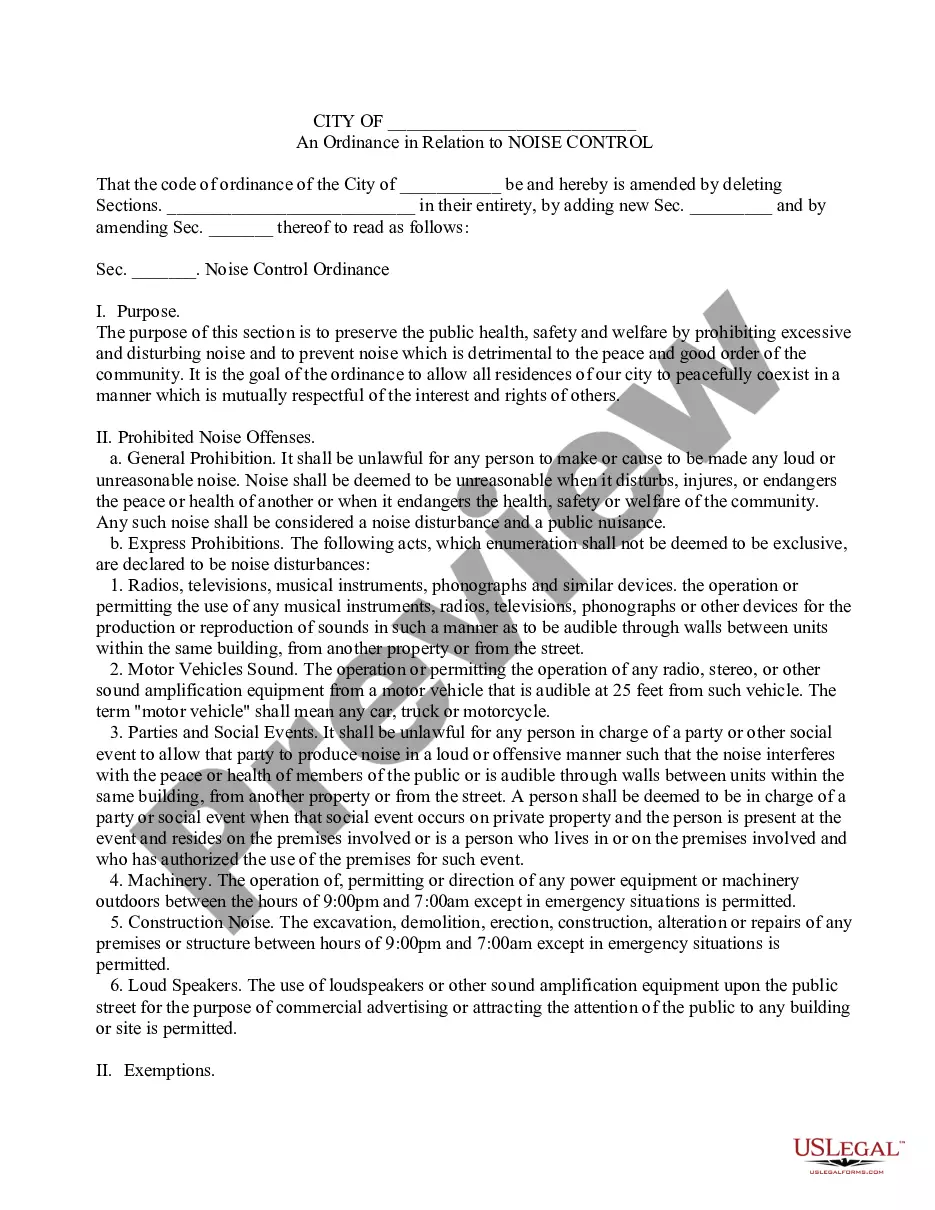
The Arlington County Noise Ordinance, found primarily in Chapter 15 of the County Code, establishes specific limits on sound levels to protect public health, safety, and welfare. It regulates noise based on time of day, zoning districts (residential, commercial, or industrial), and the nature of the noise source, such as construction or power equipment.
Arlington County remains one of the most densely populated jurisdictions in the United States. In 2026, as the county continues to balance rapid urban development with the residential quality of life, the enforcement and understanding of noise regulations are more critical than ever. Whether you are a resident dealing with a neighbor’s loud music, a contractor planning a large-scale project, or a business owner operating an outdoor patio, navigating the Arlington County Noise Ordinance requires a technical understanding of decibel limits, "plainly audible" standards, and specific time-based exemptions.
The Legal Framework: Chapter 15 of the Arlington County Code
The foundational authority for noise control in the county is Chapter 15 (Noise Control) of the Arlington County Code. This ordinance is designed to mitigate "unreasonably loud, disturbing, and unnecessary noise" that interferes with the peace and comfort of residents.
The ordinance distinguishes between two primary methods of measurement:
- The Decibel Standard: Quantitative measurements taken with a sound level meter (dBA).
- The Plainly Audible Standard: A qualitative measurement based on whether sound can be heard by the human ear at a certain distance or across a property line.
In 2026, the county relies heavily on the "plainly audible" standard for residential complaints, as it does not require a calibrated meter to establish a violation. However, for industrial and persistent commercial noise, the decibel limits remain the definitive legal threshold.
Standard Quiet Hours and Decibel Limits
Noise regulations in Arlington are primarily dictated by the "Receiving Property" type. This means the limit is determined by where the sound is being heard, not necessarily where it is being produced.
Residential Quiet Hours
Quiet hours in residential areas are strictly enforced to ensure a peaceful environment for sleep and rest.
- Nighttime: 11:00 PM to 7:00 AM on weekdays.
- Morning Extension: On weekends (Saturday and Sunday) and legal holidays, the nighttime restrictions extend until 9:00 AM.
During these hours, any sound that is plainly audible inside a neighbor’s dwelling with the doors and windows closed is generally considered a violation.
Maximum Permissible Sound Levels (Decibels)
For non-transient noise (such as HVAC systems or industrial machinery), the following table outlines the maximum permissible sound pressure levels measured at the property line:
| Receiving Property Category | Daytime (7:00 AM – 11:00 PM) | Nighttime (11:00 PM – 7:00 AM) |
|---|---|---|
| Residential | 60 dBA | 55 dBA |
| Commercial | 65 dBA | 60 dBA |
| Industrial | 70 dBA | 70 dBA |
Note: In 2026, measurements are typically taken using an A-weighted filter (dBA), which mimics the human ear's sensitivity to different frequencies.
Construction Noise Regulations
Construction is a constant presence in Arlington's evolving skyline. To balance the need for infrastructure growth with the rights of residents, the county enforces specific windows for construction activity.
Permitted Hours for Construction
Construction activity, including the delivery of materials and the warming up of engines, is restricted to the following hours:
- Monday through Friday: 7:00 AM to 9:00 PM.
- Saturdays, Sundays, and Holidays: 9:00 AM to 9:00 PM.
Heavy Equipment Restrictions
While general construction can occur until 9:00 PM, the use of heavy equipment (such as pile drivers, jackhammers, and rock crushers) is often subject to stricter oversight. If the noise from such equipment exceeds specific dBA thresholds at the property line, the county may require the contractor to implement noise mitigation strategies, such as sound blankets or temporary acoustic barriers.
Emergency Exemptions
The ordinance provides exceptions for emergency work performed by public service corporations (like Dominion Energy or Washington Gas) or government agencies when repairing broken water mains, downed power lines, or other hazards that pose an immediate threat to public safety.
Power Equipment and Landscaping Rules
In 2026, Arlington County maintains specific rules for domestic power tools and landscaping equipment. This includes lawnmowers, leaf blowers, chainsaws, and hedge trimmers.
- Operating Windows: Power equipment may only be operated between 7:00 AM and 9:00 PM on weekdays, and 9:00 AM and 9:00 PM on weekends and holidays.
- Leaf Blower Specifics: Leaf blowers are a frequent source of contention. The ordinance requires that they not exceed a specific decibel rating (typically 65 dBA) as measured by the manufacturer's specifications.
- Commercial Landscapers: Professional landscaping crews must adhere to the same hourly restrictions as residents. Operating high-decibel equipment at 6:00 AM is a common source of fines for commercial contractors.
Animal Noise: The "Barking Dog" Rule
Arlington handles animal noise under the "Plainly Audible" standard. If an animal makes noise that is plainly audible inside a neighboring structure or at a distance of 50 feet or more for more than 10 consecutive minutes or for a total of 30 minutes within a 24-hour period, it is considered a violation.
Pet owners are encouraged to address chronic barking through training or indoor containment, as repeated violations can lead to intervention by Animal Control officers.
Enforcement and Reporting Procedures
Enforcement of the noise ordinance is a collaborative effort between the Arlington County Police Department (ACPD) and the Department of Community Planning, Housing, and Development (CPHD).
Who to Call
- Active/Immediate Disturbances: For loud parties, screaming, or immediate construction violations after hours, residents should contact the Emergency Communications Center (ECC) non-emergency line.
- Chronic/Mechanical Noise: For recurring issues like a loud commercial HVAC system or a neighbor's persistent barking dog, reports should be filed through the Arlington County Code Enforcement portal.
The Enforcement Process
When a complaint is received, an officer or inspector will typically:
- Verify the Sound: Determine if the noise exceeds dBA limits or the "plainly audible" standard.
- Issue a Warning: In many residential cases, a verbal or written warning is issued first to allow for voluntary compliance.
- Civil Penalties: If the violation persists, civil penalties may be assessed. These fines typically start at $100 for the first offense and can escalate to $500 or more for subsequent violations within a 12-month period.
- Criminal Charges: While rare, willful and egregious violations of the noise ordinance can be prosecuted as a Class 3 misdemeanor.
Specific Exemptions to the Ordinance
Not all loud sounds are violations. The Arlington County Noise Ordinance grants exemptions for:
- Public Sanctioned Events: Festivals, parades, and sanctioned outdoor concerts (provided they have a valid Special Event Permit).
- School Activities: Noise from school-sanctioned athletic events or marching band practices during reasonable hours.
- Safety Signals: Fire alarms, police sirens, and backup beepers on commercial vehicles (as required by OSHA).
- Airport Operations: Noise from Ronald Reagan Washington National Airport (DCA) is governed by federal FAA regulations, not county ordinances.
Best Practices for Residents and Businesses
To avoid conflicts and potential fines, stakeholders in Arlington should adopt a proactive approach to noise management.
For Residents
- Communication: Most noise disputes are resolved more quickly through a polite conversation with a neighbor than through a formal police report.
- Soundproofing: If you live in a high-density area like Rosslyn or Ballston, consider interior acoustic treatments or white noise machines to mitigate the impact of unavoidable urban sounds.
For Business Owners
- Equipment Maintenance: Ensure HVAC units and refrigeration fans are regularly serviced. A worn bearing can cause a unit to exceed nighttime dBA limits.
- Patio Management: If your business has outdoor seating, implement a "Good Neighbor" policy that shifts patrons indoors or reduces music volume after 10:00 PM.
Frequently Asked Questions
What is the "plainly audible" standard in Arlington County?
The "plainly audible" standard means that if an officer or complainant can clearly hear and identify the source of the sound (such as the lyrics of a song or a specific conversation) from across a property line or inside a dwelling with closed doors, it constitutes a violation. This standard bypasses the need for technical decibel meters, making it the most common tool for residential enforcement.
Are there different rules for multi-family buildings like apartments and condos?
Yes. While the county ordinance applies to the exterior property lines, most apartments and condominiums have internal "Bylaws" or "House Rules" that are stricter than the county code. For example, a building may prohibit vacuuming after 9:00 PM, even though the county allows it until 11:00 PM. Internal noise complaints should usually be directed to property management or the HOA first.
Can I get a permit to make noise for a special event?
Yes. For events like block parties or outdoor weddings, you can apply for a Noise Exception Permit through the County Manager's office. You must apply well in advance, and the permit will specify exactly what decibel levels are allowed and at what time the event must end.
How does Arlington handle noise from low-flying aircraft?
Arlington County has no legal jurisdiction over aircraft noise. This is managed by the Federal Aviation Administration (FAA) and the Metropolitan Washington Airports Authority (MWAA). Residents bothered by plane noise from Reagan National Airport should file a complaint directly with the MWAA Noise Office.
Is there a limit on how loud my car's stereo can be?
Arlington follows Virginia state law regarding motor vehicle noise. Generally, sound that is plainly audible at a distance of 50 feet or more from a vehicle on a public highway or property is prohibited.
Practical Recommendation for 2026
If you are experiencing a noise issue in Arlington County, the most effective first step is to document the disturbance. Keep a log of dates, times, and the nature of the noise (e.g., "heavy thumping," "high-pitched whining"). If the noise is a mechanical issue from a nearby commercial building, recording the sound on a smartphone can help code enforcement officers identify the likely source.
For those planning construction or outdoor events, consulting the official Arlington County Code Chapter 15 is essential. Compliance not only avoids costly fines—which can exceed thousands of dollars for repeat commercial offenders—but also fosters better relationships with the community in our shared urban environment.