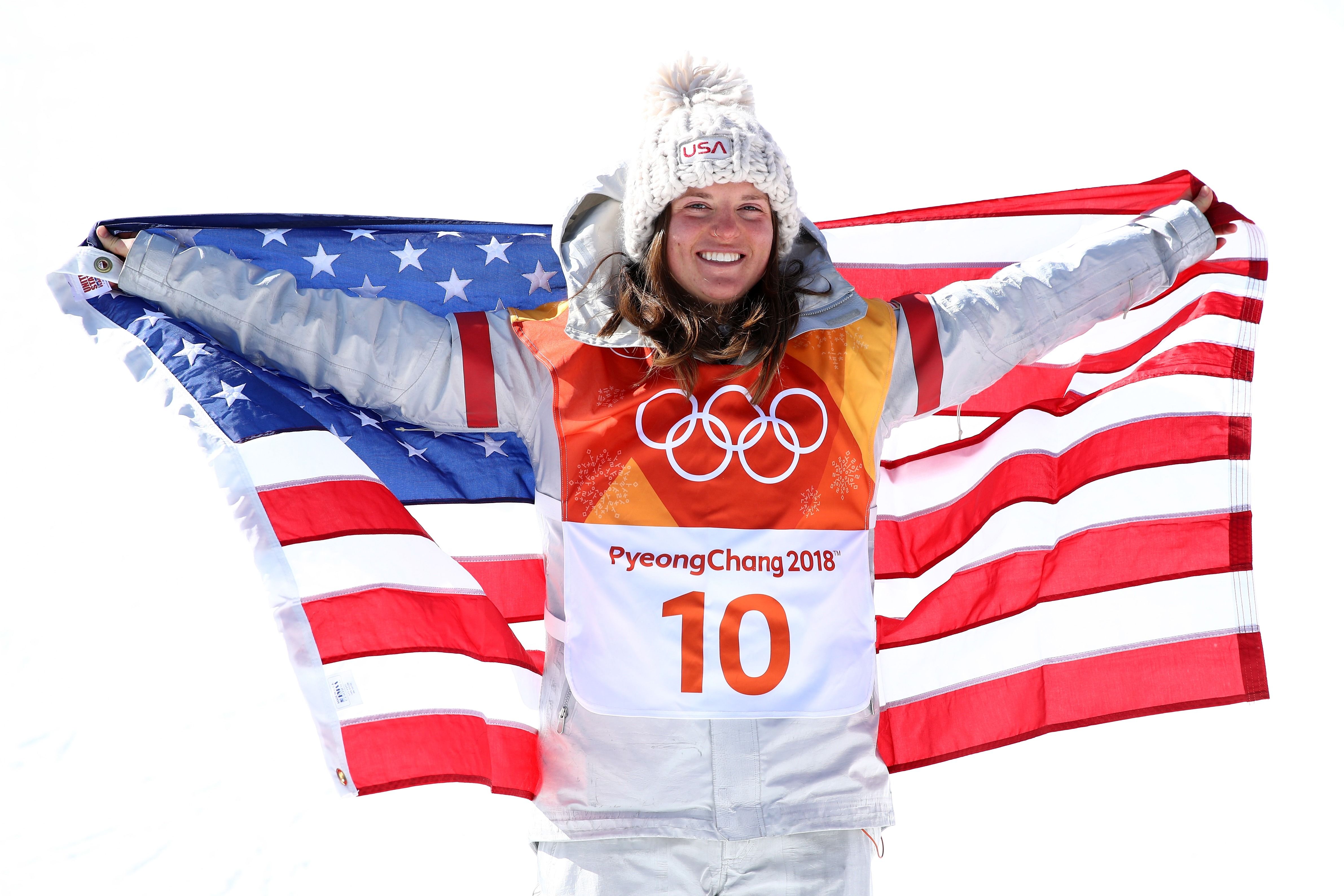
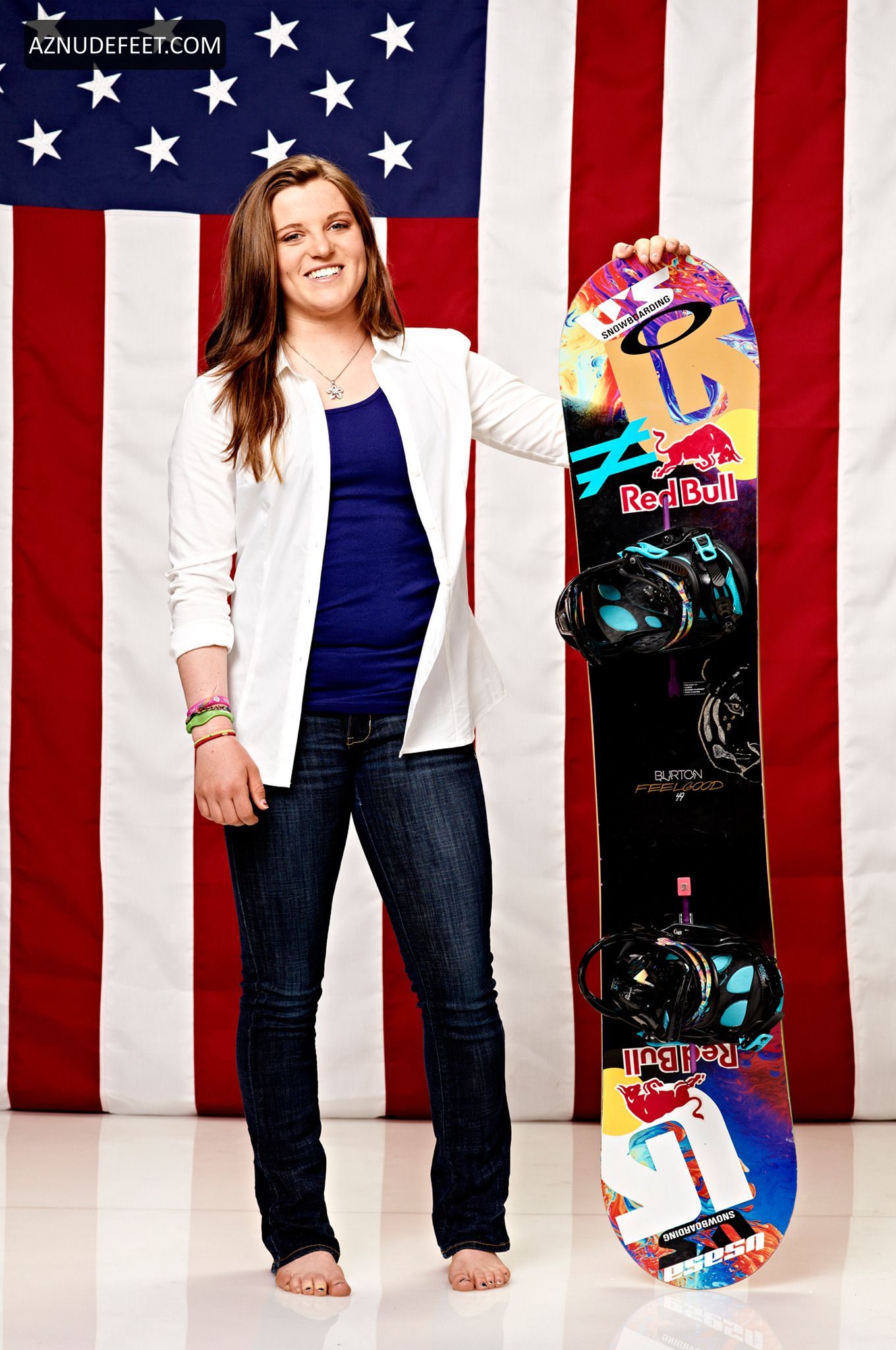
As of 2026, Arielle Gold’s estimated net worth is valued between $1 million and $3 million. This financial standing is the culmination of a decade-long career at the pinnacle of professional snowboarding, highlighted by an Olympic bronze medal, a World Championship title, and multi-year endorsement contracts with industry giants such as Burton, Red Bull, and Oakley.
Since her formal retirement from competitive snowboarding in 2022, Gold has transitioned into a focused academic and professional path, leveraging the capital earned during her athletic peak to fund her transition into veterinary medicine and community advocacy. Understanding her net worth requires a deep look into the specific economics of action sports, where brand longevity often outweighs pure prize money.
The Foundation of Arielle Gold’s Wealth: Competition Earnings
Unlike traditional team sports with guaranteed salaries, professional snowboarders like Arielle Gold generate their primary income through a combination of event prize purses and performance-based bonuses from sponsors. Gold’s career trajectory was marked by early success, which allowed her to establish a financial foundation much earlier than many of her peers.
FIS World Cup and World Championship Purses
In 2013, at the age of 16, Gold became the youngest snowboarder to win a World Championship in the halfpipe. While the direct prize money for FIS (International Ski Federation) events is often modest—typically ranging from $5,000 to $15,000 for a podium finish—the ancillary benefits are substantial. Winning a World Championship triggers significant performance bonuses in athlete-sponsor contracts, often doubling or tripling the athlete's base take-home pay for that year.
The X Games Factor
The Winter X Games represent the most prestigious and lucrative non-Olympic platform for snowboarders. Throughout her career, Arielle Gold secured multiple X Games medals, including three bronzes and two silvers. In the mid-2010s to early 2020s, a podium finish at the X Games could command prize money between $10,000 and $30,000, depending on the specific event's sponsorship backing. Over her career, these consistent top-tier finishes likely contributed several hundred thousand dollars to her gross earnings.
The 2018 PyeongChang Olympic Bonus
The defining moment of Gold's career, and a significant boost to her net worth, was her bronze medal win at the 2018 PyeongChang Winter Olympics. The United States Olympic & Paralympic Committee (USOPC) provides "Operation Gold" grants to medalists. While the flat payout for a bronze medal was approximately $15,000 at the time, the true value of an Olympic medal lies in its "marketability multiplier." Following 2018, Gold’s appearance fees and the renewal terms of her sponsorship contracts saw a marked increase, reflecting her status as a household name in winter sports.
Strategic Endorsements and Brand Partnerships
In the world of professional snowboarding, endorsements typically account for 70% to 80% of an elite athlete's total income. Arielle Gold managed a portfolio of blue-chip sponsors that provided both financial stability and equipment support throughout her tenure.
Burton Snowboards
As a long-term member of the Burton team, Gold was associated with the most dominant brand in the industry. Burton contracts for top-tier riders often include a base salary, a travel budget, and extensive bonuses for video parts, magazine covers, and competition results. Gold’s consistency in the halfpipe made her a valuable asset for the brand’s marketing efforts toward female riders.
Red Bull and Lifestyle Brands
Gold was a prominent Red Bull athlete, a partnership that carries significant prestige and financial weight. Red Bull contracts are known for being comprehensive, often providing athletes with access to high-performance training facilities and medical support, which reduces the athlete's personal overhead costs. Additionally, partnerships with brands like Oakley (eyewear) and various local Colorado-based businesses supplemented her annual income.
Equipment and Travel Subsidies
A major factor in preserving an athlete's net worth is the mitigation of expenses. Professional snowboarding involves constant global travel, high-end equipment needs, and expensive medical/physical therapy costs. Gold’s primary sponsors covered these operational expenses, allowing her to retain a higher percentage of her prize money and base salary as personal savings and investments.
Post-Retirement Financial Transition and Education
Arielle Gold officially announced her retirement from professional snowboarding in June 2022. Unlike athletes who struggle with the "retirement cliff," Gold had been strategically preparing for a life after sports by pursuing higher education at the University of Colorado Boulder.
The Investment in Veterinary Medicine
Gold’s interest in veterinary medicine has been a primary focus of her post-athletic life. By 2026, she has progressed significantly through her academic requirements. While professional schooling is a significant financial investment, Gold’s career earnings provided her the rare opportunity to pursue a doctorate in veterinary medicine without the burden of high-interest student loans that affect most medical professionals. This "educational equity" is a critical component of her long-term financial health.
Public Speaking and Media Engagements
Even after retiring from the halfpipe, Gold remains a respected voice in the sports community. She has engaged in public speaking circuits, focusing on mental health, the pressures of elite competition, and the transition out of professional sports. These engagements provide a steady auxiliary income stream, often commanding between $5,000 and $15,000 per appearance, depending on the venue and organization.
| Income Category | Estimated Contribution (Career Total) | Primary Sources |
|---|---|---|
| Competition Prize Money | $400,000 - $600,000 | FIS World Cups, X Games, US Open, Olympic Bonuses |
| Endorsement Contracts | $1.5M - $2.5M | Burton, Red Bull, Oakley, Specialized |
| Media & Appearances | $200,000 - $400,000 | Broadcast commentary, public speaking, social media |
| Investments/Assets | Variable | Real estate (Colorado), diversified portfolios |
The Impact of Local Roots and Real Estate
Arielle Gold was raised in Steamboat Springs, Colorado, a region with a high cost of living but also a high potential for real estate appreciation. Financial experts often point to athletes who invest their early-career "windfalls" into stable assets as those who maintain their net worth long after their physical peak.
By maintaining ties to the Colorado area, Gold has been able to leverage her local celebrity for regional partnerships. Furthermore, many elite winter athletes invest a portion of their earnings into local property. While specific personal property holdings are rarely public record, the appreciation of Colorado mountain real estate between 2013 and 2026 has likely served as a significant "hidden" contributor to the net worth of athletes from that region.
Comparing the Economics of Female Snowboarding
To understand Gold’s $1M–$3M net worth, it is helpful to compare it to the broader landscape of the sport. While the top 1% of male snowboarders (like Shaun White) reached net worths exceeding $60 million, the ceiling for elite female snowboarders has historically been lower due to disparities in prize money and sponsorship allocations that only began to equalize in the late 2010s.
Arielle Gold belongs to a tier of athletes—including peers like Chloe Kim (who commands higher figures due to multiple gold medals) and Kelly Clark—who successfully professionalized their careers. Gold’s financial success is a testament to her longevity; she remained a top-five world contender for nearly a decade, a feat that is incredibly difficult in a sport with a high injury rate.
Frequently Asked Questions
How much did Arielle Gold make for winning an Olympic bronze medal?
Directly, the USOPC paid approximately $15,000 for a bronze medal in 2018. However, the indirect earnings through contract "medal bonuses" from sponsors like Red Bull and Burton likely totaled between $50,000 and $100,000 in the year following the games.
Is Arielle Gold still sponsored after retiring?
By 2026, most active "pro-form" sponsorship contracts have likely transitioned to "legacy" or "ambassador" roles. While these pay less than active competition contracts, they still provide equipment and smaller stipends in exchange for occasional promotional appearances or social media content.
What is Arielle Gold's current profession in 2026?
Arielle Gold has shifted her focus toward veterinary medicine. Following her undergraduate studies at the University of Colorado, she has dedicated her time to animal sciences, utilizing her platform to advocate for animal welfare while completing her professional credentials.
Did injuries affect Arielle Gold's net worth?
Injuries are a major financial risk in snowboarding. Gold famously suffered a shoulder injury right before the 2014 Sochi Olympics, which prevented her from competing. While such events don't usually result in a loss of current money, they represent "opportunity costs"—lost prize money and lost marketing potential. Her ability to bounce back and win a medal in 2018 was crucial for her long-term financial stability.
Does Arielle Gold have any business ventures?
While she hasn't launched a major consumer brand like some of her contemporaries, Gold has been involved in several community-based initiatives and has worked closely with non-profits. Her financial strategy appears to focus more on capital preservation and professional education rather than high-risk entrepreneurial ventures.
Final Recommendation: Lessons from Arielle Gold’s Career
For those looking to understand the financial reality of professional athletes, Arielle Gold serves as a model for "smart retirement." Her net worth of $1M–$3M was not built on a single massive paycheck, but on a decade of consistent performance and the strategic use of sponsorship funds to pay for a second career.
If you are an aspiring athlete or a fan of the sport, the key takeaway from Gold's financial journey is the importance of diversification and education. By prioritizing her degree while still at the top of her game, she ensured that her net worth would not dwindle after the cameras stopped rolling. For fans, supporting athletes through their transition years—by following their new professional paths or attending their speaking engagements—is the best way to help maintain the financial ecosystem of non-team sports.