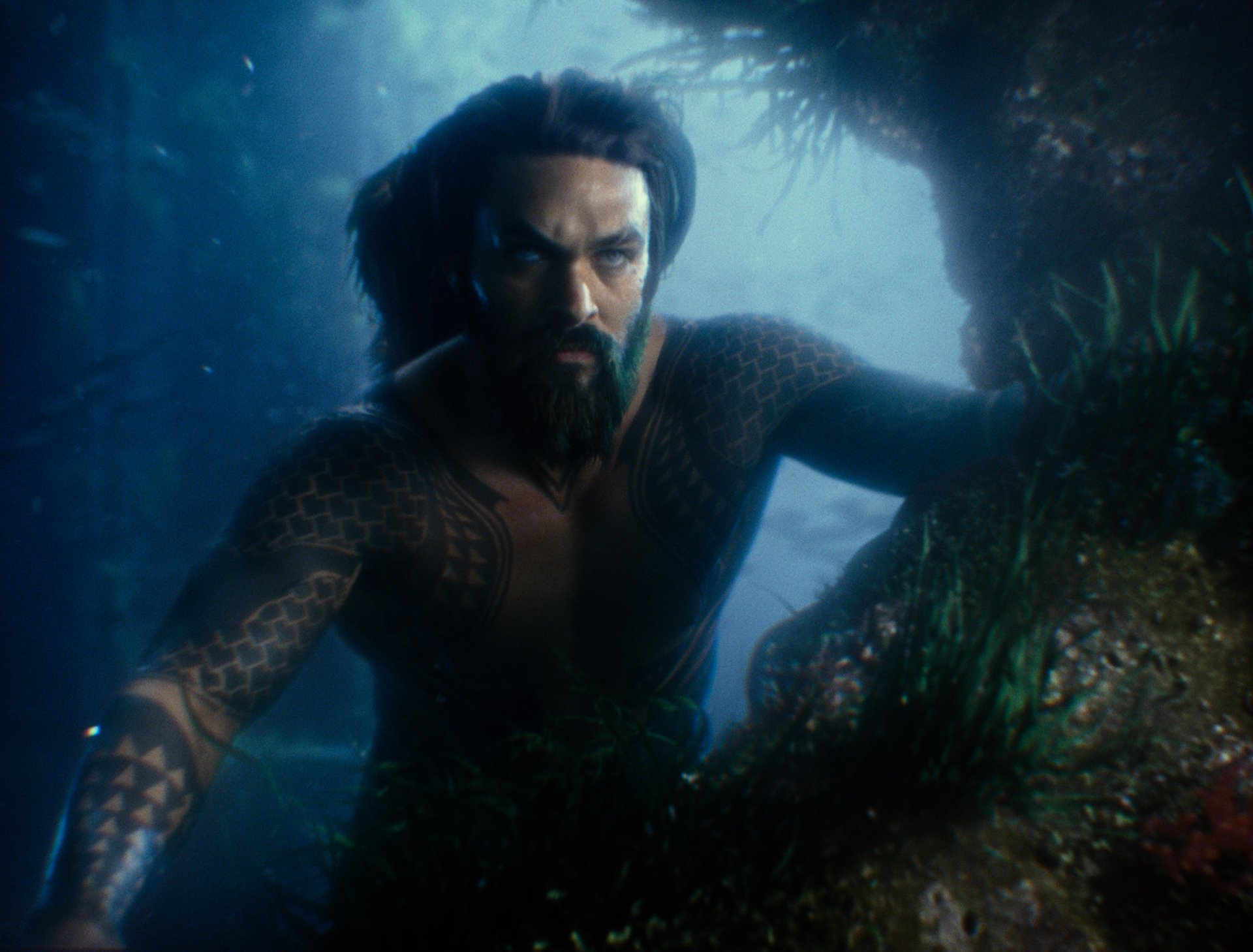
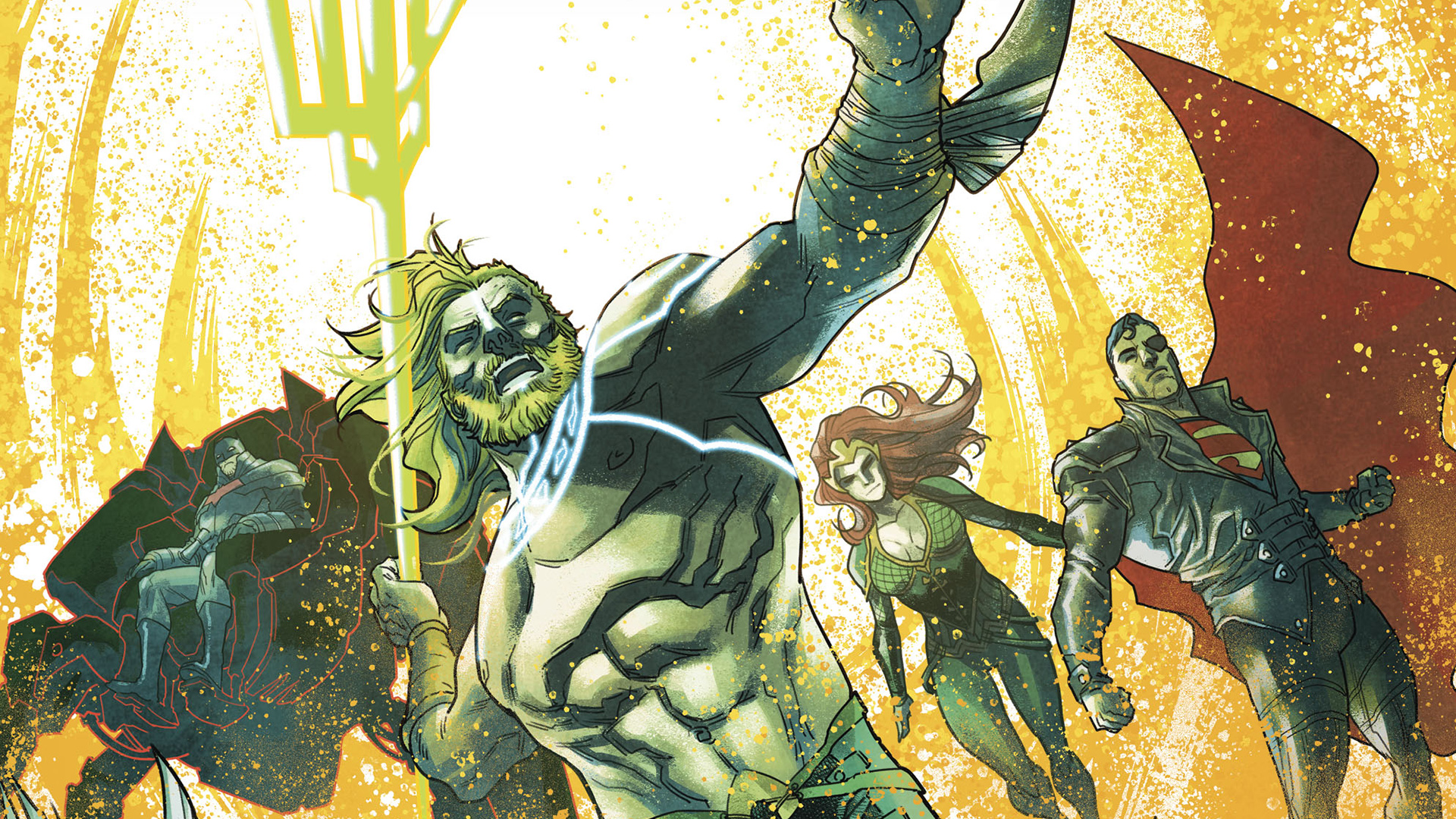
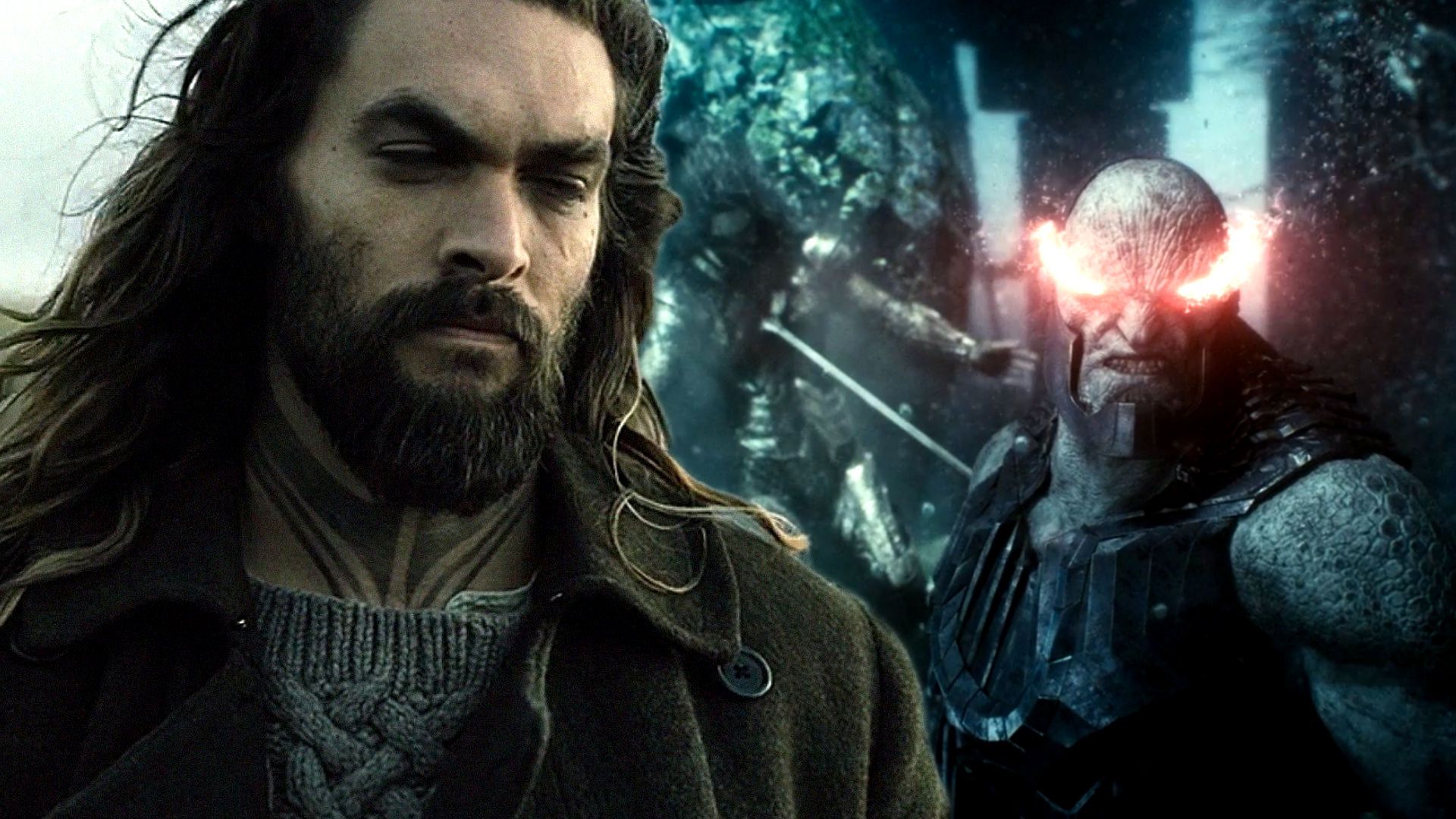
When audiences discuss whether Aquaman follows Justice League, they are primarily seeking clarity on the narrative and release order within the DC Extended Universe (DCEU). To clarify the sequence: the 2018 Aquaman film serves as a direct narrative sequel to the events depicted in the 2017 ensemble film Justice League. While Arthur Curry’s character arc begins earlier in the franchise, his standalone adventure is the first major feature-length installment to explore the aftermath of the team’s confrontation with Steppenwolf, establishing the political and personal stakes for the King of Atlantis.
The Narrative Connection Between Justice League and Aquaman
To understand the relationship between these two films, one must look at the character trajectory of Arthur Curry, played by Jason Momoa. In Justice League, Arthur is introduced as a reluctant hero living on the fringes of human society. He is wary of the surface world and initially dismisses Bruce Wayne’s recruitment efforts. His participation in the battle against Steppenwolf is a turning point, as it forces him to engage with the reality that threats to the world—both surface and underwater—require collective action.
Aquaman picks up shortly after these events. By the time the standalone film begins, Arthur has already gained notoriety for his role in the Justice League conflict. This is evidenced by his reputation as a "fish boy" or local hero to the surface dwellers who witnessed his exploits. However, the film avoids becoming a direct "Part II" of the ensemble movie. Instead, it transitions from a global conflict to a more focused, character-driven journey regarding Arthur's birthright, his relationship with his mother, Queen Atlanna, and the looming civil war in Atlantis orchestrated by his half-brother, King Orm.
Establishing the DCEU Timeline
The DCEU operates on a timeline that often confuses viewers due to staggered production schedules and non-linear storytelling. Establishing the sequence is essential for those looking to experience the growth of the Justice League members in their proper context.
The following table summarizes the sequence of films featuring Aquaman and the Justice League, providing the release years and their relative narrative placement.
| Film Title | Release Year | Narrative Status |
|---|---|---|
| Batman v Superman: Dawn of Justice | 2016 | Appearance/Cameo (Found Footage) |
| Justice League | 2017 | Ensemble Formation |
| Aquaman | 2018 | Direct Narrative Sequel |
| Zack Snyder's Justice League | 2021 | Director's Cut / Alternate Version |
| Aquaman and the Lost Kingdom | 2023 | Final Installment |
It is important to note that Zack Snyder's Justice League (2021) offers an expanded version of the 2017 events. While it provides more context for Arthur Curry’s background in Atlantis, the 2018 Aquaman film was crafted to fit within the broader continuity established by the primary theatrical release.
Why Arthur Curry’s Journey is Central to the DCEU
The progression from Justice League to Aquaman represents a shift from "team-based" dynamics to "mythological" expansion. In the Justice League film, Arthur is a supporting character whose primary role is to serve as the muscle and the reluctant warrior. He lacks a connection to his throne and is fundamentally unaligned with the politics of his people.
By moving into his standalone feature, the audience moves from the perspective of an outsider to that of a royal successor. The film effectively addresses the consequences of his decision in Justice League: by saving the world, he proved himself a hero, but he remains an illegitimate king in the eyes of many Atlanteans. The Aquaman film serves as an origin story for his leadership rather than his powers, resolving the tension created when he finally accepts that he cannot remain a wanderer if he wishes to protect both the ocean and the land.
Prerequisites for Understanding the Sequel
For viewers aiming to understand the full scope of Arthur Curry’s development, watching Justice League (2017) or Zack Snyder's Justice League (2021) beforehand is highly recommended. While Aquaman functions as a standalone movie with its own self-contained plot, skipping the Justice League films removes critical context regarding Arthur's:
- Motivation: His initial cynicism toward both Atlantis and the surface.
- Relationships: His interactions with Batman and Wonder Woman, which establish his shift from loner to team player.
- World Status: His public emergence as a hero who is no longer a myth but a documented entity in a world that now knows about metahumans.
Addressing the Snyder Cut and Continuity
A common point of confusion for modern viewers involves the existence of two versions of Justice League. The 2017 theatrical version and the 2021 director's cut both establish the same baseline: Arthur Curry helps defeat Steppenwolf and returns to the sea. The 2018 Aquaman film was produced to follow the Justice League storyline, ensuring that major plot points—such as the status of the Mother Boxes or the death of enemies—do not contradict the logic of the underwater kingdom’s later conflicts.
Whether you choose to watch the 2017 or 2021 version of Justice League, the transition to Aquaman remains logically sound. The character of Arthur Curry in the 2018 film behaves consistently with the development seen in both versions of the team-up.
Frequently Asked Questions
Does Aquaman take place before Justice League? No. Aquaman (2018) takes place after the events of Justice League. The film explicitly references Arthur’s involvement in the battle against Steppenwolf, and his public persona as a superhero is a direct result of that victory.
Do I need to watch other movies to understand Aquaman? While not strictly required for the plot, watching Justice League provides the necessary character foundation. You do not need to watch Batman v Superman to understand the plot of Aquaman, as his role there was limited to brief, non-speaking video files.
Is there a direct sequel to Aquaman? Yes. Aquaman and the Lost Kingdom, released in 2023, serves as the direct sequel to the 2018 film. It continues the story of Arthur Curry as he balances his duties as the King of Atlantis and his responsibilities as a father and Justice League member.
Why does Arthur act differently in Justice League compared to his standalone movie? In Justice League, Arthur is written as a guarded, cynical loner who avoids his royal destiny. By the time his solo film begins, he has undergone the "hero’s journey" required to accept his role as a protector, which naturally shifts his personality toward a more responsible, though still rugged, leader.
Are there major continuity errors between the two? Generally, no. While the tone shifts from the dark, high-stakes ensemble feel of Justice League to the fantasy-adventure style of Aquaman, the character beats remain consistent. The creative teams behind both films coordinated to ensure Arthur’s transition from the team to his home kingdom felt earned.
Recommendation for Viewers
If you are planning to watch the DCEU films, the most satisfying viewing order for the Aquaman-centric arc is to watch Justice League first, followed immediately by Aquaman. This provides a seamless transition from the hero discovering his potential within a team to realizing his duty to his heritage. Once you finish Aquaman, conclude the trilogy with Aquaman and the Lost Kingdom. By following this release order, you will maintain the intended character development and avoid the confusion that often arises from trying to piece together a non-linear narrative.