APA citation stands for the American Psychological Association style, a standardized system for formatting academic papers and documenting sources. Used primarily in the social and behavioral sciences, it employs an author-date system for in-text citations and a comprehensive reference list to ensure clarity, academic integrity, and consistent communication of research findings.
In the academic landscape of 2026, the APA style remains the most widely adopted format for researchers, students, and professionals in fields ranging from psychology and sociology to nursing, business, and education. Understanding the intricacies of this system is not merely a matter of following arbitrary rules; it is about participating in a global conversation of scholarship where credit is given where it is due and information is organized for maximum accessibility.
The Identity and Mission of the American Psychological Association
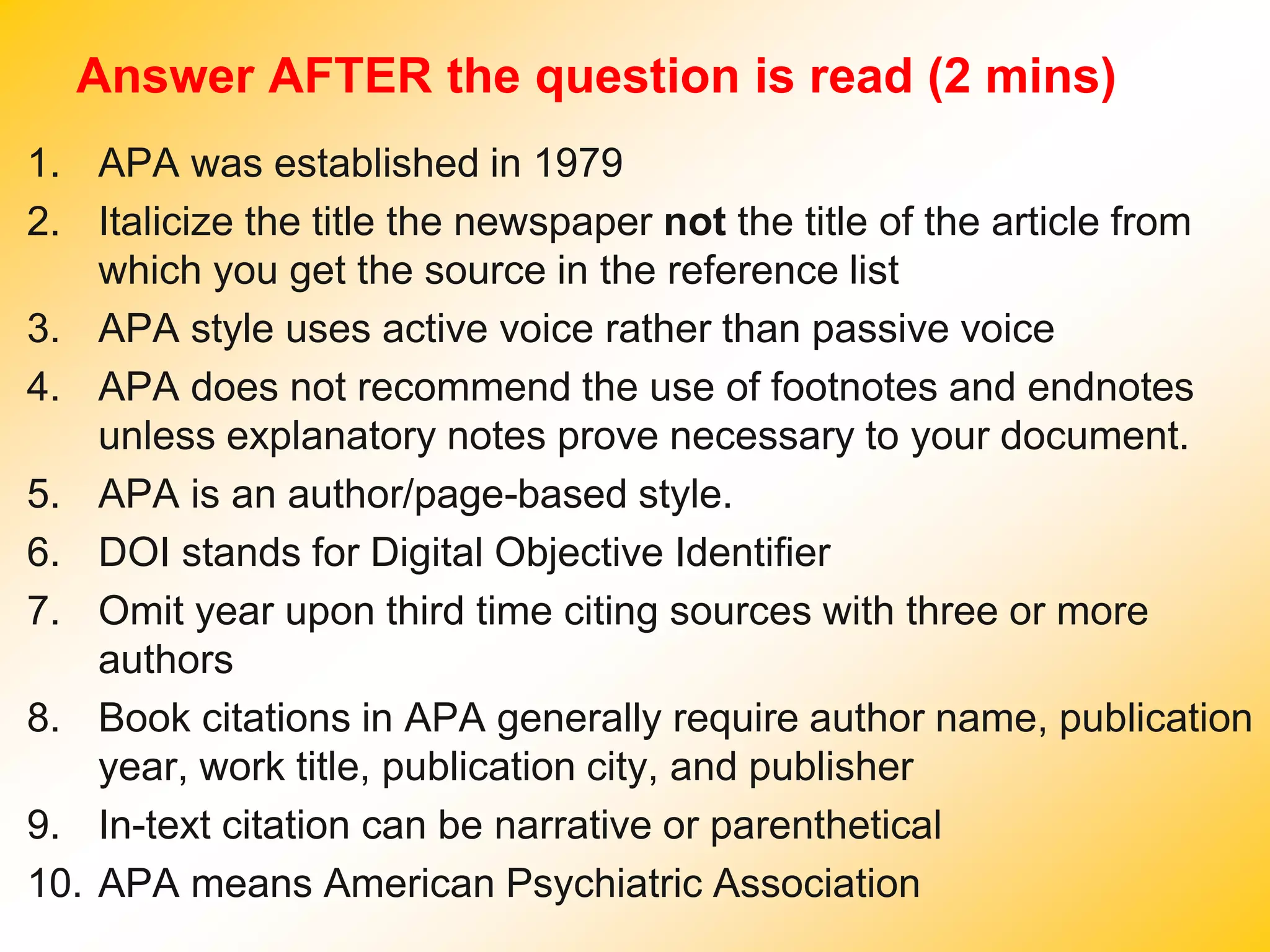
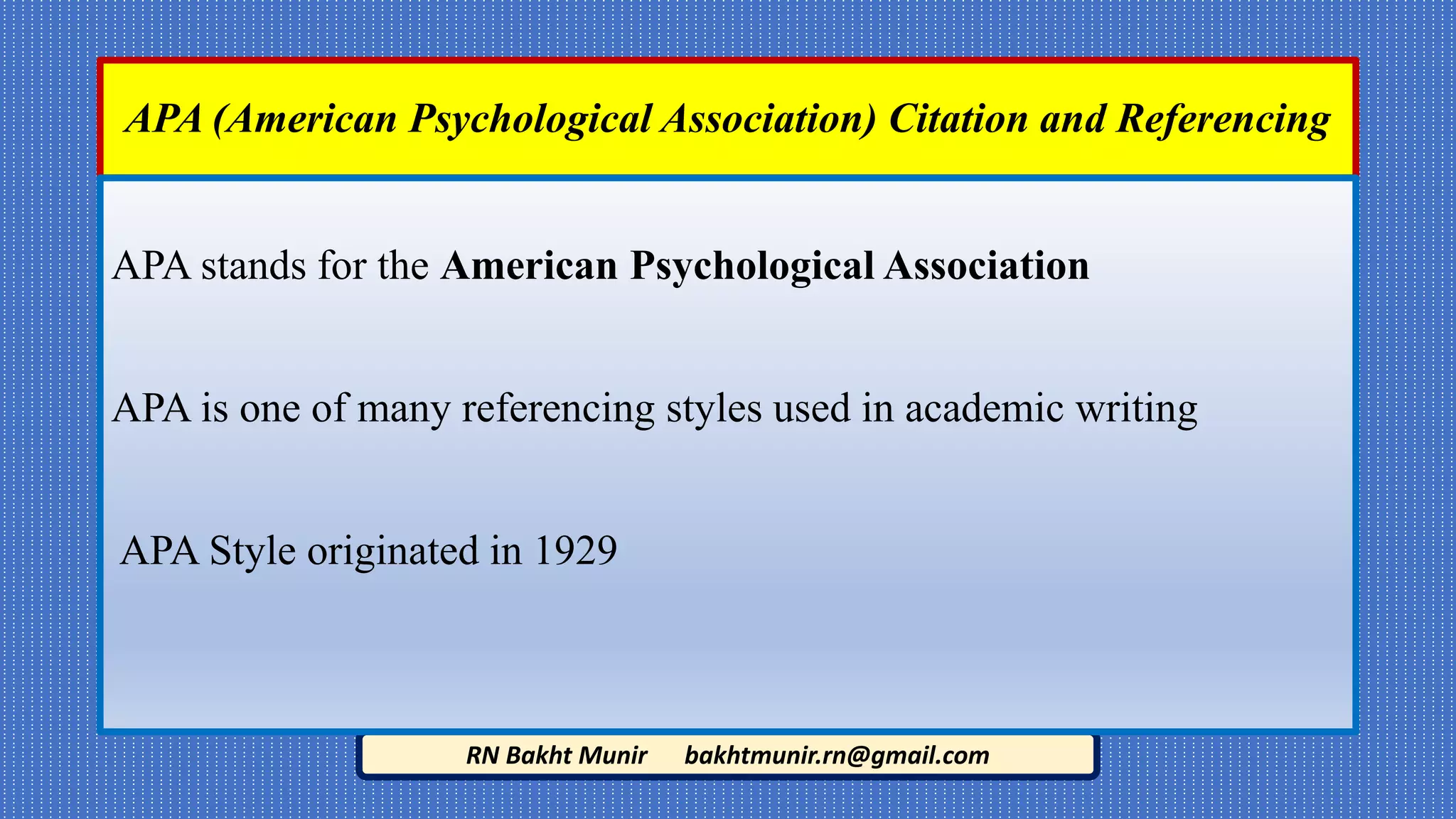
To understand the citation style, one must first understand the organization behind it. The American Psychological Association (APA), founded in 1892 at Clark University, is the leading scientific and professional organization representing psychology in the United States. With tens of thousands of members, the APA’s mission is to promote the advancement, communication, and application of psychological science and knowledge to benefit society and improve lives.
The citation style itself was born out of a need for consistency. In 1929, a group of psychologists, anthropologists, and business managers met to establish a simple set of procedures—or style rules—that would codify the many components of scientific writing to increase the ease of reading comprehension. This meeting resulted in a seven-page article published in the Psychological Bulletin, which laid the groundwork for what we now know as the Publication Manual of the American Psychological Association.
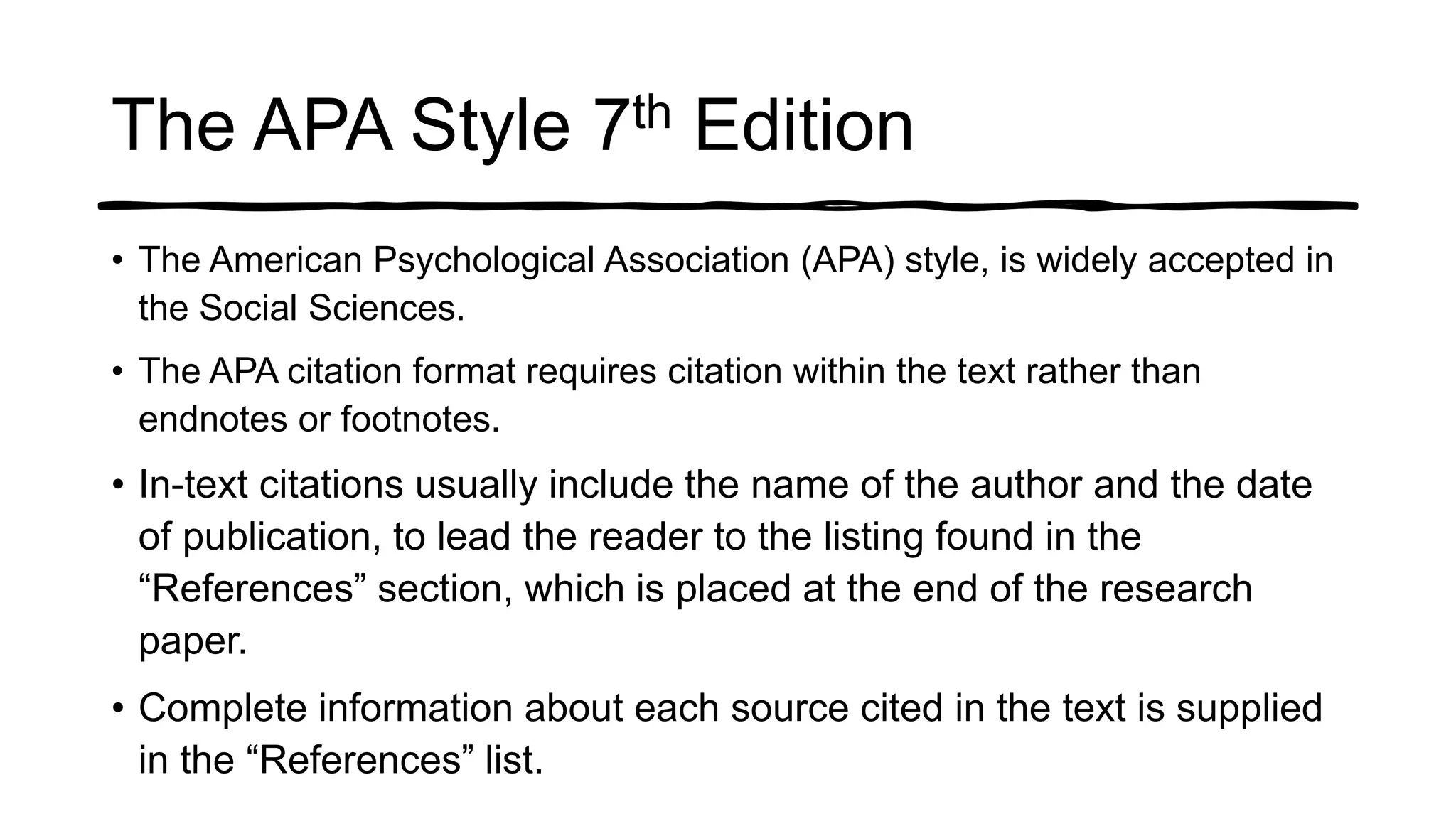
As of 2026, the current standard is the 7th edition of the manual, which was originally released in late 2019. This version represented a significant shift toward inclusivity, accessibility, and the integration of digital-first sourcing, reflecting the modern realities of information consumption and production.
Why Standardized Citation Matters in Research
The primary purpose of the APA style is to provide a uniform framework for researchers to communicate their ideas. This uniformity serves several critical functions in the scientific community:
Avoiding Plagiarism and Ensuring Academic Integrity
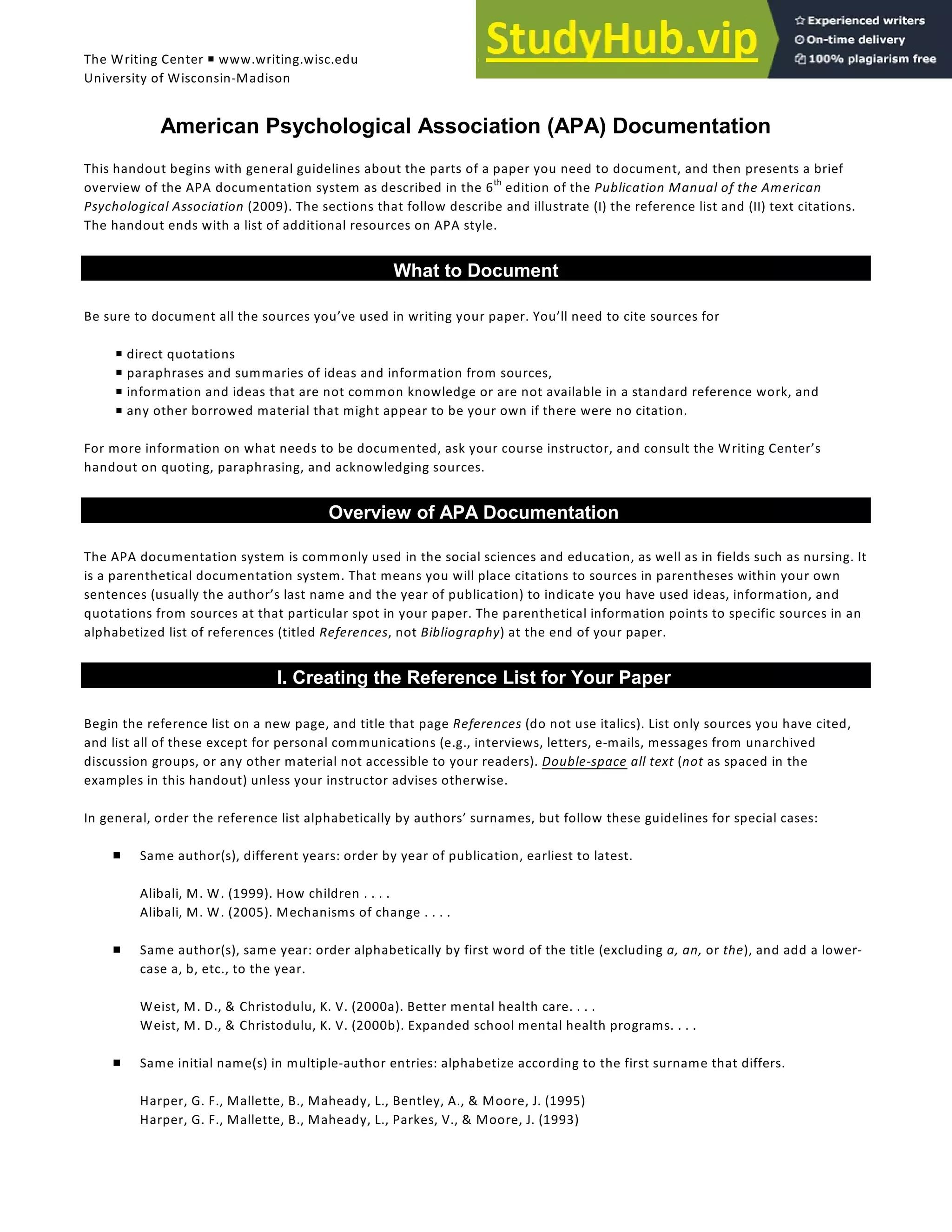
By providing specific rules for how to attribute ideas, data, and direct quotes to their original authors, the APA style protects the intellectual property of researchers. Plagiarism, whether intentional or accidental, can derail an academic career. Following the APA's rigorous documentation standards ensures that every claim is backed by evidence and every source is properly recognized.
Establishing Credibility and Authority
When a writer uses APA style correctly, they signal to their audience that they are familiar with the standards of their discipline. It shows a commitment to precision and detail. By citing reputable, peer-reviewed sources, writers build a "trail of breadcrumbs" that allows readers to verify the facts and explore the foundational research themselves.
Enhancing Reading Comprehension
The "style" in APA style refers not just to citations, but to the entire structure of the document. Consistent use of headings, font sizes, and margins allows the reader to focus on the content rather than being distracted by erratic formatting. In 2026, where scholars are often inundated with information, the predictability of an APA-formatted paper allows for efficient "skimming" to find critical data points, methodology, or conclusions.
Core Components of APA Style (7th Edition)
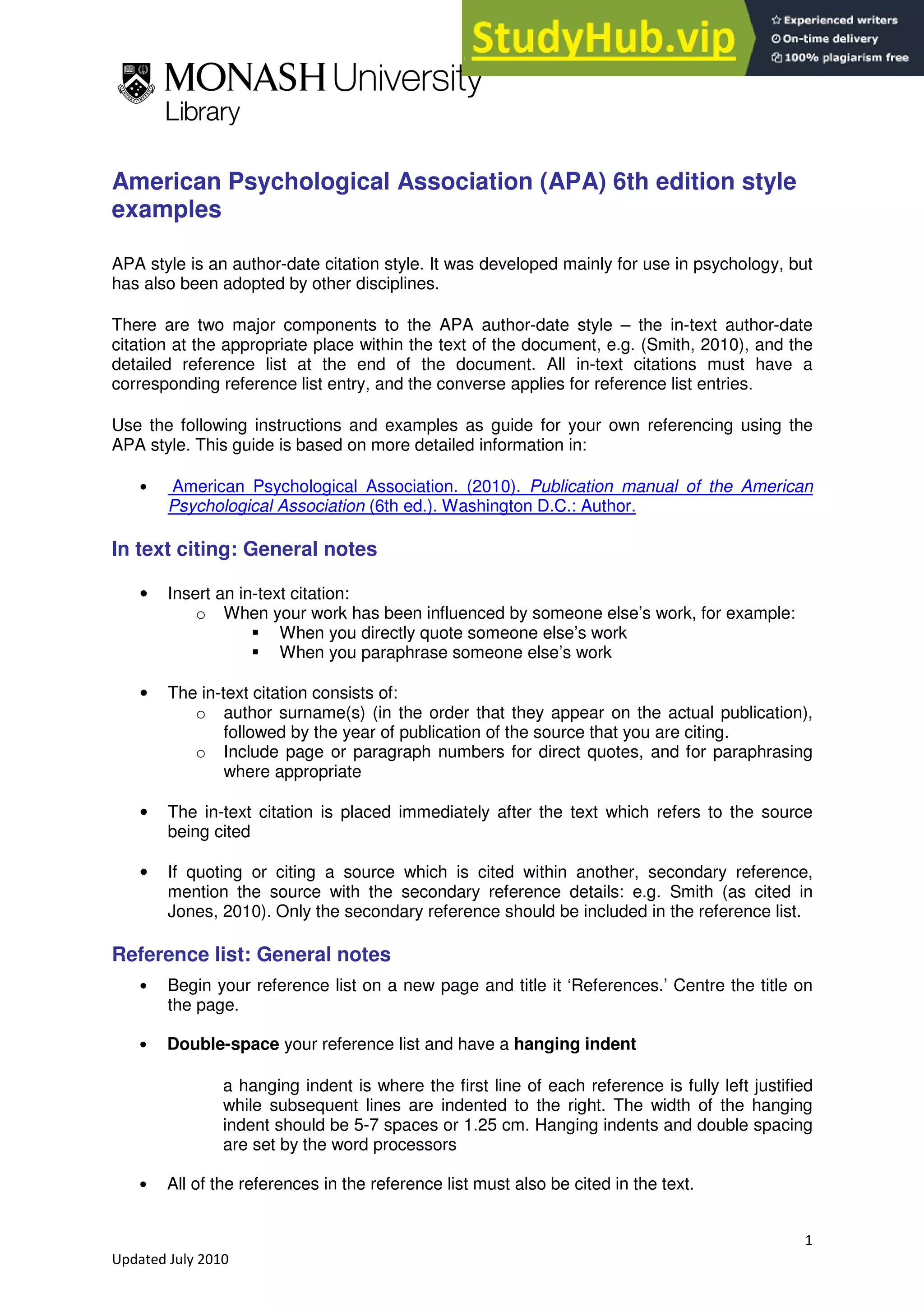
The APA system is bifurcated into two essential parts that work in tandem: the in-text citation and the reference list. One cannot exist without the other; every source mentioned in the text must appear in the reference list, and every entry in the reference list must be cited at least once within the body of the paper.
The In-Text Citation System: Author-Date
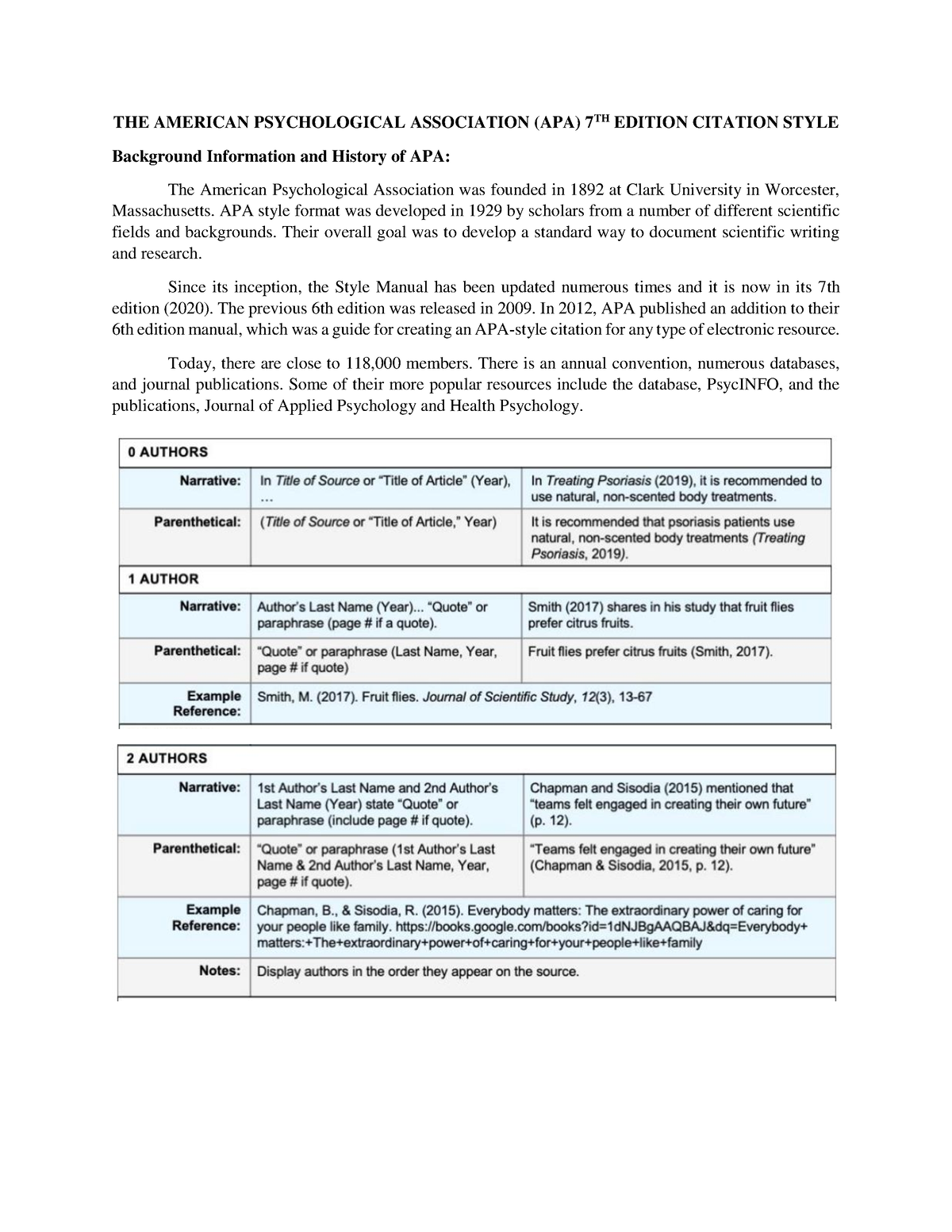
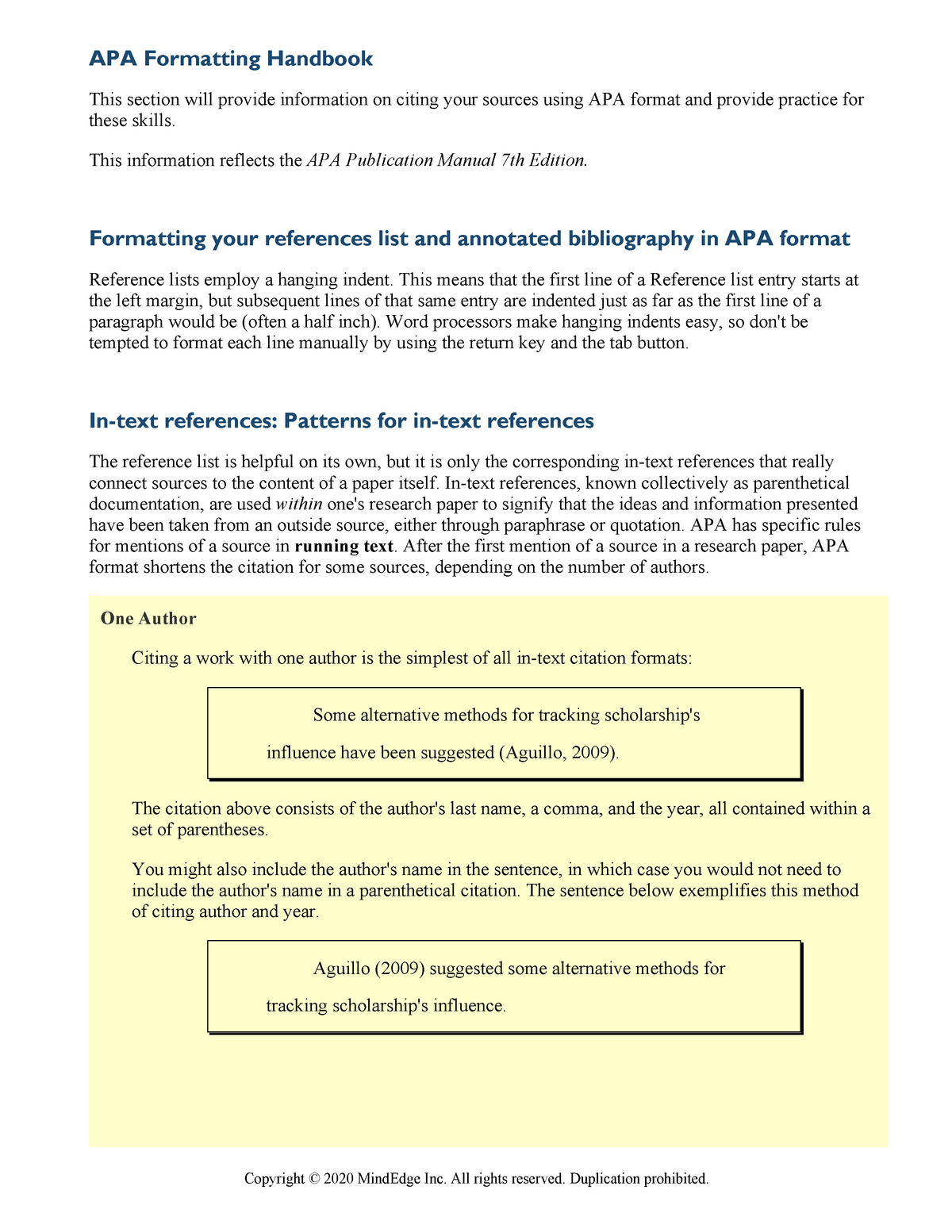
APA uses the author-date method for in-text citations. This means the author's last name and the year of publication for the source should appear in the text, allowing the reader to easily locate the full entry in the alphabetical reference list at the end of the paper.
There are two primary types of in-text citations:
- Parenthetical Citations: Both the author and the date appear in parentheses at the end of the sentence or phrase.
- Example: Behavioral patterns in urban environments have shifted significantly over the last decade (Martinez, 2024).
- Narrative Citations: The author’s name is incorporated into the sentence as part of the narrative, followed by the year in parentheses.
- Example: Martinez (2024) argued that behavioral patterns in urban environments are undergoing a significant shift.
For works with three or more authors, APA 7th edition simplified the rule: use the first author’s name followed by "et al." from the very first citation. This streamlines the text and prevents long strings of names from interrupting the flow of ideas.
The Reference List: The Four Pillars
The reference list provides the information necessary for a reader to locate and retrieve any source cited in the body of the paper. Each entry is built upon four fundamental questions:
- Who is responsible for this work? (Author)
- When was this work published? (Date)
- What is this work called? (Title)
- Where can I retrieve this work? (Source/Publisher/URL/DOI)
In 2026, the use of Digital Object Identifiers (DOIs) is the preferred method for the "Where" element. A DOI is a unique, permanent string of numbers and letters assigned to an electronic document. Unlike URLs, which can break over time (a phenomenon known as "link rot"), a DOI provides a persistent link to the source's location on the internet.
General Document Formatting Requirements
Beyond citations, the APA provides strict guidelines for the physical appearance of the manuscript. These guidelines differ slightly between student papers and professional manuscripts intended for publication.
Paper Layout and Typography
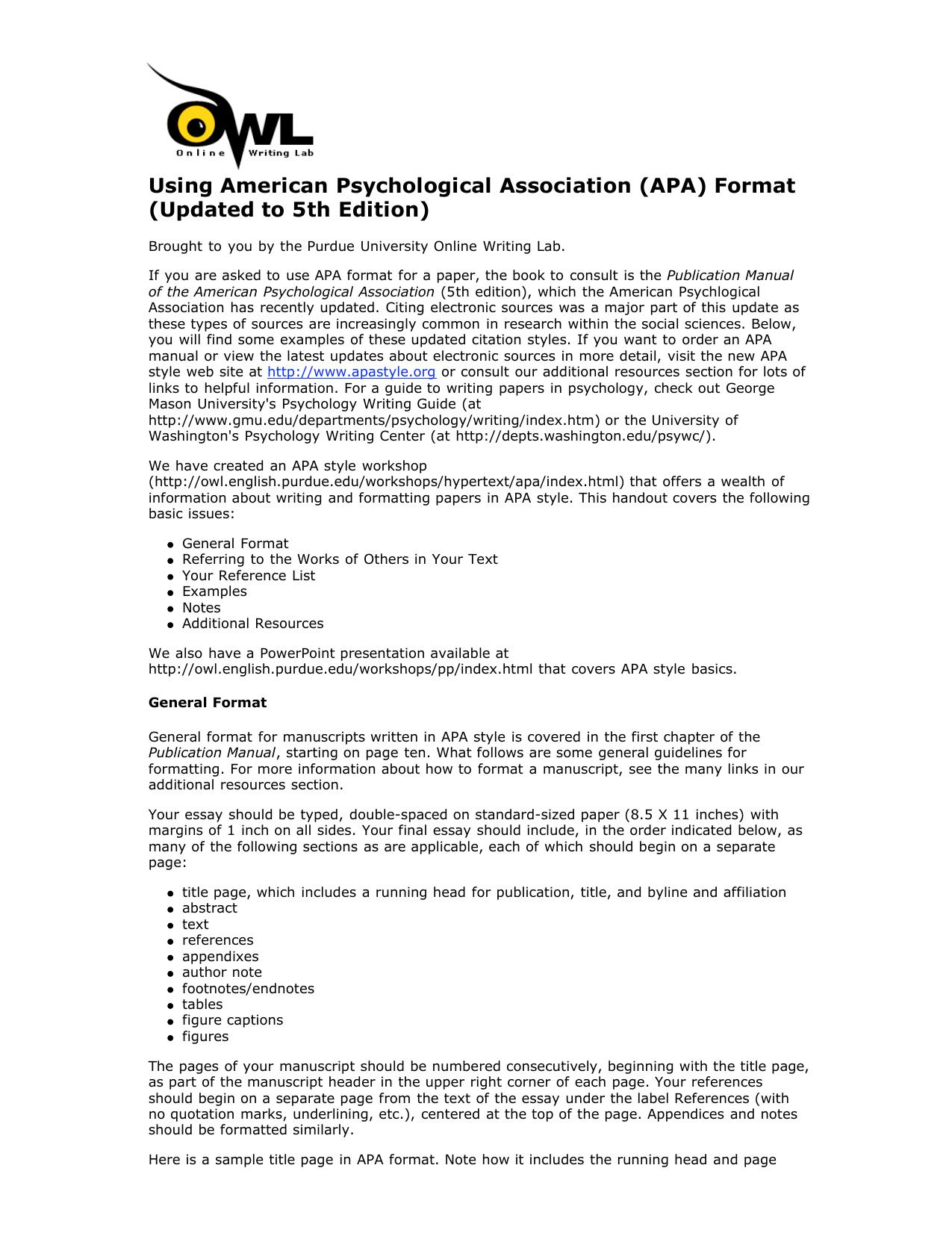
- Margins: 1-inch margins on all sides of the page.
- Line Spacing: Double-spacing throughout the entire document, including the title page, abstract, body text, and reference list.
- Fonts: The 7th edition introduced flexibility in font choices to improve accessibility. Acceptable fonts include:
- Sans Serif: Calibri (11 pt), Arial (11 pt), or Lucida Sans Unicode (10 pt).
- Serif: Times New Roman (12 pt), Georgia (11 pt), or Computer Modern (10 pt).
- Page Headers: A page number must appear in the top right corner of every page. For professional papers, a "running head" (a shortened version of the title in all caps) is also required in the top left.
The Title Page
A student title page includes the paper title, author name, institutional affiliation (department and university), course number and name, instructor name, and the assignment due date. A professional title page adds the running head and an "Author Note" which provides contact information and acknowledgments.
Comparing APA with Other Major Styles
While the American Psychological Association style is dominant in the sciences, other disciplines use different systems. Understanding these differences helps writers adapt to various academic requirements.
| Feature | APA (7th Ed) | MLA (9th Ed) | Chicago (17th Ed) |
|---|---|---|---|
| Primary Fields | Social Sciences, Education, Nursing | Humanities, Literature, Arts | History, Business, Fine Arts |
| In-Text Format | Author-Date (Smith, 2024) | Author-Page (Smith 42) | Superscript Numbers or Author-Date |
| Source List Title | References | Works Cited | Bibliography or References |
| Capitalization | Sentence case for titles | Title case for titles | Title case for titles |
| Creator Credit | Initials for first/middle names | Full names for authors | Full names for authors |
The distinction in how authors are named is particularly important. In APA, using initials (e.g., Smith, J. D.) rather than full first names (e.g., Smith, John David) is a deliberate choice to reduce gender bias and maintain focus on the surname and the timeline of the research.
Common Pitfalls and Troubleshooting
Even seasoned researchers can struggle with the nuances of APA style. Addressing these common issues is vital for maintaining the integrity of a 2026 research project.
Dealing with Missing Information
Not every source has a clear author or date. If a source lacks an individual author, the group author (such as a government agency or organization) is used. If no date is available, the abbreviation "n.d." (which stands for "no date") is used in both the in-text citation and the reference entry.
Proper Use of Quotations
APA style distinguishes between short quotes and block quotes.
- Short Quotes (under 40 words): Incorporate these into the text and enclose them in double quotation marks. Always include the page number (e.g., p. 15).
- Block Quotes (40 words or more): Start the quote on a new line and indent the entire block 0.5 inches from the left margin. Do not use quotation marks. The parenthetical citation comes after the final punctuation mark of the quote.
The Ethics of Self-Citation
In the research-heavy environment of 2026, many scholars build upon their own previous work. While this is necessary, it must be done ethically. You must cite your own previous publications or even unpublished manuscripts just as you would any other source to avoid "self-plagiarism," which is the act of presenting your previously published work as entirely new.
Inclusive and Bias-Free Language
One of the most significant contributions of the APA style in recent years is its focus on bias-free language. The Publication Manual provides specific guidance on how to write about individuals and groups with respect and accuracy. This includes:
- The Singular "They": APA officially endorses the use of "they" as a generic third-person singular pronoun to avoid gender bias.
- Person-First Language: Focus on the person rather than their condition (e.g., "people with depression" instead of "the depressed").
- Specificity: Be as specific as possible when describing age, disability, gender identity, race, and sexual orientation. Avoid broad labels that can be dehumanizing or inaccurate.
Frequently Asked Questions
1. What is the difference between a reference list and a bibliography?
In APA style, you use a Reference List. A reference list only includes the sources you specifically cited in your paper. A bibliography, more common in the Chicago style, may include works that you consulted for background information but did not directly cite in the text. Using the term "Bibliography" in an APA paper is technically a formatting error.
2. How do I cite a website with no clear author?
When a website has no individual author, the organization or group responsible for the site (the corporate author) should be used. For example, if you are citing an article from the World Health Organization site, the author is "World Health Organization." If the author and the site name are the same, omit the site name later in the reference to avoid repetition.
3. Do I need to include the "Retrieved from" text for URLs?
Under the APA 7th edition guidelines, the phrase "Retrieved from" is no longer required before a URL unless a retrieval date is necessary. Retrieval dates are only used for sources that are designed to change frequently and are not archived, such as a social media feed or a live-updating dashboard.
4. Is the 7th edition still current in 2026?
Yes, as of 2026, the 7th edition remains the most current and authoritative version of the APA style. While minor updates and clarifications are occasionally released via the official APA Style website, the fundamental rules established in the 7th edition manual continue to govern academic writing in the social sciences.
5. How are DOIs formatted in 2026?
DOIs should be formatted as functional links. Instead of writing "DOI: 10.1037/rev0000126," you should present it as a URL: https://doi.org/10.1037/rev0000126. This ensures that digital readers can click directly through to the source, facilitating the seamless flow of information.
Moving Forward with APA Style
Mastering APA style is an iterative process. For researchers and students in 2026, the best approach is to combine a solid understanding of the manual's logic with the use of modern tools. Reference management software like Zotero, Mendeley, or EndNote can automate much of the formatting process, but they are not infallible.
Final Recommendation: Always perform a manual "sanity check" on your citations. Verify that the author's names are spelled correctly, the dates match between the text and the reference list, and that you have applied the correct capitalization rules for titles. By adhering to the standards of the American Psychological Association, you ensure that your work is taken seriously and contributes meaningfully to the global body of knowledge.