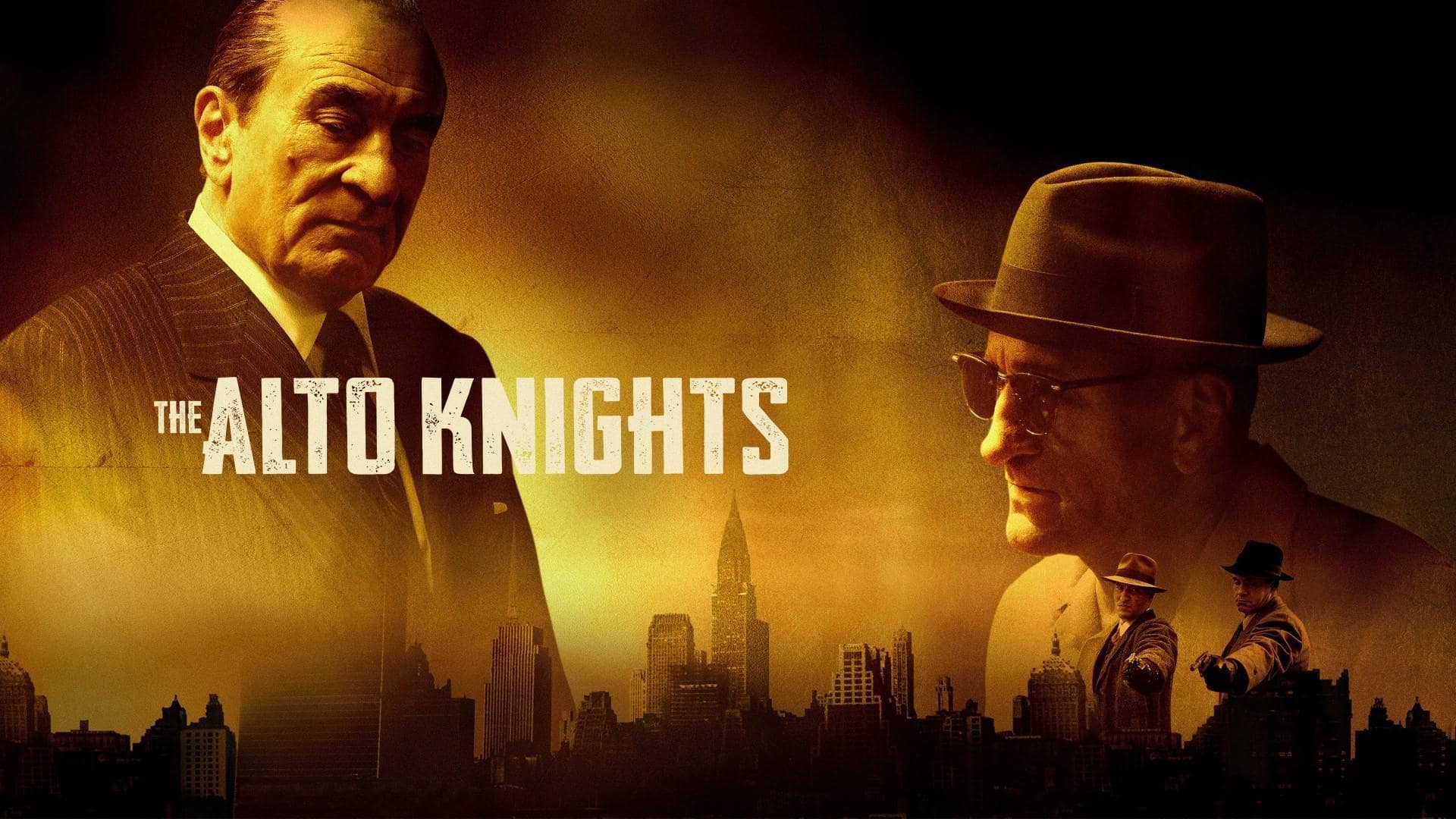
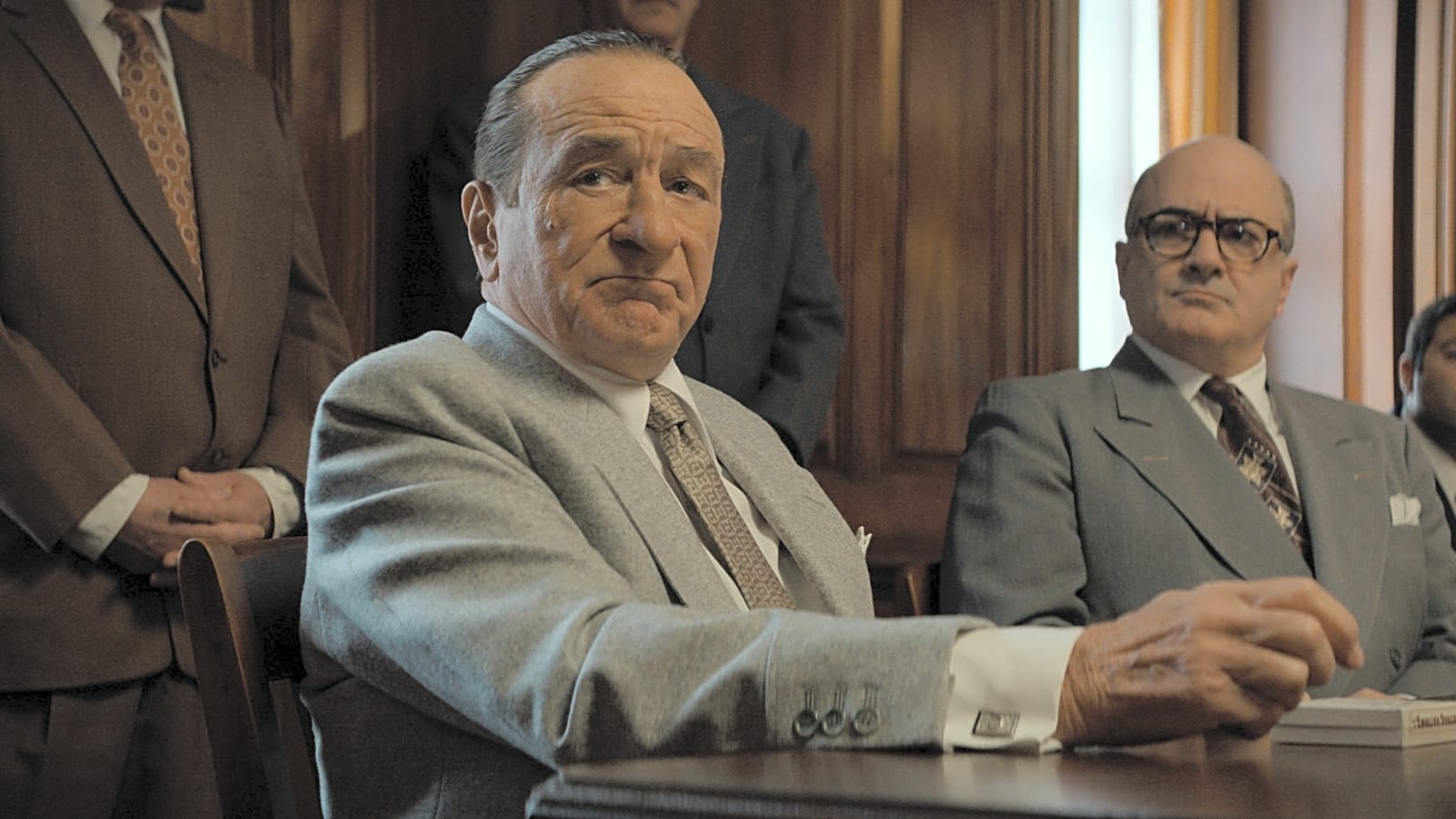
Robert De Niro does indeed play two distinct roles in the mob drama film Alto Knights, portraying both iconic mid-20th-century New York mafia bosses, Vito Genovese and Frank Costello. This dual casting anchors the narrative around the complex rivalry and ultimate betrayal between two powerhouse figures of organized crime.
The cinematic landscape has long fascinated audiences with stories of organized crime, but few projects generate as much intrigue as those featuring legendary actors taking on historical underworld figures. When casting choices involve a cinematic icon portraying multiple historical characters within the same frame, viewers naturally seek clarity on how the production accomplishes this feat. Understanding the mechanics, the narrative justification, and the historical background of the project helps illuminate why this creative decision was made for the feature film.
The Premise and Casting of Alto Knights
Directed by Barry Levinson and written by Nicholas Pileggi—who famously co-wrote the screenplay for GoodFellas—Alto Knights (previously known by working titles like Wise Guys) dives deep into the dangerous and intricate world of American mafia history. The central conflict of the film revolves around the bitter rivalry between two of the most powerful mob bosses of the 20th century: Vito Genovese and Frank Costello.
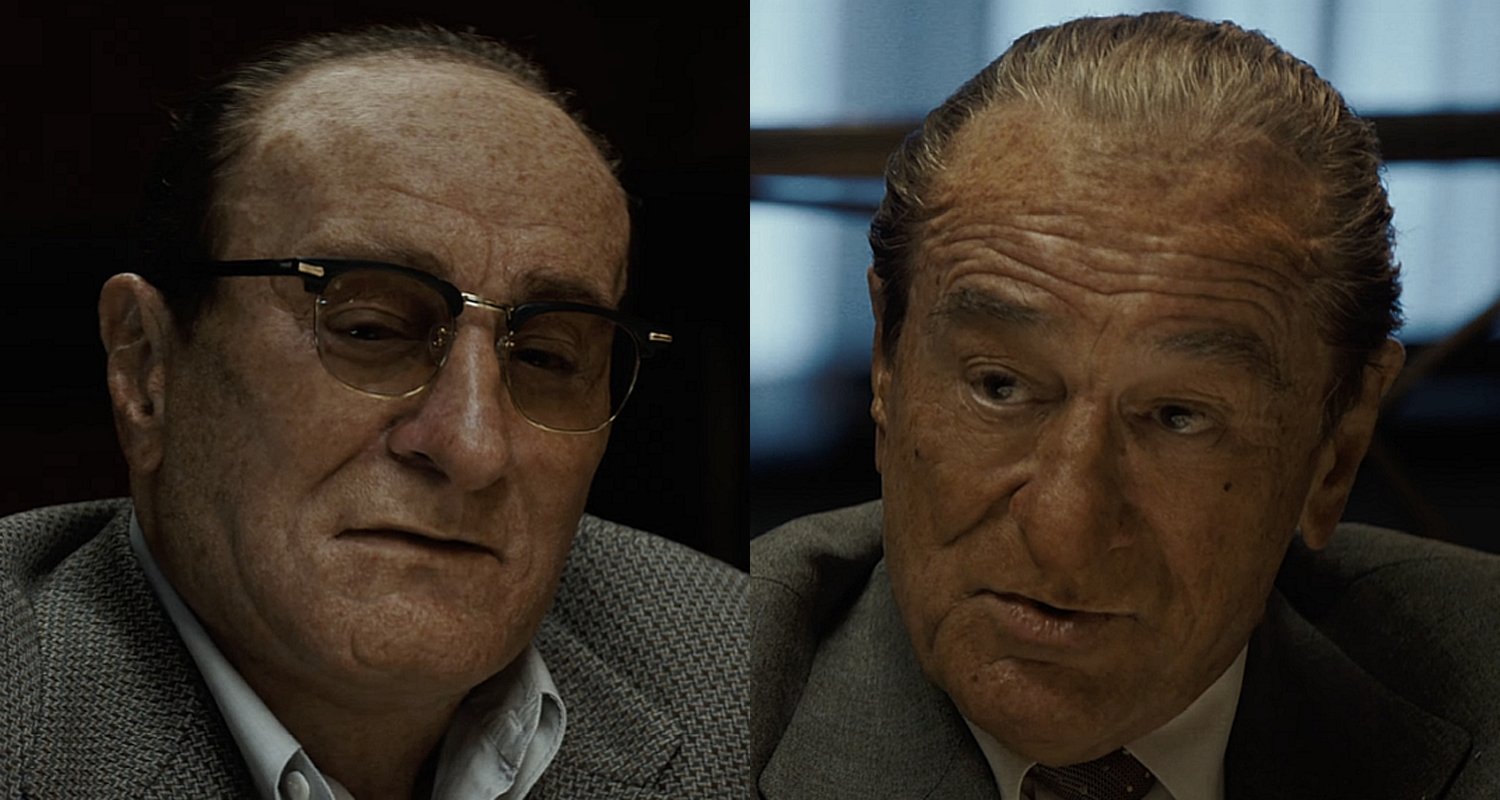
Rather than casting two separate actors to represent this historic rivalry, the production cast Robert De Niro to play both men. This creative choice places an immense amount of dramatic weight on De Niro’s shoulders, requiring him to differentiate two leaders who operated within the exact same criminal ecosystem, shared similar cultural backgrounds, and dressed in the standard sharp attire of mid-century organized crime figures.
Playing dual roles in cinema is a time-tested tradition, historically utilized for comedic effect, science fiction tropes involving clones or doppelgängers, or dramatic explorations of duality. In the context of a biographical crime drama, however, an actor playing opposing real-life figures is a rarer and more demanding endeavor. It requires subtle shifts in posture, vocal cadence, facial expression, and psychological temperament to ensure the audience immediately recognizes which boss is on screen without relying entirely on costume changes.
| Character Portrayed | Historical Role | Key Relationship / Dynamic in Film |
|---|---|---|
| Vito Genovese | Ambitious, aggressive crime boss | Seeks absolute control; orchestrates moves against rivals |
Understanding the Real-Life History: Genovese vs. Costello
To appreciate why Robert De Niro steps into both shoes, it is essential to examine the historical relationship between Vito Genovese and Frank Costello. Operating within what would eventually become known as the Genovese crime family—one of the infamous "Five Families" controlling New York City—these two men shared a complex history of partnership, shifting alliances, and eventual hostility.
Frank Costello was known as the "Prime Minister" of the underworld. He preferred diplomacy, political corruption, and legitimate business investments over reckless violence, maintaining a sophisticated public profile that often insulated him from intense law enforcement scrutiny. On the other hand, Vito Genovese was characterized by a more aggressive, traditional, and ruthless approach to power. Genovese coveted total dominance over the family's illicit enterprises and viewed Costello's diplomatic methods as a weakness.
The tension between their differing philosophies culminated in a historic power struggle, highlighted by an assassination attempt against Costello ordered by Genovese in 1957. Although Costello survived the attempt, the incident effectively signaled the end of his active reign and paved the way for Genovese to take control—at least temporarily, before law enforcement and federal investigations closed in on them both.
By having the same actor portray both sides of this historic feud, Alto Knights creates a metaphorical and literal battle of wits against oneself. It underscores the notion that these two figures were cut from the same cloth, representing two diverging paths for organized crime during an era of shifting American landscapes.
Technical and Cinematic Execution of Dual Roles
Executing a dual-role performance in a major motion picture involves sophisticated filmmaking techniques that go far beyond basic acting preparation. When an actor interacts with themselves on screen, modern production workflows rely on a combination of precision blocking, motion control cameras, split-screen technology, and digital body doubles.
1. Pre-Production and Blocking
Before a single frame is shot, directors and cinematographers map out every scene where both characters appear together. The camera must remain locked in place to ensure identical framing for both passes. The actor must perform the scene once as Vito Genovese, interacting with a stand-in or an off-camera reader, and then change wardrobe and makeup to perform the counterpart as Frank Costello.
2. Continuity and Performance Matching
The primary challenge for Robert De Niro in Alto Knights is maintaining spatial and temporal consistency. When Genovese looks at Costello, the actor must project his gaze to the exact spot where the stand-in was positioned during the previous take. Voice inflection, timing, and emotional intensity must match precisely so that when the editor cuts between the two performances, the conversation flows naturally without awkward pauses or mismatched energy.
3. Wardrobe, Makeup, and Physicality
Because both men existed in the same historical era and moved in similar social circles, their physical appearances share similarities, such as tailored suits and period-appropriate hairstyles. To separate them visually, the hair and makeup department utilize subtle variations in hairline, facial hair, posture, and aging effects to ensure viewers can instantly distinguish between the calculating composure of Costello and the simmering hostility of Genovese.
Navigating Production History and Release Expectations
The path of Alto Knights to the silver screen involved several notable updates and scheduling shifts, which often surround high-profile Hollywood projects involving veteran talent. Initially announced and developed under different titles, the film represents a reunion between Robert De Niro and writer Nicholas Pileggi, evoking memories of their celebrated work on classic mafia cinema.
Major studios frequently adjust release calendars to optimize box office performance or accommodate post-production visual effects requirements. For a film featuring intricate dual-performance scenes, the editing process requires meticulous attention to detail, ensuring that computer-generated visual effects and split-screen stitching remain entirely invisible to the viewer. This commitment to technical polish explains why fans following the project experienced adjustments to its initial premiere schedule before its eventual rollout by Warner Bros.
Frequently Asked Questions
Does Robert De Niro play identical twins in Alto Knights?
No, Robert De Niro does not play twins. He portrays two completely separate, real-life historical mob figures—Vito Genovese and Frank Costello—who were fierce rivals in the New York mafia, not related family members.
Is Alto Knights based on a true story?
Yes, the film is rooted in the true history of the American mafia during the mid-20th century, specifically focusing on the power struggles and underworld politics that defined the leadership of the Luciano-turned-Genovese crime family.
Who directed Alto Knights?
The film was directed by Academy Award-winning filmmaker Barry Levinson, known for directing iconic movies such as Diner, Rain Man, and Wag the Dog.
Why did the studio change the movie title from Wise Guys?
Studio distributors frequently evaluate marketing potential and audience recognition, leading to title changes during post-production to better reflect the scope and dramatic tone of the finished feature film.
Are there other actors starring alongside Robert De Niro?
Yes, the ensemble cast features a talented lineup of supporting actors portraying various figures from the era's criminal underworld, providing a rich backdrop for the central conflict between De Niro's dual characters.
Practical Guidance for Viewers and Film Enthusiasts
For moviegoers preparing to watch Alto Knights, approaching the film with a baseline understanding of 1950s organized crime history enhances the viewing experience. Recognizing the subtle physical and vocal cues Robert De Niro employs to separate Vito Genovese from Frank Costello allows the audience to appreciate the technical craft behind the dual-performance execution. Rather than viewing the casting choice as a mere gimmick, viewers can analyze how the mirrored characterization emphasizes the internal ideological battle within the mafia during its transition into a more corporate and heavily policed enterprise.