Andrew Tate’s business empire is a multifaceted network of digital education platforms, high-ticket networking communities, physical casino franchises, and legacy webcam operations. Centered on the "The Real World" platform and "The War Room," his ventures capitalize on attention-driven marketing, subscription-based revenue models, and decentralized wealth-building strategies aimed at a global audience.
Andrew Tate, a former professional kickboxer turned internet personality, has built a business portfolio that has sparked both immense financial success and significant legal scrutiny. As of 2026, his business model remains a case study in "attention economy" dynamics, where polarizing personal branding is converted into high-margin digital products and physical assets. To understand the scope of Andrew Tate’s businesses, one must look past the social media persona and analyze the specific entities, their operational mechanics, and their integration into his broader financial ecosystem.
The Evolution of Digital Education: From Hustler’s University to The Real World
The cornerstone of Andrew Tate’s modern wealth is his digital education platform. Originally launched as Hustler’s University (HU), the venture underwent a significant rebranding and infrastructure shift to become The Real World (TRW). This transition was not merely cosmetic; it was a strategic move to insulate the business from platform-wide bans and financial de-platforming.
The Real World (TRW) Operational Model
The Real World operates as a community-based learning environment hosted on a custom-built, decentralized platform. Unlike its predecessor, which relied heavily on Discord, TRW uses an independent infrastructure to ensure that no single tech entity can shut down the service. The business model is a classic high-volume, low-friction subscription service, charging users approximately $49 to $147 per month.
The curriculum within The Real World is divided into "campuses," each focusing on a specific modern wealth-creation method:
- Copywriting: Teaching persuasive writing for sales and marketing.
- E-commerce: Guidance on dropshipping and Shopify-based retail.
- Crypto and DeFi: Instruction on decentralized finance, trading strategies, and long-term holding.
- Stocks: Technical and fundamental analysis of equity markets.
- Content Creation and AI: Leveraging artificial intelligence for automation and social media growth.
Affiliate Marketing and Viral Growth
A major component of the success of Tate's education business was its aggressive affiliate marketing program. Students were encouraged to create "fan accounts" on TikTok, Instagram, and YouTube, posting controversial or motivational clips of Tate. If a viewer clicked a link in the account bio and signed up for the platform, the student received a commission. This created a self-sustaining marketing machine that generated billions of impressions without a traditional advertising budget. While the affiliate program has faced restrictions from major social platforms, the organic reach of the "Tate brand" continues to drive traffic to the site.
The War Room: High-Ticket Networking and the Mastermind Model
While The Real World targets the mass market, The War Room is Andrew Tate’s premium, high-ticket offering. Positioned as a "global organization" or "brotherhood," it is designed for high-net-worth individuals and those aspiring to join an elite inner circle.
Access and Membership Requirements
Membership in The War Room is significantly more expensive than Tate’s other ventures, with entry fees reportedly exceeding $8,000. The business model focuses on "network effects"—the idea that the value of the group increases as more influential people join.
The War Room provides members with:
- Exclusive Networking: Direct access to the Tate brothers and other successful entrepreneurs.
- In-person Events: Meetings held in various locations worldwide, emphasizing physical presence and loyalty.
- Legal and Financial Strategies: Discussions on internationalization, tax optimization, and asset protection.
The War Room serves as the "top of the funnel" for Tate’s most loyal followers, creating a reliable stream of high-margin capital that supports larger investments and legal defense funds.
The Casino Industry: Physical Assets in Romania
A less publicized but highly lucrative branch of Andrew Tate’s businesses involves the gambling industry. In various interviews, Tate has detailed his entry into the Romanian casino market through a franchise-style partnership.
The Franchise Strategy
Tate’s entry into the casino world was facilitated by his relationship with the Stefan brothers, prominent figures in the Romanian gambling scene. Rather than building a casino from scratch, Tate invested in the rebranding and marketing of existing locations. By leveraging his name and the "luxury lifestyle" brand, these casinos targeted a specific demographic of young men and tourists.
The revenue from these casinos is more traditional than his digital ventures, relying on physical foot traffic and the inherent "house edge" of gambling operations. This diversification into physical real estate and regulated industries provides a hedge against the volatility of online platforms.
The Webcam Business: The Foundation of the Empire
Historically, the foundation of Andrew Tate’s wealth began with a webcam studio business. Operating under various entity names like T2 Advertising, this business model involved managing models who engaged with customers on adult entertainment platforms.
Operational Mechanics
At its peak, the webcam business reportedly employed over 75 women across multiple locations. The business functioned on a revenue-share model, where the agency provided the equipment, training, and "storylines" for the models, taking a significant percentage of the earnings generated through tips and private chats.
While Tate has claimed to have pivoted away from the day-to-day operations of the webcam industry to focus on his "The Real World" and "War Room" projects, the capital generated from this business was instrumental in funding his early investments in cryptocurrency and the initial launch of his digital products. It is also the sector that has faced the most significant legal scrutiny regarding labor practices and consent.
Branding, Merchandise, and Supplement Lines
The Andrew Tate brand extends into physical products that cater to his "lifestyle" philosophy. These businesses are often managed as ancillary revenue streams that reinforce the core brand.
Top G Merchandise and Supplements
- Apparel: Selling branded clothing that reflects his "Alpha" persona.
- Supplements: Offerings like "Unthinkable" (a nootropic/coffee product) target the bio-hacking and productivity community.
- Digital Content: Selling individual courses or ebooks outside of the subscription model.
These products serve as "brand touchpoints," allowing followers to participate in the ecosystem at a lower price point than the War Room while maintaining a constant presence in the consumer's daily life.
Comparison of Andrew Tate's Primary Business Ventures
The following table summarizes the core operational differences between the major business entities in the Tate portfolio.
| Business Name | Primary Revenue Model | Target Audience | Accessibility/Cost | Asset Type |
|---|---|---|---|---|
| The Real World | Subscription (SaaS) | Mass Market / Aspiring Entrepreneurs | Low ($49 - $147/mo) | Digital / Software |
| The War Room | Membership Fee | High-Net-Worth Individuals | High ($8,000+) | Social / Networking |
| Romanian Casinos | Gambling / Franchise | Local & Tourist Gamblers | Variable (Pay-per-play) | Physical / Real Estate |
| Webcam Studios | Revenue Share (Adult) | Adult Content Consumers | Variable (Tips/Chat) | Service / Media |
| Top G Merch | E-commerce (D2C) | General Fans | Low (Unit price) | Physical Goods |
The Role of Media and Platform Resilience
A critical part of Andrew Tate’s business strategy is his approach to media. Following his 2022 bans from Facebook, Instagram, and YouTube, Tate shifted his focus to "alternative" platforms that prioritize free speech or have less stringent moderation policies.
Rumble and X (Twitter)
Tate signed a multi-million dollar deal with Rumble, a video-sharing platform, which became the primary host for his "Tate Speech" and "Emergency Meeting" podcasts. His reinstatement on X (formerly Twitter) allowed him to regain a massive direct-to-consumer communication channel. These platforms are not just for communication; they are the lead-generation engines for his paid businesses. Without the ability to broadcast his message, the conversion rate for The Real World and The War Room would likely diminish.
Legal Challenges and Business Continuity
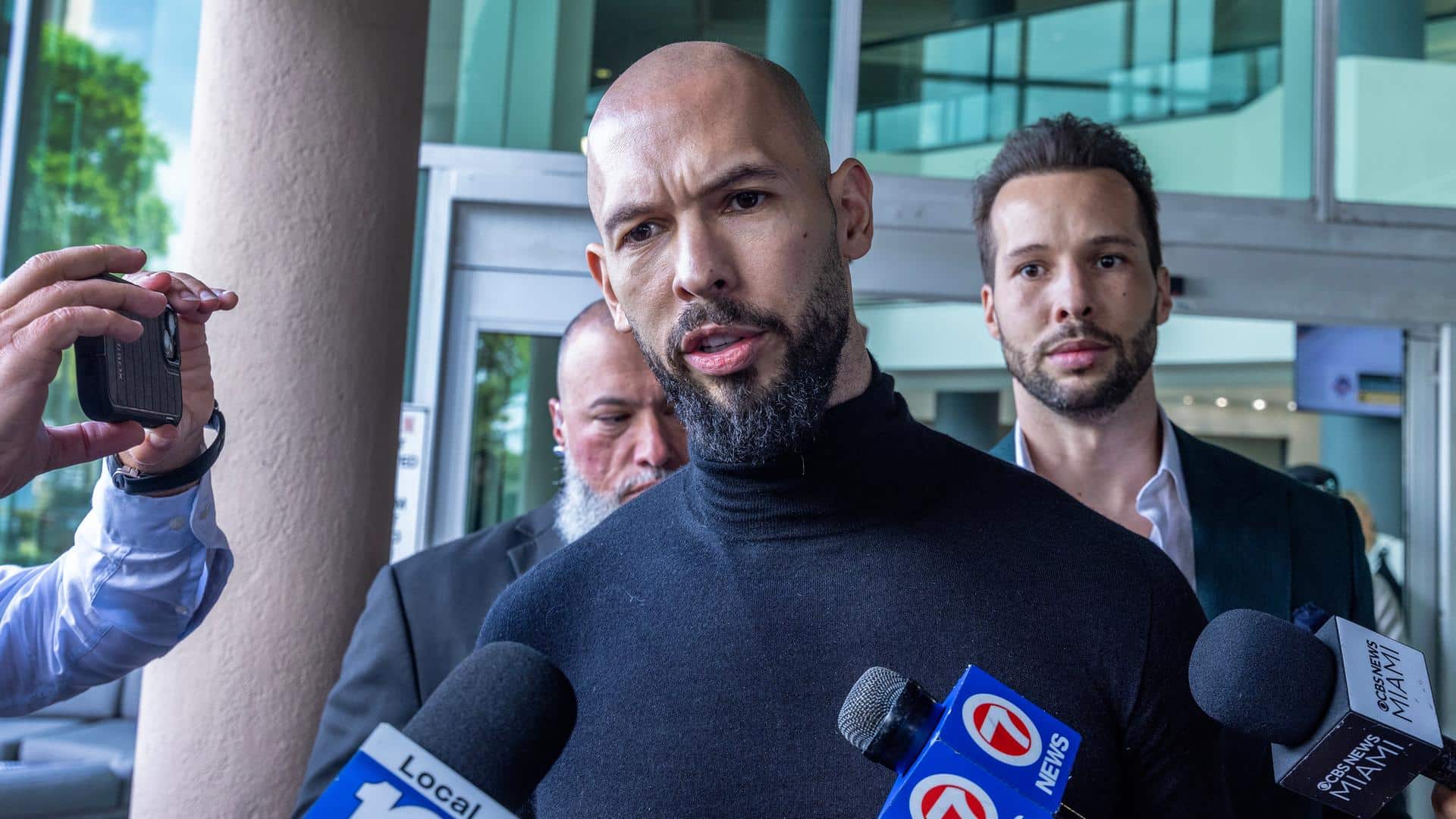
It is impossible to discuss Andrew Tate’s businesses without acknowledging the legal challenges faced in Romania and the UK. Charges related to human trafficking, organized crime, and money laundering have directly impacted the operations of his businesses.
- Asset Seizures: Romanian authorities have, at various times, seized physical assets including luxury cars, watches, and properties worth millions of euros.
- Banking Restrictions: Like many controversial figures, Tate has faced "de-banking," where financial institutions close his accounts, forcing him to rely more heavily on cryptocurrency and decentralized payment processors.
- Operational Disruptions: Periods of house arrest or incarceration naturally slow down the ability to film content and manage large-scale physical operations, though his digital businesses are designed to be run by a decentralized team of "professors" and managers.
FAQ
Is "The Real World" a pyramid scheme?
The Real World is often criticized for its affiliate marketing structure, which shares some characteristics with multi-level marketing (MLM). However, the primary product is the educational content itself. Unlike a traditional pyramid scheme, users are not required to recruit others to earn; they can focus entirely on the skills taught in the campuses (like copywriting or trading). The controversy arises from how aggressively students promoted the platform to earn commissions.
How does Andrew Tate manage his businesses while in legal proceedings?
Tate has long advocated for a business structure that does not require his physical presence. He utilizes a team of trusted managers and "professors" who handle the day-to-day operations of The Real World. His brother, Tristan Tate, also plays a significant role in managing their joint interests. The digital nature of his primary income streams allows for continued operation even during legal restrictions.
What happened to Hustler's University?
Hustler's University was officially closed and migrated to The Real World. This was done primarily to move away from the Discord platform, which was banning HU-related servers, and to launch a custom-built app that Tate's team could fully control without fear of censorship or technical shutdowns.
Can you still join Andrew Tate's businesses in 2026?
Yes, as of 2026, both The Real World and The War Room remain active. However, the methods of payment have become more complex, often requiring the use of cryptocurrency or specific third-party processors due to the ongoing "de-banking" efforts by major financial institutions.
How much is Andrew Tate's business empire worth?
Estimates vary wildly. While Tate has claimed to be a "trillionaire" (hyperbole), more conservative estimates by financial analysts and journalists suggest his net worth, tied up in his businesses and assets, is in the range of $100 million to $350 million. This includes the value of his car collection, real estate, and the recurring revenue from his tens of thousands of subscribers.
Conclusion and Strategic Takeaways
The business model behind the Andrew Tate empire is a sophisticated blend of attention-jacking marketing and decentralized operations. By building a brand that thrives on controversy, Tate ensures a constant stream of organic traffic. By moving his operations to independent digital infrastructures and physical locations in business-friendly jurisdictions, he creates a level of resilience that few modern entrepreneurs possess.
For those analyzing these businesses, the primary lesson is the power of a "verticalized" brand—where one individual controls the platform, the product, and the promotion. However, the legal risks and ethical controversies surrounding these ventures serve as a significant cautionary tale about the sustainability of businesses built on polarizing foundations.