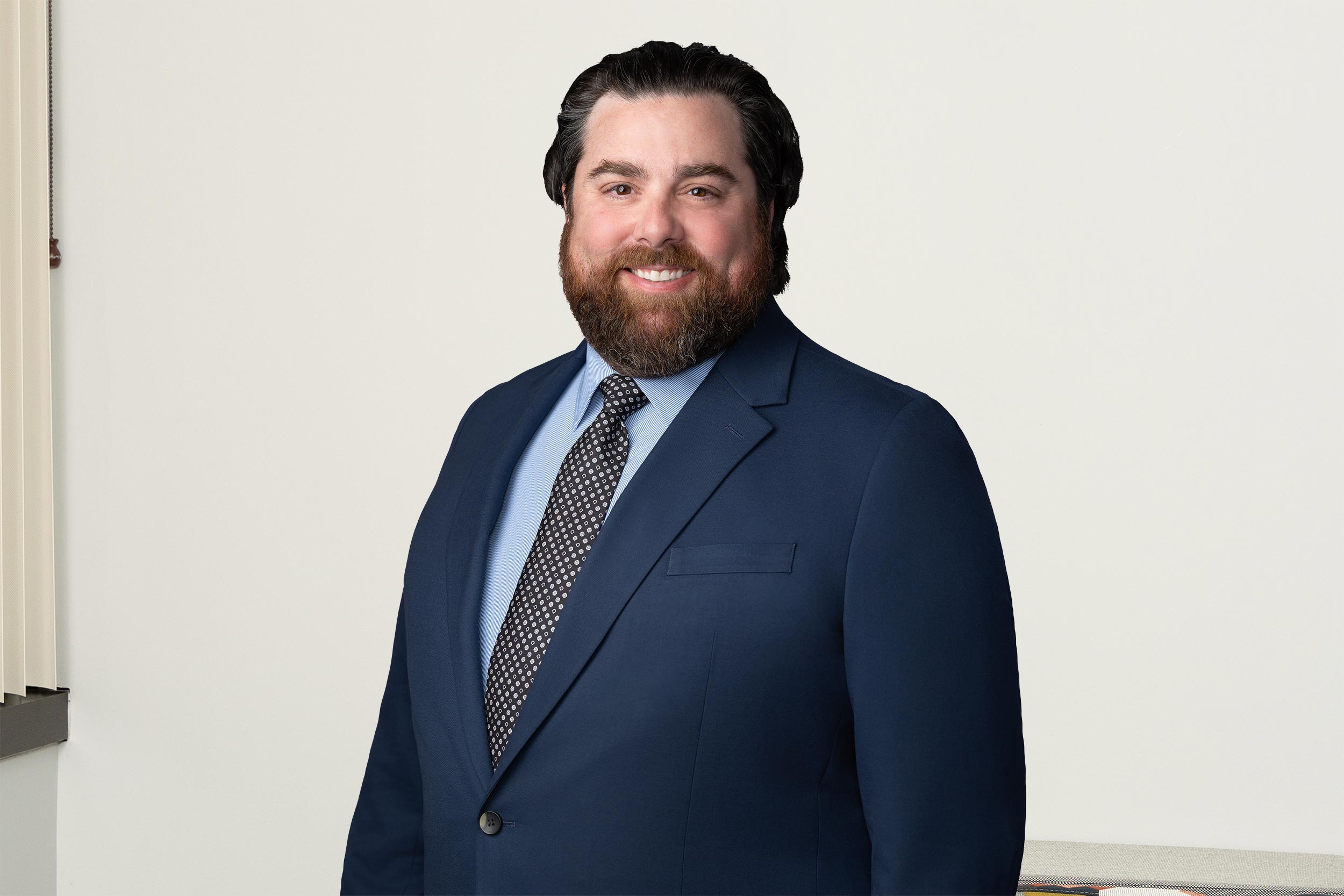
Navigating auto insurance in California requires balancing mandatory state compliance with individualized personal coverage. Andrew Howard operates as a licensed insurance professional in California, helping drivers evaluate auto policies, secure legal liability protection, and access available discounts. Understanding how to select coverage, verify licensure, and optimize policy limits ensures long-term financial security on California roadways.
Overview of Andrew Howard Auto Insurance Services in California
Securing auto insurance through a localized agent or broker like Andrew Howard in California provides policyholders with tailored advice, local market experience, and direct support during policy origination and claims management. In California’s dynamic auto insurance landscape, working with an experienced agent helps drivers navigate state regulations, carrier availability, and underwriting changes.
When seeking auto coverage through Andrew Howard, consumers typically choose between two primary agency structures:
- Captive Agent Representation: Representing a single insurance carrier (such as State Farm, Farmers, or Allstate), focusing on proprietary policy products, bundling discounts, and carrier-specific incentives.
- Independent Brokerage: Representing multiple insurance carriers, allowing the agent to shop across several underwriting markets to match specific driver profiles, high-risk needs, or specialized vehicles.
Working with a dedicated California agent offers distinct advantages over automated online portals. A dedicated agent assists with assessing specific liability risks, evaluating property values, interpreting insurance contracts, and advocating for policyholders during complex claim disputes.
Verifying Licensing with the California Department of Insurance
Before entering into any insurance contract or transmitting personal information, drivers in California must verify the active licensing status of their insurance agent or broker. The California Department of Insurance (CDI) regulates all insurance producers, agencies, and carriers operating within the state.
To confirm the license and standing of Andrew Howard or any California insurance agency:
- Visit the official California Department of Insurance License Lookup tool.
- Search by individual name ("Andrew Howard") or organizational name, or enter the agent's unique 8-digit California License Number.
- Review the license status to ensure it is active and free of administrative enforcement actions, suspensions, or revocations.
- Confirm the specific license lines of authority held, such as Property and Casualty Broker-Agent, which authorizes the producer to transact private passenger auto coverage.
Maintaining an active license confirms that the agent meets state continuing education requirements, carries required professional liability coverage, and adheres to statutory standards set by California insurance laws.
Mandatory California Auto Insurance Requirements (2026 Standards)
California law requires every driver and vehicle owner to maintain continuous financial responsibility. Driving without valid proof of financial responsibility can result in severe legal penalties, vehicle impoundment, driver's license suspension, and complete personal financial liability in the event of an accident.
| Mandatory Financial Responsibility Coverage | Minimum Required Limit |
|---|---|
| Bodily Injury (Per Person) | $30,000 |
| Bodily Injury (Per Accident) | $60,000 |
| Property Damage (Per Accident) | $15,000 |
Following statutory changes enacted under California Senate Bill 1107, which updated mandatory minimum limits, drivers in California must carry higher minimum liability coverage levels to legally operate a vehicle.
1. Bodily Injury Liability (BI)
- $30,000 per person: Pays for medical bills, emergency care, loss of income, and legal defense costs for a single individual injured in an accident where you are at fault.
- $60,000 per accident: Establishes the maximum total payout by your insurer for all injuries sustained by multiple people in a single accident where you are at fault.
2. Property Damage Liability (PD)
- $15,000 per accident: Pays for damage caused by your vehicle to another person's property, including cars, structures, guardrails, utility poles, and street signage.
While these minimum limits fulfill legal financial responsibility requirements under the California Vehicle Code, minimum coverage rarely offers full protection against severe accidents. Modern vehicle replacement costs and high emergency medical expenditures frequently exceed mandatory limits. If damages exceed your policy limits, injured parties can pursue personal assets, savings, and wage garnishments to collect the remaining judgment.
Core Auto Insurance Coverage Components Offered in California
When structuring a policy with Andrew Howard, drivers can customize their insurance portfolio beyond state minimums. Comprehensive auto insurance plans combine several coverage types designed to safeguard against different financial risks.
| Coverage Category | Included Coverages |
|---|---|
| Liability Protection | • Bodily Injury (BI)• Property Damage (PD) |
| Vehicle Damage Protection | • Collision Coverage• Comprehensive Coverage |
| Driver & Passenger Protection | • Uninsured/Underinsured Motorist (UM/UIM)• Medical Payments (MedPay) |
Liability Protection (BI & PD)
Liability insurance pays for bodily injury and property damage inflicted on third parties. It does not cover your own medical bills or vehicle repairs. Higher liability limits—such as 100/300/100 ($100,000 per person, $300,000 per accident for bodily injury, and $100,000 for property damage)—are widely recommended by financial advisors to protect personal assets.
Collision Coverage
Collision coverage pays to repair or replace your vehicle if it collides with another car, object (such as a tree, guardrail, or telephone pole), or rolls over. This coverage is active regardless of who caused the accident. Collision policies require a deductible (commonly $500 or $1,000), which represents your out-of-pocket obligation before insurance funds kick in. If your vehicle is leased or financed, the lienholder will mandate collision coverage.
Comprehensive Coverage (Other-Than-Collision)
Comprehensive coverage protects your vehicle against non-collision losses beyond your operational control. Standard covered perils include:
- Theft and vandalism
- Fallen trees, branches, or debris
- Windstorm, hail, flood, or earthquake damage
- Fire and explosions
- Glass breakage (windshield cracks and window shattered)
- Collisions with animals (such as deer or coyotes)
Like collision insurance, comprehensive coverage requires a deductible selected at policy initiation.
Uninsured and Underinsured Motorist Coverage (UM/UIM)
Despite strict state mandates, a significant percentage of California motorists drive without insurance or carry insufficient coverage limits.
- Uninsured Motorist Bodily Injury (UMBI): Pays for medical expenses, lost wages, and pain and suffering for you and your passengers if you are struck by an uninsured driver or a hit-and-run driver.
- Uninsured Motorist Property Damage (UMPD) / Collision Damage Waiver (CDW): Pays for damage to your car up to $3,500 if hit by an identified uninsured driver, or waives your collision deductible if you carry collision coverage.
- Underinsured Motorist (UIM): Fills the gap when an at-fault driver’s insurance policy limits are too low to pay for your total medical expenses.
In California, insurance companies must offer UM/UIM coverage in writing. If a driver chooses not to purchase this protection, they must execute a formal written waiver declining it.
Medical Payments Coverage (MedPay)
Medical Payments coverage pays for immediate medical, dental, and funeral expenses for you and your passengers following an accident, regardless of who was at fault. MedPay provides fast reimbursement for co-pays, hospital visits, ambulance transport, and emergency surgical fees without requiring liability determination.
How California Proposition 103 Affects Auto Rates and Rating Factors
California operates under unique insurance pricing regulations mandated by Proposition 103, passed by voters in 1988. Proposition 103 strictly limits how insurance companies calculate auto rates and prevents arbitrary rate hikes based on factors common in other states.
Under California law, auto insurance premiums must be calculated based primarily on three mandatory factors, ordered by weight of importance:
- Driving Safety Record: The insured's operating record, reflecting accidents, traffic violations, and driving history over the preceding three to five years.
- Annual Mileage: The estimated number of miles driven annually by the insured vehicle. Lower annual mileage directly reduces premium costs.
- Years of Driving Experience: The total number of years the primary driver has held a valid driver's license.
| Rating Factor Priority | Rating Factor | Relative Impact |
|---|---|---|
| 1 | Safety Record | Highest Impact |
| 2 | Annual Mileage | Medium Impact |
| 3 | Driving Experience | Medium Impact |
Prohibited Rating Factors in California
Unlike many states where insurers use non-driving metrics to set rates, California explicitly prohibits insurance companies from using credit scores, education levels, homeownership status, or postal ZIP codes as primary rating factors to determine base liability premiums.
California Mandatory Good Driver Discount
Proposition 103 requires insurance companies to offer a California Good Driver Discount to qualified drivers. To qualify for this statutory discount, a driver must meet the following criteria:
- Has held a valid driver’s license continuously for the past three years.
- Has had no more than one "point" on their driving record within the past three years (e.g., a single minor moving violation).
- Has not been involved in an at-fault accident resulting in bodily injury or death within the past three years.
- Has no convictions for driving under the influence (DUI/DWI) within the past ten years.
Qualified drivers are legally entitled to purchase an auto insurance policy that costs at least 20% less than the rate charged to a non-qualified driver for the same coverage at the same insurance company.
Comparing Coverage Options for California Drivers
Selecting the right coverage strategy depends on your vehicle's market value, daily commute distance, personal net worth, and risk tolerance. The following table illustrates common coverage structures available through California agents like Andrew Howard:
| Coverage Plan Level | Included Policy Coverages | Intended Driver Profile | Financial Risk Exposure |
|---|---|---|---|
| State Mandatory Minimum | 30/60/15 Liability Only | Drivers owning older, low-value vehicles with minimal personal assets seeking strict legal compliance. | High: Driver remains personally liable for all repair costs to their own car and any third-party damages exceeding the $30k/$60k/$15k limits. |
| Standard Balanced Protection | 50/100/50 Liability + UM/UIM + MedPay ($2,000) | Commuters, family drivers, and individuals with moderate savings seeking core protection without high premiums. | Moderate: Covers typical suburban collision claims and medical bills, though catastrophic multi-vehicle accidents could exceed limits. |
| Comprehensive Asset Protection | 100/300/100 Liability + Collision + Comprehensive ($500 Deductible) + UM/UIM | Vehicle owners with financed/leased cars, high-value personal assets, or long daily freeway commutes. | Low: Strong defense against high medical judgments, third-party vehicle repairs, natural disasters, theft, and hit-and-run damages. |
| High Net Worth Security | 250/500/100 Liability + Full Comprehensive/Collision + $1M–$5M Umbrella Policy | Property owners, business executives, and individuals with significant savings or taxable assets. | Minimal: Shielded against major personal injury lawsuits, multi-car pileups, and severe legal judgments. |
Step-by-Step Guide to Purchasing Auto Insurance via Andrew Howard
Securing auto insurance in California involves specific documentation, underwriting steps, and legal verifications. Following a methodical process ensures smooth policy issuance and avoids unexpected coverage lapses.
- Step 1: Gather Vehicle & Driver Information
- Step 2: Establish Risk Profile & Needed Coverages
- Step 3: Request & Review Insurance Quotes
- Step 4: Verify License Status & Finalize Terms
- Step 5: Issue Binder & Submit Proof to California DMV
Step 1: Gather Required Vehicle and Driver Information
Before contacting an insurance agent, collect all necessary documentation to obtain an accurate underwriting quote:
- Full legal names, dates of birth, and driver’s license numbers for all household members.
- Vehicle Identification Numbers (VINs) for all vehicles requiring coverage.
- Current odometer readings and estimated annual commute mileage.
- Current insurance policy declarations page (if replacing existing coverage).
- Details of any past moving violations, accidents, or claims over the last 3 to 5 years.
Step 2: Determine Appropriate Coverage Limits
Evaluate your financial situation to determine whether state minimums are sufficient or if full coverage (collision and comprehensive) is necessary. If you owe money on a vehicle loan or lease, collect your lender's loss-payee clause and mandatory insurance requirements.
Step 3: Request and Analyze Detailed Quotes
Contact Andrew Howard to request policy quotes. Review the proposed policy terms carefully:
- Confirm that the listed primary drivers and household residents are accurate.
- Verify that all eligible discounts (Good Driver, multi-car, defensive driving, anti-theft devices) are applied.
- Compare deductible levels ($250, $500, or $1,000) to understand out-of-pocket costs in a claim scenario.
Step 4: Complete Applications and Pre-Insurance Inspections
In California, insurance companies may require a pre-insurance vehicle inspection before issuing comprehensive and collision coverage on certain older or high-value vehicles. Ensure all medical history disclosures and household driver declarations are complete and truthful. False disclosures can void coverage during a claim evaluation.
Step 5: Secure the Insurance Binder and DMV Transmission
Once premium payment or deposit terms are accepted, the agent issues an official Insurance Binder. This temporary legal document serves as proof of insurance until your formal policy documents arrive.
In California, insurance carriers electronically transmit financial responsibility updates directly to the California Department of Motor Vehicles (DMV) vehicle registration database. Keep a printed or digital copy of your official California Insurance Identification Card inside your vehicle at all times.
Policy Maintenance, Claims Management, and Consumer Rights
Managing an active auto policy involves monitoring renewal notices, updating driver details, handling claims effectively, and exercising your rights as a consumer under California law.
Handling Auto Insurance Claims in California
If an accident occurs, handling the claim process correctly preserves your legal and financial protections:
- Ensure Scene Safety: Check for injuries, contact emergency services (911), and move vehicles to a safe location if possible.
- Exchange Mandatory Information: Exchange driver’s license numbers, vehicle registration, name, address, and insurance policy details with all parties involved, as required by California Vehicle Code § 16025.
- Document Details: Take photos of vehicle positioning, road conditions, property damage, and license plates. Collect contact details from independent witnesses.
- Report the Incident to Your Agent: Contact Andrew Howard or your carrier’s dedicated claims hotline immediately. Prompt reporting prevents coverage delays.
- File DMV Form SR-1 (If Required): Under California law, you must file a Traffic Accident Report (Form SR-1) with the California DMV within 10 days if the accident resulted in bodily injury, death, or property damage exceeding $1,000. This filing is legally required regardless of who was at fault.
Insurance Consumer Rights Under California Regulations
California enforces some of the strictest policyholder protection laws in the United States. Under state regulations:
- Non-Renewal Notice Requirements: Insurers must provide written notice at least 45 days prior to non-renewing a policy, clearly stating the legal reason for non-renewal.
- Prompt Claim Settlement: Insurers must acknowledge receipt of a claim within 15 working days and accept or deny the claim within 40 calendar days after receiving proof of loss.
- Right to Independent Repair Facilities: Under California Insurance Code § 758.5, insurance companies cannot mandate that you repair your vehicle at a specific auto body shop. You retain the absolute legal right to choose any licensed repair facility.
Frequently Asked Questions
What are the minimum legal auto insurance requirements in California?
California law requires private passenger drivers to maintain minimum liability limits of $30,000 for bodily injury per person, $60,000 total bodily injury per accident, and $15,000 for property damage per accident (often written as 30/60/15).
How can I verify that Andrew Howard is a licensed insurance agent in California?
You can verify an agent's license by searching the California Department of Insurance (CDI) online database at insurance.ca.gov using their legal name or 8-digit California license number. The portal displays active license status, authority lines, and any public regulatory enforcement actions.
What is the California Good Driver Discount and who qualifies for it?
Under Proposition 103, qualified California drivers receive a mandatory discount of at least 20% off their auto liability premiums. To qualify, you must have held a valid driver's license continuously for 3 years, have no more than 1 violation point on your record, and have no at-fault injury accidents or DUI convictions within specified lookback periods.
Does California allow insurance companies to use credit scores to set auto rates?
No. Under California Proposition 103, insurance companies are legally prohibited from using consumer credit histories, credit scores, or credit ratings to determine private passenger auto insurance premiums or eligibility.
What should I do if my California auto insurance policy is canceled or non-renewed?
If you receive a cancellation or non-renewal notice, contact your agent immediately to review alternative standard carriers. If you are unable to find coverage on the open market due to a high-risk driving history, your agent can help submit an application to the California Automobile Assigned Risk Plan (CAARP), which provides coverage access for eligible high-risk drivers.
Next Steps for Securing California Auto Insurance
To establish appropriate financial protection on California roads, take proactive steps to audit your existing policy or establish new coverage:
- Audit Your Assets: Calculate your savings, property equity, and financial liabilities to choose appropriate liability limits rather than relying solely on mandatory state minimums.
- Verify Licensing: Search the California Department of Insurance database to confirm the licensing status of your chosen agent or broker.
- Review Driving Records: Check your official California DMV driving record to ensure all reported points, violations, or past accidents are accurate before applying for quotes.
- Compare Coverage Quotes: Reach out to Andrew Howard to request detailed policy proposals, ensuring all applicable Good Driver, multi-policy, low-mileage, and safety feature discounts are fully applied.
- Maintain Continuous Coverage: Avoid any coverage gaps when switching insurers, as lapses can trigger DMV registration suspensions and higher future rates.