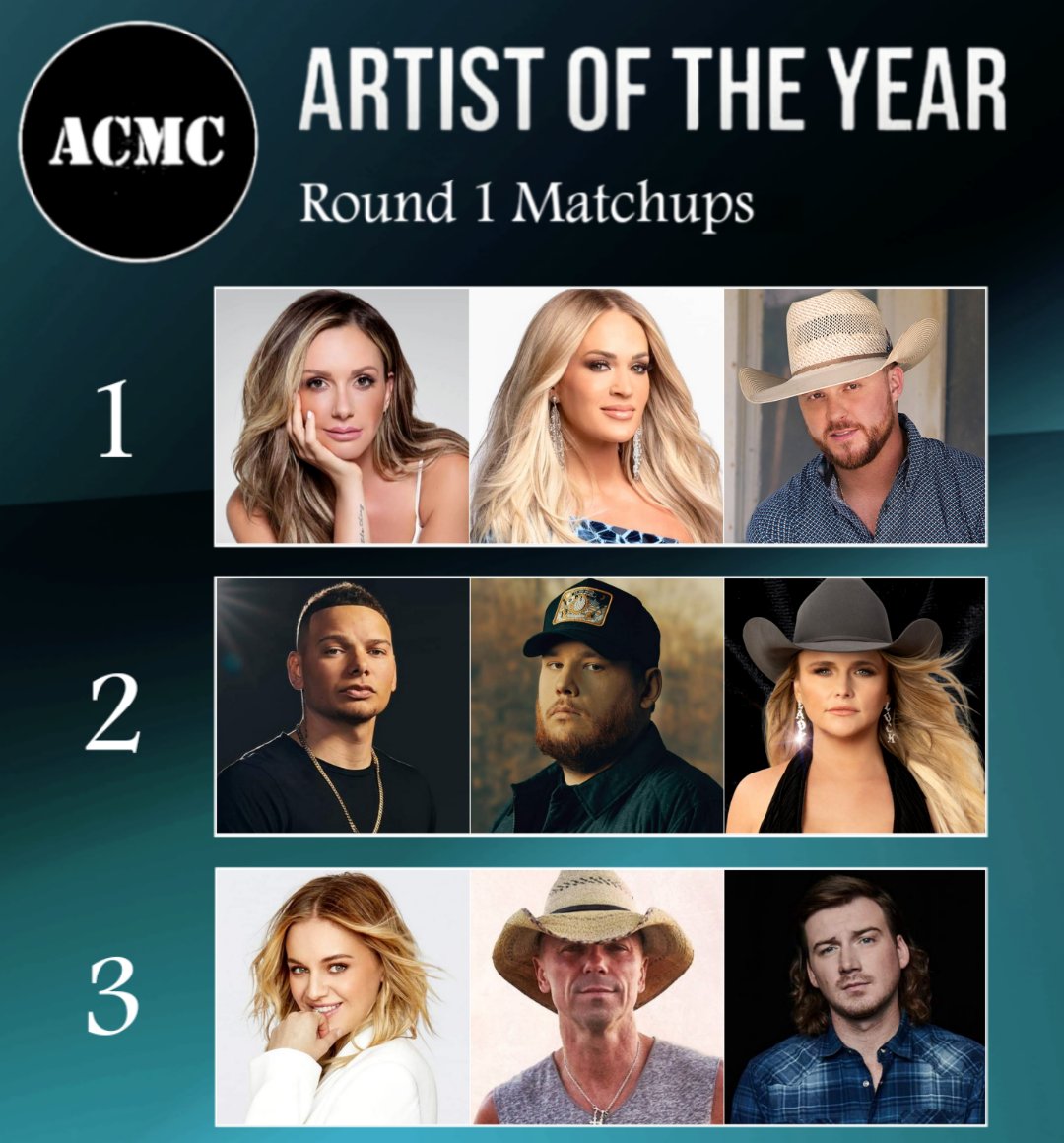
An American country music artist is a performer whose creative output is rooted in the traditional folk, gospel, and blues styles of the Southern and Western United States. Defined by narrative-driven songwriting, specific instrumentation—such as the pedal steel guitar and fiddle—and a distinct vocal delivery, these artists interpret the cultural experience of the American working class.
The definition of a country music artist has remained one of the most debated topics in the American entertainment industry for over a century. From the initial "hillbilly music" recordings of the 1920s to the global streaming phenomenon of 2026, the boundaries of the genre have shifted significantly. To define an American country music artist today requires an analysis of their musical heritage, their technical approach to instrumentation, and their adherence to a specific storytelling tradition that prioritizes "three chords and the truth."
The Pillars of Identity: What Makes an Artist "Country"?
At its core, being an American country music artist is not merely about a choice of genre; it is about an alignment with a specific set of cultural markers. While the sound has evolved from the acoustic porch-pickings of the Appalachian Mountains to the high-production stadium anthems of the current decade, several foundational pillars remain constant.
Narrative-Driven Songwriting
The primary differentiator for a country artist is the emphasis on lyrics. Unlike pop music, which may prioritize melody and rhythm, or jazz, which prioritizes improvisation, country music is a literary genre. The artist is often viewed as a storyteller or a "poet of the common man." Themes typically involve the complexities of rural or blue-collar life, including heartbreak, faith, family, manual labor, and national pride. In 2026, even as electronic elements have entered the production booth, the artist's ability to convey a relatable, linear narrative remains the litmus test for authenticity.
Technical Instrumentation
While an artist's voice is their primary tool, the arrangement that surrounds them defines their genre classification. A country artist is traditionally accompanied by:
- The Fiddle: A rhythmic and melodic staple derived from Scotch-Irish folk traditions.
- The Steel Guitar: Specifically the pedal steel, which provides the "crying" sound synonymous with honky-tonk and Nashville production.
- The Banjo and Mandolin: Instruments that root the artist in bluegrass and old-time traditions.
- The Acoustic Guitar: The foundational rhythm instrument for almost every country songwriter.
Vocal Delivery and "Twang"
The vocal performance of an American country music artist often features regional dialects and specific technical maneuvers like the "break" (a sudden shift to falsetto) or "twang" (nasal resonance). These are not merely accents but are deliberate stylistic choices that signal the artist’s connection to the genre's Southern and Western roots.
Historical Evolution of the Country Artist Profile
The definition of the artist has morphed through several distinct eras, each adding a new layer to the contemporary meaning of the term.
The Pioneers (1920s–1940s)
The earliest definition was established by figures like Jimmie Rodgers and The Carter Family. During this era, a country artist was essentially a preservationist of folk music. Jimmie Rodgers, known as the "Father of Country Music," introduced the "Blue Yodel," which blended African American blues with Swiss yodeling, creating a template for the solo country star.
The Honky-Tonk and Nashville Sound (1950s–1960s)
By the mid-20th century, the definition shifted toward the "Honky-Tonk" hero, epitomized by Hank Williams. These artists moved country music into bars and dance halls, incorporating electric guitars and drums. Simultaneously, the "Nashville Sound" emerged, refining the artist's image with lush string arrangements and background vocals to appeal to a broader, more urban audience. This era established the Grand Ole Opry as the ultimate arbiter of who was considered a "true" country artist.
The Outlaw Movement and Americana (1970s–1990s)
In the 1970s, artists like Waylon Jennings and Willie Nelson redefined the country artist as a rebel. They fought for creative control, moving away from the polished Nashville system. This "Outlaw" identity remains a major sub-set of the definition today. In the 1990s, the "Class of '89" (Garth Brooks, Alan Jackson) blended country storytelling with rock-and-roll staging, setting the stage for the massive commercial scale seen in the 2020s.
The Modern Definition in 2026: A Broadening Spectrum
As of 2026, the definition of an American country music artist is more inclusive and stylistically diverse than ever before. The "Big Tent" philosophy now dominates the industry, acknowledging that the genre must evolve to survive.
The Rise of the Crossover Artist
In recent years, the industry has seen a surge in "genre-fluid" artists. Performers who started in pop, R&B, or rock have successfully transitioned into the country space by adopting the genre's narrative structures. This has led to intense debate within organizations like the Country Music Association (CMA) regarding eligibility for awards and chart placement. To be defined as a country artist in 2026, the industry generally looks for "primary intent"—does the artist promote their work to country radio and engage with the specific cultural festivals (like Stagecoach or CMA Fest) that define the community?
Authenticity vs. Commercialism
A recurring theme in defining the artist is the concept of "authenticity." Traditionalists argue that an artist must have a biographical connection to the rural South or West. However, the modern definition focuses more on "thematic authenticity." An artist from a suburban or urban background can be defined as a country artist if their work accurately reflects the values and musical tropes of the genre.
Comparing Artistic Styles within the Genre
To better understand how different types of artists fit under the country umbrella, it is helpful to compare the two dominant schools of thought present in 2026.
| Attribute | Traditionalist Country Artist | Contemporary/Pop-Country Artist |
|---|---|---|
| Primary Influence | Bluegrass, Western Swing, Honky-Tonk | 90s Country, Pop, Classic Rock, Hip-Hop |
| Core Instruments | Fiddle, Banjo, Steel Guitar | Electric Guitar, Synthesizers, Programmed Drums |
| Vocal Style | Heavy twang, literal regional dialect | Melodic, polished, often uses subtle pitch correction |
| Lyrical Focus | Hardship, agricultural life, heritage | Lifestyle, nostalgia, partying, modern romance |
| Fashion | Cowboy hats, denim, Western shirts | High-fashion streetwear, "Modern Cowboy" aesthetics |
| Distribution | Independent labels, Americana radio | Major Nashville labels, Top 40 Crossover radio |
Industry Standards and Recognition
The formal definition of an American country music artist is often managed by several key institutions. These organizations set the criteria for what constitutes "Country" for the purposes of awards, charts, and historical archives.
- The Grand Ole Opry: Membership in the Opry is perhaps the highest definition of a country artist. It requires a commitment to the "family" of country music and regular performances on its historic stage.
- The Country Music Hall of Fame: This institution defines the artist through the lens of historical contribution. To be included, an artist must have influenced the direction of the genre over a multi-decade career.
- The Recording Academy (Grammys): The Academy utilizes a "Genre Committee" to determine if a submitted work is "Country." They look for a preponderance of country-specific instrumentation and lyrical themes.
- Billboard and Luminate: These organizations define the artist based on consumption. If an artist's music is predominantly played on country-formatted radio stations and sold in country-specific categories, they are defined as such by the data.
Geographical and Cultural Boundaries
While "American" is in the title, the definition of the artist is no longer strictly bound by U.S. borders, though the style remains distinctly American. An artist from Canada or Australia can be a "country music artist," but they are almost always evaluated against the American standard established in Nashville, Tennessee, and Austin, Texas.
The "American" part of the definition refers to the American Experience. The music is an outgrowth of the U.S. melting pot—merging the instruments of European immigrants with the rhythms and soulful expressions of enslaved African Americans. Therefore, an American country music artist is a custodian of this specific, complicated, and deeply rooted cultural history.
Common Misconceptions in Defining the Artist
To accurately define the subject, one must also address what a country artist is not.
- It is not just about the hat: While Western wear is a common trope, many legendary country artists (such as Marty Stuart or modern Outlaw performers) do not wear traditional cowboy hats. The attire is a cultural signal, not a requirement.
- It is not just about "Southern" identity: While the South is the cradle of the genre, the "Western" in "Country & Western" is equally important. Artists from California (The Bakersfield Sound) and the Midwest have been just as pivotal in defining the genre.
- It is not defined by simple music: A common critique is that country music is "simple." In reality, the technical proficiency required for bluegrass picking or pedal steel manipulation is among the highest in the music world.
Frequently Asked Questions
Can a pop star become a country artist?
Yes, provided they demonstrate a sustained commitment to the genre's conventions. In the 2020s, several high-profile artists shifted genres. The industry usually accepts these transitions if the artist records in Nashville, uses country-specific session musicians, and focuses on narrative storytelling.
What is the "Three Chords and the Truth" rule?
This phrase, coined by songwriter Harlan Howard, is the unofficial definition of a country artist's work. It suggests that the technical complexity of the music (the chords) is less important than the emotional honesty (the truth) of the performance.
Is there a difference between a "Country" artist and an "Americana" artist?
While the two overlap, "Country" artists generally operate within the mainstream Nashville industry and aim for radio play. "Americana" artists tend to prioritize traditional acoustic sounds and avoid the polished production of modern country radio. However, both fall under the broad definition of an American country music artist.
Why is the pedal steel guitar so important to the definition?
The pedal steel is unique to country music. While other instruments like the guitar or drums are used in almost all genres, the pedal steel's specific portamento (sliding) sound is the most immediate sonic signifier that a performer is a country artist.
How has streaming changed who is defined as a country artist?
Streaming has allowed "alt-country" and independent artists to gain massive followings without Nashville's "gatekeepers." As a result, the definition has shifted away from "who has a record deal" to "who the audience identifies as country."
Future Directions: The Artist in 2027 and Beyond
As we move past 2026, the definition of the American country music artist will likely continue to expand. The influence of global sounds and the increasing diversity of the artists themselves are bringing new perspectives to the "truth" being told in the songs. However, as long as the music maintains its core focus on the lived experience of the American people and utilizes the foundational sounds of its ancestors, the identity of the country artist will remain distinct.
The next generation of artists is already blending the boundaries between rural tradition and urban innovation. Whether they are performing in a small club in East Nashville or headlining a stadium in Las Vegas, they are defined by their ability to make the listener feel a sense of home, history, and shared humanity.
Practical Action: For those looking to further explore this definition, attending a performance at the Grand Ole Opry or visiting the Country Music Hall of Fame and Museum provides a tangible look at the evolution of these artists. Observing the shift from early artifacts to modern digital displays helps solidify the understanding of how "country" is both a legacy and a living, breathing movement.