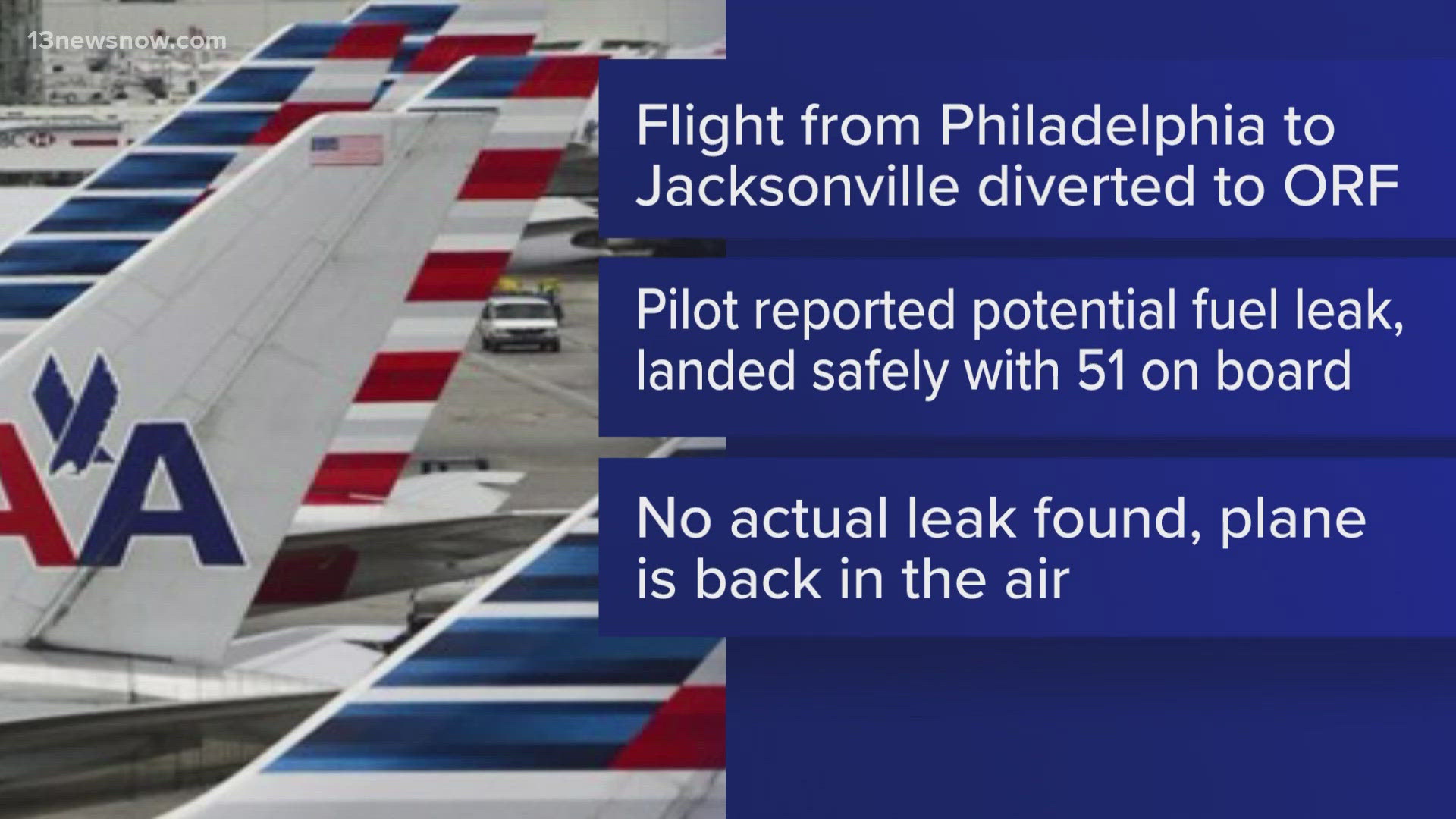
An American Airlines flight diversion text is an automated SMS notification sent to passengers when a flight is rerouted to an airport other than its intended destination. This alert typically provides the diverted location, the reason for the change—such as weather or mechanical issues—and instructions to monitor the American Airlines mobile app for updated rebooking details or gate information.
Receiving a notification that your flight has been diverted can be a stressful experience, especially when you are mid-air or waiting for a connecting flight. As of 2026, airline communication systems have become more integrated, but the core function of the flight diversion text remains the same: to provide immediate, actionable information to passengers during a disruption. Understanding why these texts are sent, what your rights are as a passenger, and how to navigate the logistical challenges of a diversion is essential for any traveler.
The Anatomy of an American Airlines Flight Diversion Notification
When a flight plan changes significantly, American Airlines triggers an automated alert through its BeNotified system. This system is designed to keep passengers informed via text, email, or app push notifications, depending on the preferences set in the passenger's AAdvantage profile or during the check-in process.
What the Text Typically Contains
A standard diversion text from American Airlines is concise due to the limitations of SMS protocols. It generally includes:
- The Flight Number: Identifying which leg of the journey is affected.
- The New Destination: The airport where the aircraft is currently heading (e.g., "Diverting to PHX").
- The Estimated Time of Arrival (ETA): When the plane is expected to touch down at the diversion airport.
- A Call to Action: Usually a link to the American Airlines mobile app or a prompt to "Check flight status for more details."
Why the Text Might Appear Vague
Passengers often feel frustrated by the lack of detail in these initial messages. The brevity is intentional. In the early stages of a diversion, the cockpit crew and dispatchers are focused on safety and logistics. The automated system pulls data from the flight management computer; if a specific reason (like a "medical emergency" or "equipment swap") has not yet been codified into the system, the text may only state that a "schedule change" has occurred.
Common Reasons for Flight Diversions in 2026
While technology in 2026 has improved predictive maintenance and weather forecasting, diversions remain a necessary safety tool in aviation. American Airlines categorizes diversions into two main buckets: controllable and uncontrollable.
Weather and Atmospheric Conditions
Weather remains the primary cause of diversions. If a destination airport experiences heavy fog, severe thunderstorms, or high crosswinds that exceed the aircraft’s or the pilot’s landing limits, the flight must divert to an "alternate" airport listed in the flight plan. Air Traffic Control (ATC) may also mandate diversions if a specific corridor of airspace becomes overcrowded or dangerous due to shifting weather patterns.
Mechanical and Technical Issues
A "controllable" diversion often stems from a mechanical failure. Even minor issues, such as a faulty indicator light or a non-essential system failure, may prompt a diversion if the flight crew determines that landing at a nearby hub is safer or more efficient for repairs. American Airlines prefers to divert to its own hubs (like DFW, CLT, or ORD) where they have a larger footprint of mechanics and spare parts.
Medical Emergencies
If a passenger or crew member suffers a life-threatening medical event, the pilot will coordinate with ground-based medical consultants (such as MedAire) to determine if a diversion is necessary. These diversions are prioritized by ATC and usually result in the aircraft landing at the nearest airport capable of handling the specific medical need.
Operational and Logistics Issues (Crew Timing)
The Federal Aviation Administration (FAA) enforces strict "Duty Time" regulations. If a flight is delayed on the tarmac or held in a pattern for too long, the crew may "time out," meaning they are legally prohibited from continuing the flight. In these cases, the plane may divert to a city where a fresh crew can take over, or where passengers can be housed overnight.
Passenger Rights and the Contract of Carriage
The legal relationship between a passenger and American Airlines is governed by the Contract of Carriage. This document outlines what the airline owes you when a diversion occurs. It is important to distinguish between diversions caused by the airline and those caused by external factors.
Controllable vs. Uncontrollable Events
The U.S. Department of Transportation (DOT) Airline Customer Service Dashboard provides a clear framework for what airlines must provide.
- Controllable Diversions (Mechanical, Crew Issues): If the diversion is American Airlines' fault, they are generally required to provide meal vouchers if the delay exceeds three hours and hotel accommodations if the delay extends overnight at an airport away from your home.
- Uncontrollable Diversions (Weather, ATC, Medical): For these events, the airline is not legally required to provide hotels or meals, though they often assist passengers in finding "distressed traveler" rates at local hotels.
The Right to a Refund
As of 2026, DOT regulations state that if a diversion results in a "significant change" to your arrival time (typically 3 hours for domestic and 6 hours for international) and you choose not to travel on the revised itinerary, you are entitled to a full refund to your original form of payment, not just a travel credit. This applies even if the diversion was caused by weather.
Immediate Steps to Take After Receiving a Diversion Text
When that text hits your phone, your window for securing the best rebooking options is often small. Follow these steps to manage the situation effectively:
1. Prioritize the Mobile App
The American Airlines app is often updated faster than the gate agents receive information. If the diversion requires a rebooking, the app will frequently present you with "Suggested Flights." Review these immediately. If you wait until you land at the diversion airport to speak to a representative, you may find that the next available seats on other flights have already been taken by passengers who used the app while still on the tarmac.
2. Communicate with Your Final Destination Contacts
A diversion text is your cue to notify car rental agencies, hotels, or family members at your final destination. Most car rental companies will hold a vehicle if you provide a diverted flight number, but proactive communication prevents your reservation from being marked as a "no-show."
3. Seek the "Customer Service Hub"
In many diversion scenarios, the aircraft may land at an airport where American Airlines has limited staff. If you are diverted to a small regional airport, the "text" you received may be your only link to help. If there is no AA desk, use the "Chat" feature in the app or call the AAdvantage elite lines if you have status.
4. Document Everything
Keep a screenshot of the diversion text and any subsequent updates. If you end up spending money on a hotel or Uber because of a controllable diversion, you will need this documentation to file a claim for reimbursement via the American Airlines Customer Relations portal.
Comparison of Diversion Scenarios and Outcomes
The following table outlines how different types of diversions impact passenger experience and airline responsibility.
| Diversion Cause | Classification | Meal/Hotel Vouchers | Rebooking Priority | Refund Eligibility |
|---|---|---|---|---|
| Severe Weather | Uncontrollable | No (Policy dependent) | High | If delay > 3-6 hours |
| Mechanical Failure | Controllable | Yes | Highest | If delay > 3 hours |
| Medical Emergency | Uncontrollable | No | High | Case-by-case |
| Crew "Timed Out" | Controllable | Yes | High | If delay > 3 hours |
| ATC Ground Stop | Uncontrollable | No | Standard | If delay > 3-6 hours |
Troubleshooting Notification Issues
Many passengers complain that they never received the "American Airlines flight diversion text" despite the flight being rerouted. This usually happens for one of three reasons:
- Incomplete Profile Data: If you booked through a third-party site (like Expedia or Priceline), your phone number might not have been transferred to the AA manifest. Always ensure your contact info is updated directly on AA.com using your Record Locator.
- International Roaming Issues: If you are on an international flight, SMS delivery can be delayed or blocked by local carriers. Connecting to the aircraft's Wi-Fi (even the free tier often allows for AA app usage) is a more reliable way to receive alerts.
- Notification Settings: Ensure that "Flight Alerts" are toggled ON in the American Airlines app settings. If you have "Do Not Disturb" active on your phone, you may miss the vibration or sound of the incoming text.
Advanced Strategies: Beyond the Text
For frequent flyers, a diversion text is the start of a "recovery phase." If the text indicates a long delay, consider these advanced moves:
- Check Nearby Airports: If you are diverted to Newark (EWR) but your destination was Philadelphia (PHL), it might be faster to take a train or a car than to wait for the diverted plane to take off again. American Airlines can sometimes "short-check" your bags or allow you to end your journey at the diversion point, though this usually requires agent intervention.
- Leverage Credit Card Insurance: Many premium travel cards (like the Chase Sapphire Reserve or Amex Platinum) offer trip delay insurance. If the diversion text confirms a delay of 6+ hours, your credit card may cover up to $500 in expenses that the airline refuses to pay, such as high-end meals or a specific hotel.
- Use Flight Tracking Software: Tools like FlightRadar24 or FlightAware can show you exactly where your plane is and what the "inbound" flight for your diverted aircraft is doing. This gives you a more realistic timeline than the automated text might provide.
FAQ: American Airlines Diversion Texts
What should I do if the text says my flight is diverted but the pilot hasn't announced it?
Stay calm and wait for the official announcement. Sometimes the automated system updates as soon as a new flight plan is filed with the FAA, even before the pilots have had a chance to brief the passengers. The pilots will always have the most current information regarding safety and the specific reason for the move.
Can I get my luggage if the text says we are staying overnight at the diversion airport?
In most cases, no. If the diversion is expected to be resolved with the same aircraft, the luggage stays in the hold. However, if the flight is canceled and you are rebooked for the next day, you can request that an agent "retrieve" your bag, though this can take several hours depending on the airport's staffing.
Does the text mean my flight is canceled?
Not necessarily. A diversion means the flight is going to a different airport. Once there, the plane may refuel and continue to the original destination, or it may be "terminated." The text will usually be followed by a second message if the flight status changes from "Diverted" to "Canceled."
If I receive a diversion text, should I call American Airlines immediately?
While you can, the phone lines are likely to be overwhelmed. Your first action should be using the "Rebook" or "Chat" feature in the AA mobile app. This is the fastest way to see available seats without waiting on hold for an hour.
Will American Airlines pay for an Uber from the diversion airport to my destination?
If the diversion is controllable (mechanical) and the diversion airport is relatively close to your destination (e.g., diverting to Dulles instead of Reagan National), they may provide a voucher for ground transportation. If the diversion is weather-related, ground transport is typically the passenger's responsibility.
Practical Recommendation for Travelers
If you receive an American Airlines flight diversion text, do not delete it. This message serves as a time-stamped piece of evidence of a service disruption. Your immediate next action should be to open the American Airlines mobile app and navigate to the "Flight Status" page. If the app offers a "self-service rebooking" option, take a moment to evaluate the choices before the rest of the passengers on your flight do the same. If you are an AAdvantage status holder, use the dedicated phone line provided in the app to speak to a representative who can look at "protected" seats on partner airlines like Alaska or JetBlue, which might not show up in the standard automated rebooking tool.