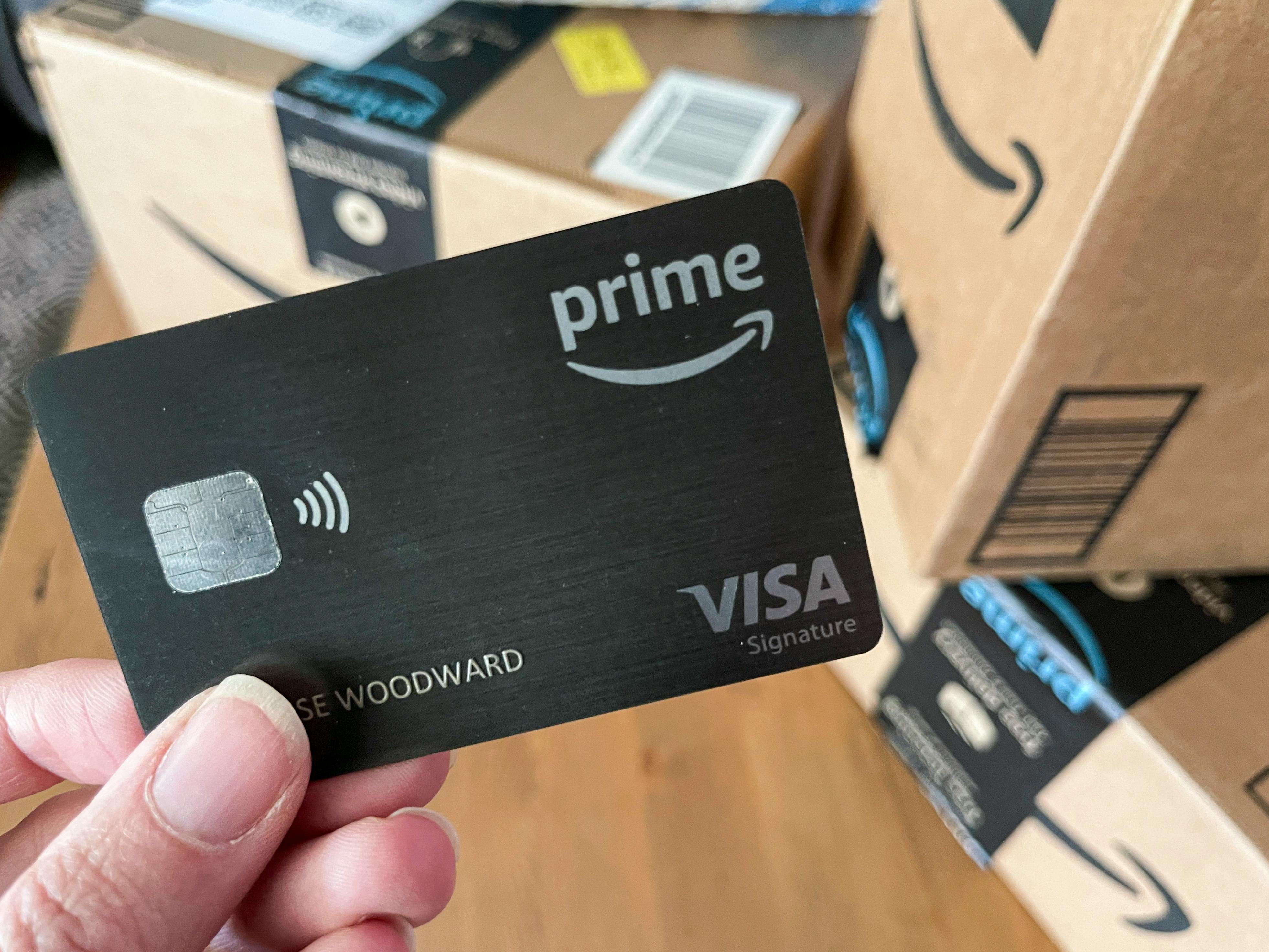
The Amazon Visa card rewards program remains one of the most lucrative and flexible loyalty systems for frequent online shoppers and grocery buyers. As of 2026, the program offers tiered cash-back structures ranging from 1% to 5% back on purchases, primarily facilitated through a partnership between Amazon and Chase Bank. These rewards are earned as points that can be redeemed instantly at checkout or managed through the Chase mobile app for cash back and travel.
Navigating the landscape of credit card rewards requires a clear understanding of how different card tiers interact with Amazon Prime memberships. Whether you are a casual shopper or a power user who utilizes Amazon Fresh and Whole Foods Market for all household needs, the Amazon Visa ecosystem provides a streamlined way to recapture significant value from your everyday spending.
Understanding the Two Tiers: Prime Visa vs. Amazon Visa
Before diving into the specific reward percentages, it is critical to distinguish between the two primary versions of the card available in 2026. While both are issued by Chase and carry the Visa Signature or Visa Platinum branding, their reward potential is tied directly to the cardholder's Amazon Prime status.
The Prime Visa
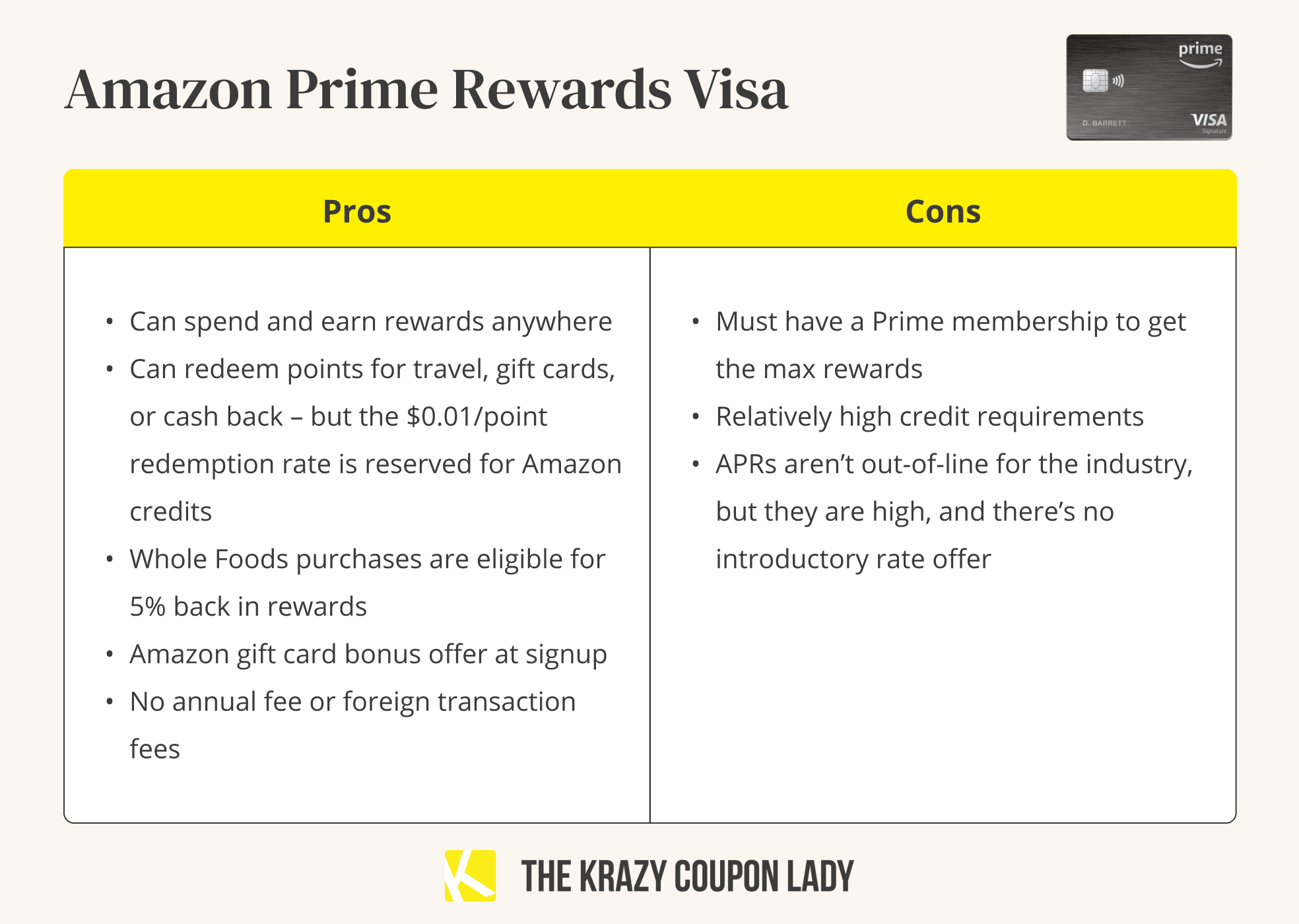
The Prime Visa is the flagship offering for those with a paid Amazon Prime membership. This card offers the highest earning potential, specifically targeting those who consolidate their spending within the Amazon ecosystem. In 2026, the hallmark feature remains the 5% back on Amazon.com, Whole Foods Market, and Amazon Fresh purchases. There is no annual credit card fee, though the cost of the Prime membership itself is a prerequisite for maintaining this tier.
The Amazon Visa
For those who do not have a Prime membership, the standard Amazon Visa (formerly often referred to as the Amazon Rewards Visa Signature Card) provides a scaled-down rewards structure. While it still offers significant value compared to many entry-level cash-back cards, the top-tier earning rate is reduced to 3% back on Amazon and Whole Foods purchases. If a cardholder cancels their Prime membership, their Prime Visa is typically transitioned to this standard version.
The 2026 Reward Earning Structure
The earning mechanics of these cards are designed to reward loyalty across specific categories. The points you earn are calculated based on the net purchase amount (purchases minus returns or credits).
5% Back Categories (Prime Members Only)
For Prime Visa cardholders, the 5% back rate applies to:
- Amazon.com: Includes digital downloads, Kindle books, and physical goods.
- Whole Foods Market: Applicable at physical store locations and online orders.
- Amazon Fresh: Covers both in-store and delivery services.
- Chase Travel: A significant addition in recent years, allowing cardholders to earn 5% back on flights, hotels, and car rentals booked specifically through the Chase Travel portal.
2% Back Categories
Both Prime and non-Prime cardholders generally enjoy 2% back on "lifestyle" categories. These are designed to make the card a viable "everyday" carry option rather than just a card for online shopping.
- Restaurants: Includes fine dining, cafes, and fast food.
- Gas Stations: Covers fuel and most convenience store purchases at the pump.
- Drugstores: Valid at major chains and local pharmacies for prescriptions and sundries.
- Local Transit and Commuting: This includes rideshare services, buses, and trains (terms may vary based on specific merchant codes).
1% Back on All Other Purchases
Any transaction that does not fall into the categories above earns a baseline of 1% back. This ensures that every dollar spent on the card generates some level of return, regardless of the merchant.
How Points Are Calculated and Managed
The Amazon Visa rewards system operates on a point-per-dollar basis. For every penny spent, you earn a fraction of a point, which is then rounded.
- 100 points = $1.00 in value.
- 5% back equals 5 points for every $1 spent.
- 2% back equals 2 points for every $1 spent.
- 1% back equals 1 point for every $1 spent.
One of the most praised updates to the system, which has become standard by 2026, is the Daily Rewards feature. Unlike older credit card models where you had to wait for your monthly statement to close to access your points, Chase now makes rewards available for use as soon as the transaction posts to your account. This real-time availability allows for immediate redemption on subsequent purchases.
| Feature | Prime Visa (2026) | Amazon Visa (2026) |
|---|---|---|
| Annual Fee | $0 (Requires Prime Membership) | $0 |
| Amazon & Whole Foods | 5% Back | 3% Back |
| Chase Travel Portal | 5% Back | 3% Back |
| Restaurants & Gas | 2% Back | 2% Back |
| Drugstores & Transit | 2% Back | 2% Back |
| All Other Purchases | 1% Back | 1% Back |
| Foreign Trans. Fees | None | None |
Redemption Strategies: How to Use Your Points
The versatility of Amazon Visa rewards is a major selling point. However, not all redemption methods are created equal in terms of financial efficiency.
1. Shop with Points at Amazon.com
The most convenient method is using your points directly during the Amazon checkout process. You can apply your points balance to cover all or part of your order. While convenient, there is a technical "opportunity cost" to this method: when you pay with points, you do not earn the 5% back on that specific transaction.
2. Cash Back and Statement Credits
Through the Chase Online portal or the Chase mobile app, cardholders can redeem points for a statement credit or a direct deposit into a linked checking or savings account. This is often the most recommended strategy because it allows you to pay for your Amazon purchases with the card (earning 5% back) and then use the points to "pay yourself back" later.
3. Gift Cards and Travel
Points can be redeemed for gift cards from hundreds of popular brands or used to book travel through the Chase Travel center. Generally, the value remains consistent at 1 cent per point, but occasional promotions may offer slightly better or worse value for specific gift card partners.
Prerequisites and Eligibility Requirements
To access these rewards, applicants must meet specific financial and membership criteria. Because the card is issued by Chase, it is subject to their internal underwriting standards.
- Credit Score: Generally, a "Good" to "Excellent" credit score is required for approval. In 2026, this typically means a FICO score of 670 or higher, though individual results vary based on income and existing debt-to-income ratios.
- Amazon Account: You must have a valid Amazon account in good standing.
- The "5/24" Rule: While not an official policy, Chase is known to decline applicants who have opened five or more credit cards from any issuer within the past 24 months. If you are planning to apply for the Amazon Visa, ensure you are within these limits.
- Prime Membership Verification: For the 5% tier, your card must be linked to a Prime account. If you are a member of an Amazon Household, ensure the card is linked to the primary member to avoid earning discrepancies.
Expert Comparison: Amazon Visa vs. Competitors
In 2026, the credit card market is highly competitive. How does the Amazon Visa hold up against other popular cash-back cards?
When compared to the American Express Blue Cash Preferred, the Amazon Visa wins on simplicity and the lack of an annual fee. While the Amex card may offer 6% back at U.S. supermarkets (on up to $6,000 per year), it carries an annual fee that eats into the net rewards. The Amazon Visa, conversely, has no cap on the 5% back earned at Whole Foods and Amazon.
Against a flat-rate card like the Wells Fargo Active Cash (which offers 2% back on everything), the Amazon Visa is superior for the "Amazon loyalist" but less effective for someone who shops at a variety of different retailers like Target, Walmart, or local boutiques where the Amazon card would only earn 1%.
Common Pitfalls and How to Avoid Them
Even the best reward programs have nuances that can lead to missed earnings or unnecessary costs.
- Promotional Financing vs. Rewards: Amazon often offers "0% Promo Financing" on large purchases (e.g., a $1,200 laptop). It is crucial to note that you cannot earn the 5% back and use the 0% interest financing simultaneously. You must choose one or the other at checkout. For those who can pay the balance in full, taking the 5% back is almost always the better financial move.
- The "Points at Checkout" Trap: As mentioned earlier, using points to pay for an order means you don't earn points on that order. If you spend $100 in points, you "lose" the $5 in rewards you would have earned by paying with the card and then using a statement credit.
- International Usage: While the card has no foreign transaction fees (making it great for travel), the 2% and 5% categories may not always trigger correctly at international merchants depending on how they are coded by the local bank.
Frequently Asked Questions
Do Amazon Visa reward points expire?
No, as long as your account remains open and active, your points do not expire. If the account is closed due to inactivity or delinquency, you will typically lose any unredeemed points. It is best to redeem points regularly to ensure their value is realized.
Can I use my rewards if I cancel my Prime membership?
Yes, but your earning rate will change. If you cancel Prime, your card will automatically revert to the 3% back tier for Amazon and Whole Foods purchases. Any points you previously earned are still yours to use, but future earnings will be at the lower rate.
How do I see my rewards balance?
You can view your balance in three places: the "Your Payments" section of your Amazon account, the Chase Mobile App, or your monthly billing statement. The most accurate, real-time balance is found in the Chase app.
Is there a limit to how much cash back I can earn?
There is currently no cap on the amount of rewards you can earn in any category. Whether you spend $1,000 or $100,000 a year at Amazon, you will continue to earn the designated percentage back on every eligible purchase.
Can I transfer Amazon points to Chase Ultimate Rewards?
No. Despite being a Chase-issued card, the Amazon Visa points are separate from the "Ultimate Rewards" (UR) ecosystem used by the Sapphire and Freedom cards. You cannot "pool" Amazon points with UR points to transfer to airline or hotel partners like United or Hyatt.
Final Recommendation: Is it Worth It?
The Amazon Visa rewards program is an essential tool for any household that spends more than $2,000 annually at Amazon or its subsidiaries. In 2026, the inclusion of 5% back on Chase Travel and the instant availability of points via Daily Rewards have solidified its position as a market leader.
Next Action: If you are already a Prime member and do not have this card, check your "Specially for You" offers on the Amazon homepage. Often, Amazon provides an immediate gift card (ranging from $50 to $200) upon approval, which provides instant value before you even make your first purchase. If you are not a Prime member, evaluate your annual spending; if you spend heavily at drugstores and gas stations, the 2% categories still make this a strong "no-annual-fee" contender for your wallet.
For more information on managing your credit and understanding consumer rights, you can visit the Consumer Financial Protection Bureau (CFPB).