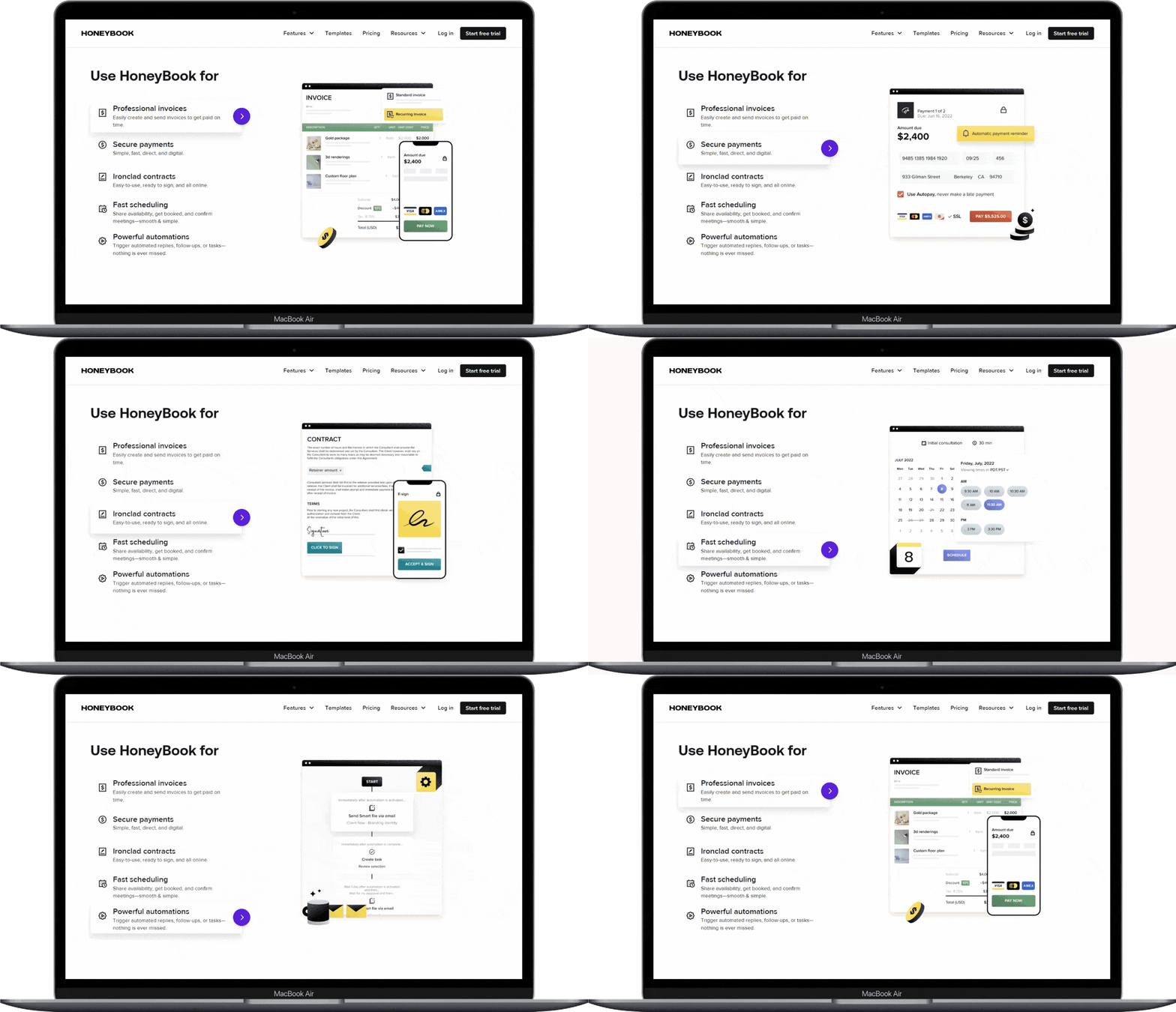
Creative professionals seeking alternatives to HoneyBook in 2026 should prioritize platforms that align with their specific workflow complexity and client experience goals. Top-tier competitors like Dubsado offer deeper automation, while Bonsai provides a more streamlined, finance-focused interface. For industry-specific needs, specialized tools like Tave or Sprout Studio remain superior for high-volume photography and event-based businesses.
Understanding the Shift in Creative CRM Requirements
As we navigate 2026, the landscape for Client Relationship Management (CRM) tools has evolved beyond simple invoice generation. For the modern photographer, graphic designer, or consultant, a CRM must function as the central nervous system of their business. While HoneyBook remains a dominant force due to its user-friendly interface and integrated payment processing, many professionals find themselves outgrowing its standardized templates or seeking more robust automation capabilities.
The primary drivers for switching from HoneyBook often include the need for more complex "if/then" workflow logic, better multi-brand management, or a desire for a more customizable client portal that reflects a unique brand identity without the platform’s native branding. Furthermore, as international business becomes more standard, the demand for multi-currency support and advanced tax localization—areas where HoneyBook has historically faced limitations—has pushed many creatives toward more flexible alternatives.
Dubsado: The Leader in Advanced Workflow Automation
Dubsado has long been considered the most powerful alternative for creatives who require granular control over their client journey. Unlike more rigid systems, Dubsado allows for the creation of intricate, automated workflows that can handle everything from lead capture to final offboarding without manual intervention.
Customization and Brand Identity
One of Dubsado’s strongest selling points in 2026 is its "white-label" capability. While HoneyBook has made strides in branding, Dubsado allows users to map their own domain to the client portal and forms. This ensures that the client never sees a third-party URL, maintaining a high-end, professional image. For designers and high-ticket consultants, this level of brand continuity is often non-negotiable.
Logic-Based Workflows
The "Workflow" engine in Dubsado utilizes sophisticated triggers. For instance, you can set a workflow to send a specific questionnaire only after a contract is signed and a deposit is paid. If the deposit isn't paid within three days, the system can automatically send a follow-up reminder. This level of conditional logic reduces administrative overhead significantly compared to platforms that require manual approval for each step.
Learning Curve and Implementation
The trade-off for this power is a steeper learning curve. Setting up Dubsado requires a strategic approach to business processes. Many professionals in 2026 opt for "Dubsado Specialists" to build their initial systems, highlighting that while the tool is powerful, it is not as "plug-and-play" as HoneyBook. However, once the infrastructure is built, the time savings are unparalleled.
Bonsai: Streamlined Efficiency for Modern Freelancers
Bonsai (formerly Hello Bonsai) has positioned itself as the premier "all-in-one" solution for freelancers who prioritize a clean aesthetic and financial integration. It is particularly effective for creative individuals who handle their own bookkeeping and taxes.
Integrated Financial Suite
What sets Bonsai apart in 2026 is its deep integration of banking and tax tools. While HoneyBook handles payments, Bonsai offers a dedicated business checking account, automated expense tracking, and estimated tax payments. For a solo creative, having the CRM and the bank account "talk" to each other eliminates the need for third-party accounting software like QuickBooks in many cases.
Contract Management and Legal Protection
Bonsai’s contract templates are famously robust, often cited as being more legally nuanced than standard templates found elsewhere. They are vetted by lawyers and include clauses specifically tailored to creative services, such as intellectual property rights, kill fees, and revision limits. The platform’s ability to auto-populate these contracts based on the initial project proposal makes the transition from lead to active client incredibly fast.
User Experience (UX)
The interface is intentionally minimalist. For creatives who find HoneyBook’s dashboard cluttered or Dubsado’s settings overwhelming, Bonsai provides a "calm" workspace. This simplicity extends to the client side, where the proposal-to-payment flow is one of the smoothest in the industry, designed to reduce "friction" and increase conversion rates.
17hats: The Multi-Brand Powerhouse
For the "serial entrepreneur" or the creative professional managing multiple distinct businesses, 17hats remains a formidable alternative. It was one of the first platforms to master the "all-in-one" philosophy, and it continues to excel in managing diverse operational needs under one roof.
Multi-Brand Management
The standout feature of 17hats is the ease with which users can toggle between different brands. If you run a wedding photography business and a separate consulting firm for photographers, 17hats allows you to keep these entities completely separate while using a single login. Each brand maintains its own templates, calendars, and financial reporting.
Operational Depth
17hats goes deeper into the "back office" than many of its competitors. It includes features like time tracking, task management (to-do lists), and a robust life-calendar sync that helps prevent overbooking. In 2026, its "Marketplace" allows users to buy pre-built templates and workflows from industry experts, which helps bypass the initial setup struggle.
Specialized Alternatives: Tave and Sprout Studio
Generic CRMs sometimes fall short for specific niches like high-volume photography. This is where specialized platforms like Tave and Sprout Studio become essential alternatives.
Tave for High-End Studios
Tave is built on a "Job" centric model rather than a "Person" centric model. This is crucial for event professionals where one client might book multiple jobs over several years. Tave’s reporting is also the most sophisticated in the market, providing insights into lead sources, profit margins per shoot type, and booking trends that go far beyond basic income/expense tracking.
Sprout Studio: The Visual Specialist
Sprout Studio combines a CRM with an online gallery system. For photographers, this means the client doesn't just go to the portal to pay their bill; they also go there to view their photos. Integrating the creative output (the images) with the administrative input (the invoice) creates a cohesive "hub" for the client, which can justify a higher price point for the professional’s services.
Comparison of Top HoneyBook Alternatives in 2026
The following table compares the key functional areas of the leading alternatives to help you identify which platform aligns with your current business stage.
| Platform | Primary Target | Standout Feature | Learning Curve | 2026 Pricing (Est. Monthly) |
|---|---|---|---|---|
| Dubsado | High-automation studios | Logic-based workflows | High | $40 - $65 |
| Bonsai | Solo freelancers | Integrated banking/tax | Low | $25 - $50 |
| 17hats | Multi-brand owners | Brand toggling & lifecycles | Medium | $30 - $60 |
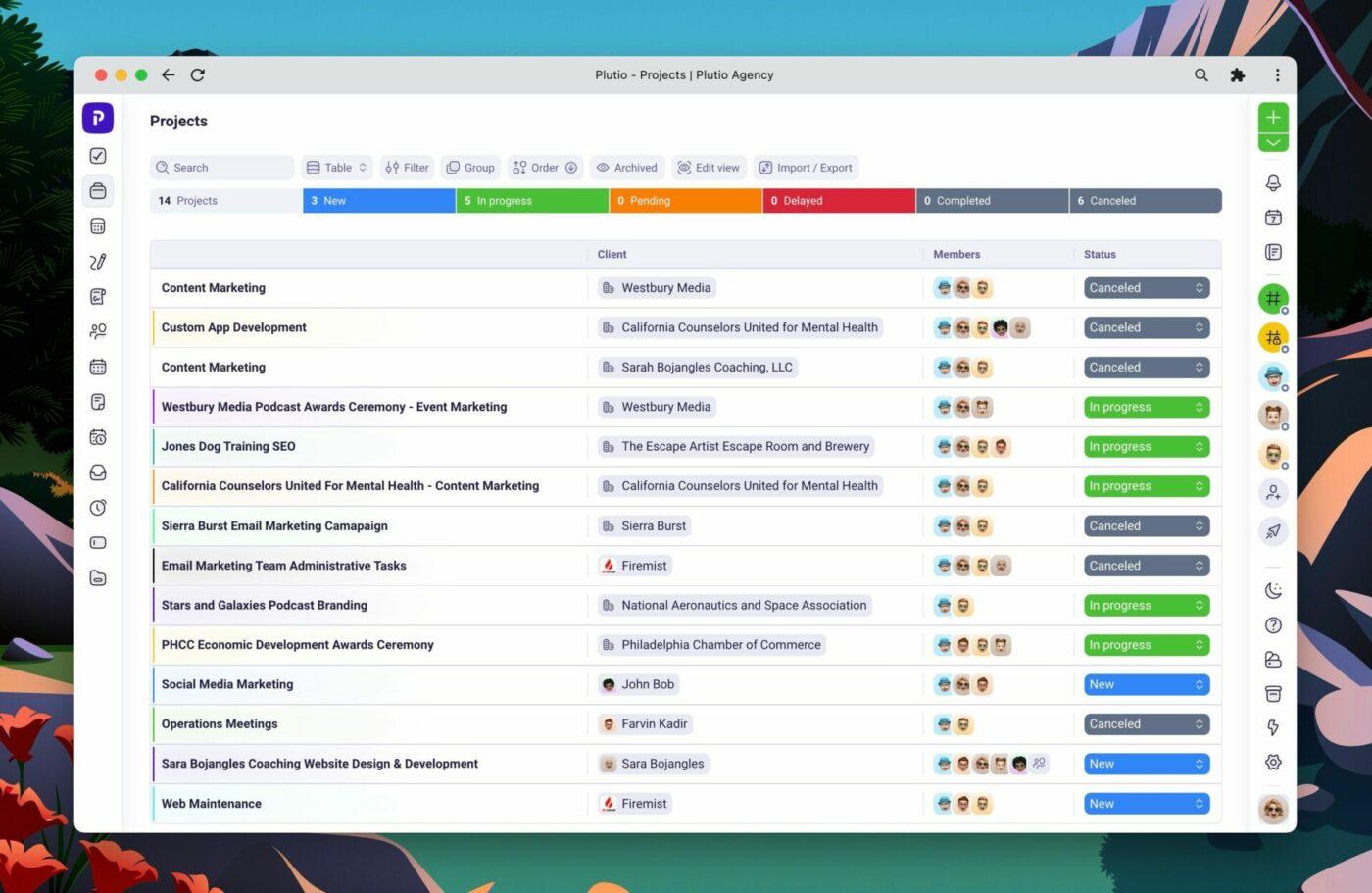
| Plutio | Agencies & PM-focused | Project management depth | Medium | $20 - $90 |
| Tave | Event photographers | Advanced data reporting | High | $35 - $75 |
| Bloom | Modern visual artists | Aesthetic modern UI | Low | $30 - $50 |
Technical Considerations When Switching
Transitioning from HoneyBook to a new CRM is a significant undertaking that requires careful planning to avoid data loss or client confusion.
Data Migration Strategies
Most top-tier alternatives in 2026 offer some form of white-glove migration service. When moving, you must decide what data is essential. Typically, active "Work in Progress" (WIP) should be moved first. Historic data (closed projects from previous years) is often better left in an export/archive format rather than being imported into the new system to keep the new database clean.
API and Integration Ecosystem
Before committing to an alternative, verify its integration capabilities. While HoneyBook has improved its internal features, tools like Dubsado and 17hats often rely on Zapier or Make to connect with external tools like Slack, Email Marketing platforms (Flodesk, ConvertKit), or advanced project management tools (Asana, Monday.com). Ensure the alternative supports the specific stack you use for your creative production.
Mobile Accessibility
For many creative professionals, the ability to manage leads on the go is vital. In 2026, mobile responsiveness is standard, but the depth of mobile apps varies. Dubsado, for instance, focuses on a mobile-responsive web experience rather than a native app, whereas Bonsai and 17hats offer dedicated apps that provide push notifications for new leads and payments.
Common Pitfalls in the Selection Process
Choosing a CRM is not just about the feature list; it is about the "fit" for your specific daily habits. A common mistake is choosing a tool that is "too powerful" for your current needs. If you are a solo practitioner who only manages five clients a month, the complex automation of Dubsado might become a burden rather than a benefit.
Conversely, "under-tooling" can be just as detrimental. If you plan to scale your agency to a team of five in the next year, a platform like Bonsai—which is heavily skewed toward solo users—might require another difficult migration in 12 months. Always choose the tool for the business you intend to have in two years, not just the business you have today.
Frequently Asked Questions
Which HoneyBook alternative is best for international users?
Dubsado and Plutio are generally considered superior for international professionals. Unlike HoneyBook, which has historically been optimized for US and Canadian markets, these platforms offer more robust multi-currency support, flexible tax configurations, and support for a wider variety of payment gateways beyond just Stripe or PayPal.
Can I migrate my existing HoneyBook contracts to these platforms?
Yes, but they will not automatically "convert." You will need to copy the text of your contracts into the new platform’s template system. Most alternatives allow you to create "Smart Fields" or "Tokens" (like {{Client_Name}} or {{Project_Date}}) so that the contracts remain dynamic and auto-populate for future clients.
Do any of these alternatives include built-in scheduling?
Most modern CRMs in 2026, including Dubsado, Bonsai, and 17hats, have built-in schedulers that eliminate the need for an external tool like Calendly. These schedulers are often superior because they can be linked directly to a workflow; for example, a client cannot book a "Strategy Session" until they have first paid the associated invoice.
Is there a free alternative to HoneyBook?
While fully-featured CRMs rarely offer a permanent free tier for unlimited clients, some platforms like Plutio or Bloom occasionally offer "Starter" tiers with limited active projects. However, for a professional creative business, the "free" versions of general project management tools like Trello or Notion can be rigged to act as a CRM, though they lack native invoicing and contract signing.
How does the pricing of these alternatives compare to HoneyBook in 2026?
HoneyBook has historically used a simplified pricing model. In 2026, alternatives like Dubsado and 17hats are priced similarly, generally ranging from $35 to $60 per month. Bonsai often sits at a slightly lower entry point for its basic tier but scales up as you add tax and banking features.
Strategic Recommendation
If your primary goal is to save time through automation and you are willing to invest 20–30 hours into the initial setup, Dubsado is the most logical choice. Its ability to handle complex workflows ensures that as your business grows, your administrative workload does not.
For those who want a beautiful, simple interface with integrated financial tools and "out-of-the-box" readiness, Bonsai is the superior alternative. It is the best fit for freelancers who want to spend less time "building their system" and more time doing their creative work.
Before making the switch, sign up for a trial of your top two choices. Use a "test client" (your own secondary email) to walk through the entire process from lead capture to payment. This "client-eye view" is often the most revealing factor in determining which platform will truly serve your business.