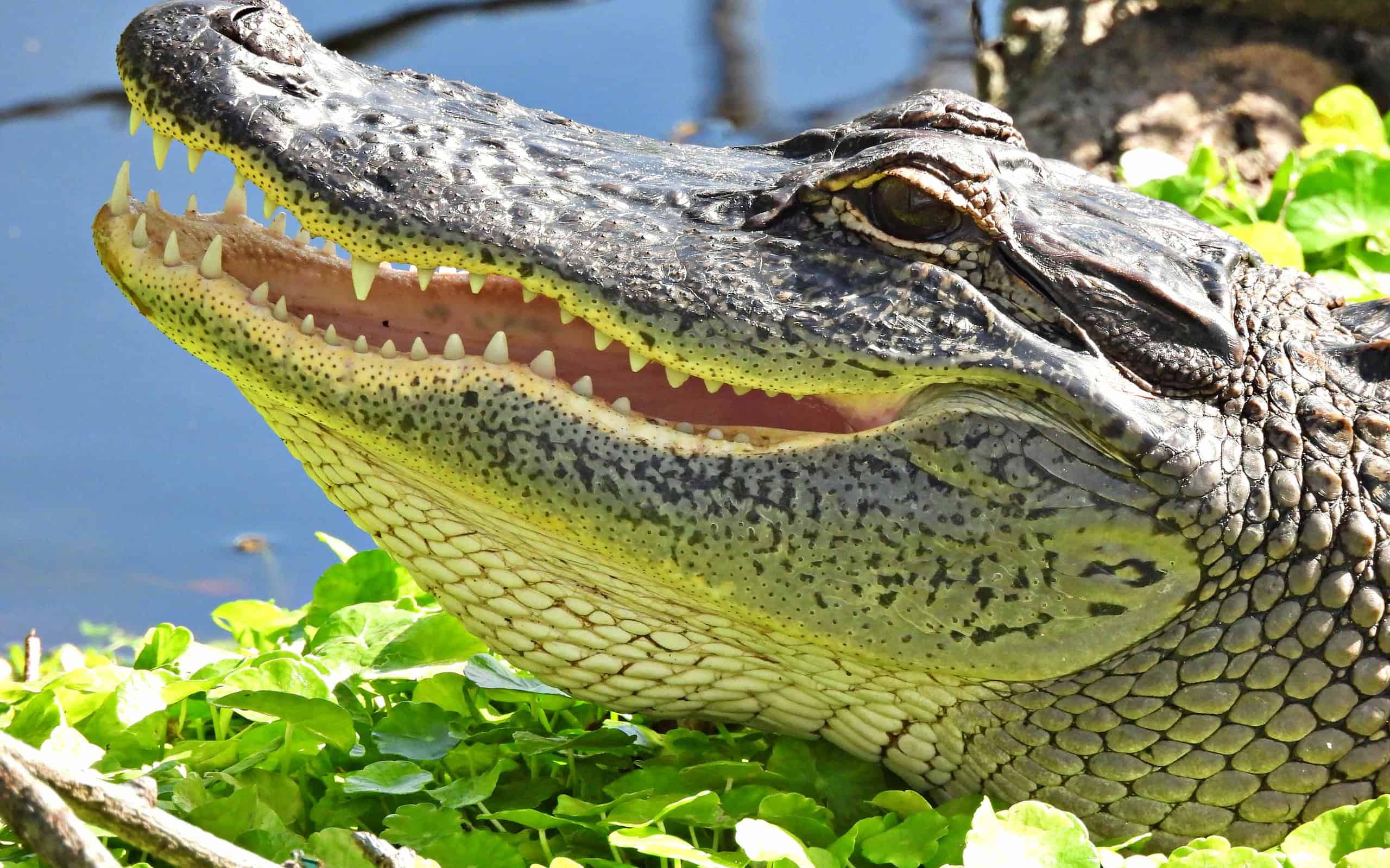
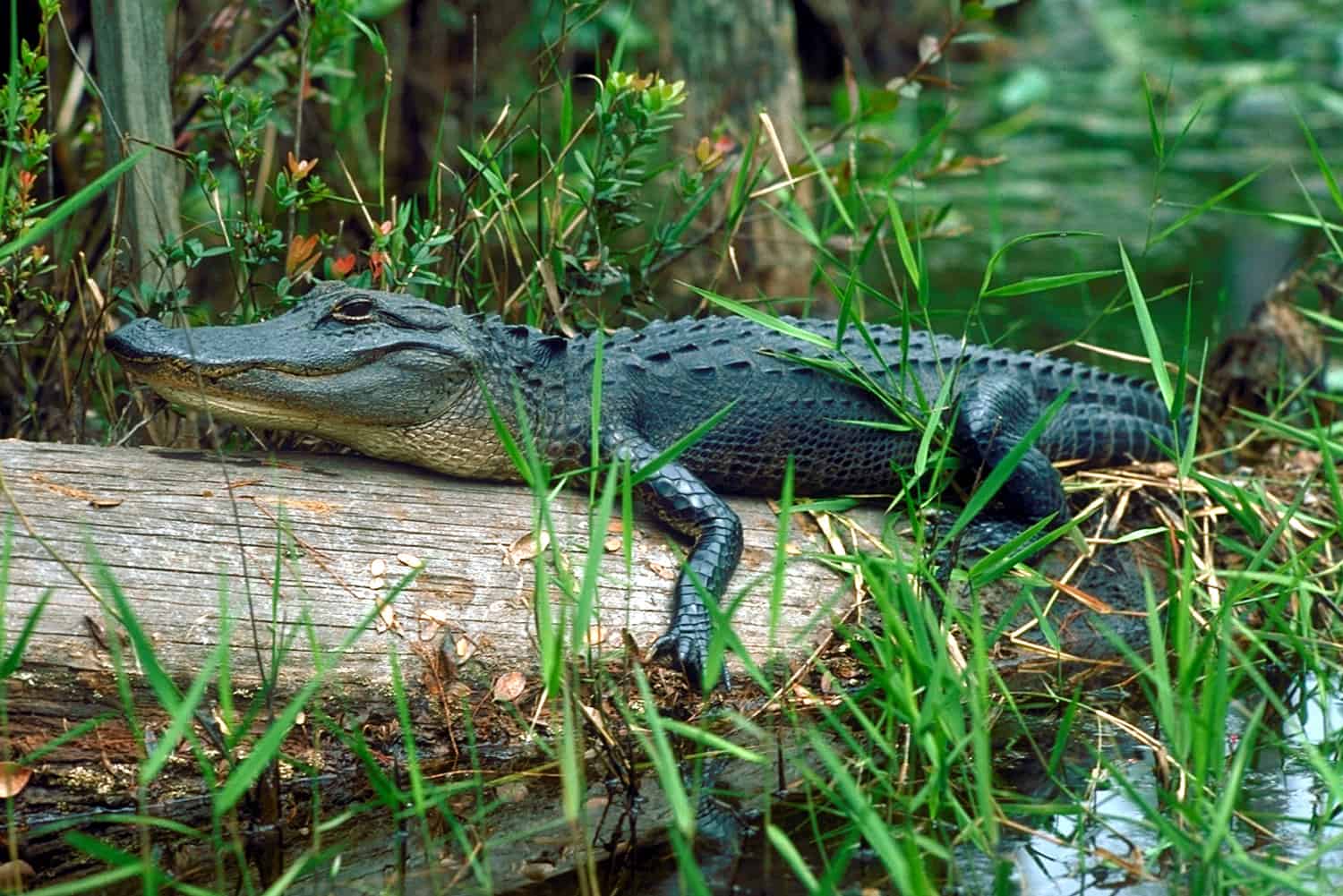
American alligators are not native to the Missouri River and cannot survive its freezing winter temperatures. While rare sightings occur—typically due to illegal pet releases or escapes—there is no self-sustaining population. These reptiles thrive in the warmer climates of the Southeastern United States, far south of the Missouri River basin.
The Natural Range and Habitat Requirements of the American Alligator
To understand why the presence of alligators in the Missouri River is an anomaly, one must first examine the biological and geographic constraints of the species. The American alligator (Alligator mississippiensis) is a quintessential resident of the Southeast. Its natural range is traditionally defined by the "Fall Line," a geological boundary where the soft rocks of the Atlantic Coastal Plain meet the hard, older rocks of the Piedmont. This range extends from the tip of North Carolina, down through Florida, and west into the Rio Grande valley in Texas.
Alligators are ectothermic, commonly known as cold-blooded. Their internal body temperature is dictated by their environment. For an alligator to thrive, it requires long, humid summers and mild winters. While they are remarkably resilient and have survived since the era of the dinosaurs, their metabolic processes are finely tuned to subtropical and tropical climates. The Missouri River, which snakes through Montana, North Dakota, South Dakota, Nebraska, Iowa, Kansas, and Missouri, presents an environment that is fundamentally incompatible with the long-term survival of the species.
In their native habitats, such as the Everglades or the bayous of Louisiana, alligators play the role of an apex predator and a "keystone species." They create "alligator holes" that provide water for other wildlife during dry spells. However, these ecological benefits do not translate to the Missouri River ecosystem, where the food web is built around cold-water and temperate-water species that are not adapted to the presence of large crocodilians.
Thermal Constraints: Why the Missouri River is a Dead End
The primary barrier preventing alligators from colonizing the Missouri River is temperature. Specifically, the "lethal low" temperature for an alligator is reached long before the Missouri River finishes its winter freeze. While alligators have developed a survival mechanism called brumation—a state of dormancy similar to hibernation—it has strict limits.
During a "flash freeze" in states like North Carolina or Arkansas, alligators may engage in an "icing response." They submerge their bodies but keep their snouts above the surface, allowing their nostrils to remain clear as the ice hardens around them. This allows them to survive for a few days in frozen water. However, this is a short-term survival tactic for surviving a southern frost, not a strategy for enduring a Midwestern winter.
The Missouri River frequently experiences water temperatures near 32°F (0°C) for several months. In the northern reaches of the river, ice can be several feet thick. Prolonged exposure to temperatures below 40°F (4°C) leads to metabolic failure in alligators. Their digestive systems shut down, they become susceptible to respiratory infections, and they eventually lose the ability to move, leading to drowning or starvation. Even if an alligator were to find a warm-water discharge pipe from a power plant along the river, it would likely be unable to find enough food during the winter months to maintain its body mass.
Documented Sightings and the "Released Pet" Phenomenon
If alligators cannot survive in the Missouri River, why do headlines occasionally report sightings? As of 2026, the Missouri Department of Conservation (MDC) and various state agencies along the river’s path continue to document infrequent encounters. Almost without exception, these individuals are the result of human intervention rather than natural migration.
The illegal pet trade remains the primary source of alligators in the Midwest. Young alligators, often purchased as hatchlings in states where they are legal (or acquired through illicit channels), grow far larger and more aggressive than their owners anticipate. A hatchling that fits in a shoebox can reach four feet in length within a few years, requiring massive amounts of meat and specialized filtration. When the burden of care becomes too great, owners sometimes "set them free" in local waterways like the Missouri River, under the misguided belief that the animal will thrive.
Specific instances in the 2010s and early 2020s saw small alligators captured near St. Louis and Kansas City. In these cases, the animals were typically between two and five feet long. Upon capture, biologists often find these "river gators" to be malnourished or suffering from poor bone density, indicating they were raised in captivity without proper UV lighting or diet before being dumped. Because the Missouri River is a massive, interconnected highway of water, an alligator released in a tributary can travel significant distances before being spotted by a boater or angler.
Distinguishing Alligators from Native Missouri River Wildlife
Many "alligator sightings" in the Missouri River are cases of mistaken identity. The river is home to several species that, to the untrained eye or from a distance, can mimic the silhouette or behavior of a crocodilian.
The Alligator Gar
The most common culprit is the Alligator Gar (Atractosteus spatula). This prehistoric fish can grow up to eight feet long and weigh over 300 pounds. It possesses a long, broad snout filled with dual rows of sharp teeth, and its ganoid scales are thick and armor-like. When an Alligator Gar surfaces to gulp air—a common behavior in low-oxygen water—it can look remarkably like a reptilian snout. Unlike the alligator, the Alligator Gar is a native, vital part of the river’s ecosystem and poses no threat to humans.
North American Beaver and River Otter
At dusk or dawn, a large beaver or river otter swimming across the current can create a wake that looks like a sub-surface predator. A beaver’s head, seen from a distance, can be mistaken for the "bumps" of an alligator's eyes and snout.
Common Snapping Turtles
While much smaller than a mature alligator, a large Common Snapping Turtle (Chelydra serpentina) has a rugged, prehistoric appearance. Its long, spiked tail and rough carapace can lead a panicked observer to report a "baby alligator."
| Feature | American Alligator | Alligator Gar | Common Snapping Turtle |
|---|---|---|---|
| Average Length | 8–13 feet | 4–8 feet | 1–2 feet (shell) |
| Body Covering | Bony scutes (skin) | Ganoid scales (enamel-like) | Hard, ridged shell |
| Snout Shape | Broad, rounded U-shape | Long, pointed snout | Hooked beak |
| Winter Survival | Cannot survive MO winter | Native; survives in ice | Native; hibernates in mud |
| Movement | Swims with tail/walks on land | Strictly aquatic | Swims and walks on bottom |
Legal Consequences and Public Safety
In the states bordering the Missouri River, the possession and release of alligators are strictly regulated. In Missouri, for example, the Missouri Department of Conservation and the Department of Agriculture oversee laws regarding captive wildlife. Releasing a non-native species into the wild is not only a death sentence for the animal but is also a criminal offense.
The environmental impact of releasing exotic pets can be devastating. While a single alligator won't establish a population, other invasive species can outcompete native fish and turtles for resources. Furthermore, a released alligator that has been habituated to humans (by being fed in a tank) is far more dangerous than a wild one. A "tame" alligator lacks the natural fear of humans and may approach boats or docks looking for food, leading to dangerous encounters.
If you encounter what you believe to be an alligator in the Missouri River, the following steps are recommended:
- Maintain Distance: Do not attempt to capture, harass, or feed the animal.
- Document: If safe, take a photograph or video. This helps wildlife officials determine if the animal is an alligator or a native species like a gar.
- Report: Contact your local conservation office or the state's Department of Natural Resources immediately. Provide specific GPS coordinates or landmarks.
The Role of Climate Change and Future Migration
As we look at the climate data through 2026, there is frequent discussion regarding the northward migration of southern species due to rising global temperatures. While armadillos have successfully moved into Missouri and even parts of Iowa, the alligator faces a much higher hurdle.
The migration of a species requires not just a few warm days, but a fundamental shift in the minimum winter temperatures. The "Hardiness Zones" used by gardeners are a good proxy for this; alligators generally require Zone 8 or higher to thrive. Much of the Missouri River basin remains in Zones 4 through 6. Even with current warming trends, the frequency of extreme "Arctic Express" cold fronts in the Midwest remains a hard barrier that prevents the American alligator from establishing a permanent, breeding population in the Missouri River.
Expert Guidance for River Users
For anglers and boaters on the Missouri River, the "threat" of alligators is virtually non-existent compared to actual river hazards such as wing dikes, heavy currents, and submerged logs. However, understanding the ecosystem helps in being a responsible steward of the waterway.
- Educate Others: Help dispel myths by explaining the difference between native gar and invasive alligators.
- Support Native Species: The Alligator Gar was once nearly extirpated from its northern range due to the mistaken belief that it was a "trash fish" or a threat to game fish. Conservation efforts are now working to restore this native giant.
- Responsible Pet Ownership: Never purchase an exotic animal without a lifelong care plan. If you have an exotic pet you can no longer care for, contact organizations like the U.S. Fish and Wildlife Service or local reptile rescues rather than releasing it.
Frequently Asked Questions
Can alligators swim up the Mississippi into the Missouri River? While it is physically possible for an alligator to swim against the current, they do not have a biological drive to move into colder waters. Natural expansion is slow and usually follows the availability of food and suitable nesting habitat. The thermal "wall" of the Midwest effectively prevents them from migrating this far north on their own.
What is the furthest north an alligator has ever been found? Isolated individuals have been found as far north as New York and Chicago, but these are invariably escaped or released pets. The furthest north a natural, breeding population exists is the coastal plain of North Carolina and the northern border of Arkansas/Tennessee.
Are there crocodiles in the Missouri River? No. In the United States, American crocodiles are restricted to the extreme southern tip of Florida. They are even less cold-tolerant than alligators and could not survive even a mild Missouri autumn.
Why is it called an "Alligator Gar" if there are no alligators? The name refers to the fish's appearance. Its snout and teeth bear a striking resemblance to those of an alligator, which was a common way for early naturalists to describe unfamiliar species. It does not imply a biological relationship between the fish and the reptile.
Do alligators hibernate in the mud like turtles? Not exactly. They undergo brumation, where their heart rate and metabolism slow down significantly. However, they still need to breathe air. If a river freezes solid or if the water temperature stays near freezing for months, the alligator's internal organs will fail, unlike native turtles which have specialized adaptations for overwintering in mud.
Moving Forward: Protecting the Missouri River Ecosystem
While the idea of alligators in the Missouri River makes for an exciting story, the reality is a somber reminder of the dangers of the exotic pet trade. Any alligator found in these waters is an animal in distress, far from the environment it needs to survive. The best course of action for the public is to appreciate the actual native giants of the river—the sturgeon, the paddlefish, and the gar—and to ensure that non-native species are kept out of this vital American waterway.
If you see an unusual creature, report it to the Missouri Department of Conservation or your specific state’s wildlife agency to ensure proper identification and management.