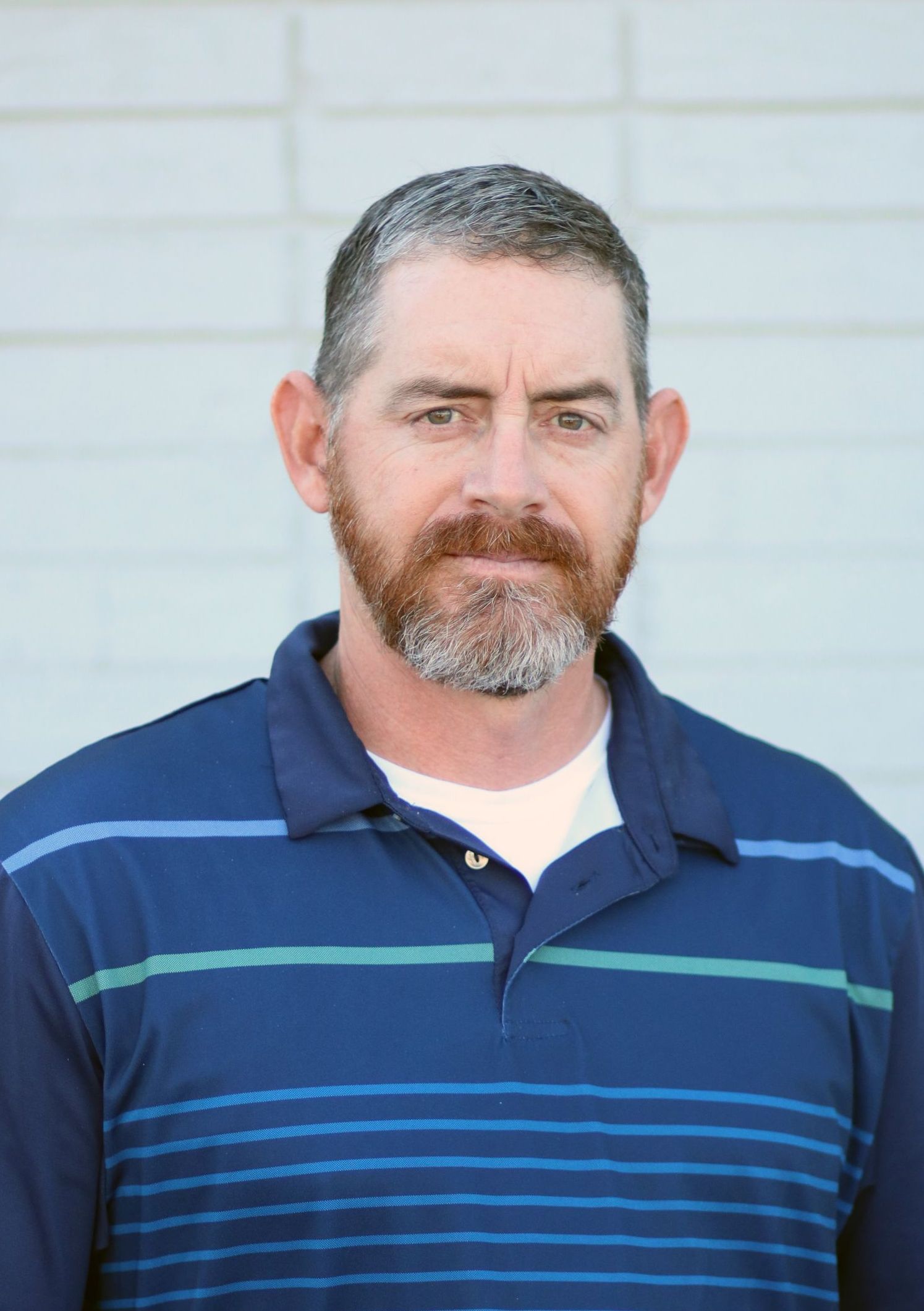
Allen Mechanical is a specialized provider of residential and commercial heating, ventilation, and air conditioning (HVAC) services, primarily serving the Upstate region of South Carolina. They focus on high-efficiency system installations, rapid emergency repairs, and comprehensive preventative maintenance plans designed to handle the high humidity and variable temperature demands of the South Carolina climate.
The South Carolina climate presents a unique set of challenges for HVAC systems. From the sweltering, humid summers in the Upstate to the damp, chilly winters, homeowners and business owners require climate control solutions that are both robust and energy-efficient. Allen Mechanical has established a reputation for navigating these local requirements through a combination of technical proficiency and a deep understanding of regional building codes and environmental stressors. As we move through 2026, the emphasis on indoor air quality (IAQ) and smart-home integration has become a cornerstone of their service offerings.
Core HVAC Services and Technical Solutions
Allen Mechanical provides a full spectrum of services that cover the entire lifecycle of a climate control system. This includes the initial load calculation and design, the physical installation of equipment, and the ongoing technical support required to keep these systems running at peak performance.
Residential Air Conditioning and Cooling
In South Carolina, air conditioning is not a luxury but a necessity for health and safety. Allen Mechanical specializes in the installation of central air conditioning units, ductless mini-split systems, and heat pumps. Technicians are trained to perform Manual J load calculations, ensuring that the cooling capacity of the unit matches the specific square footage, insulation levels, and window orientations of the home. An oversized unit can lead to short-cycling and poor dehumidification, while an undersized unit will fail to reach the desired setpoint during a record-breaking SC heatwave.
Heating Systems and Heat Pump Integration
While South Carolina is known for heat, the winter months require reliable heating. Allen Mechanical manages gas furnace installations, electric heat pumps, and hybrid "dual-fuel" systems. In 2026, many South Carolina residents are opting for high-efficiency heat pumps which provide both cooling and heating. These systems are particularly effective in the temperate winters of the Southeast, offering a lower carbon footprint and reduced operational costs compared to traditional electric strip heating or older gas models.
Commercial HVAC and Mechanical Contracting
Beyond residential services, Allen Mechanical operates in the commercial sector, handling the complexities of light commercial rooftop units (RTUs), chillers, and sophisticated ventilation systems. Commercial services require a higher level of technical oversight, including the balancing of airflows across large spaces and the integration of Building Automation Systems (BAS). These systems allow facility managers to monitor energy usage and system health in real-time, preventing costly downtime for businesses.
The Importance of Preventative Maintenance in 2026
Regular maintenance is the primary factor in extending the lifespan of an HVAC system. Allen Mechanical offers structured maintenance agreements that typically involve bi-annual inspections—once before the cooling season and once before the heating season.
During these visits, technicians perform a multi-point inspection that includes:
- Refrigerant Level Verification: Ensuring the system is not leaking and is charged to manufacturer specifications to maintain efficiency.
- Electrical Component Testing: Inspecting capacitors, contactors, and wiring for signs of wear or heat damage, which are common causes of sudden system failure.
- Drain Line Clearing: Removing algae and debris from condensate lines to prevent water damage to the home.
- Coil Cleaning: Cleaning the evaporator and condenser coils to ensure maximum heat transfer and reduce the workload on the compressor.
By identifying small issues—such as a failing capacitor or a restricted thermal expansion valve—before they lead to a total system breakdown, homeowners can avoid the premium costs associated with emergency after-hours repairs.
Addressing Indoor Air Quality (IAQ) and Humidity
South Carolina is notorious for high outdoor humidity, which often migrates indoors. Allen Mechanical addresses this through advanced IAQ solutions that go beyond simple filtration. In 2026, the focus has shifted toward proactive air purification and whole-home dehumidification.
Whole-Home Dehumidifiers
Standard air conditioners dehumidify the air as a byproduct of the cooling process. However, during the "shoulder seasons" (spring and fall) when temperatures are mild but humidity is high, the AC may not run long enough to remove moisture. Allen Mechanical installs integrated dehumidifiers that work alongside the HVAC system to maintain indoor relative humidity between 30% and 50%, inhibiting mold growth and improving occupant comfort.
Advanced Filtration and UV Lights
For residents concerned with allergens, pathogens, and volatile organic compounds (VOCs), technicians install HEPA-grade filtration systems and Ultraviolet (UV-C) lamps. These lamps are typically placed near the evaporator coil to prevent the buildup of microbial growth on the wet surfaces of the HVAC system, ensuring that the air circulated through the home remains clean.
Technical Specifications and 2026 Standards
As of 2026, all new installations performed by Allen Mechanical adhere to the latest federal and state efficiency standards. The transition to SEER2 (Seasonal Energy Efficiency Ratio 2) ratings has refined how equipment is tested and rated, reflecting real-world external static pressure conditions.
| Service Component | Standard Requirement (2026) | Allen Mechanical Implementation |
|---|---|---|
| Minimum Efficiency | SEER2 14.3+ (Region Dependent) | Installation of SEER2 15 to 22+ units for maximum savings. |
| Refrigerant Type | Low GWP (Global Warming Potential) | Transition to R-454B or R-32 systems to comply with environmental laws. |
| Thermostat Control | Smart/Programmable Integration | Implementation of Wi-Fi enabled, learning thermostats (e.g., Nest, Ecobee). |
| Duct Integrity | <10% Leakage Rate | Comprehensive duct sealing and mastic application during installs. |
| Load Calculation | ACCA Manual J | Computerized modeling of home thermal properties before equipment selection. |
Why Professional Installation Matters in South Carolina
A common mistake made by property owners is focusing solely on the brand of the equipment rather than the quality of the installation. A high-end Trane or Carrier unit will underperform and fail prematurely if it is installed with poorly sized ductwork or an incorrect refrigerant charge.
Allen Mechanical emphasizes the "mechanical" aspect of their name by focusing on the physics of airflow. In the South Carolina Upstate, many homes feature crawlspaces or unconditioned attics. These environments are harsh on equipment. Professional installers ensure that all connections are airtight and that units are leveled properly to allow for correct oil return to the compressor and efficient drainage of condensate.
Furthermore, South Carolina requires specific licensing for HVAC contractors through the South Carolina Department of Labor, Licensing and Regulation (LLR). Allen Mechanical employs technicians who are familiar with local building codes, ensuring that all electrical work and gas piping meet safety standards, which is vital for maintaining homeowner insurance coverage and property value.
Cost Considerations and Financing
The cost of HVAC services in South Carolina varies based on the scope of work. A simple service call or diagnostic fee typically ranges from $85 to $150, while a full system replacement can range from $6,000 to $15,000 depending on the efficiency rating and the complexity of the installation.
To make these essential services more accessible, Allen Mechanical often provides financing options. Additionally, under current federal guidelines in 2026, many high-efficiency heat pump installations qualify for tax credits and rebates through the Energy Efficient Home Improvement Credit (Section 25C). These incentives can significantly offset the initial investment, making high-performance equipment more affordable for the average household.
Common HVAC Troubleshooting for Homeowners
Before calling for professional service, Allen Mechanical recommends that residents perform a few basic checks. This can often resolve simple issues and save the cost of a service visit.
- Check the Air Filter: A clogged filter restricts airflow, causing the system to freeze up or overheat. In South Carolina’s pollen-heavy environment, filters should be checked monthly.
- Verify Thermostat Settings: Ensure the thermostat has power (check batteries) and is set to the correct mode (Cool or Heat).
- Inspect the Breaker Panel: High-demand periods can occasionally trip the circuit breaker for the outdoor condenser or the indoor air handler.
- Clear Outdoor Obstructions: Ensure that grass, leaves, or shrubs are not choking the outdoor unit. The condenser needs at least two feet of clearance for proper heat rejection.
If these steps do not resolve the issue, it is indicative of a mechanical or electrical failure that requires a licensed technician. Attempting to repair pressurized refrigerant lines or high-voltage electrical components without proper training is dangerous and can void equipment warranties.
Frequently Asked Questions
How often should I have my HVAC system serviced in South Carolina?
You should have your system professionally serviced twice a year. The "Spring Check" focuses on the cooling components to prepare for the intense SC summer heat, while the "Fall Check" ensures the heating elements and heat exchangers are safe and operational for the winter. Regular maintenance is often a requirement to keep manufacturer warranties valid.
What is the lifespan of an AC unit in the South Carolina climate?
In South Carolina, a well-maintained central air conditioning system or heat pump typically lasts between 10 and 15 years. The high humidity and salt content (if closer to the coast, though less relevant in the Upstate) can lead to corrosion. Frequent maintenance can push a system toward the 20-year mark, while neglect can lead to failure in as little as 8 years.
Is it better to repair or replace an old HVAC system?
The general rule is the "Rule of 5,000." Multiply the age of the system by the cost of the repair. If the total exceeds $5,000, replacement is usually the more cost-effective long-term decision. Additionally, if your system still uses R-22 refrigerant (which is obsolete), a leak or compressor failure almost always warrants a full system upgrade to modern, eco-friendly refrigerants.
Why is my energy bill so high during the summer?
In South Carolina, the primary drivers of high energy bills are poor insulation, air leaks in ductwork, and inefficient HVAC equipment. If your system is constantly running but the house feels humid, it may be struggling with a dirty coil or low refrigerant. Allen Mechanical can perform an energy audit to identify where your home is losing cooled air.
Does Allen Mechanical offer emergency services?
Yes, Allen Mechanical provides emergency repair services to address critical system failures outside of normal business hours. This is particularly important during extreme temperature events in South Carolina, where a loss of climate control can pose a health risk to seniors, children, and pets.
Practical Recommendation
For homeowners in South Carolina, the most effective way to manage HVAC costs and ensure reliability is to enroll in a preventative maintenance plan with a reputable provider like Allen Mechanical. By prioritizing the health of your system before the peak of summer or the depths of winter, you ensure your equipment operates at its highest possible efficiency. If your system is over 12 years old, 2026 is an excellent time to evaluate a transition to a high-efficiency SEER2 heat pump, taking advantage of current tax incentives and the long-term energy savings they provide.