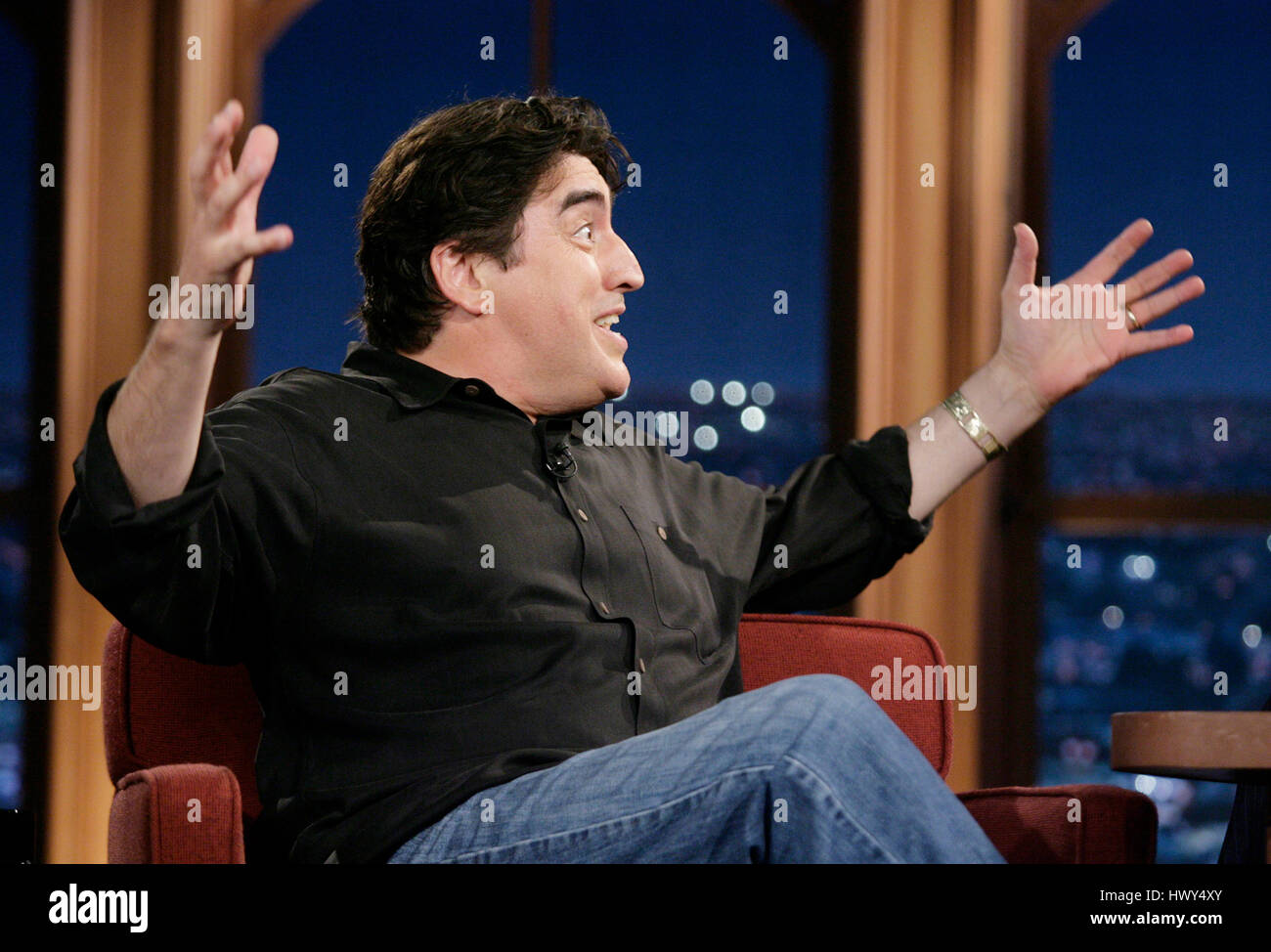
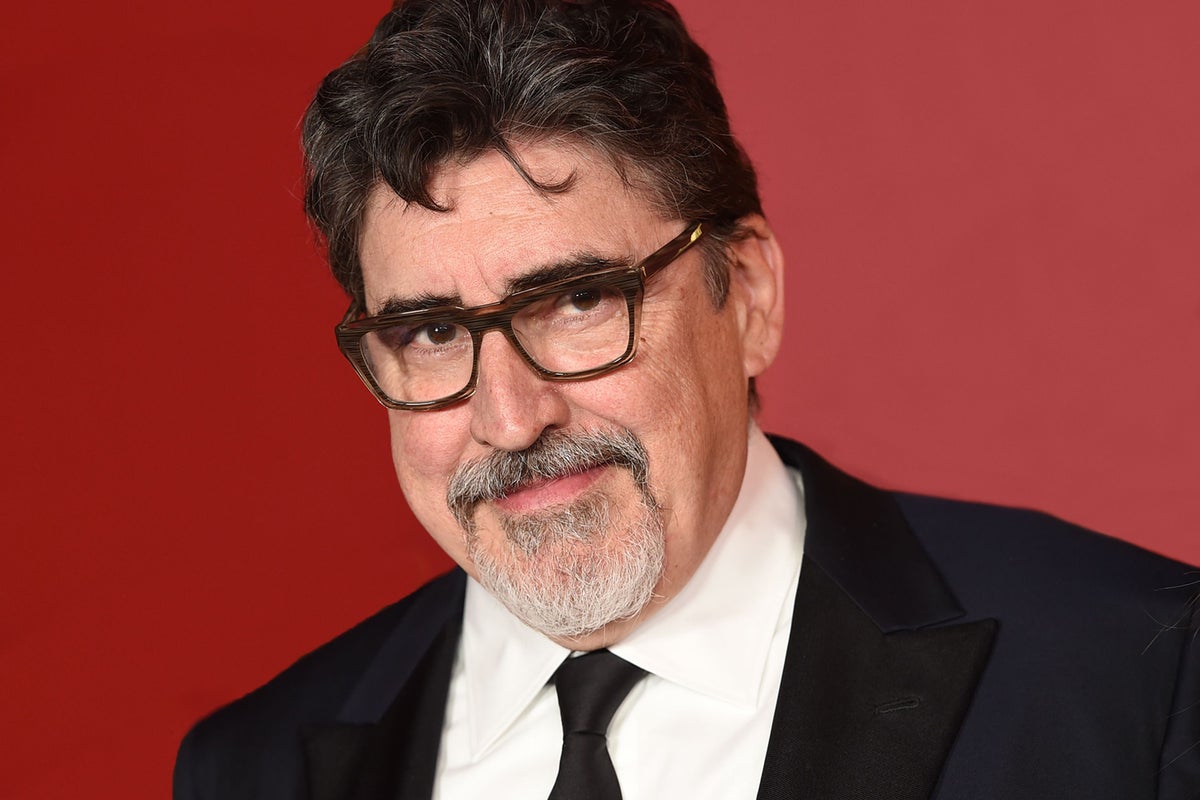
Alfred Molina is a critically acclaimed character actor known for his extraordinary range across stage, film, and television. From his breakout role in Raiders of the Lost Ark to his iconic portrayal of Doctor Octopus in the Spider-Man franchise, Molina has built a multi-decade career defined by technical precision, emotional depth, and a chameleon-like ability to inhabit vastly different personas.
Early Life and Theatrical Foundations
Born on May 24, 1953, in London, England, Alfred Molina grew up in a working-class household in Notting Hill. His father was a Spanish immigrant who worked as a waiter and chauffeur, while his mother was an Italian immigrant who worked as a cook and housekeeper. This diverse cultural heritage provided Molina with a unique perspective that he later cited as a foundation for his character work.
Molina’s interest in acting was sparked by watching films as a child, but his formal training began at the Guildhall School of Music and Drama. Unlike actors who chase leading-man status, Molina gravitated toward the craft of the character actor—someone who transforms to serve the narrative rather than the star image. His early professional years were spent in British repertory theatre, where he honed his skills in ensemble work, physical comedy, and classical drama. This rigorous training allowed him to develop the vocal control and physical presence that would eventually become his trademarks in Hollywood.
The Breakthrough: Raiders of the Lost Ark
Molina’s transition to global recognition occurred in 1981 when he appeared in Steven Spielberg’s Raiders of the Lost Ark. Although his role as Satipo, the treacherous guide who abandons Indiana Jones in the film’s opening sequence, was relatively brief, it served as a masterclass in screen presence. The scene involving the tarantulas remains one of the most memorable sequences in cinema history.
This role established a recurring motif in Molina’s career: the ability to command attention in limited screen time. While many actors struggle to make an impact in supporting roles, Molina used this opportunity to demonstrate a menacing yet relatable energy. It signaled to casting directors that he could handle big-budget spectacle without losing the nuance required for smaller, more intimate storytelling.
Establishing Range: Comedy and Drama
Throughout the 1980s and 1990s, Molina deliberately avoided typecasting. He navigated seamlessly between stage and screen, appearing in films like Letter to Brezhnev (1985), Prick Up Your Ears (1987), and Enchanted April (1991). His performance in Enchanted April was particularly significant, as it introduced audiences to his capacity for playing characters with genuine warmth and vulnerability—a departure from the more villainous or eccentric roles he was often offered.
His versatility reached a new peak with the 2002 film Frida, where he played the muralist Diego Rivera opposite Salma Hayek. This performance earned him widespread critical acclaim, as he captured both the magnetism and the complex moral failings of the historical figure. It was a pivotal moment in his biography, proving that he could carry the weight of a biopic’s central conflict while maintaining the authenticity of the real person he portrayed.
Iconic Villainy: The Doctor Octopus Legacy
Perhaps no role better exemplifies Molina’s technical capability than that of Otto Octavius in Sam Raimi’s Spider-Man 2 (2004). In the landscape of superhero cinema, Molina’s portrayal of Doctor Octopus is frequently cited as the gold standard for "sympathetic villainy."
Molina approached the character not as a cartoonish antagonist, but as a tragic figure burdened by scientific obsession and physical trauma. His ability to emote through the heavy prosthetics and the digital tentacles added a layer of human suffering that elevated the film beyond traditional action-genre expectations. When he returned to the role in 2021 for Spider-Man: No Way Home, he demonstrated that the character’s emotional arc remained a focal point of his performance, bridging the gap between two generations of comic book fans.
Stage Career and Artistic Philosophy
While Hollywood afforded him financial stability and global fame, the theatre remained Molina’s creative touchstone. His work on the Broadway stage earned him multiple Tony Award nominations, highlighting his ability to tackle heavy dramatic literature. Roles in productions such as Art and Fiddler on the Roof allowed him to flex his range further, moving from intense, intellectual dialogue to the musical demands of a classic stage show.
His approach to acting is rooted in preparation and respect for the text. Throughout interviews conducted over his career, Molina has emphasized that his job is not to be "interesting," but to be "accurate" to the script. This grounded perspective has made him a favorite among directors who seek performers capable of delivering consistent, high-quality work without ego or unnecessary improvisation.
Summary of Notable Career Highlights
| Production | Year | Role | Significance |
|---|---|---|---|
| Raiders of the Lost Ark | 1981 | Satipo | International breakout role. |
| Enchanted April | 1991 | Mellersh Wilkins | Established his range in romantic drama. |
| Boogie Nights | 1997 | Rahad Jackson | Demonstrated capacity for high-energy eccentricity. |
| Frida | 2002 | Diego Rivera | BAFTA and SAG Award-nominated performance. |
| Spider-Man 2 | 2004 | Otto Octavius | Defined the "sympathetic villain" archetype. |
| The Father | 2020 | Bill | Showcase of subtle, grounded character work. |
Technical Versatility and Craft
Molina’s longevity in the entertainment industry is a result of his technical versatility. He understands the demands of different mediums, adjusting his performance style for the intimacy of a close-up camera lens versus the projection required for a theatre balcony.
- Vocal Control: Molina possesses a distinct baritone voice that he modulates effectively to convey authority, deceit, or warmth.
- Physicality: He uses his physical size to convey presence without intimidation, often employing subtle gestures to define a character's internal state.
- Adaptability: He is equally comfortable in period pieces requiring period-accurate dialect as he is in improvisational-style comedies.
Personal Life and Legacy
Outside of the camera’s view, Molina has maintained a relatively private personal life. His commitment to his family and his philanthropic efforts often remain behind the scenes, reflecting a character that prioritizes stability over the flashiness of celebrity culture. As of 2026, he continues to work steadily, taking on projects that challenge him artistically while participating in both mainstream franchises and smaller, independent features.
His legacy is that of a "workhorse" actor—someone who elevated every production he touched. For aspiring actors, Molina’s career serves as a template for how to maintain a high level of artistic integrity while surviving the volatile nature of the film industry.
Frequently Asked Questions
How did Alfred Molina prepare for his role as Doctor Octopus? Molina focused heavily on the physical psychology of the character. He studied the source material to understand Octavius's background as a family man and scientist, which allowed him to imbue the "mad scientist" trope with grounded human grief and confusion, making the character’s transformation into a villain feel earned rather than forced.
Did Alfred Molina perform his own stunts in Spider-Man 2? While professional stunt doubles were used for high-risk sequences, Molina performed a significant amount of the physical work, particularly in the sequences involving the mechanical arms. He worked with puppeteers to synchronize his movements with the animatronic rigs, which required precise timing and physical stamina.
What is Alfred Molina’s approach to acting? Molina follows a text-first approach. He prioritizes understanding the director’s vision and the narrative requirements of the script above personal embellishments. He views acting as a collaborative discipline where his primary goal is to help tell the story as clearly and authentically as possible.
Has Alfred Molina directed any projects? While he is primarily known as an actor, Molina has explored directing and producing in the theatre. His focus remains largely on the craft of performance, viewing the actor as the central conduit between the writer’s words and the audience’s emotional response.
Why is Alfred Molina considered a versatile actor? He is categorized as versatile because he refuses to stick to a single genre or character archetype. He successfully moves between high-stakes action blockbusters, period dramas, stage musicals, and gritty indie films, bringing a unique, authentic flavor to each regardless of the screen time he is allotted.
Recommendation for Further Engagement
To fully appreciate Alfred Molina’s range, one should watch Frida immediately followed by Boogie Nights. Seeing these two performances back-to-back illustrates his ability to disappear entirely into a character, shedding the mannerisms of one to assume the skin of another. For those interested in his theatrical mastery, seeking out recorded performances of his stage work, such as Art, provides the best evidence of his timing and ability to hold a live audience’s attention.