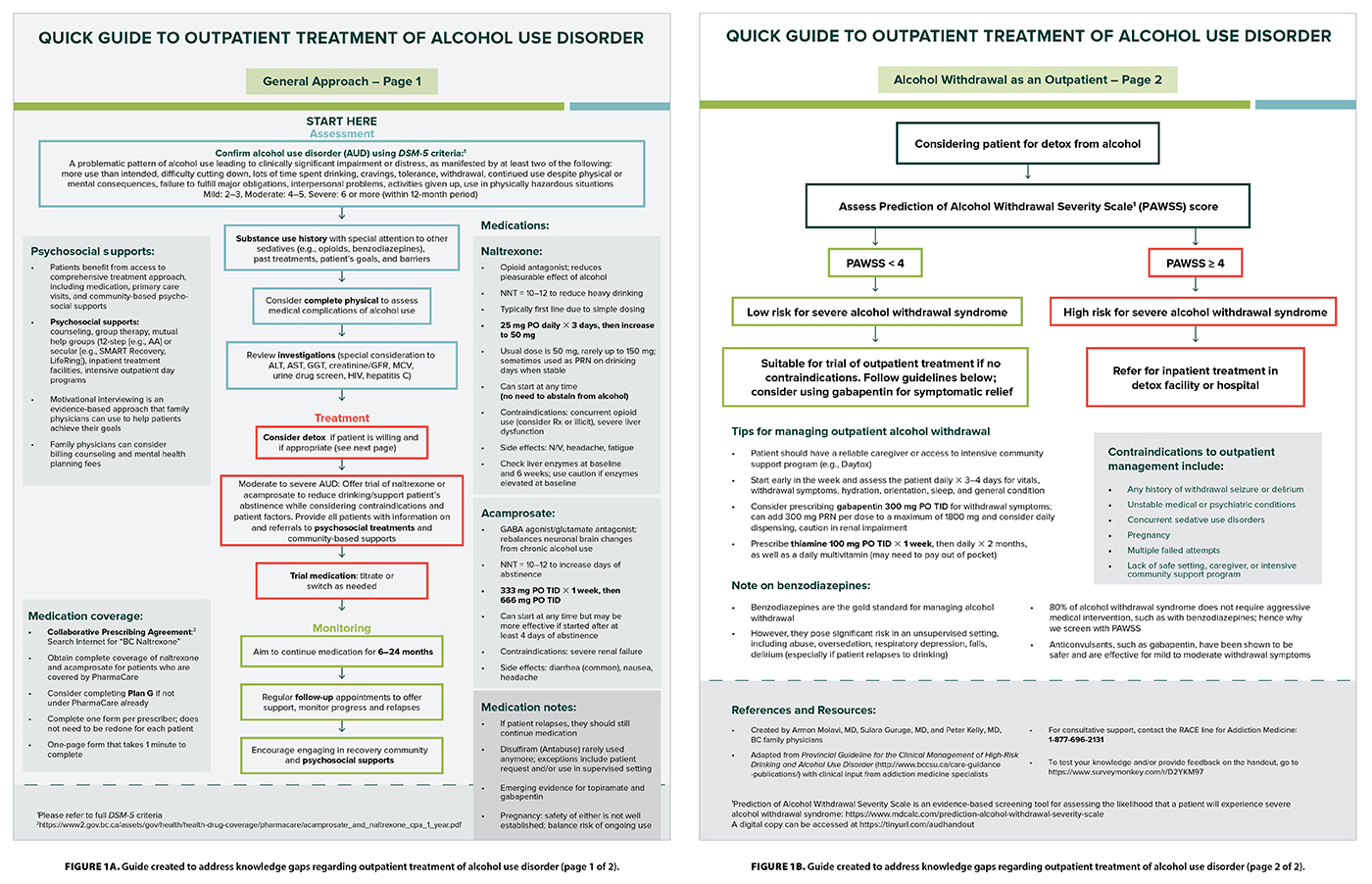
Accessing alcohol treatment in St. Louis involves navigating a diverse landscape of clinical settings, ranging from hospital-based detoxification units to long-term residential programs and outpatient recovery support services. Effective treatment is highly individualized, requiring an assessment of the patient's physical dependency, psychiatric health, and social support structures to determine the appropriate level of care.
Understanding the Continuum of Care
The clinical approach to alcohol use disorder (AUD) is structured around a "continuum of care," which recognizes that patients require different levels of intensity at various stages of their recovery. In St. Louis, this spectrum begins with medical stabilization and progresses toward long-term maintenance.
1. Medically Managed Detoxification
For individuals with physical dependence on alcohol, withdrawal can be life-threatening. Medically managed detoxification involves 24-hour nursing care and physician oversight. In St. Louis, these services are primarily located within major health systems and specialized behavioral health hospitals. The goal is to safely manage the physical symptoms of alcohol withdrawal—such as tremors, seizures, or hallucinations—using evidence-based protocols like benzodiazepine tapering.
2. Residential (Inpatient) Treatment
Once stabilized, many patients transition to residential treatment. This environment removes the individual from their daily environment, providing a structured schedule of therapy, psychoeducation, and group counseling. Residential programs typically last 28 to 90 days. The intensity of this phase allows for the development of coping mechanisms for triggers while ensuring physical safety and abstinence.
3. Partial Hospitalization Programs (PHP)
PHP serves as a bridge between inpatient care and outpatient independence. Patients participate in therapeutic programming for several hours a day, usually five days a week, while returning home at night. This is often recommended for individuals who have completed detoxification but still require significant clinical oversight to maintain sobriety.
4. Intensive Outpatient Programs (IOP)
IOP is a common choice for individuals who have vocational or family commitments that prevent full-time residential stays. Programs typically meet three to four days a week for several hours. The focus shifts toward relapse prevention, identifying external stressors, and building a sustainable community support system.
Clinical Assessment and Eligibility
Before entering a program in the St. Louis area, prospective patients must undergo a formal clinical assessment. This process, often conducted by a licensed clinical social worker (LCSW) or a certified alcohol and drug counselor (CADC), utilizes standardized criteria—most notably the ASAM (American Society of Addiction Medicine) Criteria.
The ASAM assessment evaluates six dimensions:
- Acute intoxication and withdrawal potential: Investigating the history of substance use and the severity of physical dependency.
- Biomedical conditions and complications: Identifying existing health issues that may complicate the withdrawal process.
- Emotional, behavioral, or cognitive conditions: Assessing co-occurring disorders, such as depression or anxiety, which often require dual-diagnosis treatment.
- Readiness to change: Evaluating the patient’s motivation and psychological preparedness for treatment.
- Relapse, continued use, or continued problem potential: Analyzing the patient's history of past recovery efforts and the likelihood of future challenges.
- Recovery/living environment: Determining the stability of the patient's home life and the presence of social triggers.
Comparing Treatment Modalities in St. Louis
| Treatment Level | Typical Duration | Setting | Primary Focus |
|---|---|---|---|
| Detoxification | 3–7 days | Hospital/Clinical | Physical stabilization, safety |
| Residential | 28–90 days | Licensed Facility | Intensive therapy, lifestyle change |
| PHP | 4–6 weeks | Clinical/Center | Structured skill-building |
| IOP | 8–12 weeks | Clinical/Center | Relapse prevention, maintenance |
| Sober Living | Ongoing | Residential Home | Peer support, community stability |
Financial Considerations and Insurance Coverage
Alcohol treatment costs vary significantly depending on the level of care and the duration of stay. In 2026, most state-licensed programs in Missouri accept major private insurance providers, which are required by the Mental Health Parity and Addiction Equity Act to provide coverage for substance use disorders equivalent to medical surgical coverage.
Patients should verify the following with their provider:
- In-network vs. out-of-network status: Staying within a preferred provider organization (PPO) or health maintenance organization (HMO) network significantly reduces out-of-pocket costs.
- Prior authorization requirements: Many facilities require insurance approval before admission to ensure the level of care is deemed "medically necessary."
- Sliding scale and public funding: For those who are uninsured or underinsured, the Missouri Department of Mental Health oversees various community-based programs that may offer services based on income level.
Addressing Co-occurring Disorders
A critical component of effective treatment in St. Louis is the availability of "dual-diagnosis" or "co-occurring disorder" programs. Many individuals struggling with alcohol dependency also contend with underlying mental health conditions like bipolar disorder, PTSD, or chronic depression.
Attempting to treat the alcohol use disorder while ignoring the mental health component often leads to a cycle of relapse. Integrated treatment models allow for the simultaneous management of both issues, typically through the coordination of care between a psychiatrist and an addiction counselor.
Practical Next Steps for Families and Patients
If you or a loved one are seeking immediate help, the process is best navigated through these sequential steps:
- Conduct an objective evaluation: Contact a primary care physician or a local substance abuse hotline to discuss symptoms and immediate medical risks.
- Verify insurance benefits: Call the number on the back of your insurance card to determine your coverage limitations and identify local in-network facilities.
- Schedule an intake assessment: Call the chosen facility to schedule an initial clinical screening. This is the official step that determines which level of care is appropriate.
- Arrange logistical support: If pursuing residential treatment, ensure that employment or childcare matters are addressed prior to admission.
- Establish a post-treatment plan: Recovery does not end at discharge. Transitioning into community support groups, such as Alcoholics Anonymous (AA) or SMART Recovery, is essential for long-term success.
Frequently Asked Questions
1. What is the difference between inpatient and residential treatment? Inpatient care typically refers to a hospital-based setting where medical monitoring is the primary focus, often used for acute detoxification. Residential treatment occurs in a non-hospital, home-like environment focusing on behavioral therapy and recovery skill-building.
2. Does Missouri law mandate insurance coverage for addiction treatment? Yes, under both federal parity laws and state insurance mandates, plans regulated by the Missouri Department of Commerce and Insurance are required to provide coverage for substance use disorders that is consistent with coverage provided for other chronic medical conditions.
3. Are there free or low-cost treatment options in St. Louis? Yes, there are several non-profit and state-funded clinics in St. Louis that serve individuals without insurance. These programs often use a sliding-fee scale based on the patient’s ability to pay, though wait times for admission may be longer than at private facilities.
4. How do I know if someone needs detox versus outpatient treatment? The determination of "medical necessity" is made by a clinician using the ASAM criteria. Generally, if an individual is at risk of severe withdrawal symptoms—such as Delirium Tremens—a medically supervised detox is non-negotiable.
5. How long is the typical waiting list for treatment in St. Louis? Waiting times fluctuate depending on the level of care. Hospital-based detox programs often have immediate availability due to high turnover. Specialized, luxury, or private residential programs may have waiting lists ranging from a few days to several weeks.
Recommendation
If you are currently experiencing a medical emergency, do not wait for an intake assessment; call 911 or proceed to the nearest emergency department in St. Louis. For non-emergent inquiries, start by calling the Substance Abuse and Mental Health Services Administration (SAMHSA) National Helpline at 1-800-662-HELP to find state-licensed facilities in your specific zip code.