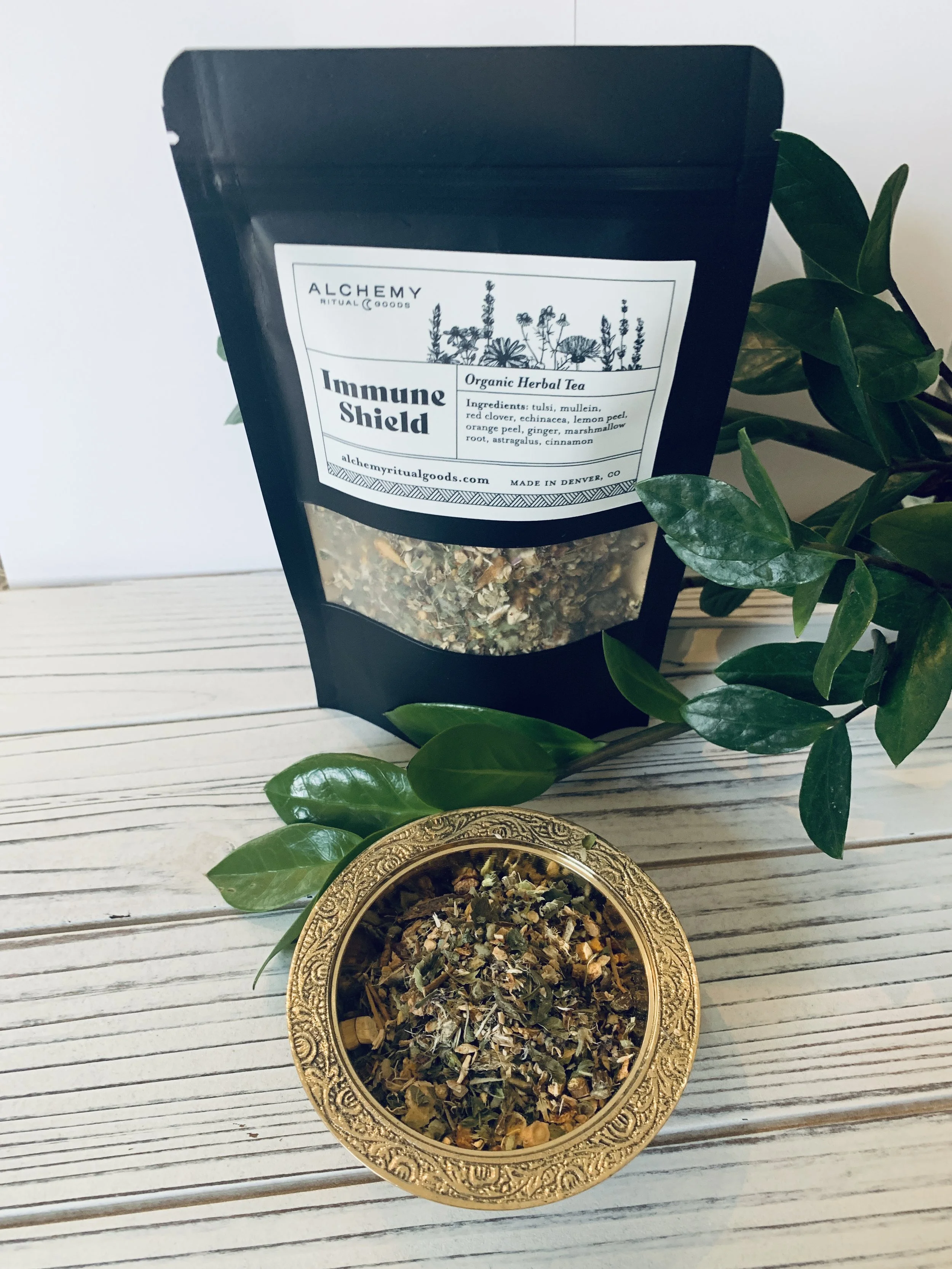
Alchemy ritual goods comprise the specialized instruments, substances, and symbolic items used in the practice of alchemy to facilitate physical and spiritual transformation. These goods bridge the gap between historical laboratory science and modern esoteric traditions, ranging from borosilicate glassware used in spagyric preparations to consecrated metals and rare botanical resins.
The acquisition and use of alchemy ritual goods are foundational to both the "Laboratorium" (the physical work) and the "Oratorium" (the meditative or spiritual work). In 2026, the market for these goods has evolved to emphasize ethical sourcing, high-durability materials, and a return to traditional artisanal methods. Whether one is pursuing the creation of herbal spagyrics or engaging in symbolic internal alchemy, understanding the specifications and purposes of these tools is essential for safe and effective practice.
The Essential Categories of Alchemy Ritual Goods
To understand alchemy ritual goods, one must categorize them by their role in the "Great Work" (Magnum Opus). These items are not merely decorative; they are functional tools designed to withstand specific chemical reactions, high temperatures, and the rigorous demands of ritualistic timing.
1. Laboratory Glassware and Distillation Tools
The most iconic alchemy ritual goods are those used for distillation and sublimation. Unlike standard kitchenware, these items must be made of high-quality borosilicate glass to prevent shattering under thermal stress.
- The Alembic: Consisting of a boiling vessel (cucurbit) and a cooling lid with a "beak," the alembic is used to condense vapors. In ritual practice, it represents the process of spiritualizing the matter—taking the "gross" and turning it into "subtle" vapor before re-condensing it into a purified liquid.
- The Pelican: A specialized circulatory vessel with two side arms that feed vapors back into the main body. It is used for "circular distillation," symbolizing the eternal cycle of nature and the refinement of the soul through repeated purification.
- Retorts: Simple, long-necked flasks used for distilling substances that require direct heat. They are prized for their historical aesthetic and their efficiency in dry distillation.
2. The Tria Prima: The Three Primes
In alchemical philosophy, all matter is composed of three essential principles: Sulfur, Mercury, and Salt. Ritual goods often include physical representations of these to be used in tinctures or placed upon an altar.
- Philosophical Sulfur (The Soul): Represented by essential oils and resins. These are the volatile, flammable components of a substance that carry its unique "essence" or consciousness.
- Philosophical Mercury (The Spirit): Represented by high-proof alcohol (the "mercury of the plant kingdom") or specialized metallic preparations. It acts as the mediator between the soul and the body.
- Philosophical Salt (The Body): Represented by the calcined ashes of a plant or mineral. In the laboratory, the "salt" is purified through intense heat until it turns white, representing the crystalline structure of the physical form.
3. Thermal Instruments and the Athanor
Heat is the primary agent of change in alchemy. Ritual goods associated with fire must be chosen with extreme care for safety and precision.
- The Athanor: Traditionally known as the "Philosophical Furnace," modern practitioners often use temperature-controlled electric mantles or sand baths. The goal is to provide a "slow, steady heat" that mimics the incubation of an egg.
- Crucibles: These are small, cup-shaped containers made of ceramic, graphite, or clay. They are used for calcination—the process of heating a substance to high temperatures to reduce it to ash.
Technical Specifications for Alchemical Tools
When selecting alchemy ritual goods in 2026, practitioners must look beyond aesthetics to ensure the tools meet modern safety and functional standards. The following table provides a comparison of essential goods and their technical requirements.
| Tool Name | Primary Material | Recommended Specification | Alchemical Function |
|---|---|---|---|
| Alembic | Borosilicate 3.3 Glass | 500ml - 2000ml capacity | Distillation of spirits and waters |
| Mortar & Pestle | Agate or Granite | Non-porous, 120mm+ diameter | Trituration (grinding) of minerals |
| Crucible | Alumina or Graphite | Rated for 1200°C+ | Calcination and melting of metals |
| Incense Burner | Brass or Stone | Heat-resistant base | Atmosphere purification and prayer |
| Cucurbit | Borosilicate Glass | Flat bottom for stability | Boiling and extraction |
| Laboratory Stand | Stainless Steel | Heavy-duty with boss heads | Supporting glassware during heating |
The Role of Botanicals and Minerals
Ritual goods also encompass the "materia" or the raw materials being transformed. The sourcing of these materials is a critical component of the ritual's integrity.
Ethical and Organic Sourcing
By 2026, the alchemical community has shifted heavily toward bio-dynamic and wild-harvested botanicals. Using plants grown with synthetic pesticides is believed to "contaminate" the Mercury of the plant, leading to inferior ritual results. High-quality alchemy ritual goods include:
- Rare Resins: Such as Omani Frankincense (Boswellia sacra) and Yemeni Myrrh, used for their high oil content and traditional associations with solar and lunar energies.
- Purified Minerals: Antimony, Cinnabar (handled with extreme caution), and various metal oxides used for creating "ens" or mineral tinctures.
Planetary Correspondences
A significant aspect of alchemy ritual goods is their alignment with the seven traditional planets. Practitioners often select tools or materials based on the day and hour of the ritual:
- Gold/Sun: Vitality, perfection, and the completion of the work.
- Silver/Moon: Reflection, subconscious work, and fluid processes.
- Copper/Venus: Integration, beauty, and herbal extractions.
- Iron/Mars: Force, separation, and the "breaking" of matter.
- Tin/Jupiter: Expansion, growth, and preservation.
- Lead/Saturn: Contraction, weight, and the initial stage of the "Black Work" (Nigredo).
- Quicksilver/Mercury: Communication, volatility, and the "Universal Solvent." (Note: In 2026, liquid mercury is strictly regulated and often replaced by symbolic or safe metallic alloys in ritual contexts).
Setting Up an Alchemical Ritual Space
The arrangement of alchemy ritual goods is as important as the goods themselves. A proper workspace is usually divided into two distinct areas: the Laboratorium and the Oratorium.
The Laboratorium (Physical Work)
This area is dedicated to the "work of the hands." It requires:
- Ventilation: A fume hood or a well-ventilated window area is mandatory when working with volatile spirits or heating minerals.
- Safety Equipment: Fire-resistant mats, safety goggles, and chemical-resistant gloves are essential "goods" that protect the practitioner.
- Organization: Glassware should be stored in padded cabinets to prevent "chipping," which can lead to stress fractures during heating.
The Oratorium (Spiritual Work)
The Oratorium is the space for meditation, prayer, and the "internal" alchemy. The goods found here are more symbolic:
- Altar Cloths: Often in colors representing the stages of the work: Black (Nigredo), White (Albedo), and Red (Rubedo).
- Consecrated Candles: Traditionally made of beeswax, these provide a steady flame that symbolizes the "Internal Fire" of the alchemist.
- Planetary Seals: Engraved discs or parchment symbols that help focus the intent of the ritual.
Maintenance and Care of Ritual Goods
To preserve the efficacy and lifespan of alchemy ritual goods, rigorous maintenance is required. Glassware must be cleaned using specialized solvents like isopropyl alcohol or "cleaning acid" (biodegradable versions are preferred in 2026) to remove residual oils and calcined salts.
Crucibles must be "seasoned" before their first use to prevent cracking, and metal tools should be kept polished to prevent oxidation, which can introduce unwanted "impurities" into a preparation. Many practitioners also engage in a "cleansing ritual" for their tools, using incense or sound (such as a tuning fork) to reset the "energetic state" of the items between different operations.
Common Mistakes When Acquiring Goods
- Prioritizing Form over Function: Buying "antique" looking glassware that is not heat-rated. This often leads to laboratory accidents. Always verify that glassware is ISO 3585 compliant.
- Using Impure Solvents: Using standard hardware-store alcohol instead of food-grade or laboratory-grade ethanol. Impurities in the solvent will be concentrated in the final ritual product.
- Ignoring Material Safety Data Sheets (MSDS): Even in a ritual context, many minerals and resins are toxic or allergenic. Modern practitioners must maintain a digital or physical "grimoire" that includes safety data for every substance in their inventory.
FAQ: Alchemy Ritual Goods
1. What is the difference between alchemy tools and standard chemistry equipment?
While many tools are shared (like beakers and flasks), alchemy ritual goods often include specialized historical shapes like the alembic or pelican, which are designed for specific "circular" processes not typically used in modern industrial chemistry. Furthermore, alchemical tools are often dedicated to a single type of work (e.g., a "Lunar" flask) to maintain ritual purity.
2. Is it safe to use copper vessels for alchemical distillations?
Copper is traditional and excellent for heat conduction, especially in the production of essential oils. However, it can react with certain acidic substances to produce toxic verdigris. For most modern practitioners in 2026, glass-lined or borosilicate glass is recommended for safety, while copper is reserved for specific traditional preparations where the metal's catalytic properties are required.
3. How do I know if my resins and herbs are authentically "ritual grade"?
Look for suppliers who provide the botanical name, country of origin, and harvest date. In 2026, reputable sellers of alchemy ritual goods often use blockchain tracking or detailed laboratory analysis (GC/MS testing) to prove the purity and "vibration" of the materia.
4. Can I start practicing alchemy with a basic "starter kit"?
Yes, many "Alchemy Starter Kits" available today include a small 500ml distillation setup, a mortar and pestle, and a set of basic resins. These are excellent for learning the fundamental techniques of separation and purification before moving on to more complex mineral work.
5. Why are some alchemical goods so expensive?
The cost is usually driven by the quality of the materials (such as hand-blown borosilicate glass) and the rarity of the substances. Ethical sourcing of minerals and the production of high-purity philosophical salts require significant time and specialized equipment, which is reflected in the price.
6. Do I need to consecrate my ritual goods before use?
In traditional alchemy, yes. The "cleansing" and "consecration" of tools are seen as the steps that transition an item from a common object to a sacred instrument. This is typically done through a combination of physical cleaning and symbolic dedication during a specific planetary hour.
Practical Recommendation for Practitioners
For those looking to begin or expand their collection of alchemy ritual goods in 2026, the best approach is to start with high-quality borosilicate glassware and a reliable heat source. Avoid "decorative" alchemy sets found in mass-market novelty shops, as these are rarely safe for actual laboratory work.
Prioritize the acquisition of a solid agate mortar and pestle, as the purity of your "trituration" (grinding) phase determines the success of all subsequent steps. As you progress, invest in specific "Tria Prima" materials that are certified organic or ethically mined. Remember that in alchemy, the quality of the tool reflects the intent of the practitioner; a well-maintained, high-quality set of goods is not just a collection of items, but a physical extension of the alchemist's own transformative journey.