Alcancorp life insurance refers to the legacy group life insurance benefits provided to retirees and former employees of Alcan Inc., now integrated into Rio Tinto. These benefits are typically managed through third-party administrators like Sun Life or Mercer, offering death benefits and optional supplementary coverage based on specific retirement dates and historical collective bargaining agreements.
The landscape of corporate benefits often becomes complex following major acquisitions. For those holding "Alcancorp" life insurance policies in 2026, the primary challenge is navigating the transition from the original Alcan entity to the current Rio Tinto administrative structure. Understanding these benefits requires a look at historical plan documents, the role of third-party administrators, and the specific rights of beneficiaries under legacy agreements.
The Evolution of Alcancorp and Benefit Administration
The name "Alcancorp" or "Alcan" is synonymous with the Canadian aluminum giant that was acquired by Rio Tinto in 2007. Despite the decades that have passed, many retirees and long-term employees still hold life insurance policies issued under the original Alcan corporate structure. These policies are often referred to as "Alcancorp life insurance" in pension statements and legacy benefit handbooks.
Following the acquisition, Rio Tinto assumed responsibility for the pension and insurance obligations of Alcan. However, the actual day-to-day management of these life insurance policies is rarely handled by Rio Tinto personnel. Instead, the company utilizes Third-Party Administrators (TPAs). In 2026, these administrators are responsible for maintaining beneficiary records, processing premium payments for optional coverage, and facilitating the claims process when a policyholder passes away.
For many legacy members, the primary administrative contact is the Rio Tinto Pensions and Benefits Service Center. This center acts as the gateway for accessing information regarding Alcancorp life insurance. It is essential to recognize that while the "Alcancorp" name may appear on your original hiring documents, your current coverage is a component of a much broader Rio Tinto global benefits strategy, even if the specific terms of your legacy plan remain protected by grandfathered clauses.
Primary Types of Coverage Under the Alcancorp Plan
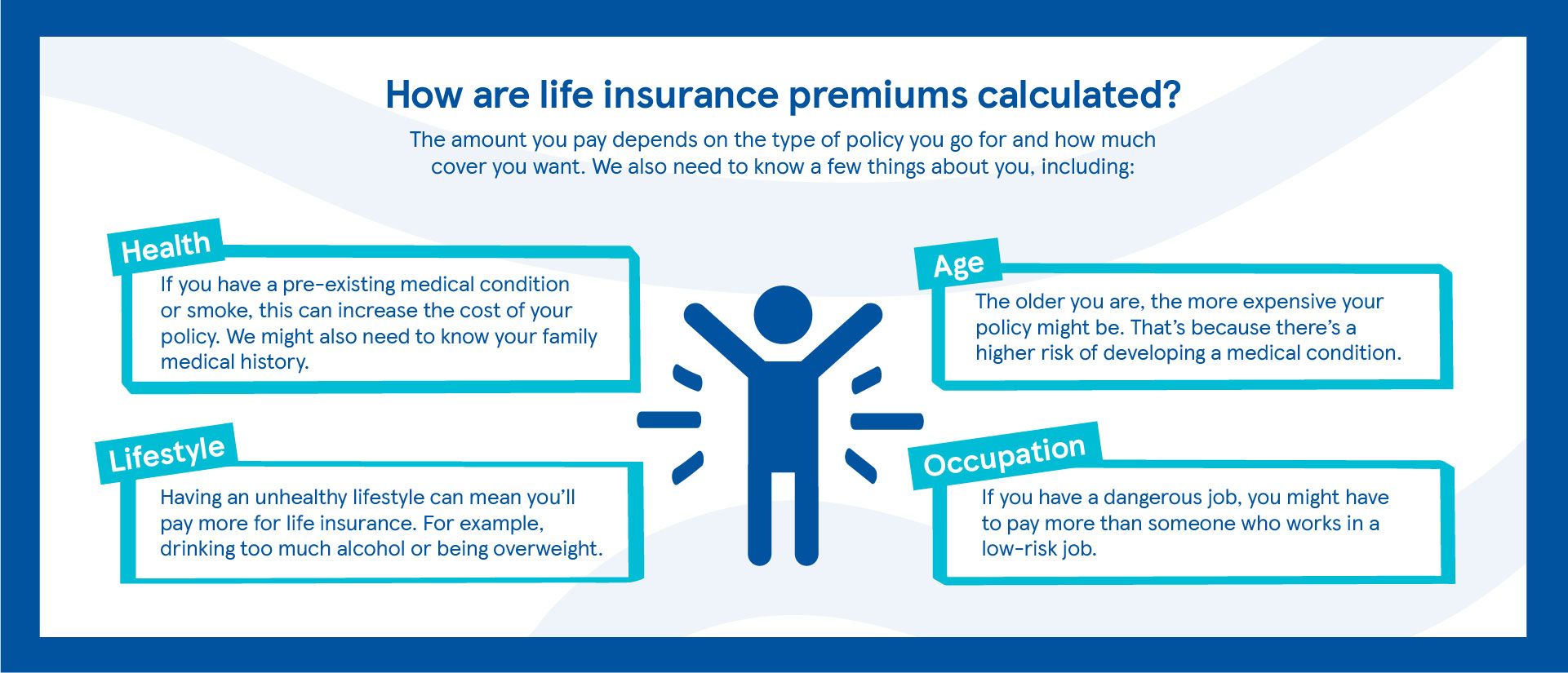
The Alcancorp life insurance structure is typically divided into three distinct categories: Basic Life Insurance, Optional Life Insurance, and Retiree Life Insurance. The specific amount of coverage and the premium structure depend heavily on the employee's status at the time of the Rio Tinto merger or their subsequent retirement date.
Basic Life Insurance
This is the core coverage provided by the employer at no cost to the employee. For active employees (or those who retired under specific early agreements), this amount was often calculated as a multiple of the annual base salary (e.g., 1x or 2x annual earnings). For many legacy Alcan retirees, this basic coverage may have transitioned into a fixed sum, often ranging from $10,000 to $50,000, designed primarily to cover final expenses and funeral costs.
Optional Life Insurance
During their active years, many Alcancorp employees chose to purchase additional coverage beyond the basic plan. This "Optional Life" or "Voluntary Life" insurance allowed employees to increase their death benefit by paying premiums through payroll deductions. In 2026, retirees who opted to "port" or "convert" this coverage upon leaving the company must ensure they are making direct payments to the insurance carrier (such as Sun Life) to keep the policy in force.
Dependent and Spousal Coverage
Some legacy Alcancorp plans offered the ability to insure a spouse or dependent children. These "rider" policies are typically smaller in value. It is a common point of confusion for beneficiaries to assume these policies are automatic; however, they usually require the primary policyholder to have remained in an active status or to have elected specific "retiree survivor" options at the time of their departure from the company.
Eligibility and the "Grandfather" Clause
One of the most critical aspects of Alcancorp life insurance is the eligibility criteria established during different eras of the company’s history. Because Alcan operated across various jurisdictions—primarily Canada, the United States, and Europe—and engaged in numerous collective bargaining agreements with unions, there is no "one size fits all" policy.
Most Alcancorp policies in 2026 are governed by "Grandfather Clauses." These clauses ensure that if you were hired or retired before a certain date, your benefits cannot be unilaterally reduced by subsequent corporate changes. For example, a retiree who left Alcan in 1998 may have a significantly different life insurance benefit than someone who retired from Rio Tinto Alcan in 2015.
To verify eligibility, policyholders should locate their Summary Plan Description (SPD). This document serves as the legal contract between the member and the plan. In 2026, these are often available digitally through the Mercer or Rio Tinto employee portals. If a member is unable to find their specific SPD, they must request a "Benefit Verification Letter" from the plan administrator to confirm the exact dollar amount of their death benefit and any applicable age-reduction schedules.
Understanding Age-Reduction Schedules
A common point of frustration for Alcancorp life insurance holders is the "age-reduction" provision. Many group life insurance policies include a clause where the total benefit amount decreases as the policyholder reaches certain age milestones, such as 65, 70, or 75.
These reductions are designed to offset the rising cost of insuring older individuals within a group pool. For instance, a policy that provides a $50,000 benefit at age 64 might reduce to $32,500 (a 35% reduction) once the member turns 65. It is vital for financial planning to check if your Alcancorp policy contains such a schedule, as it can significantly impact the liquidity available to your estate.
The Process of Claiming Death Benefits
When an Alcancorp policyholder passes away, the burden of initiating the claim falls upon the named beneficiaries. Because the company has undergone significant restructuring, beneficiaries often struggle to find the correct point of contact.
- Notification: The first step is to notify the Rio Tinto Benefits Center. You will need the deceased’s Social Security Number (or Social Insurance Number in Canada) and their employee ID if available.
- Death Certificate: A certified copy of the death certificate is required. In 2026, many administrators allow for the digital upload of these documents through secure portals, though some legacy claims may still require a physical copy sent via certified mail.
- Claim Forms: The administrator (e.g., Sun Life) will issue a "Beneficiary Claim Kit." This includes forms that must be completed by each named beneficiary.
- Verification: The insurance company will verify the policy status and the validity of the beneficiary designations. This process typically takes 10 to 30 business days after all documentation is received.
- Payout Options: Most Alcancorp claims are paid out as a lump sum check or a direct deposit. Some plans may offer a "Retained Asset Account," which functions like a checking account, allowing the beneficiary to draw down the funds as needed.
Comparing Legacy Alcancorp Plans to Modern Standards
To better understand where these policies stand in 2026, it is helpful to compare the features of a typical legacy Alcan plan with a standard modern corporate life insurance offering.
| Feature | Legacy Alcancorp (Retiree) | Modern Corporate Life (Active) |
|---|---|---|
| Primary Administrator | Rio Tinto / Mercer / Sun Life | In-house HR / Digital Platform |
| Coverage Basis | Fixed sum or grandfathered multiple | Usually 1x to 3x annual salary |
| Portability | Limited; often requires conversion | High; portable to individual plans |
| Premium Cost | Usually employer-paid (Basic) | Employer-paid (Basic) |
| Age Reductions | Often significant after age 65 | Standardized across most plans |
| Beneficiary Updates | Often requires paper forms | Primarily digital/self-service |
| Evidence of Insurability | Not required for legacy basic | Required for amounts over a "Guarantee Issue" |
Common Mistakes and How to Avoid Them
The most significant risk associated with Alcancorp life insurance is the failure to maintain accurate records. Because these policies can span forty or fifty years, information often becomes outdated.
Failing to Update Beneficiaries
Many policyholders named a beneficiary in the 1980s and have not updated the record since. If a named beneficiary has passed away, or if a divorce has occurred, the death benefit may be paid to the estate instead of the intended person. This often leads to the funds being tied up in probate court for months or years. In 2026, it is highly recommended to perform a "beneficiary audit" every three years.
Losing Track of the Administrator
As companies merge and TPAs change, the "home" of your policy moves. Many retirees still try to call "Alcan" offices that no longer exist. Always keep a current contact sheet for Rio Tinto Benefits and the specific insurance carrier (Sun Life, MetLife, etc.) in a safe place.
Misunderstanding the Tax Implications
Generally, life insurance death benefits are paid tax-free to beneficiaries in both the U.S. and Canada. However, any interest earned on the benefit from the date of death to the date of payout is considered taxable income. Furthermore, if the benefit is paid to the estate rather than a named individual, it may be subject to estate taxes or probate fees depending on the jurisdiction.
FAQs About Alcancorp Life Insurance
Is my Alcancorp life insurance still valid after the Rio Tinto merger? Yes. Rio Tinto assumed the legal obligations of Alcan Inc. Your life insurance remains valid as long as you met the eligibility requirements at the time of your retirement or termination and, in the case of optional coverage, that premiums have been consistently paid.
How can I find out the current value of my Alcancorp policy? You should contact the Rio Tinto Pensions and Benefits Service Center or log in to the Mercer Benefits portal associated with your legacy account. You will need to provide your retiree identification number or your Social Security/Insurance number to verify your identity.
Can I increase my Alcancorp life insurance coverage in 2026? Generally, no. For retirees, the window to increase coverage typically closed at the time of retirement. If you are an active employee under a legacy contract, you may be able to increase coverage during an open enrollment period, though this usually requires "Evidence of Insurability" (a medical questionnaire).
What happens to my Alcancorp policy if the insurance carrier changes? If Rio Tinto decides to move the group contract from one carrier (e.g., Sun Life) to another (e.g., Manulife), your coverage remains the same. The "underlying contract" is with the employer/pension plan; the insurance carrier is simply the provider of the funds. Your benefits and rights are protected under the original terms of your plan.
Can I convert my Alcancorp group life insurance to a private policy? Most group policies allow for a "Conversion Privilege" if you lose eligibility (e.g., if the group plan is terminated). However, this must typically be done within 31 days of the loss of eligibility. If you are already a retiree with a fixed death benefit, conversion is usually not necessary or available unless the company terminates the retiree benefit program entirely.
Who do I contact if I have a dispute regarding a claim? Disputes should first be directed to the insurance carrier's claims department. If the issue is not resolved, you can contact the Rio Tinto Benefits Ombudsman or the relevant government insurance regulatory body in your province or state.
Strategic Recommendations for Policyholders
If you currently hold an Alcancorp life insurance policy, your primary objective in 2026 should be verification and documentation. Do not assume that the information the company has on file is accurate, especially if you have moved or experienced major life changes in the last decade.
First, request a written statement of benefits. This document should clearly state the face value of the policy, any age-reduction schedules, and the current beneficiaries on file. Once received, share this information with your executor or primary beneficiary. Many life insurance benefits go unclaimed simply because the family was unaware the policy existed or didn't know which corporate entity to contact.
Second, if you have optional coverage for which you pay a premium, ensure those payments are automated. A single missed premium can result in the permanent cancellation of a legacy policy that may be impossible to replace at your current age. Finally, treat your Alcancorp life insurance as a "final expense" fund rather than a primary inheritance tool, as the fixed nature of these legacy benefits often means their real-world value has been eroded by inflation since they were first established.