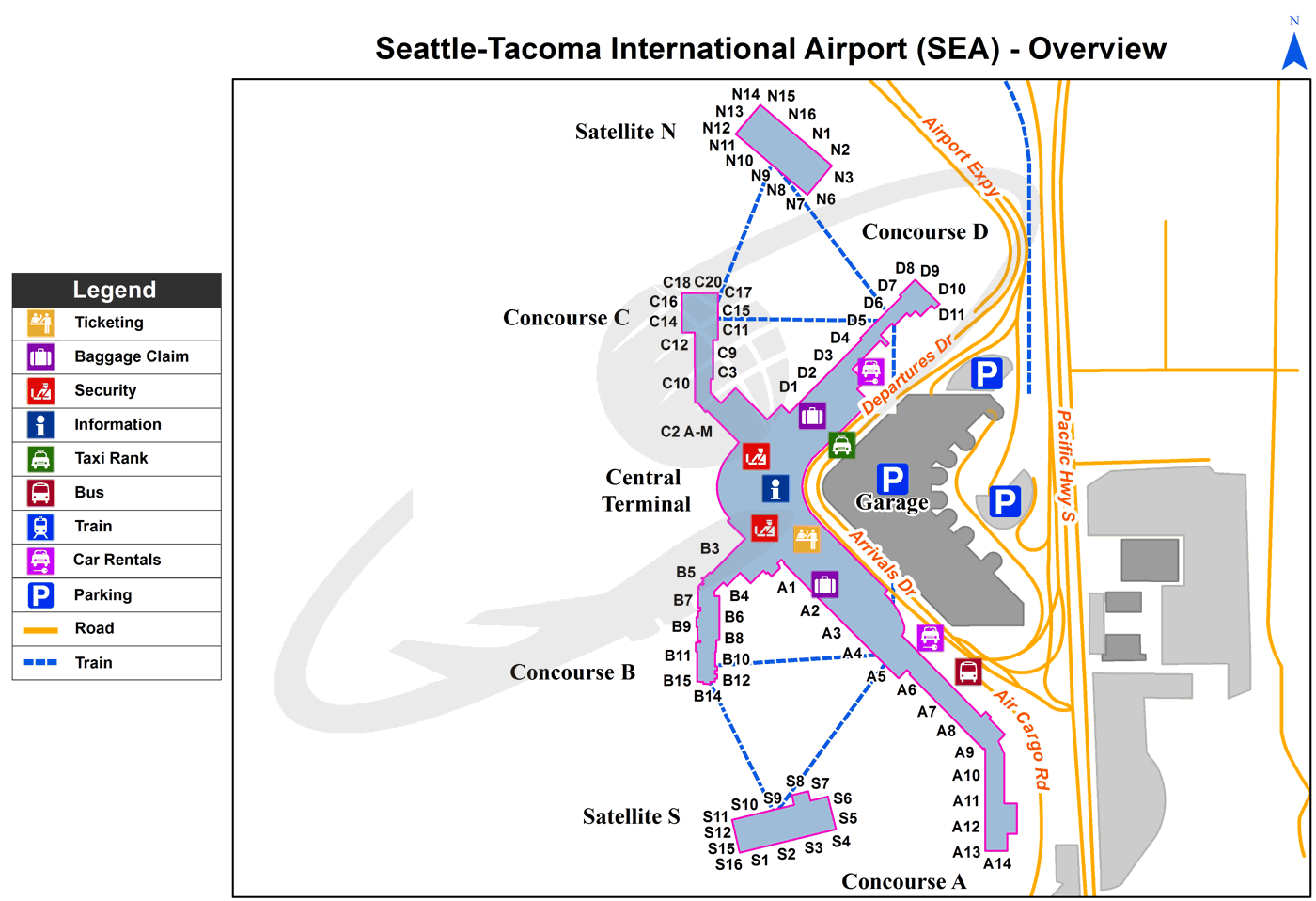
Alaska Airlines operates primarily out of the North Satellite (N Gates) and Concourse C at Seattle-Tacoma International Airport (SEA). As the airline's primary hub, Alaska also utilizes select gates in Concourse D and occasionally Concourse B. Travelers can move between these areas using the airport’s automated Satellite Transit System (STS) trains.
As of 2026, Seattle-Tacoma International Airport (SEA) serves as the bustling heart of Alaska Airlines' global operations. For passengers, navigating this massive hub can be daunting without a clear understanding of the terminal layout, gate locations, and the transit systems that connect them. Whether you are a frequent business traveler or a first-time visitor to the Pacific Northwest, this guide provides the technical and logistical details necessary to navigate Alaska’s Seattle operations with precision.
Alaska Airlines’ Hub Footprint at SEA
Alaska Airlines is the dominant carrier at SEA, accounting for over 50% of the airport’s total passenger traffic. Because of this massive scale, the airline does not operate from a single "terminal" in the traditional sense. Instead, it occupies several key areas of the airport, primarily the renovated North Satellite (N Gates) and Concourse C.
The North Satellite serves as the crown jewel of Alaska’s operations. Following a multi-hundred-million-dollar modernization project completed in the early 2020s, this facility was designed specifically to accommodate Alaska’s high-frequency departures. Meanwhile, Concourse C remains a vital artery for shorter West Coast hops and regional flights. Understanding which gate your flight departs from is the first step in a stress-free journey.
Primary Gate Locations
- North Satellite (N Gates): Gates N1 through N20. This is where most long-haul domestic and some international Alaska flights depart.
- Concourse C: Gates C1 through C20. These gates typically handle a mix of mainline Alaska flights and regional Horizon Air flights (operating as Alaska Horizon).
- Concourse D: Gates D1 through D11. Alaska frequently uses these gates for domestic departures to overflow from the N and C concourses.
- Concourse B: Occasionally used for international arrivals or specific partner-operated flights.
Check-in and Ticketing Procedures
When arriving at SEA for an Alaska Airlines flight, your journey begins at the Main Terminal. Alaska’s ticketing and check-in counters occupy a significant portion of the north end of the ticketing level (Level 5).
Digital and Self-Service Options
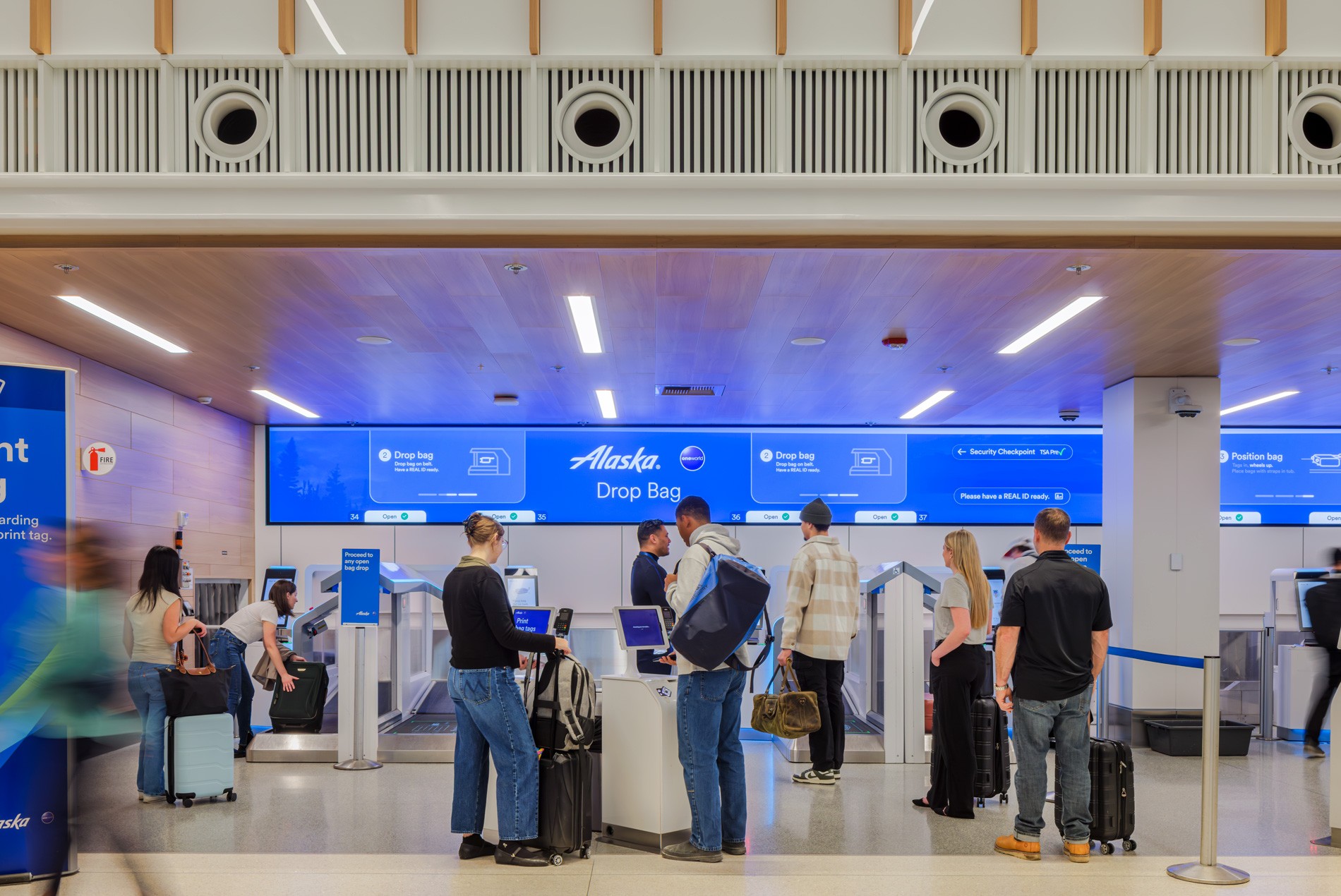
In 2026, Alaska Airlines has prioritized a "digital-first" check-in experience. Travelers are encouraged to use the Alaska Airlines mobile app to check in 24 hours in advance. If you have bags to drop, you can use the automated bag-tag kiosks located in the ticketing hall. After printing your tags and attaching them to your luggage, you proceed to the "Bag Drop" stations where agents verify your ID and scan your bags into the system.
Full-Service Counters
For passengers requiring extra assistance—such as those traveling with pets in the cabin, unaccompanied minors, or those with complex international visa requirements—full-service counters are located at the far north end of the terminal. There are dedicated lanes for Mileage Plan MVP Gold, Gold 75K, and Gold 100K members, as well as First Class passengers, to expedite the process.
Security Screening and SEA Spot Saver
SEA is known for its fluctuating security wait times. To mitigate this, Alaska passengers have several options. Security Checkpoint 5 is the closest to the Alaska ticketing counters, but Checkpoint 3 (central) often has higher capacity.
SEA Spot Saver
A vital tool for Alaska travelers is SEA Spot Saver. This free service allows passengers without TSA PreCheck or CLEAR to "reserve" a time slot in the security line. By booking a slot up to five days in advance, you can use a dedicated lane at a specific time, significantly reducing the wait. This is particularly useful during the morning "push" when dozens of Alaska flights depart simultaneously.
TSA PreCheck and CLEAR
For those with expedited credentials, TSA PreCheck lanes are typically available at Checkpoints 1, 4, and 5. CLEAR pods are also integrated into these checkpoints, allowing for biometric identity verification. If you are an Alaska First Class passenger or a high-tier elite member, look for the "Premium" security lanes, though these do not always bypass the physical screening process as quickly as TSA PreCheck.
Navigating the Satellite Transit System (STS)
Since Alaska’s primary gates (N Gates) are in a satellite building disconnected from the Main Terminal, you must use the Satellite Transit System (STS). This automated underground train is efficient, but it requires a few minutes of extra travel time.
- To N Gates: After passing through security, follow signs for the "N Gates" or "North Satellite." You will take an escalator down to the train platform. The North Loop (Blue Line) connects the Main Terminal (near Concourse C/D) to the North Satellite.
- To C Gates: Most C gates are accessible by walking directly from the security checkpoints. However, if you are coming from the North Satellite, you can take the train back to the main station.
- Transit Times: The trains run every 2 to 5 minutes. The ride from the Main Terminal to the N Gates takes approximately 3 minutes.
| Feature | North Satellite (N Gates) | Concourse C | Concourse D |
|---|---|---|---|
| Primary Use | Mainline Hub & Long-haul | Regional & West Coast | Domestic Overflow |
| Lounge Access | Alaska Lounge (N Gates) | Alaska Lounge (C Gates) | Alaska Lounge (D Gates) |
| Access Method | STS Train (Blue Loop) | Walking / STS Train | Walking |
| Key Amenities | Nursing Rooms, Pet Relief | Large Food Court | Quiet Seating Areas |
| Dining Quality | High (Newer vendors) | Moderate (Standard SEA fare) | Basic |
The North Satellite Experience (N Gates)
The North Satellite is widely considered the best part of the airport for Alaska passengers. After a major expansion, it now features high ceilings, natural light, and a Pacific Northwest-inspired design.
Alaska Lounge (North Satellite)
The flagship Alaska Lounge is located on the mezzanine level of the North Satellite. Spanning over 15,000 square feet, it offers panoramic views of the Olympic Mountains and the airfield.
- Amenities: A barista station for custom coffee, the iconic automated pancake machine, local craft beers on tap, and plenty of power outlets at every seat.
- Access: Available to First Class passengers (on qualifying fares), Alaska Lounge members, and via day passes (subject to capacity).
Dining and Retail
The N Gates area features several Seattle-centric dining options, such as Bambuza Vietnam Kitchen and Skillet. For those looking for a quick snack, several "Grab & Go" kiosks are scattered near the center of the satellite. Retail shops focus on local brands, offering everything from Filson outdoor gear to Sub Pop records.
Alaska Lounges: A Detailed Comparison
Alaska Airlines operates three distinct lounges at SEA, each catering to different concourses. Depending on your gate and membership status, you may choose one over the other.
- Concourse C Lounge: Located near gate C16, this lounge is conveniently situated for those on regional flights. It was renovated in the early 2020s and offers a cozy, albeit often busy, atmosphere.
- Concourse D Lounge: This is the original Alaska Lounge at SEA. It is smaller and lacks some of the modern flair of the N Gates lounge but is usually quieter. It is located near the intersection of Concourses C and D.
- North Satellite Lounge: As mentioned, this is the flagship. If you have more than an hour before your flight and are departing from N gates, this is the superior choice for comfort and food selection.
Baggage Claim and the 20-Minute Guarantee
Upon landing at SEA, Alaska Airlines passengers follow signs toward "Baggage Claim." You will need to take the STS train from the North Satellite back to the Main Terminal station. From there, take the escalators up to the Baggage Claim level (Level 3).
The Alaska 20-Minute Guarantee: Alaska Airlines maintains a famous commitment to its passengers: if your bags are not at the carousel within 20 minutes of your plane arriving at the gate, you are entitled to compensation.
- Compensation: Usually 2,500 Mileage Plan miles or a $25 discount voucher for a future flight.
- How to Claim: You must speak with an Alaska Airlines baggage agent at the office located near Carousel 16 within two hours of your flight's arrival.
Connectivity and International Transfers
For passengers connecting from an Alaska flight to an international partner (like British Airways, Qatar Airways, or Cathay Pacific), the process usually involves moving from the N Gates to the South Satellite (S Gates) or Concourse A.
- The STS Loop: To get to the South Satellite, you must take the train back to the Main Terminal station and transfer to the South Loop (Green Line).
- Baggage: If you are on a single ticket, your bags will be checked through to your final destination. However, if you are arriving on an international flight and connecting to an Alaska domestic flight, you must clear Customs and Border Protection (CBP) at the International Arrivals Facility (IAF), re-check your bags, and go through security again.
Essential Tips for Alaska Travelers at SEA
To ensure a seamless experience, consider these professional travel tips:
- Download the Fly SEA App: While the Alaska app is great for boarding passes, the official Port of Seattle Fly SEA app provides real-time security wait times and a searchable map of all terminal amenities.
- Check the Gate Twice: SEA is prone to gate changes due to the high volume of traffic. Check the monitors as soon as you step off the STS train at the North Satellite.
- Walk the "Loop": If you have a long layover and want exercise, the walk from Concourse A to Concourse D is nearly half a mile and provides excellent plane-spotting opportunities.
- Power Up: Alaska aircraft are equipped with power at every seat, but if you need a quick charge at the gate, the N Gates have integrated USB-C and standard outlets at nearly every seating cluster.
Frequently Asked Questions
Which terminal does Alaska Airlines use at Seattle-Tacoma International Airport?
Alaska Airlines primarily uses the North Satellite (N Gates) and Concourse C. It is the largest carrier at SEA and also utilizes gates in Concourse D for domestic flights. All check-in and baggage claim functions take place in the Main Terminal.
How do I get to the N Gates from the main ticketing area?
After clearing security, follow signs for the N Gates. You will take an escalator down to the Satellite Transit System (STS) and board the Blue Loop train. The train will take you directly to the North Satellite in about three minutes.
Does Alaska Airlines have a lounge in Seattle?
Yes, Alaska Airlines operates three lounges at SEA. They are located in the North Satellite (mezzanine level), Concourse C (near gate C16), and Concourse D (near the central terminal). The North Satellite location is the largest and most modern.
What is the Alaska Airlines 20-minute baggage guarantee?
Alaska Airlines guarantees that your checked luggage will arrive at the baggage carousel within 20 minutes of the aircraft parking at the gate. If it takes longer, you can claim 2,500 Mileage Plan miles or a $25 flight voucher by visiting the Alaska baggage service office.
Is there a pet relief area near the Alaska gates?
Yes, there are dedicated pet relief areas located in the North Satellite (near the STS station) and in the walkway between Concourse C and D. These areas are designed for service animals and pets traveling in cabins.
Can I use TSA PreCheck at any checkpoint for an Alaska flight?
While you can use any checkpoint, Checkpoint 5 is the most convenient for Alaska Airlines passengers as it is located directly adjacent to the Alaska check-in counters. Checkpoint 5 typically offers dedicated TSA PreCheck lanes during peak hours.
Final Recommendation
For the most efficient experience at SEA, always check in via the Alaska Airlines mobile app and book an SEA Spot Saver appointment if you do not have TSA PreCheck. If your flight departs from the N Gates, aim to arrive at the airport at least 90 minutes before departure to account for the train transit time. If you have extra time, the North Satellite Alaska Lounge offers the best amenities and views for a relaxing start to your journey.