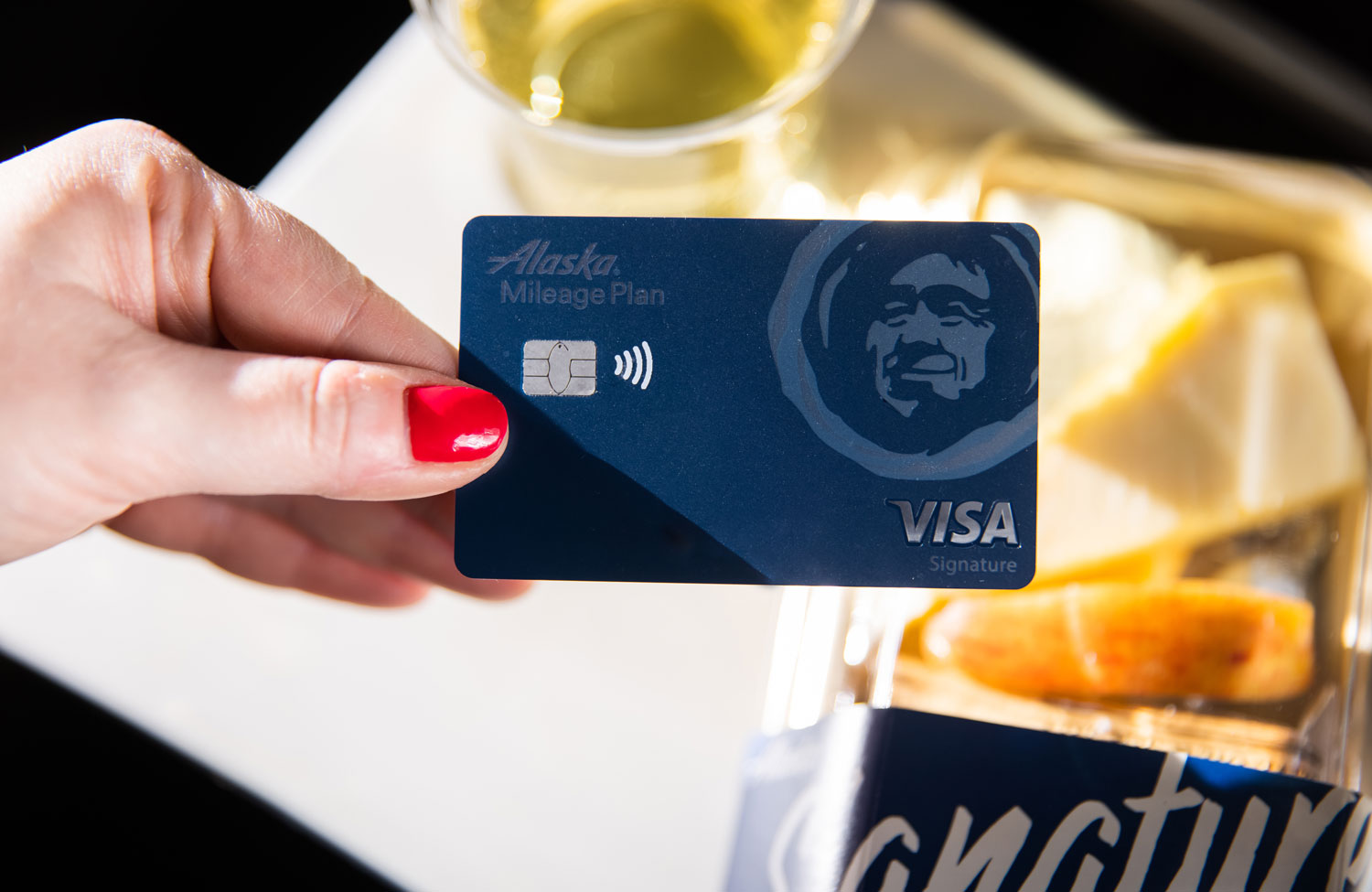
When renting a vehicle, using the Alaska Airlines Visa Signature® credit card issued by Bank of America provides an auto rental collision damage waiver that can save you money and protect your travels. This complimentary coverage acts as a secondary insurance policy for domestic rentals and primary coverage for most international rentals, shielding you from financial liability if the rental car is damaged or stolen, provided you decline the rental agency’s collision damage waiver and charge the entire rental transaction to the card.
Introduction to Alaska Airlines Credit Card Rental Protection
Navigating the landscape of credit card travel benefits can significantly reduce out-of-pocket expenses, particularly when renting a car. The Alaska Airlines credit card, issued through a partnership between Alaska Airlines and Bank of America, offers built-in consumer protections that often go unnoticed by cardholders. Among these perks is the Auto Rental Collision Damage Waiver (CDW).
Understanding how this protection operates requires looking beyond simple marketing bullet points. Cardholders must recognize the distinct difference between primary and secondary coverage, navigate the strict procedural rules mandated by Bank of America, and understand which vehicles and situations are excluded. This comprehensive guide details the mechanics of the Alaska Airlines credit card auto rental insurance, outlining how to activate the coverage, what is included, how to file a claim, and strategies to ensure you remain fully protected on your next road trip or vacation.
Primary versus Secondary Coverage Mechanics
The foundational aspect of credit card rental insurance is understanding whether the policy acts as primary or secondary coverage. For most credit card products, including the Alaska Airlines Visa Signature card issued by Bank of America, the coverage is secondary within your country of residence.
How Secondary Coverage Works Domestically
When you rent a car in your home country (typically the United States), the Bank of America Auto Rental CDW functions as secondary coverage. This means:
- Primary Responsibility: Your personal auto insurance policy (or any other applicable primary insurance) must be billed first for any damage or theft claims.
- Supplemental Coverage: The credit card's insurance steps in to cover the remaining eligible expenses that your personal auto insurance policy does not pay, such as your deductible, reasonable towing charges, and loss-of-use fees charged by the rental agency.
- Deductible Reimbursement: For many consumers, the most valuable part of secondary credit card coverage is its ability to reimburse the high out-of-pocket deductible mandated by their personal auto insurance policies.
How Primary Coverage Works Internationally
When you rent a vehicle outside of your country of residence, the policy typically upgrades to primary coverage.
- You do not need to involve your personal auto insurance provider.
- Bank of America’s card benefit pays out first for covered damages, eliminating the risk of your personal auto insurance rates increasing due to an international rental incident.
- You must still explicitly decline the rental car company's local collision damage waiver (often labeled as LDW or CDW) at the rental counter for this coverage to remain valid.
Qualification and Activation Requirements
Having the Alaska Airlines credit card in your wallet does not automatically guarantee that your rental car is protected. Bank of America enforces strict procedural prerequisites that must be met to activate the auto rental collision damage waiver. Failure to follow any single step can result in a denied claim.
1. Declining the Rental Agency’s Waiver
To activate the credit card’s CDW, you must explicitly decline the optional Collision Damage Waiver (CDW) or Loss Damage Waiver (LDW) offered by the rental car company.
- If you accept the rental company’s daily waiver, you are paying for their protection, and Bank of America’s insurance becomes entirely null and void.
- Rental counter agents sometimes push these coverages aggressively, citing potential hassle. Stand firm and decline the coverage while confirming that you understand you are waiving their in-house protection.
2. Charging the Entire Transaction
You must charge the entire rental transaction—from the initial reservation to the final vehicle drop-off—to your Alaska Airlines credit card issued by Bank of America.
- Using a combination of points, cash, and another credit card can void the coverage.
- If you pay for part of the rental using third-party travel portals, gift cards, or airline vouchers that obscure the card charge, verify whether the primary payment method still qualifies under Bank of America's terms and conditions.
3. Eligible Cardholders
The person renting the vehicle and signing the rental agreement must be the primary cardholder or an authorized user on the Alaska Airlines credit card account. Furthermore, that same individual must be listed as the primary driver on the car rental agreement. Additional drivers can be added to the rental agreement, but check the benefit guide to ensure they do not compromise coverage terms.
Scope of Coverage: What is Included and Excluded?
Bank of America’s Auto Rental Collision Damage Waiver is designed to cover specific financial losses related to physical damage and theft of the rental vehicle, but it has strict operational boundaries.
Covered Losses
When a claim is successfully processed, the benefit typically covers:
- Physical Damage: Repair costs up to the actual cash value of the vehicle resulting from accidental collision or vandalism.
- Theft: The cost of the vehicle if it is stolen, along with any verified damage incurred during the theft or attempted theft.
- Loss of Use: Reasonable and customary charges billed by the rental company for the period the vehicle is out of service while being repaired.
- Towing Charges: Necessary towing expenses incurred immediately following an accident or disablement, provided they are tied to a covered incident.
Common Exclusions and Limitations
It is equally critical to understand what the policy does not cover to avoid unexpected financial exposure:
- Liability Insurance: The credit card CDW does not cover bodily injury or property damage inflicted on other people, their vehicles, or public property. You must rely on your personal auto liability insurance or purchase supplemental liability insurance from the rental agency.
- Vehicle Types: Certain vehicles are explicitly excluded from coverage. This frequently includes exotic cars, antique cars, passenger vans seating more than nine people, cargo vans, limousines, off-road vehicles, and motorcycles. Standard sedans, SUVs, and minivans are generally covered.
- Rental Duration: Most card policies enforce a maximum rental period limit—often 31 consecutive days. If your rental exceeds this timeframe, the entire coverage may be invalidated, not just the days past the limit.
- Geographic Restrictions: Certain countries have high theft or political risk profiles and are excluded by credit card issuers (e.g., specific nations in parts of the Middle East, Africa, or Eastern Europe). Always review the current Guide to Benefits before traveling internationally.
- Reckless Behavior: Damage caused while driving under the influence of alcohol or drugs, participating in speed contests, or driving on unpaved roads is strictly excluded.
Comparison of Coverage Elements
To easily digest how the Bank of America Alaska Airlines card insurance stacks up against other alternatives, review the comparison matrix below:
| Coverage Source | Primary/Secondary | Covers Deductible? | Covers Third-Party Liability? | Cost |
|---|---|---|---|---|
| Alaska Airlines Card (Domestic) | Secondary | Yes (Reimburses personal auto deductible) | No | Included with card membership |
| Alaska Airlines Card (International) | Primary | N/A (Pays first) | No | Included with card membership |
| Rental Agency CDW/LDW | Primary | Zero Deductible | No | High daily fee ($15–$50+/day) |
| Personal Auto Insurance | Primary | No (You pay your deductible) | Yes (Typically up to policy limits) | Standard monthly/annual premium |
Step-by-Step Claims Process with Bank of America
If you experience an accident, vehicle damage, or theft while utilizing your Alaska Airlines credit card, you must initiate the claims process promptly. Time is of the essence, as delays can forfeit your right to reimbursement.
Step 1: Document the Scene and Incident
If an accident occurs, ensure safety first and contact local law enforcement to file an official police report. A police report is often mandatory for claims involving theft, vandalism, or multi-car collisions. Take clear, well-lit photographs of the damage from multiple angles.
Step 2: Notify Bank of America Immediately
Call the benefits administrator using the phone number printed on the back of your Alaska Airlines credit card or consult your Guide to Benefits. Inform them that you intend to file an auto rental collision damage waiver claim. They will open a claim file and send you an official claims packet.
Step 3: Gather Required Documentation
To successfully process your claim, Bank of America's claims administrator will require a comprehensive collection of documents. Prepare to submit:
- A copy of the monthly credit card statement showing the initial reservation and full payment for the rental car.
- The original vehicle rental agreement (both front and back sides).
- The itemized repair bill or estimate from the rental agency.
- A copy of the accident report or police report, if applicable.
- A copy of the claim settlement letter from your personal auto insurance carrier (if renting domestically) showing what they paid and what your deductible was.
- Correspondence from the rental car company demanding payment for damages.
Step 4: Submit and Follow Up
Complete the claim form accurately and attach all gathered documentation within the timeline specified in your Guide to Benefits (usually within 90 to 180 days of the incident). Keep copies of everything you submit and monitor the claim status through the designated administrator portal or via customer service calls.
Common Mistakes to Avoid
Even seasoned travelers occasionally make critical errors that void their credit card auto rental protection. Avoiding these pitfalls ensures you are never caught unprotected:
- Using Debit Cards or Gift Cards: Paying for the reservation with a debit card or applying third-party gift certificates for a portion of the balance can disqualify you from the benefit. Always charge the entire transaction to your eligible Alaska Airlines Visa Signature card.
- Failing to Read the Fine Print on Vehicle Restrictions: Assuming a large moving truck or a luxury sports car is covered simply because it was booked through a major rental agency. Always verify vehicle eligibility.
- Missing Filing Deadlines: Waiting months to report an incident or gather paperwork. Insurance administrators enforce strict statutory deadlines for initial notice and final document submission.
- Forgetting to Decline Agency CDW: Verbally declining the counter agent's offer is not enough; you must ensure the box declining the collision damage waiver is checked and initialed on the printed rental contract before signing.
Frequently Asked Questions
Does the Alaska Airlines credit card cover peer-to-peer car rentals like Turo?
Most standard credit card auto rental collision damage waivers exclude peer-to-peer car-sharing platforms (such as Turo or Getaround) because the vehicles are not owned and managed by traditional, licensed commercial rental car agencies. Stick to traditional commercial fleets (e.g., Enterprise, Hertz, Avis, Budget) to maintain coverage eligibility.
What happens if the rental car company charges my card for damages before a claim is filed?
If the rental agency charges your card for damages before the claim is finalized, you should immediately contact Bank of America’s benefit administrator to report the charge as part of your active claim. You can also dispute the charge with Bank of America’s credit card customer service if the charges are fraudulent or disputed, though working through the dedicated CDW claims channel is the correct path for verified damages.
Does this insurance cover rental cars in every country?
No. While coverage extends to many international destinations, certain countries are explicitly excluded due to local laws, elevated risk, or underwriting guidelines. Common exclusions include Ireland, Israel, Jamaica, and various nations experiencing geopolitical instability. Always review the geographic restriction list in your card's specific Guide to Benefits before booking travel abroad.
Can an authorized user on the credit card rent the car and still get coverage?
Yes, provided the authorized user is listed as the primary driver on the rental agreement and the rental is charged to the shared Alaska Airlines credit card account. The coverage applies regardless of whether the primary cardholder or the authorized user is behind the wheel, as long as all other terms are met.
Expert Recommendations for Travelers
To maximize your financial protection when renting a vehicle using your Alaska Airlines credit card, adopt a proactive verification routine. Before your trip, download or review the current digital Guide to Benefits associated with your specific Bank of America Alaska Airlines card tier, as terms can occasionally be updated. Verify that your destination country is not on the exclusion list, ensure you plan to decline the counter waiver, and confirm that you have adequate personal auto liability insurance in place for domestic travel. By adhering to these operational steps, you can enjoy seamless travel and substantial cost savings on your next journey.