Alan Titchmarsh has accumulated a substantial net worth estimated between £10 million and £15 million through a decades-long career as a television broadcaster, best-selling author, novelist, and professional horticulturist. His wealth stems from his extensive media portfolio, multiple television series, commercial endorsements, and a prolific literary output encompassing gardening guides and fiction.
Introduction to Alan Titchmarsh and His Financial Standing
Understanding the wealth of a prominent public figure like Alan Titchmarsh requires looking past tabloid speculation and examining the diverse revenue streams that sustain a multi-decade media career. In the contemporary entertainment and publishing landscape, public interest in celebrity finances often intersects with curiosity about how long-term careers in traditional broadcasting translate into personal capital. For Titchmarsh, his net worth is not the result of a single blockbuster project or a sudden commercial venture. Instead, it represents a steady accumulation of income derived from television presenting contracts, writing royalties, public speaking engagements, and horticultural endeavors spanning more than forty years.
As a household name in the United Kingdom, Titchmarsh transitioned from a respected jobbing gardener and horticultural journalist into a beloved national institution. This evolution allowed him to command competitive fees for prime-time broadcasting slots on networks like the BBC and ITV, while simultaneously building a lucrative secondary career as a novelist. While financial estimates published in media outlets vary—often placing his fortune in the £10 million to £15 million range—these figures are estimates rather than officially audited disclosures. Analyzing how this wealth was built provides valuable insight into the economics of British broadcasting, the publishing industry, and personal brand longevity.
The Foundations of a Horticultural Career
Long before he became a television fixture, Alan Titchmarsh established his credentials in the soil. Born in Ilkley, West Riding of Yorkshire, in 1949, he left school at age fifteen with few formal qualifications and began an apprenticeship with the local parks department. This practical, hands-on training served as the bedrock of his professional identity. He subsequently moved to the Royal Botanic Gardens, Kew, where he earned a diploma in horticulture, gaining deep technical knowledge of plant cultivation, landscape design, and botanical science.
This foundational expertise did not immediately translate into high earnings, but it provided the authenticity required to build a trusted public profile. His entry into media began through print journalism rather than television, working as an assistant editor for Amateur Gardening magazine in the late 1970s. Print journalism provided steady, modest income while sharpening his ability to communicate complex horticultural concepts to lay audiences. This communication skill became his primary economic asset, bridging the gap between niche technical gardening and mainstream entertainment.
Television Broadcasting and Media Contracts
Television has been the primary engine of Titchmarsh's financial growth. His breakout role came on the BBC television programme Nationwide in the 1980s, which led to high-profile presenting roles on long-running staples such as Gardeners' World. Hosting Gardeners' World from 1996 to 2002 cemented his status as the preeminent gardening broadcaster in the UK, placing him at the center of the BBC's lifestyle programming block during an era of substantial broadcast budgets and large viewing figures.
Following his tenure on Gardeners' World, Titchmarsh expanded his television footprint beyond horticulture. He hosted the popular factual series British Isles: A Natural History, How to Be a Gardener, and fronted the hugely successful BBC makeover show Ground Force, which attracted audiences of over 12 million viewers at its peak. These ratings enabled him to negotiate favorable contracts for subsequent projects, including his own daytime chat show, The Alan Titchmarsh Show, which ran on ITV from 2007 to 2014 across nearly 900 episodes.
The economic model of British television broadcasting relies heavily on tier-based talent fees, residual payments for repeats, and independent production company stakes. While the BBC operates under strict public funding scrutiny and published talent salary bands during later years of his tenure, commercial television contracts with ITV and independent production companies offered greater flexibility for substantial commercial remuneration. Additionally, personal appearance fees for corporate events, flower shows, and public lectures added significant supplementary income to his core broadcasting earnings.
Publishing Empire and Literary Royalties
Beyond the screen, Titchmarsh is a remarkably prolific writer. His bibliography includes dozens of non-fiction gardening and horticulture titles, many of which became publishing sensations and perennial best-sellers. Books such as How to Be a Gardener and various seasonal companion guides sold millions of copies, generating consistent royalty streams that often outlive the initial broadcast windows of the television series they accompanied.
In a significant career pivot, Titchmarsh expanded into fiction writing, publishing his debut novel, Only Dad, in 2002. Since then, he has authored numerous best-selling novels, including Mr. Fairfax of Empire, The Last Adventurer, and Bring Me Home. Fiction writing for an established public figure operates on a different commercial scale than non-fiction, involving advance payments from major publishing houses such as Hodder & Stoughton, international rights sales, and paperback licensing. The combination of steady non-fiction backlist sales and high-volume fiction distribution has ensured that publishing remains a cornerstone of his overall net worth.
Real Estate Assets and Lifestyle Investments
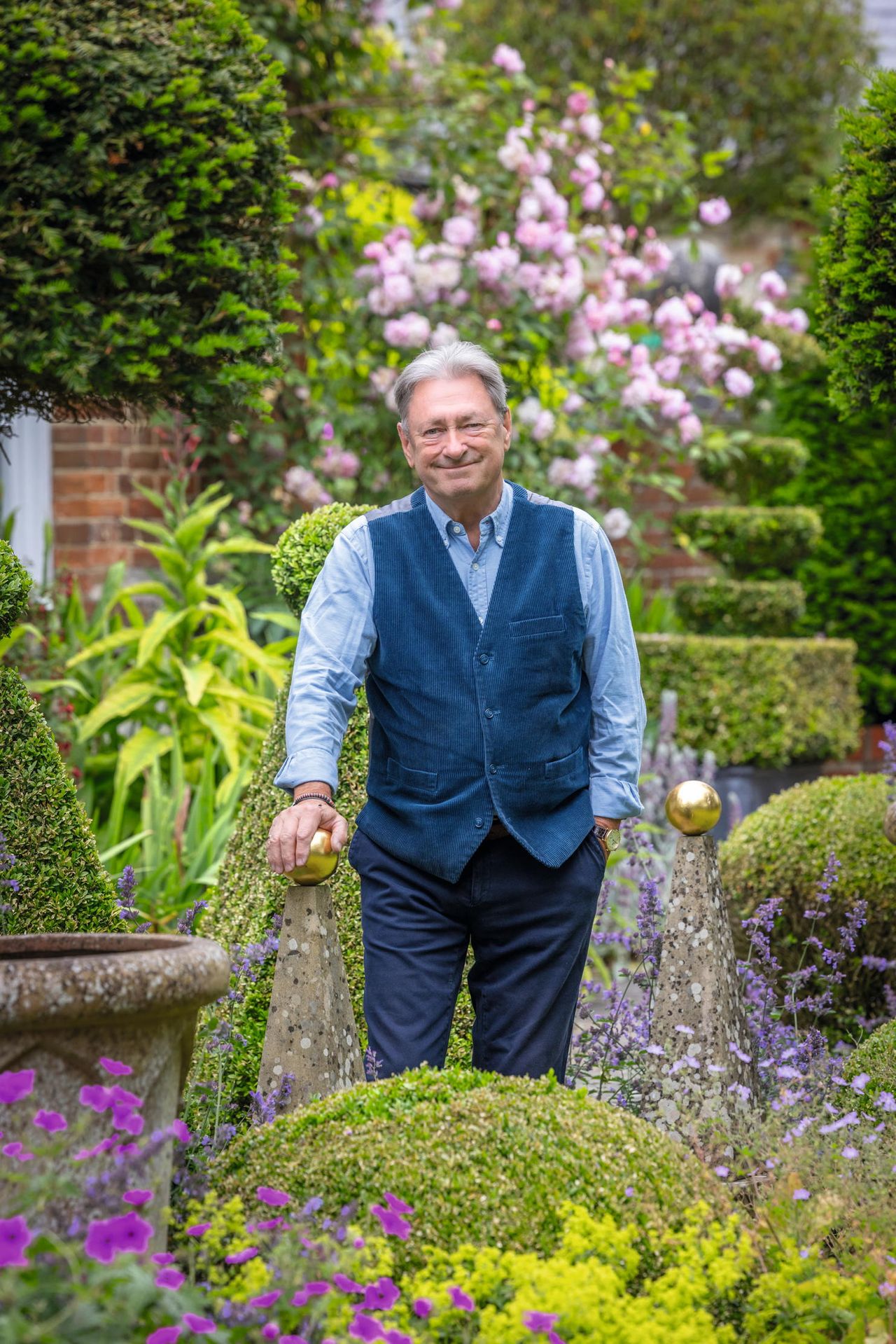
Real estate holdings form a substantial portion of the tangible wealth associated with high-net-worth individuals, and Titchmarsh's property investments reflect his professional passions. His primary residence is a grade-II listed Georgian farmhouse in Hampshire, featuring extensive gardens that have frequently been featured in his horticultural publications and television specials. Purchasing and maintaining a historic property of this scale requires significant capital expenditure, but it also represents a stable, long-term asset class.
Property values in rural and semi-rural Hampshire have historically appreciated strongly, contributing to the growth of his net worth independent of active earnings. Furthermore, his estate provides a working laboratory and backdrop for his media productions, allowing for efficient integration of personal lifestyle assets and professional work environments. Additional property holdings or historical investments are managed privately, adhering to standard wealth preservation strategies typical of long-standing public figures.
Overview of Revenue Streams and Wealth Components
| Revenue Category | Primary Sources | Estimated Impact on Net Worth |
|---|---|---|
| Television Broadcasting | BBC and ITV presenting contracts, chat shows, documentary series, and syndication residuals. | High (Primary driver of initial capital accumulation) |
| Literary Output | Gardening guidebooks, memoirs, and commercial fiction novels published by major houses. | High (Consistent, long-term royalty generation) |
| Commercial Endorsements | Brand partnerships, horticultural product lines, and public speaking engagements. | Moderate (Supplemental annual income) |
| Real Estate Portfolio | Historic Hampshire farmhouse and associated land holdings. | High (Long-term asset appreciation and wealth store) |
Philanthropy, Patronage, and Public Recognition
Financial wealth for public figures in the UK is frequently balanced by institutional patronage and charitable involvement. Titchmarsh has used his platform and financial standing to support numerous horticultural, environmental, and medical charities. He has served as president of Perennial (the Gardeners' Royal Benevolent Society) and holds patronages with organizations such as Plant Heritage and the WRVS (Women's Royal Voluntary Service).
His contributions to broadcasting, horticulture, and literature were formally recognized by the British state when he was appointed a Member of the Order of the British Empire (MBE) in the 2000 New Year Honours, and subsequently upgraded to a Lieutenant of the Royal Victorian Order (RVO) in 2019 for his services to horticulture and broadcasting, particularly regarding the Royal Windsor Flower Show and work with the Queen's Diamond Jubilee. While honors and patronages do not directly dictate net worth, they reflect the sustained professional reputation that underpins his commercial viability.
Common Misconceptions Regarding Celebrity Wealth
Public perception of celebrity net worth is frequently distorted by internet aggregators and unverified financial blogs that inflate figures based on gross earnings rather than net assets, tax liabilities, and business expenses. When evaluating estimates of Alan Titchmarsh's net worth, several economic realities must be considered:
- Gross Income vs. Net Assets: High gross earnings from television contracts and book advances are subject to corporate and income tax rates, agent commissions, legal fees, and production or operational overheads.
- Valuation Volatility: Real estate values and investment portfolios fluctuate according to macroeconomic conditions, meaning static online net worth figures rarely reflect real-time market liquidations.
- Private Financial Management: Public figures generally maintain strict privacy regarding their private banking, pensions, and investment portfolios, rendering published net worth figures speculative rather than factual.
Frequently Asked Questions
What is Alan Titchmarsh's estimated net worth?
Alan Titchmarsh's net worth is widely estimated by media sources to be between £10 million and £15 million. This figure is an aggregate estimate based on his long career in television broadcasting, book sales, real estate, and commercial endorsements rather than an officially published financial disclosure.
How did Alan Titchmarsh make his money?
His wealth is primarily self-made through multiple professional channels. The largest contributors are his decades-long television career with the BBC and ITV, extensive royalties from best-selling non-fiction gardening books and fiction novels, public speaking, and strategic real estate investments.
Is Alan Titchmarsh still active in television?
Yes, he continues to work in broadcasting, though his workload has shifted away from grueling daily schedules toward select documentary series, gardening programs, and special appearances on networks such as ITV and Channel 5, alongside his writing commitments.
Does Alan Titchmarsh own a notable garden?
He resides in a historic Georgian farmhouse in Hampshire featuring extensive, professionally designed gardens that he frequently maintains himself. These gardens have been documented in various television segments and publications throughout his career.
What honors has Alan Titchmarsh received?
He was appointed an MBE in 2000 for services to horticulture and broadcasting and was later appointed a Lieutenant of the Royal Victorian Order (RVO) in 2019 in recognition of his service to the Crown and horticultural organizations.
Practical Next Actions for Financial Research
Readers examining celebrity wealth or media economics should rely on primary corporate filings, official publishing reports, and verified biographical records rather than unverified net worth aggregators. For those interested in pursuing careers in horticulture or media, Titchmarsh’s trajectory demonstrates that combining specialized technical expertise with strong communication skills remains a viable path to both professional recognition and long-term financial stability.