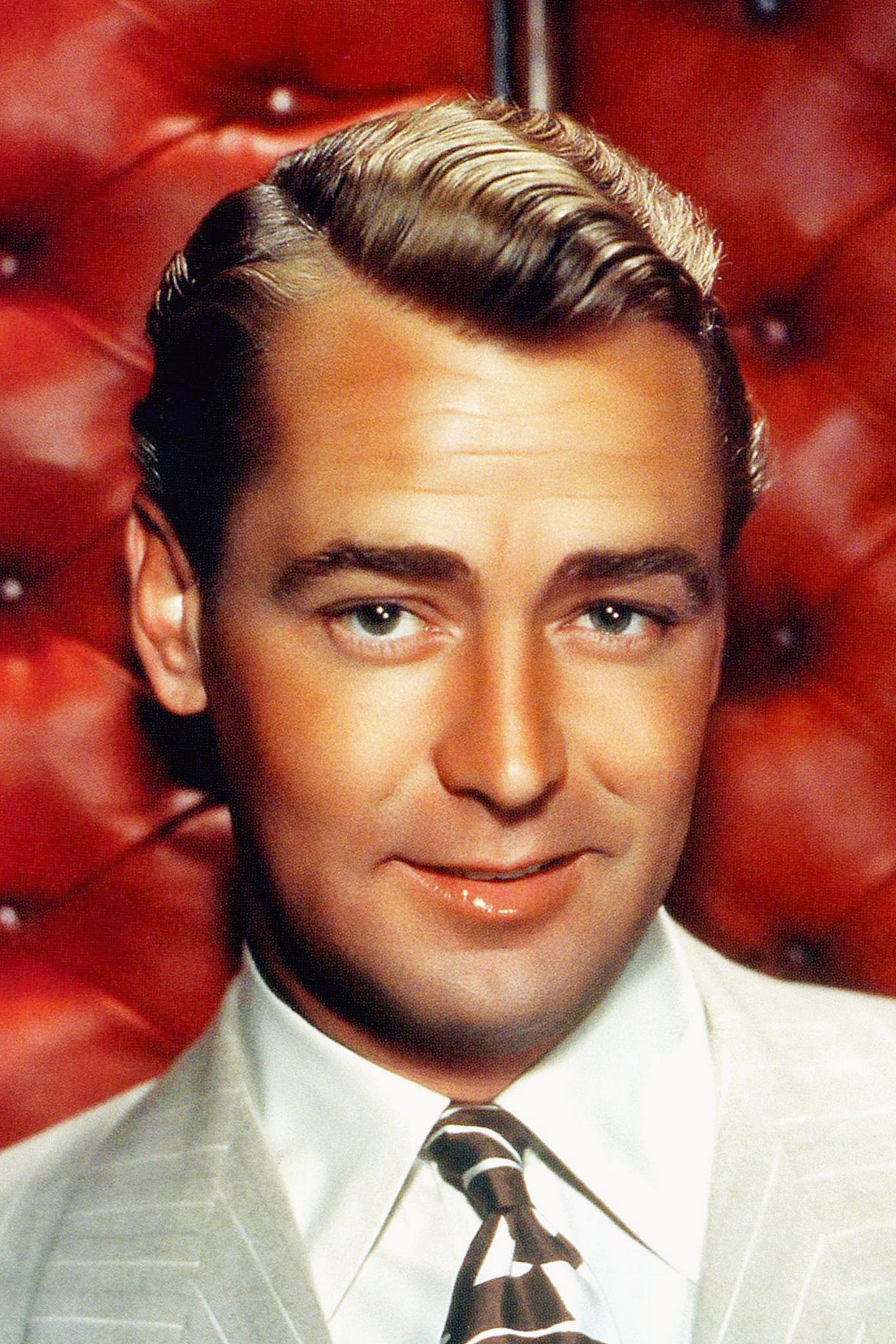
At the time of his passing in March 2022, Alan Ladd Jr.—the legendary film executive and producer affectionately known as "Laddie"—held an estimated net worth of approximately $75 million. As of 2026, his estate continues to reflect the enduring financial value of a career that spanned over five decades, characterized by his pivotal role in greenlighting Star Wars, his tenure as president of 20th Century Fox and MGM, and his Academy Award-winning success as an independent producer.
The Foundation of a Hollywood Dynasty
To understand the financial trajectory of Alan Ladd Jr., one must first acknowledge the unique position he held as the son of Alan Ladd, one of the most prominent leading men of the 1940s and 50s. While being the scion of a Hollywood star provided significant social and cultural capital, Alan Ladd Jr. did not simply inherit his wealth. He began his career in the industry from the ground up, ensuring that his financial success was built on professional merit rather than name recognition alone.
Ladd Jr. started in the mailroom of a talent agency, a traditional but rigorous path for aspiring executives. By the 1960s, he had transitioned into the role of a talent agent at Creative Management Associates (CMA). During this period, he represented some of the biggest names in the industry, including Judy Garland, Warren Beatty, and Robert Redford. His time as an agent was critical for his future net worth; agents typically earn a 10% commission on their clients' earnings. Representing A-list talent during the transition to the "New Hollywood" era allowed him to amass significant personal savings and, more importantly, a deep understanding of contract negotiation and talent relations.
The 20th Century Fox Era and the Star Wars Windfall
The most significant shift in Alan Ladd Jr.'s financial status occurred when he transitioned from the agency side to studio management. In 1973, he joined 20th Century Fox as the Head of Creative Affairs, and by 1976, he was named President of the film division. It was during this tenure that he made the decision that would redefine his career and the financial health of Fox: greenlighting George Lucas’s Star Wars.
At a time when every other major studio had passed on the project, Ladd Jr. recognized the potential in Lucas’s vision. While Ladd Jr. was a salaried executive rather than an equity owner of the franchise, the unprecedented success of Star Wars (1977) drastically increased his market value. Under his leadership, Fox’s stock price soared, and his subsequent contracts reflected his status as the most successful executive in town.
His era at Fox was not limited to Star Wars. He oversaw the production of Alien, The Rocky Horror Picture Show, and Young Frankenstein. Each of these films became a cult classic or a massive box office hit, contributing to a period of record-breaking profitability for the studio. His compensation during these years included substantial bonuses and performance-based incentives that served as the primary engine for his growing net worth.
The Ladd Company: Independent Production and Risk Management
In 1979, at the height of his power at Fox, Alan Ladd Jr. made the bold move to form his own independent production house, The Ladd Company, in partnership with Jay Kanter and Gareth Wigan. This move shifted his financial profile from a high-earning corporate executive to an entrepreneur with a direct stake in his film's profits.
The Ladd Company had a distribution deal with Warner Bros., which provided the necessary capital for production while allowing Ladd to retain a significant portion of the back-end profits. The company’s output was a mix of critical successes and commercial risks:
- Body Heat (1981): A commercial and critical hit that established the company's reputation for quality.
- The Right Stuff (1983): While initially a box office disappointment relative to its budget, its long-term value through home video and television licensing became a steady revenue stream.
- Blade Runner (1982): Similar to The Right Stuff, this Ridley Scott masterpiece underperformed initially but grew into one of the most valuable intellectual properties in the Ladd catalog.
- Police Academy (1984): This was a massive financial triumph. Produced for a modest budget, it spawned a multi-film franchise, providing the company with the liquid capital to weather more experimental projects.
The financial "worth" of a production company like The Ladd Company is found in its library. By 2026, the residuals and licensing fees from these titles continue to flow into the Ladd estate, demonstrating the long-term viability of his investment in high-quality storytelling.
Leadership at MGM and Pathé
Following the initial run of The Ladd Company, Ladd Jr. returned to the corporate world, serving as the Chairman and CEO of MGM/UA from 1985 to 1988 and again in the early 90s. This period was marked by significant corporate turbulence, including the ownership changes involving Giancarlo Parretti and Pathé Communications.
Ladd’s role during these years was that of a "stabilizer." He was brought in to provide credibility to a studio in financial distress. His contracts during this time were rumored to be among the highest for any executive in Hollywood, often including "golden parachute" clauses that guaranteed millions in the event of a sale or leadership change. When he eventually left MGM to reform an independent version of The Ladd Company at Paramount, he did so with a substantial settlement and a production deal that allowed him to maintain his lifestyle and investment portfolios.
The Braveheart Pinnacle and Modern Residuals
The 1990s saw Alan Ladd Jr. reach his creative and financial peak as a producer. In 1995, he produced Braveheart, directed by and starring Mel Gibson. The film was a global phenomenon, grossing over $210 million worldwide (a massive sum for the mid-90s) and winning five Academy Awards, including Best Picture.
As a producer on a Best Picture winner, Ladd Jr. was entitled to significant "points" on the film's gross profit. In Hollywood accounting, "points" can be elusive, but for a film as successful as Braveheart, the payouts were substantial and long-lasting. This single project likely added tens of millions to his lifetime earnings through initial box office participation and decades of television and streaming royalties.
| Period | Entity/Role | Key Projects | Financial Impact |
|---|---|---|---|
| 1963–1973 | CMA (Agent) | Judy Garland, Robert Redford | Commission-based wealth building |
| 1973–1979 | 20th Century Fox (President) | Star Wars, Alien, Young Frankenstein | High-level executive salary + bonuses |
| 1979–1985 | The Ladd Company (Founder) | Blade Runner, Police Academy | Equity in film library and franchises |
| 1985–1993 | MGM/UA (CEO/Chairman) | Moonstruck, A Fish Called Wanda | Top-tier corporate compensation |
| 1995–2022 | Independent Producer | Braveheart, Gone Baby Gone | Profit participation and Academy Award status |
Real Estate and Asset Portfolio
Beyond his film earnings, Alan Ladd Jr.’s net worth was bolstered by strategic investments in Southern California real estate. Like many high-net-worth individuals in the entertainment industry, Ladd held property in exclusive enclaves such as Beverly Hills and Malibu. The appreciation of these assets over decades significantly contributed to his $75 million valuation.
In 2026, the valuation of his estate also considers his intellectual property rights. While many of his films were produced under studio umbrellas, certain producer agreements allow for ongoing participation in derivative works, remakes, and sequels. With the constant demand for "legacy content" on streaming platforms, the Ladd estate remains a beneficiary of the current Hollywood ecosystem that prizes established IP like Blade Runner and Alien.
Analyzing the $75 Million Figure in 2026
While some estimates of Alan Ladd Jr.'s net worth have fluctuated, the $75 million figure represents a comprehensive look at his liquid assets, real estate holdings, and the projected value of his residual interests. It is important to distinguish between "net worth" and "yearly income." By the latter stages of his life, Ladd was no longer earning a massive annual salary; instead, his wealth was a product of compounding assets and the passive income generated by the massive hits he helped create.
His estate is likely managed through a series of trusts, a standard practice for Hollywood legends to ensure the privacy and financial security of their heirs. This structure also helps mitigate the significant estate taxes that apply to holdings of this size.
Frequently Asked Questions
Did Alan Ladd Jr. own the rights to Star Wars?
No. While Alan Ladd Jr. was the executive who greenlighted Star Wars at 20th Century Fox, the ownership of the intellectual property remained with George Lucas (Lucasfilm Ltd.) and the distribution rights with Fox. Ladd Jr. earned a salary and bonuses for the film's success but did not own the franchise.
How did the success of Braveheart affect his net worth?
Braveheart was a major contributor to his wealth. As the primary producer, he shared in the film's profits. Given the film's massive box office and its status as a library staple for networks and streaming services, it provided a consistent revenue stream for nearly 30 years.
Was Alan Ladd Jr. wealthier than his father?
Adjusted for inflation, Alan Ladd Jr. likely surpassed his father's net worth. While Alan Ladd (Sr.) was a top-earning star, the modern era of Hollywood executive compensation and the global scale of film profits in the 70s, 80s, and 90s allowed "Laddie" to accumulate a more diversified and substantial fortune.
What happened to The Ladd Company's assets?
Most of The Ladd Company's library is controlled by the studios that distributed the films (primarily Warner Bros. and Paramount). However, as a producer, Ladd Jr. (and now his estate) remains entitled to producer residuals and profit participation based on his original contracts.
Who are the beneficiaries of Alan Ladd Jr.'s estate?
Alan Ladd Jr. is survived by his wife, Cydney Ladd, and his children. His estate is structured to provide for his family and likely supports various film-related charities and archives, preserving his legacy in the industry.
Final Perspective on a Storied Career
Alan Ladd Jr.’s net worth is a testament to the power of creative intuition paired with executive discipline. In an industry often criticized for short-term thinking, Ladd Jr. played the "long game," investing in filmmakers and stories that became cultural touchstones. His financial legacy is not just a collection of assets, but a reflection of the enduring value of the films he brought to life. For those looking to understand his financial journey, the takeaway is clear: Laddie proved that in Hollywood, the greatest returns often come from taking a chance on a vision that everyone else has rejected.