Sinaloa is served by three primary international airports that facilitate commercial travel: Culiacán (MMCL), Mazatlán (MMMZ), and Los Mochis (MMLM). Culiacán serves as the main business hub, Mazatlán handles the majority of international tourism, and Los Mochis acts as the essential gateway for travelers heading to the Copper Canyon via the Chepe Express.
Sinaloa, a state characterized by its powerful agricultural industry, growing manufacturing sector, and expansive coastline, relies heavily on its aviation infrastructure. As of 2026, the state’s airports have undergone significant modernization to accommodate increased passenger traffic from both domestic "nearshoring" business demand and a revitalized international tourism sector. Navigating these hubs requires an understanding of their specific regional roles, available amenities, and the logistical connections they provide to the rest of Mexico and North America.
Culiacán International Airport (MMCL) - Federal de Bachigualato
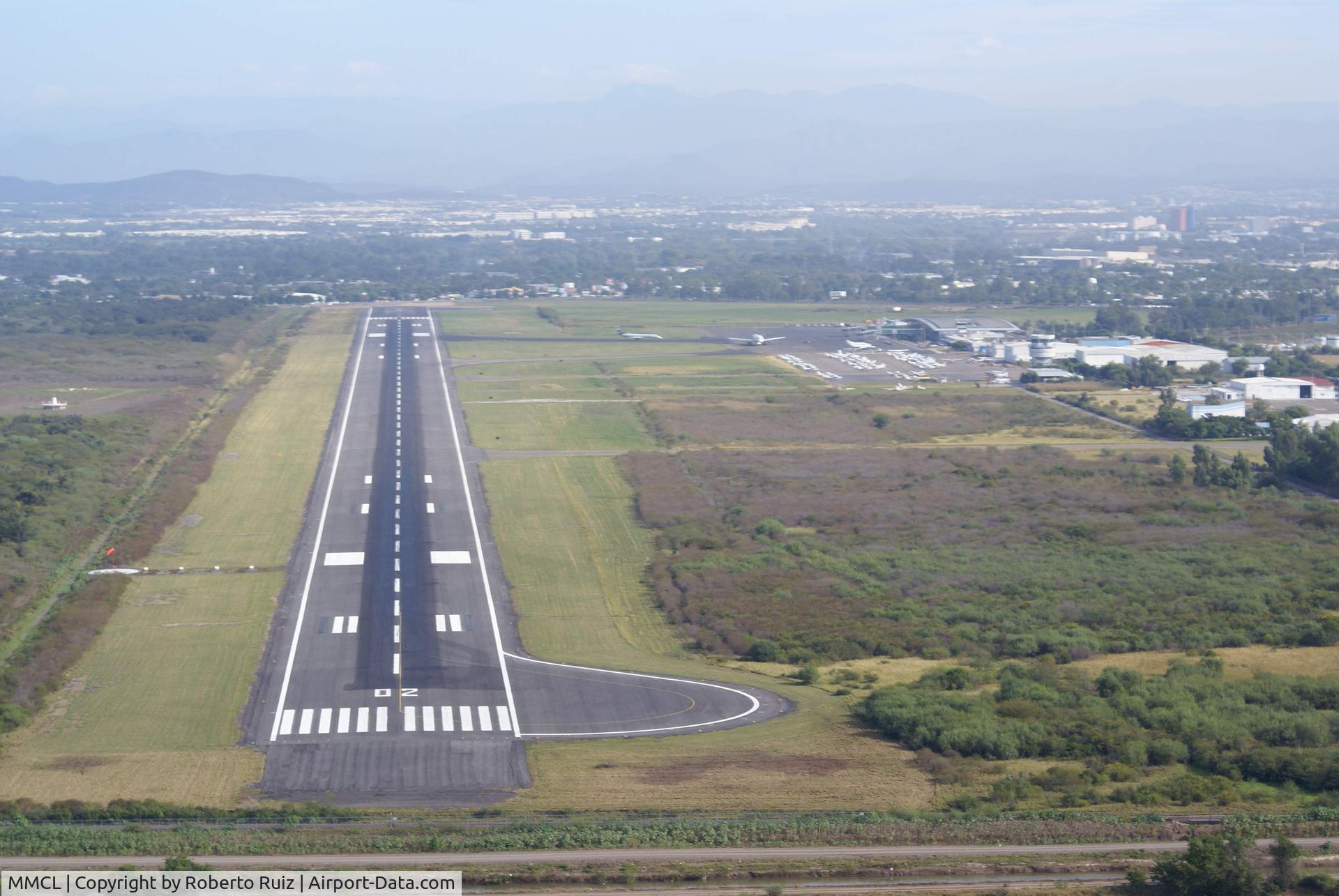
Culiacán International Airport, officially known as Aeropuerto Internacional Federal de Bachigualato, is the busiest and most technically advanced aviation hub in Sinaloa. Managed by Grupo Aeroportuario del Centro Norte (OMA), it serves as the primary entry point for the state capital’s commercial and political activities.
Infrastructure and Terminal Capacity
By 2026, Culiacán has solidified its position as a Top 10 airport in Mexico by passenger volume. Recent terminal expansions have increased its capacity to handle over 2.5 million passengers annually. The airport features a multi-level terminal building that separates arrivals and departures effectively, reducing congestion during peak morning and evening business hours.
The runway (02/20) is approximately 2,300 meters long, capable of handling medium-range narrow-body aircraft such as the Boeing 737 MAX and Airbus A321neo, which are standard for the major Mexican carriers operating here. For business travelers, the "OMA Premium Lounge" provides a dedicated space for productivity, featuring high-speed Wi-Fi, private workstations, and conference facilities.
Connectivity and Airlines
Culiacán functions primarily as a domestic powerhouse. It serves as a major focus city for Volaris and Viva Aerobus, offering frequent "air bridge" services to Mexico City (AICM and AIFA), Guadalajara, Tijuana, and Monterrey. These routes are essential for the agricultural export industry, allowing business leaders to move between Mexico’s economic centers rapidly. International connectivity is more selective, with direct flights primarily serving U.S. hubs like Phoenix and Los Angeles, catering to the significant binational business community.
Mazatlán International Airport (MMMZ) - General Rafael Buelna
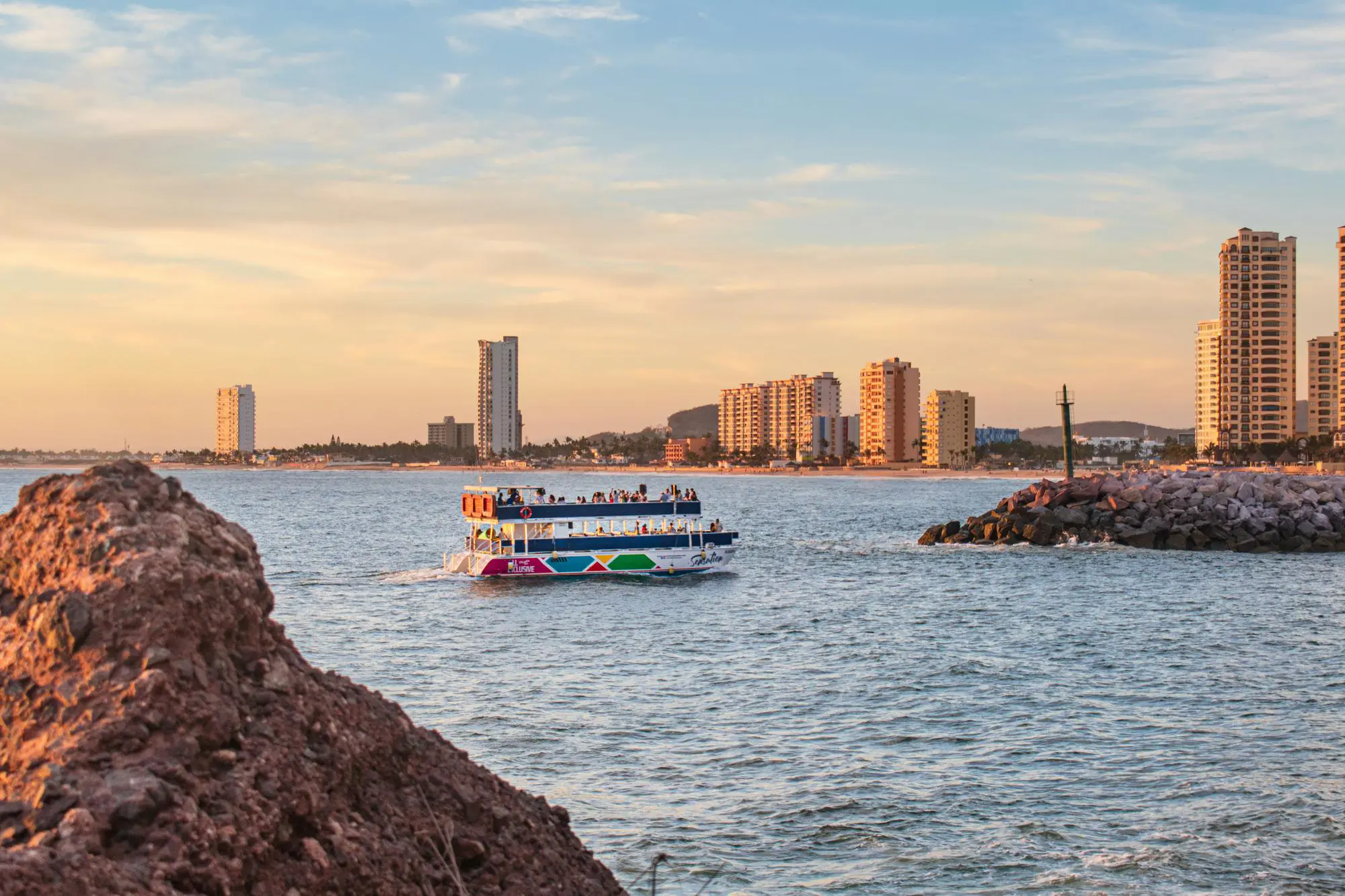
Located on the southern coast of the state, the General Rafael Buelna International Airport is the primary gateway for the "Riviera Sinaloense." Also managed by OMA, this airport has a distinctly different character than Culiacán, focusing heavily on leisure travel and international arrivals.
Seasonal Dynamics and International Reach
Mazatlán’s airport experiences high seasonal variability. During the winter months (November through April), the airport sees a massive influx of international flights from the United States and Canada. Major carriers including American Airlines, United, Alaska Airlines, WestJet, and Sunwing provide direct links to cities like Dallas, Houston, Phoenix, Los Angeles, Calgary, and Toronto.
The airport infrastructure includes a sophisticated customs and immigration area (INM) designed to process large groups of tourists efficiently. In 2026, the implementation of biometric kiosks has significantly reduced wait times for international arrivals, making it one of the most efficient entry points in the Mexican Pacific.
Ground Logistics and Proximity
MMMZ is located approximately 20 kilometers (12 miles) south of the main hotel zone and the historic center (Centro Histórico). The drive typically takes 25 to 40 minutes depending on traffic. Travelers should be aware of the "Federal Zone" taxi regulations; only authorized airport taxis (yellow and white) are permitted to pick up passengers at the terminal curb. Ride-sharing apps are generally restricted to drop-offs, though some designated pick-up points have been established just outside the federal airport perimeter.
Los Mochis International Airport (MMLM) - Federal del Valle del Fuerte
Serving the northern region of Sinaloa, the Federal del Valle del Fuerte International Airport is managed by Grupo Aeroportuario del Pacífico (GAP). While smaller in scale than Culiacán or Mazatlán, it is strategically vital for both the local economy and the tourism industry.
The Gateway to the Copper Canyon
The primary draw for international travelers using Los Mochis is its proximity to the Chepe Express (Chihuahua-Pacific Railway). Most travelers arrive at MMLM before transferring to the town of El Fuerte or starting their train journey directly from Los Mochis. The airport is roughly 18 kilometers from the city center and about 25 kilometers from the Port of Topolobampo.
Operational Characteristics
MMLM operates with a single runway (09/27) and a streamlined terminal that focuses on efficiency. The airport primarily handles domestic traffic, with Aeroméxico Connect, Volaris, and Viva Aerobus providing the bulk of the service. Connectivity is strongest to Mexico City, Guadalajara, and Tijuana. For those traveling for business in the agricultural or maritime sectors, the airport offers car rental services from major international brands like Hertz and Avis, which are essential given the spread-out nature of the northern Sinaloa region.
Comparison of Major Sinaloa Airports
To help travelers choose the most appropriate arrival point, the following table compares the three main international facilities based on 2026 operational data.
| Feature | Culiacán (MMCL) | Mazatlán (MMMZ) | Los Mochis (MMLM) |
|---|---|---|---|
| Primary Focus | Business & Government | Tourism & Leisure | Logistics & Copper Canyon |
| Managing Group | OMA | OMA | GAP |
| International Hubs | PHX, LAX | DFW, IAH, PHX, LAX, YYC | Limited Charter/Seasonal |
| Distance to City | 10 km (6 miles) | 20 km (12 miles) | 18 km (11 miles) |
| VIP Lounges | OMA Premium Lounge | VIP Lounge Mazatlán | GAP VIP Lounge |
| Best For | Access to state capital | Beach resorts & Old Town | Train to Copper Canyon |
Regional Airfields and General Aviation
Beyond the three commercial giants, Sinaloa maintains several smaller airfields that cater to general aviation, private charters, and the agricultural sector.
- Guasave Airfield: Primarily used for crop dusting and private business travel related to the region’s massive food production industry.
- Escuinapa and Teacapán: Located in the far south, these strips serve the growing "Playa Espíritu" tourism development and private estates.
- El Fuerte Airstrip: Though it does not host scheduled commercial flights, it is a vital point for private charters bringing high-end tourists directly to the doorstep of the Copper Canyon without the drive from Los Mochis.
These smaller facilities are strictly for "General Aviation" (GA) and require prior flight plan approval from the Mexican Civil Aviation Authority (AFAC). They lack standard passenger terminals, customs services, and scheduled transport.
Ground Transportation and Connectivity Strategies
Moving from Sinaloa’s airports to your final destination requires planning, as public transit options (like city buses) do not typically enter the federal airport grounds.
Authorized Airport Taxis
In all three airports, the "Taxi Autorizado" system is the safest and most reliable method of transport. You purchase a ticket at a designated kiosk inside the arrivals hall before exiting the building. Rates are fixed based on zones, preventing overcharging. In 2026, most kiosks accept credit cards and digital wallets (Apple Pay/Google Pay), though keeping some Mexican Pesos (MXN) is recommended for tips.
Car Rentals
Sinaloa’s geography—a long, narrow coastal plain—makes car rentals an attractive option for those visiting multiple cities. The "Maxipista" (Highway 15D) connects all three major airport cities. All three airports host major rental agencies. Travelers should ensure their rental agreement includes "Seguro de Responsabilidad Civil" (Third Party Liability), which is a legal requirement in Mexico.
Private Shuttles and VIP Transport
For travelers headed to high-end resorts in Mazatlán or group tours in Los Mochis, pre-arranged private shuttles are the standard. These drivers wait in the "Meet and Greet" area with a sign. This is often the most cost-effective and comfortable way to reach the El Fuerte area for the Chepe train journey.
Essential Travel Requirements for 2026
When flying into Sinaloa, travelers must adhere to Mexican federal aviation and immigration laws.
- Immigration (FMM): By 2026, the paper "Tourist Card" (FMM) has been largely replaced by a digital stamp in your passport at major airports like Mazatlán and Culiacán. Travelers should check their digital entry record via the official INM portal if they plan to stay for an extended period.
- Customs (SAT): Mexico uses a "Red Light/Green Light" system for customs declarations. While many items are duty-free, there are strict limits on tobacco, alcohol, and professional equipment. Carrying items worth more than $500 USD (excluding personal luggage) may require a declaration.
- Security: Airport security in Sinaloa follows ICAO international standards. Allow at least 2 hours for domestic departures and 3 hours for international departures.
Frequently Asked Questions
Which airport is closest to the Copper Canyon?
Los Mochis International Airport (MMLM) is the closest commercial airport to the start of the Copper Canyon rail line. From the airport, it is a 20-minute drive to the Los Mochis train station or approximately a 1.5-hour drive to the El Fuerte station, where many travelers prefer to begin their journey.
Can I fly directly from the USA to Culiacán?
Yes, but options are more limited compared to Mazatlán. As of 2026, direct flights generally operate from major Western U.S. hubs like Los Angeles (LAX) and Phoenix (PHX). Most other international travelers will connect through Mexico City or Guadalajara.
Are Uber and Didi available at Sinaloa airports?
Ride-sharing apps like Uber and Didi operate in Culiacán, Mazatlán, and Los Mochis. However, they are often prohibited from picking up passengers directly at the terminal curb due to federal airport regulations. You can use them for drop-offs, but for arrivals, you may need to walk outside the airport perimeter or use an authorized airport taxi.
Is it safe to drive between the airports in Sinaloa?
The "Maxipista" (Highway 15D) is a well-maintained toll road that connects Los Mochis, Culiacán, and Mazatlán. It is widely used by commercial and private traffic. It is generally recommended to stick to toll roads (Cuota) rather than free roads (Libre) and to conduct your driving during daylight hours.
Do the airports have currency exchange and ATMs?
All three major airports have multiple ATMs (Cajeros Automáticos) from major banks like BBVA, Santander, and Banorte. Currency exchange booths are available in Culiacán and Mazatlán, though ATMs usually offer a better exchange rate for travelers.
Final Recommendation
For the best experience when visiting Sinaloa, choose your airport based on your primary activity. If you are visiting for leisure or the beach, Mazatlán International (MMMZ) is your best choice due to its superior international flight frequency and proximity to the coast. If you are traveling for business or state government affairs, Culiacán (MMCL) offers the best domestic connectivity and corporate facilities. For those embarking on the Copper Canyon train journey, flying into Los Mochis (MMLM) is the only logical choice to ensure a smooth transition to the rail line.