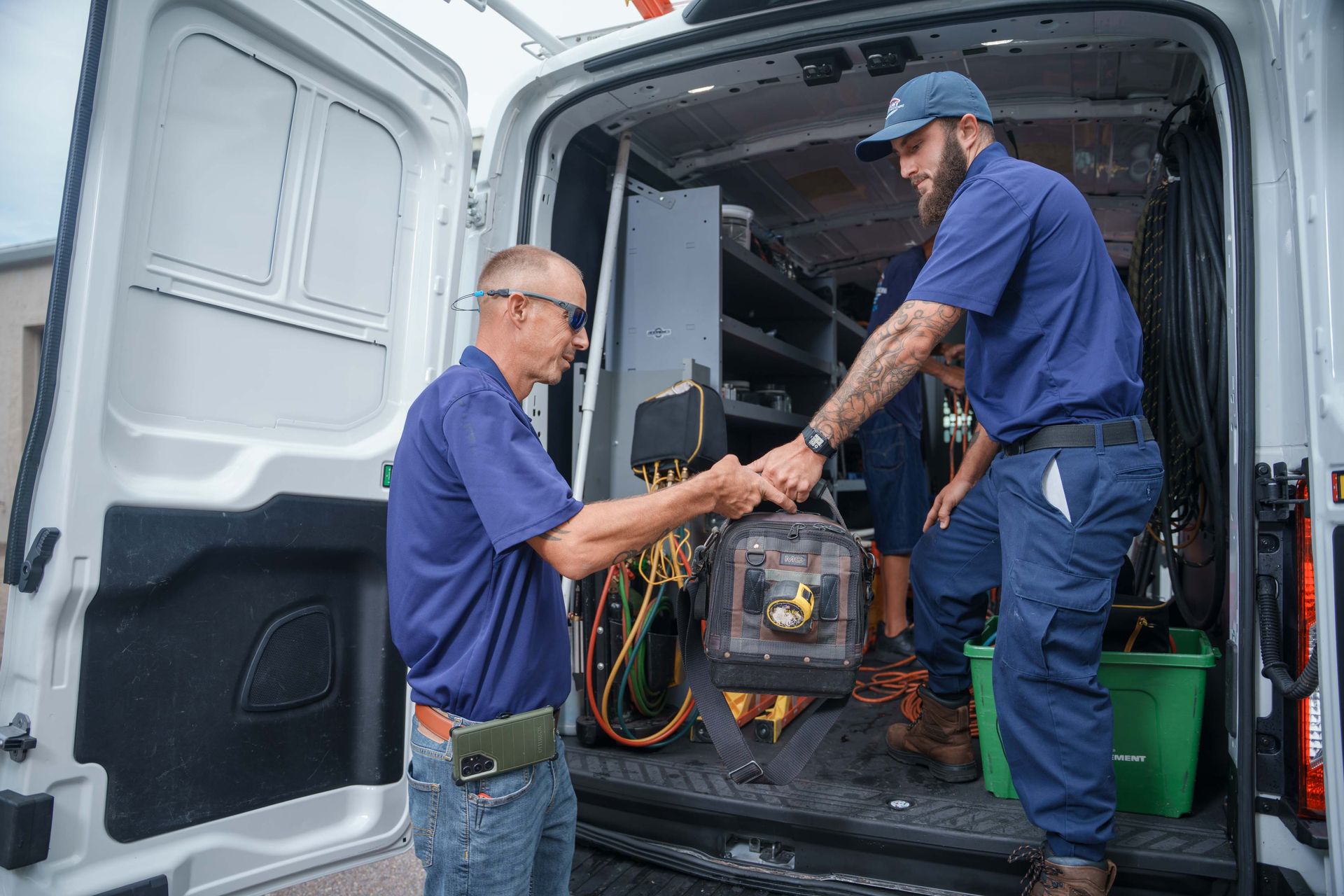
Professional air conditioning repair in Clearwater, FL, involves diagnosing mechanical failures, refrigerant leaks, or electrical issues exacerbated by high humidity and coastal salt air. In 2026, local repair costs typically range from $150 to $2,500. Homeowners should prioritize licensed technicians who comply with Florida’s stringent building codes and current EPA refrigerant standards.
The High Stakes of Cooling in Clearwater’s Coastal Climate
In Clearwater, Florida, an air conditioning system is not a luxury; it is a critical component of home habitability and structural preservation. The subtropical climate of Pinellas County presents unique challenges that differ significantly from inland regions. With average summer highs consistently reaching into the 90s and humidity levels often exceeding 80%, the AC system must work harder to dehumidify and cool the air simultaneously.
The proximity to the Gulf of Mexico introduces another complication: salt air. Salt-induced corrosion is a primary driver of AC failure in Clearwater. Sodium chloride particles from the sea breeze settle on the aluminum fins of the outdoor condenser unit. When moisture from the air combines with this salt, it creates a corrosive electrolyte that leads to "pitting" and eventual refrigerant leaks. In 2026, homeowners must understand that a system failure here is not just about discomfort—it is about preventing the rapid onset of biological growth (mold and mildew) that thrives in stagnant, humid environments.
Common AC Problems Specific to Pinellas County
Understanding why systems fail in Clearwater helps homeowners identify when professional intervention is required. While standard wear and tear occur everywhere, the following issues are particularly prevalent in coastal Florida.
Salt Spray and Coil Corrosion
The outdoor unit (condenser) contains a series of copper tubes and aluminum fins. In Clearwater, the salt air accelerates a process called galvanic corrosion. This weakens the metal, causing the fins to crumble and the coils to develop microscopic holes. Once the refrigerant leaks, the system can no longer remove heat from the home. By 2026, many local technicians use specialized "coastal coatings" to protect these components, but older systems remain highly vulnerable.
Clogged Condensate Lines
Humidity is the silent enemy of the AC system. As the evaporator coil cools the air, it removes gallons of water daily. This water drains through a narrow PVC pipe called the condensate line. Because of the warmth and moisture, algae and "slime" (zoogleal film) grow rapidly inside these lines. Without regular cleaning, the line clogs, causing water to back up. This can lead to expensive water damage to ceilings or floors, or trigger a "float switch" that shuts the system down entirely.
Electrical Component Stress
The intense heat in Pinellas County during July and August means AC units run for 14 to 18 hours a day. This puts immense stress on the start and run capacitors. Capacitors are like small batteries that give the motor the "jolt" it needs to start. Heat is the primary cause of capacitor failure. If you hear a humming sound but the fan or compressor isn't moving, a blown capacitor is the likely culprit.
Troubleshooting Before You Call a Technician
Before scheduling a service call, which in 2026 averages between $100 and $160 in Clearwater just for the diagnostic fee, perform these basic checks. These steps can often resolve simple issues or provide the technician with valuable data.
- Check the Thermostat Settings: It sounds elementary, but ensure the thermostat is set to "Cool" and the fan is on "Auto." If the screen is blank, replace the batteries. Modern smart thermostats may also require a firmware update or a reset of the Wi-Fi bridge.
- Inspect the Air Filter: A clogged filter restricts airflow. This causes the evaporator coil to drop below freezing, leading to a "frozen" unit. If you see ice on the copper lines, turn the system off and change the filter immediately.
- Reset the Circuit Breaker: AC systems draw a significant amount of power. A surge during a Florida thunderstorm can trip the breaker. Check your home’s electrical panel and flip the AC breaker "Off" and then back "On."
- Examine the Outdoor Unit: Ensure the condenser is not buried under overgrown tropical foliage or debris. Florida’s rapid plant growth can choke the unit, preventing it from exhausting heat effectively.
Understanding AC Repair Costs in Clearwater (2026 Estimates)
Pricing for HVAC services has stabilized following the supply chain fluctuations of the early 2020s, but labor costs in the Tampa Bay area remain competitive. The following table provides a breakdown of common repairs and their estimated costs in the Clearwater market.
| Repair Type | Common Symptom | Estimated Cost (Labor + Parts) |
|---|---|---|
| Capacitor Replacement | Humming sound, fan won't start | $150 – $350 |
| Condensate Line Flush | Water leaking, system won't turn on | $125 – $250 |
| Blower Motor Repair | No air coming from vents | $450 – $900 |
| Refrigerant Recharge (R-410A) | Air is lukewarm, hissing sound | $300 – $800+ |
| Evaporator Coil Replacement | Recurring leaks, frozen system | $1,200 – $2,800 |
| Contactor Replacement | Outdoor unit won't stop running | $150 – $300 |
Note: Prices vary based on the specific refrigerant type and system SEER2 rating.
The Repair vs. Replace Dilemma in 2026
When a major component like the compressor or the evaporator coil fails, Clearwater homeowners must decide whether to invest in a repair or replace the entire system. In 2026, this decision is influenced by the National Appliance Energy Conservation Act and the ongoing transition to newer, low-GWP (Global Warming Potential) refrigerants like R-454B and R-32.
The Rule of 5,000
A common industry standard is the "Rule of 5,000." Multiply the age of the unit by the cost of the repair. If the result exceeds $5,000, replacement is generally the more economical long-term choice. For example, a 10-year-old unit requiring a $600 repair ($6,000 total) is a candidate for replacement, especially given the efficiency gains of 2026 models.
Refrigerant Availability
If your system was installed before 2023, it likely uses R-410A. As of 2026, the production of R-410A has been significantly curtailed by the EPA’s AIM Act. This makes refrigerant leaks in older systems increasingly expensive to fix. If your unit has a major leak and uses R-410A, upgrading to a modern system using A2L refrigerants is often the more sustainable path.
Regulatory and Environmental Standards in Florida
Florida has some of the strictest HVAC regulations in the United States to protect consumers and the environment. All technicians performing AC repair in Clearwater must hold an EPA Section 608 Certification to handle refrigerants. Furthermore, any significant repair that involves replacing a major component or the entire system requires a permit from the Pinellas County Building Services Department.
In 2026, energy efficiency is measured by SEER2 (Seasonal Energy Efficiency Ratio 2). Florida’s minimum standard for new installations is 14.3 SEER2 (equivalent to the old 15 SEER). When choosing a repair service, ensure they are familiar with these standards, as improper repairs can void manufacturer warranties or violate local building codes.
How to Select a Reliable Clearwater AC Contractor
The high demand for cooling in Pinellas County has led to a saturated market of service providers. To ensure high-quality work, verify the following credentials before hiring:
- Florida State License: Every HVAC company must be licensed by the Florida Department of Business and Professional Regulation (DBPR). Look for a license starting with "CAC" or "CMC."
- Insurance Coverage: Ensure the company carries both general liability and workers' compensation insurance. This protects you if a technician is injured on your property.
- NATE Certification: North American Technician Excellence (NATE) is the gold standard for technician training. A NATE-certified pro is better equipped to handle complex 2026 inverter-driven systems.
- Local Experience: Given the salt air issues mentioned earlier, choose a contractor with a physical presence in Clearwater or Largo, rather than a national franchise that may not understand coastal-specific failure points.
Preventive Maintenance: Preventing Future Repairs
In 2026, the average lifespan of an AC unit in Clearwater is 10 to 12 years—roughly 3 to 5 years shorter than units in drier, cooler climates. Regular maintenance is the only way to extend this lifespan.
- Semi-Annual Inspections: Have a professional check the system in the spring (before the heat peaks) and the fall.
- Coil Cleaning: Professional cleaning of the condenser coils removes the salt crust before it can cause pitting.
- Drain Line Maintenance: Monthly "DIY" flushes with a cup of vinegar or a specialized enzyme cleaner can prevent algae clogs.
- Ductwork Checks: In Clearwater’s humidity, even minor duct leaks can pull moist air into the attic, leading to condensation and mold growth within the insulation.
Frequently Asked Questions
Why is my AC running but not cooling my Clearwater home? This is often caused by a refrigerant leak or a failed compressor. In Clearwater's coastal air, the outdoor coils can corrode, allowing refrigerant to escape. Without the proper "charge," the system cannot absorb heat from your indoor air. Check your air filter first; if it's clean, you likely need a professional leak test.
How often should I change my air filter in Florida? Because AC systems in Florida run almost year-round, you should check your filter every 30 days. If you have pets or allergies, a high-efficiency MERV 11 filter is recommended. Constant operation means the filter captures more dust and pollen than it would in other regions.
Is it normal for my AC to leak water inside? No. If water is pooling near your indoor unit, the condensate drain line is likely clogged with algae or debris. This is a common Clearwater issue due to the high humidity. You should turn off the system immediately to prevent water damage and clear the line using a wet/dry vac or call a technician.
What is the "Emergency" AC repair protocol in Clearwater? During the summer months, an AC failure is considered an emergency if there are elderly residents, children, or individuals with heat-sensitive medical conditions in the home. Many Clearwater companies offer 24/7 emergency services, though you should expect to pay a premium "after-hours" fee ranging from $150 to $250.
How do 2026 refrigerant changes affect my repair? If your system was built before 2025, it likely uses R-410A. Since 2026 falls within the EPA’s phase-down period, the cost of R-410A has risen. If your repair involves a leak, the technician must recover the old gas and may suggest a total system upgrade if the cost of the "recharge" is prohibitively expensive.
Final Recommendation
If your air conditioner is making unusual noises or failing to maintain the set temperature, do not wait. In the Clearwater climate, a small problem like a failing contactor can quickly lead to a total compressor burnout. Contact a licensed Pinellas County HVAC professional to perform a diagnostic check. Prioritize companies that offer a written guarantee on parts and labor to ensure your home remains a safe, cool refuge from the Florida sun.