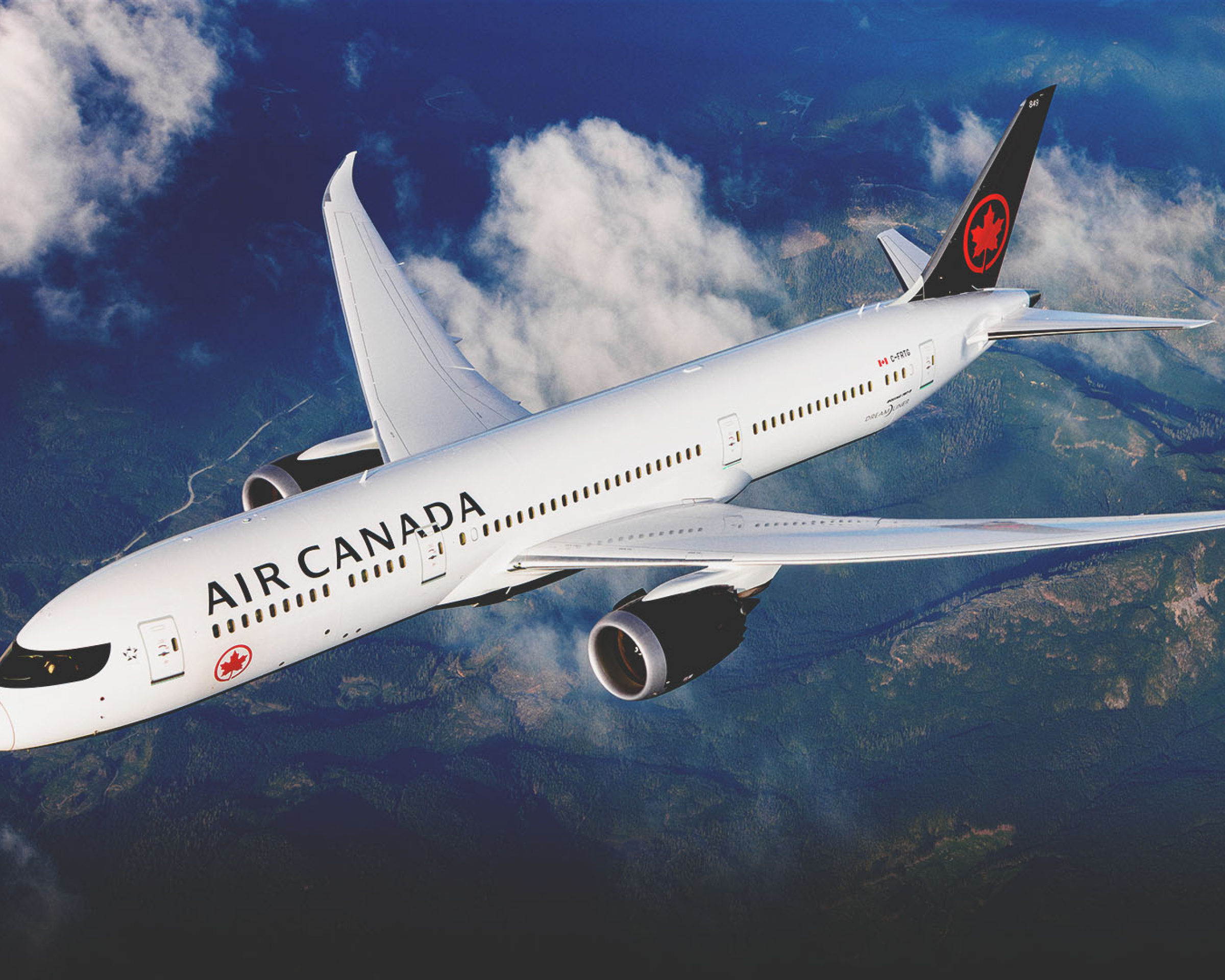
Air Canada is a founding member of Star Alliance, the world’s largest and longest-running global airline network. Through this alliance, passengers can earn and redeem Aeroplan points across more than 25 partner airlines, access over 1,000 airport lounges worldwide, and enjoy seamless international travel with synchronized flight schedules and baggage handling under a single booking.
Understanding the Foundation: Air Canada and the Star Alliance
To understand Air Canada’s position in the global aviation market in 2026, one must first look at the Star Alliance. Established on May 14, 1997, the Star Alliance was the first truly global airline partnership. Air Canada was one of the five founding members, alongside Lufthansa, Scandinavian Airlines (SAS), Thai Airways International, and United Airlines. While the roster of airlines has shifted over the decades—most notably with SAS departing for SkyTeam in 2024—the core mission of the alliance remains unchanged: to provide a seamless travel experience for international passengers.
As of 2026, the alliance serves as the backbone of Air Canada’s international strategy. By participating in this network, Air Canada can offer its customers destinations that it does not serve with its own aircraft. For example, a traveler can book a flight from Toronto to Singapore through Air Canada, flying the first leg to London on Air Canada "metal" (the industry term for the airline's own aircraft) and connecting to a Singapore Airlines flight for the final leg. This integration is managed through codeshare agreements and joint ventures, ensuring that the passenger's luggage is checked through to the final destination and that loyalty points are recognized across the entire journey.
The alliance structure is not merely a marketing tool; it is a complex operational framework. It involves shared terminal facilities in major hubs like London Heathrow (LHR), Tokyo Narita (NRT), and Frankfurt (FRA), which reduces connection times and improves the reliability of transfers. For Air Canada, being part of the Star Alliance means it can compete effectively with other global giants by leveraging the local market dominance of its partners in Europe, Asia, and South America.
The Network: Who Are Air Canada’s Alliance Partners?
The Star Alliance network is vast, encompassing 26 member airlines as of 2026. This network covers nearly every corner of the globe, providing Air Canada passengers with access to more than 1,200 airports. Understanding who these partners are is essential for maximizing the value of the Aeroplan program.
The member airlines are categorized by their geographic strengths:
- North America: United Airlines is Air Canada’s primary partner in the United States, offering extensive transborder connectivity.
- Europe: The Lufthansa Group (including Lufthansa, Swiss International Air Lines, Austrian Airlines, and Brussels Airlines) forms the core of the European network. Other key partners include TAP Air Portugal, Turkish Airlines, LOT Polish Airlines, and Aegean Airlines.
- Asia-Pacific: This region is served by heavyweights such as Singapore Airlines, ANA (All Nippon Airways), Air China, EVA Air, Thai Airways, and Asiana Airlines. Air New Zealand provides critical coverage for the Oceania region.
- Africa and the Middle East: Ethiopian Airlines and EgyptAir offer the most extensive African networks, while Turkish Airlines serves as a major bridge between the regions.
- Latin America: Avianca and Copa Airlines provide deep penetration into Central and South American markets.
In addition to these full members, Air Canada maintains "Connecting Partners" and independent strategic partnerships. These are particularly important in 2026 as the industry moves toward more flexible, non-exclusive arrangements. For instance, Air Canada’s significant partnership with Emirates—though Emirates is not a Star Alliance member—allows for reciprocal point earning and lounge access, bridging gaps in the Middle East and South Asia that the traditional alliance might not fully cover.
Passenger Benefits: The Two Tiers of Star Alliance Status
One of the most tangible benefits of the Air Canada alliance is the recognition of elite status across all member airlines. If you hold status within Air Canada’s Aeroplan Elite Recovery or Elite Status program, that status is automatically mapped to one of two Star Alliance tiers: Star Alliance Silver or Star Alliance Gold.
Star Alliance Silver
This is the entry-level elite tier. It is generally granted to those holding Aeroplan 25K or 35K status. While it does not offer lounge access, it provides two critical logistical advantages:
- Priority Reservation Waitlist: If a flight is fully booked, Silver members receive priority if a seat becomes available.
- Priority Airport Stand-by: If you are trying to catch an earlier flight or are rebooked due to a cancellation, you move toward the top of the list.
Star Alliance Gold
This is the "holy grail" for frequent flyers and is granted to Aeroplan Elite 50K, 75K, and Super Elite members. The benefits are extensive and are designed to eliminate the friction of international travel.
- Global Lounge Access: Gold members (plus one guest) have access to over 1,000 Star Alliance lounges worldwide, regardless of their class of service. This includes Air Canada’s Maple Leaf Lounges, United Clubs, and the prestigious Lufthansa Senator Lounges.
- Priority Boarding: You are invited to board along with First and Business Class passengers, ensuring overhead bin space for your carry-on.
- Extra Baggage Allowance: On most flights, Gold members can check an additional bag or receive an extra 20kg of weight allowance.
- Priority Check-in and Baggage Handling: You can use the dedicated Gold or Business Class check-in counters, and your bags are among the first on the carousel at your destination.
- Gold Track Security: In many major airports, Gold status grants access to expedited security lanes, significantly reducing wait times.
Comparison of Benefits by Status Tier
| Benefit | Star Alliance Silver | Star Alliance Gold |
|---|---|---|
| Priority Check-in | No | Yes |
| Priority Baggage Handling | No | Yes |
| Airport Lounge Access | No | Yes (Member + 1 Guest) |
| Priority Boarding | No | Yes |
| Extra Baggage Allowance | No | Yes |
| Priority Reservation Waitlist | Yes | Yes |
| Priority Airport Stand-by | Yes | Yes |
| Gold Track (Fast Security) | No | Yes |
Aeroplan Integration: Earning and Redeeming Points
The primary currency of Air Canada’s alliance participation is the Aeroplan point. Since the relaunch of the program in late 2020, the integration with Star Alliance partners has become more transparent, though it requires an understanding of how different airlines interact with the Aeroplan ecosystem.
Earning Points on Partner Airlines
When you fly with a Star Alliance partner, you can earn Aeroplan points and Status Qualifying Credits (SQM, SQS, and SQD). However, the rate at which you earn is determined by the "booking class" (a letter code like Y, M, or K) on your ticket. It is a common mistake to assume all partner flights earn at 100%. Some deep-discount economy tickets on partners might earn 0% or 25% of the miles flown. Always verify the earning chart on the Air Canada website before booking if status qualification is your goal.
Redeeming Points for Global Travel
One of the strongest features of the Air Canada alliance is the ability to book "Partner Awards." Aeroplan uses a hybrid chart that combines geographic zones and distance-based pricing. This allows you to use your points to fly on world-class carriers like Singapore Airlines or ANA.
- No Fuel Surcharges: Unlike some other alliances, Air Canada does not pass on carrier-imposed surcharges (often called fuel surcharges) on most Star Alliance partner redemptions. There is, however, a flat "Partner Booking Fee" (currently $39 CAD) applied to any reservation that includes a partner airline.
- Stopovers: For an additional 5,000 Aeroplan points, you can add a stopover to an international itinerary, allowing you to visit two cities for the price of one. This is a powerful way to leverage the alliance's global network.
Logistics and Codesharing: "Operated By" Matters
A frequent point of confusion for travelers is the distinction between the "Marketing Carrier" and the "Operating Carrier." Because of the alliance, you might purchase a ticket on the Air Canada website with an AC flight number, but the aircraft itself belongs to United Airlines or Lufthansa.
This is known as a codeshare. Under Star Alliance rules, the "Operating Carrier" (the airline actually flying the plane) dictates several aspects of your experience:
- Baggage Rules: Usually, the baggage rules of the first marketing carrier in the itinerary apply for transoceanic flights, but for regional connections, the operating carrier’s rules may take precedence.
- In-flight Services: If you book an Air Canada codeshare operated by Lufthansa, do not expect Air Canada’s "Signature Service" catering. You will receive Lufthansa’s standard service for that route and cabin.
- Check-in: You must check in with the operating carrier for the first segment of your journey. If your flight from Chicago to Toronto is operated by United, you check in at the United counter, even if your ticket says "Air Canada."
Strategic Partnerships Beyond the Alliance
By 2026, the traditional boundaries of airline alliances have blurred. Air Canada has aggressively pursued individual partnerships that sit outside the Star Alliance framework to improve its competitive edge in specific markets.
The most notable of these is the partnership with Emirates. While Emirates remains staunchly independent of any global alliance, its agreement with Air Canada allows Aeroplan members to earn and redeem points on the Emirates network. This is a massive win for Canadian travelers heading to Africa, India, and Southeast Asia via Dubai. Similarly, partnerships with Etihad Airways, Azul Brazilian Airlines, and Vistara (now integrated with Air India) provide localized depth in markets where Star Alliance may have less frequency.
These "boutique" partnerships function similarly to alliance memberships for the passenger—offering point accrual and sometimes lounge access—but they are governed by individual bilateral agreements rather than the overarching Star Alliance rulebook.
Troubleshooting Common Alliance Issues
Despite the high level of integration, issues can arise when traveling across multiple airlines. Understanding how to resolve these is key to a smooth trip.
- Missing Points: If your Aeroplan points do not post after a partner flight, it is often due to a name mismatch between your passport and your Aeroplan profile. Always keep your boarding passes until the points appear in your account. You can request missing credits online through the Aeroplan dashboard.
- Seat Selection: You often cannot select seats for a partner-operated flight on the Air Canada website. You will need the "Partner PNR" (a separate six-digit confirmation code) to log into the partner airline's website and choose your seat.
- Irregular Operations (IROPS): If a flight is delayed or canceled, the airline that caused the delay is generally responsible for rebooking you. However, as a Star Alliance passenger, you can insist on being rebooked on any other Star Alliance carrier that can get you to your destination, not just the airline that cancelled the flight.
Summary of Strategic Benefits
The Air Canada airline alliance is more than a list of partners; it is a global support system. For the casual traveler, it means a more extensive map of destinations. For the frequent flyer, it means a suite of comforts that make international travel bearable. For the airline, it is a tool for survival and growth in a 2026 aviation landscape that demands global connectivity.
By understanding how to leverage Star Alliance Gold benefits and how to navigate the Aeroplan redemption chart, travelers can extract thousands of dollars in value from the alliance each year. Whether it is a quiet hour in a Singapore Airlines SilverKris lounge or a priority-tagged bag appearing first in Munich, the alliance is the invisible hand that smooths the journey.
Frequently Asked Questions
Can I use my Air Canada Maple Leaf Lounge passes on other airlines? No. Standard Maple Leaf Lounge one-time guest passes are generally restricted to flights operated by Air Canada, Air Canada Rouge, or Air Canada Express. However, if you have Star Alliance Gold status, you can access lounges operated by partner airlines (like the United Club or Lufthansa Senator Lounge) when flying on any Star Alliance member flight.
Do I earn the same amount of Aeroplan points on United as I do on Air Canada? Not necessarily. While you will earn Status Qualifying Miles (SQM) and points, the rate depends on the fare class of your United ticket. Some discounted fares earn at 50% or 75%, whereas almost all Air Canada-issued fares (except Basic Economy) earn at higher rates. Always check the partner earning table on the Aeroplan website.
What happens if I have status on two different Star Alliance airlines? You should choose one loyalty program to associate with your booking. Benefits do not "stack." For example, if you are Star Alliance Gold through Air Canada and Silver through United, you should use your Air Canada Aeroplan number to ensure you receive the higher-tier Gold benefits during your trip.
Is Emirates part of the Star Alliance? No, Emirates is not a member of the Star Alliance. However, Air Canada has a comprehensive bilateral partnership with Emirates that allows for Aeroplan point earning, redemption, and reciprocal lounge access for certain elite tiers. It functions like an alliance benefit but is specific to the Air Canada-Emirates relationship.
Does Star Alliance Gold give me free checked bags on all partners? In most cases, yes. Star Alliance Gold entitles you to one additional piece of checked baggage (or 20kg extra). However, some airlines have "Light" or "Basic" fares that explicitly exclude this benefit. It is essential to check the specific baggage policy of the operating carrier for "Hand Luggage Only" fares.
What is the "Partner Booking Fee" for Aeroplan rewards? Air Canada charges a flat $39 CAD fee for any reward booking that includes a flight operated by a partner airline. This fee is per person and helps cover the costs of the technological integration between the different airline reservation systems.
Final Recommendation
To maximize the Air Canada airline alliance, travelers should aim for Aeroplan 50K status, which triggers Star Alliance Gold. This status provides the most significant "quality of life" improvements during travel, specifically global lounge access and priority security. When booking, always use the Air Canada mobile app to manage multi-carrier itineraries, as it provides the most integrated view of your journey across the alliance network.