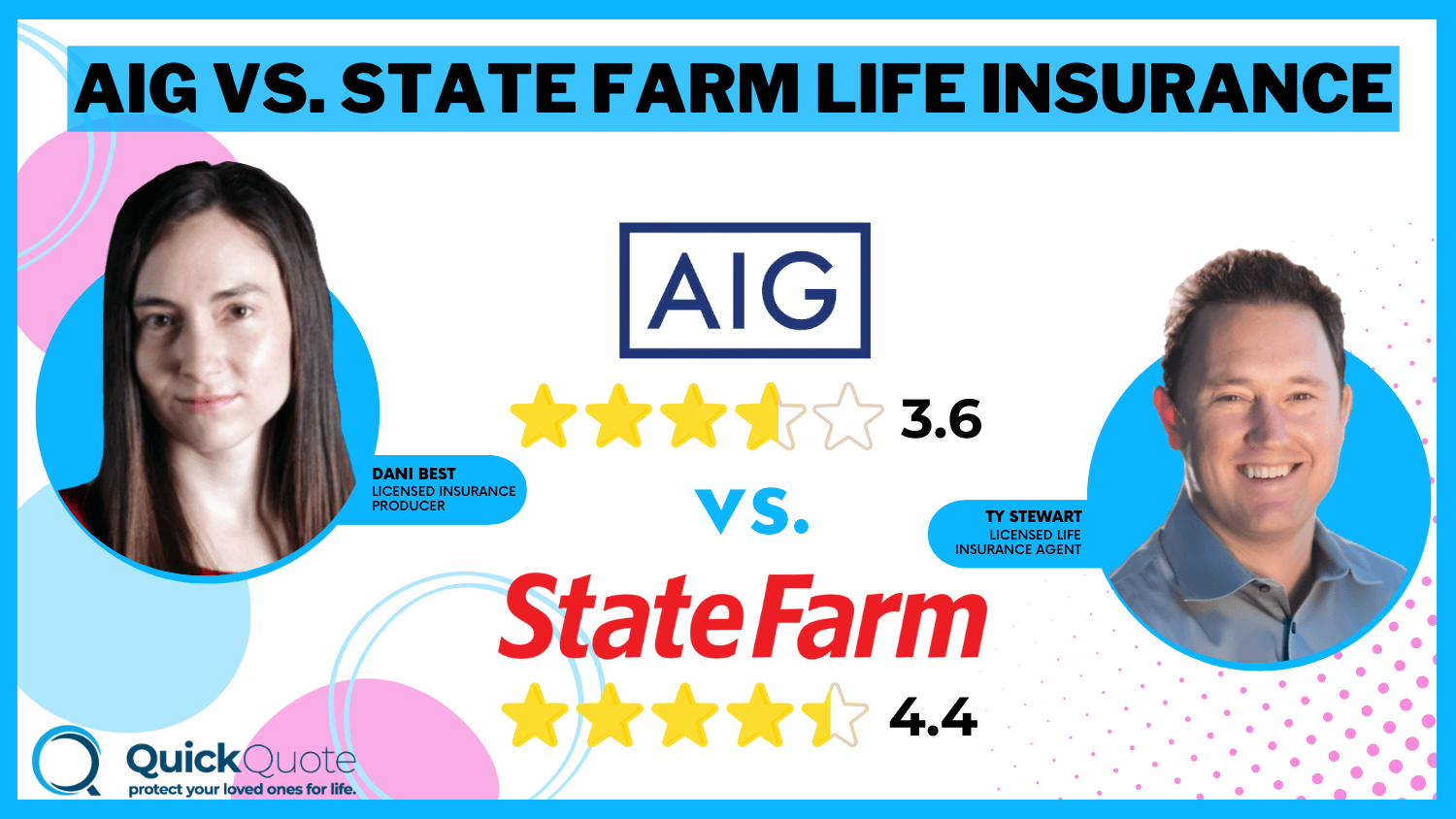
Navigating the life insurance market as a vegan or plant-based consumer often leads to questions about whether insurers offer special discounts or reduced rates for healthy, cruelty-free living. While AIG (American International Group) and other major life insurance carriers do not offer a direct, standalone discount specifically labeled for vegans, a plant-based lifestyle significantly influences the core underwriting metrics that determine your premium costs.
Understanding Life Insurance Underwriting and Lifestyle Choices
When you apply for a term or permanent life insurance policy with a carrier like AIG, the underwriting department evaluates your overall mortality risk. Underwriters do not issue policies based on a single dietary choice; instead, they examine the physiological outcomes of that choice. A plant-based diet, when balanced and nutrient-dense, frequently correlates with health markers that insurers view favorably.
Insurance companies categorize applicants into underwriting tiers—such as Preferred Plus, Preferred, Standard Plus, and Standard—based on medical history, family health background, driving record, and lifestyle habits. To qualify for the best possible rates (Preferred Plus), applicants must meet strict biological benchmarks regarding blood pressure, cholesterol levels, body mass index (BMI), and blood sugar.
While adopting a vegan lifestyle does not automatically guarantee a top-tier underwriting classification, it frequently supports the physiological metrics required to achieve it. Conversely, a poorly planned vegan diet heavy in processed foods, refined sugars, and trans fats can yield poor metabolic and cardiovascular markers, neutralizing any theoretical health benefits of avoiding animal products.
How AIG Evaluates Health and Nutrition
AIG relies on comprehensive medical exams, blood panels, urinalysis, and detailed lifestyle questionnaires to assess risk. When an underwriter evaluates a vegan applicant, they look past the philosophical commitment and focus entirely on quantifiable clinical data.
Cholesterol and Lipid Profiles
Plant-based diets are naturally cholesterol-free and typically low in saturated fats, which often results in favorable low-density lipoprotein (LDL) and total cholesterol levels. Underwriters examine these lipid profiles carefully. Favorable ratios reduce the perceived risk of atherosclerosis, heart attacks, and strokes, which positions the applicant favorably on the pricing spectrum.
Blood Pressure and Cardiovascular Health
High blood pressure is a primary risk factor that can push an applicant from a preferred rating into a standard or substandard pricing tier. Diets rich in whole grains, fruits, vegetables, and legumes are frequently associated with healthy blood pressure ranges. A stable, normal blood pressure reading during the AIG paramedical exam helps secure competitive premiums.
Body Mass Index (BMI) and Metabolic Health
Maintaining a healthy body weight is one of the most critical factors in life insurance pricing. Many individuals who transition to a whole-food, plant-based diet experience improvements in weight management and insulin sensitivity. Fasting blood glucose and A1C levels, which test for diabetes and pre-diabetes, are heavily scrutinized by AIG underwriters. Lower blood sugar levels and a healthy BMI directly correlate with lower mortality risk calculations.
The Reality of Vegan Discounts in the Insurance Industry
A common misconception in consumer finance is that specific subcultures or dietary groups receive niche discount codes or promotional rate reductions. In reality, traditional life insurance products regulated by state insurance commissioners must rely on actuarial data rather than lifestyle branding.
| Underwriting Factor | Standard Vegan Profile Impact | Traditional Consumer Impact |
|---|---|---|
| Cholesterol Levels | Frequently lower LDL and total cholesterol | Varies widely based on diet and genetics |
| Blood Pressure | Typically within optimal ranges | Susceptible to sodium and processed food impacts |
| BMI / Weight Management | Often lower average BMI due to high fiber intake | Higher statistical correlation with overweight categories |
| Direct "Vegan Discount" | None offered explicitly as a line-item discount | None offered |
| Underwriting Tier Impact | Indirectly helps qualify for Preferred / Preferred Plus | Dependent entirely on individual biometric exam results |
As illustrated above, the advantage of a plant-based lifestyle lies in its potential to optimize the biological markers that underwriters measure, rather than triggering a promotional price reduction.
Nutritional Deficiencies and Underwriting Risks
While a well-formulated vegan diet offers extensive health benefits, underwriters are also trained to spot potential nutritional pitfalls associated with restrictive eating habits. Certain deficiencies can raise red flags during the medical evaluation phase if not properly managed.
Vitamin B12 and Homocysteine Levels
Vitamin B12 is absent in unfortified plant foods. Chronic, unmanaged B12 deficiency can lead to macrocytic anemia, neurological complications, and elevated homocysteine levels—an independent risk factor for cardiovascular disease. If blood panels reveal anemia or elevated markers, underwriters may request additional medical records or adjust the risk classification until the condition is addressed through supplementation or dietary adjustments.
Protein Intake and Muscle Mass
A common, albeit sometimes outdated, concern among traditional underwriters is ensuring adequate protein intake for sustained health and longevity. Fortunately, modern nutritional science widely accepts that plant-based proteins (from lentils, beans, tofu, tempeh, and quinoa) easily support a healthy lifestyle. However, extreme or poorly managed raw-food or fruitarian diets that result in severe lean muscle wasting or malnutrition can trigger adverse underwriting decisions.
Tips for Vegan Applicants Seeking Competitive Life Insurance Rates
If you follow a plant-based lifestyle and are preparing to apply for life insurance through AIG or another major carrier, proactive preparation can help you secure the most favorable rate class possible.
- Schedule a Pre-Screening Checkup: Before submitting an official application, visit your primary care physician for a comprehensive blood panel. Verify that your iron, ferritin, lipid profile, blood glucose, and Vitamin B12 levels are within optimal ranges.
- Work with an Independent Broker: Independent insurance agents can shop across multiple carriers rather than pushing a single company's products. They can identify underwriters who are progressive in evaluating modern health and dietary trends.
- Be Transparent on the Application: Accurately report your medical history, supplements, and lifestyle habits. Underwriters cross-reference your statements with your medical records and paramedical exam results; discrepancies can delay underwriting or lead to a denial.
- Highlight Athletic and Fitness Habits: If your plant-based lifestyle is paired with regular cardiovascular exercise, strength training, or participation in endurance events (such as marathons or triathlons), ensure this is prominently featured in your application profile. Active lifestyles strongly support top-tier underwriting classes.
Frequently Asked Questions
Do major life insurance companies offer lower rates specifically for vegans?
No major life insurance carrier offers a direct, explicit discount solely for being vegan. Pricing is determined by objective underwriting criteria such as blood pressure, cholesterol, BMI, and medical history. However, eating a healthy plant-based diet can help you achieve the optimal biometric markers required for lower-cost premium tiers.
Will my medical exam show that I am vegan?
A paramedical exam and blood panel do not test for dietary philosophy, but they do reveal the physiological results of your diet. Tests will show your cholesterol levels, blood sugar, liver and kidney function, and nutrient levels, allowing underwriters to assess your overall metabolic health.
What happens if a vegan applicant has a Vitamin B12 deficiency?
If a blood test reveals anemia or nutrient deficiencies, the underwriter may view it as a manageable medical condition or request further information from your doctor. It is essential to demonstrate that the deficiency is diagnosed and successfully treated through supplementation or dietary adjustments to avoid a postponed or rated application.
Are term life insurance policies better than whole life for plant-based applicants?
The choice between term and whole life insurance depends entirely on your financial goals, income replacement needs, and estate planning objectives, rather than your diet. Term life insurance provides affordable coverage for a specific period, while whole life offers permanent coverage and a cash-value component.
How can I ensure I get the best possible health classification?
Focus on maintaining optimal biometric markers. Ensure your blood pressure, cholesterol, and BMI fall into the healthy ranges established by life insurance underwriting guidelines. Working with an experienced, independent insurance broker who understands alternative health profiles can also streamline the application process.
Conclusion and Next Actions
While AIG and other top-tier insurance providers do not feature a dedicated "vegan discount," the biological advantages of a well-balanced plant-based lifestyle provide a powerful pathway to securing competitive, low-cost life insurance rates. By focusing on verifiable health markers—such as optimal cholesterol ratios, healthy blood pressure, and balanced metabolic panels—you position yourself favorably during the underwriting process. To take the next step, consult with an independent insurance professional who can evaluate your specific health profile, compare quotes across multiple carriers, and help you apply for a policy that aligns with your financial and personal wellness goals.