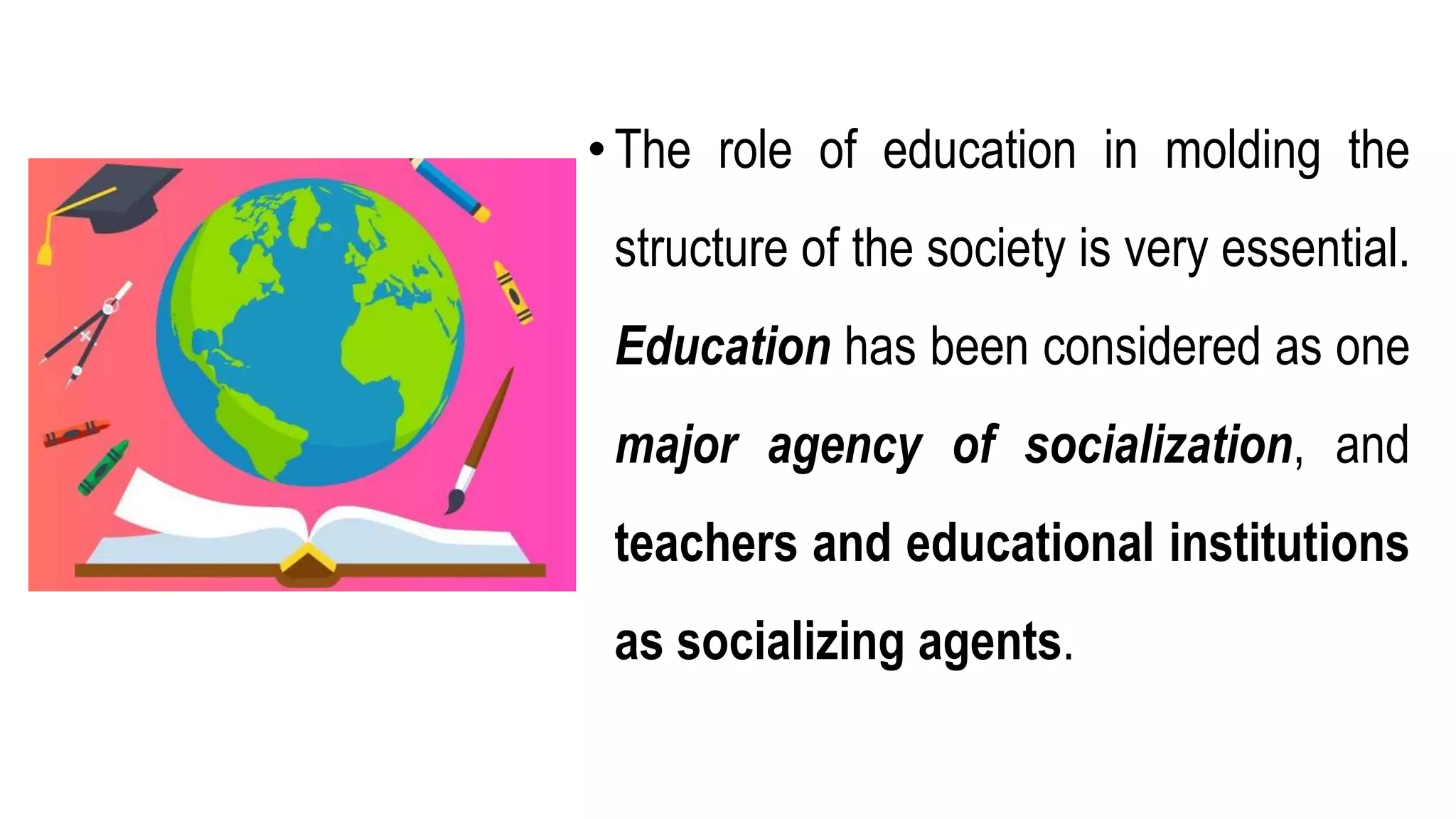
Agents of social change are individuals, organizations, or movements that proactively identify societal inequities and implement strategic actions to transform social structures, cultural norms, and institutional policies. They operate across various scales—from local community organizing to global advocacy—to promote justice, equality, and sustainable development through intentional, systemic intervention.
Defining the Agent of Social Change
To understand the concept of an agent of social change, one must first distinguish between passive observation and active agency. In a sociological context, agency refers to the capacity of individuals to act independently and make their own free choices. When this agency is directed toward the modification of social institutions or cultural patterns, the individual or group becomes an "agent of change."
By 2026, the definition has expanded to include not only human actors but also decentralized networks and technological frameworks that facilitate shifts in public consciousness. These agents do not merely react to social problems; they anticipate them, analyze the root causes, and mobilize resources to create a "new normal." Whether through legislative reform, grassroots mobilization, or social entrepreneurship, their primary objective is the disruption of the status quo in favor of a more equitable or functional societal arrangement.
The role of an agent is often defined by a "pro-social" orientation. While change can be regressive, the term "agent of social change" typically carries the connotation of progress—aiming for improvements in human rights, environmental sustainability, or economic accessibility. This requires a deep understanding of the levers of power and the persistence to navigate resistance, which is an inherent byproduct of any challenge to established systems.
The Sociological Foundations of Social Change Agency
The theoretical underpinning of social change often rests on the tension between "structure" and "agency." Sociologists like Anthony Giddens have argued that while social structures (laws, traditions, economic systems) shape human behavior, those same structures are constantly being recreated and modified by human action. Agents of social change occupy the space where these modifications occur.
Individual vs. Structural Agency
Individual agency focuses on the power of the person to influence their immediate environment and, through aggregation, the larger society. This is often seen in the work of "moral entrepreneurs"—individuals who lead movements to change laws based on a specific set of values. However, individual effort is rarely sufficient to produce lasting social change without addressing structural agency.
Structural agency involves the collective power of organizations, unions, and legal bodies to alter the frameworks of society. For example, a single teacher can be an agent of change in their classroom, but a national teachers' union acts as a structural agent by lobbying for educational policy shifts that affect millions. Effective agents of social change in 2026 often bridge this gap, using individual stories to drive structural reforms.
The Role of Social Capital
Social capital—the networks of relationships among people who live and work in a particular society—is the "currency" of social change agents. Without social capital, even the most innovative ideas lack the traction necessary to move through the stages of social adoption. Agents of change must build "bonding" capital within their own groups to maintain solidarity and "bridging" capital across different groups to build the broad coalitions required for systemic shifts.
Primary Types of Agents of Social Change
Social change does not emerge from a monolithic source. It is the result of diverse actors employing different methodologies. Understanding these types helps in identifying where one’s own efforts or resources can be most effectively applied.
Grassroots Activists and Community Organizers
Grassroots agents operate from the "bottom-up." They focus on local issues, believing that those most affected by a problem are best positioned to solve it. Their power lies in numbers and direct action. By 2026, grassroots organizing has become highly sophisticated, utilizing real-time data to coordinate efforts across geographic boundaries while maintaining a focus on hyper-local needs.
The strength of grassroots agents is their authenticity and their ability to humanize abstract policy issues. However, they often face challenges regarding long-term funding and the risk of "movement fatigue" if immediate results are not visible.
Institutional Reformers and "Intrapreneurs"
Institutional reformers work from within existing systems—government agencies, corporations, or international bodies like the United Nations—to drive change. These agents use their proximity to power to tweak regulations, shift corporate social responsibility (CSR) mandates, or implement diversity and inclusion initiatives.
Often referred to as "social intrapreneurs," these individuals leverage the infrastructure of large organizations to achieve social goals. While they may move slower than activists, the changes they implement are often more deeply "baked into" the system, making them harder to reverse.
Social Entrepreneurs
Social entrepreneurs apply business principles to solve social problems. Unlike traditional charities that rely on donations, social entrepreneurs create self-sustaining models where the sale of a product or service funds the social mission. This model has gained significant traction by 2026 as public trust in traditional institutions has fluctuated, leading people to look for market-based solutions to issues like renewable energy, clean water, and financial literacy.
Digital Advocates and Tech-Driven Agents
The digital landscape has created a new class of agents who use technology as their primary tool. These agents manage decentralized platforms, utilize AI for social listening, and leverage social media for rapid narrative-shifting. Their primary goal is often "information democratization"—ensuring that marginalized voices have the digital infrastructure to reach a global audience.
Core Competencies for Effective Change Agents
Becoming an effective agent of social change requires more than just passion; it demands a specific set of technical and interpersonal skills. As the landscape of global influence becomes more complex, these competencies are essential for navigating 2026's socio-political environment.
- Systems Thinking: The ability to see how different parts of a society interact. An agent must understand that changing one policy (e.g., housing) will inevitably affect others (e.g., education, health, and transport).
- Strategic Communication: Crafting narratives that resonate with diverse audiences. This involves "framing"—presenting an issue in a way that aligns with the values of the person being persuaded.
- Conflict Resolution and Negotiation: Because social change involves challenging power, conflict is inevitable. Agents must be skilled in de-escalation and finding "win-win" scenarios where possible.
- Data Literacy: In 2026, the ability to interpret and present data is vital for proving the necessity of change and measuring the impact of interventions.
- Resilience and Emotional Intelligence: The work of social change is often slow and met with significant opposition. Agents must manage their own mental health and maintain the morale of their teams.
Comparison of Social Change Methodologies
| Type of Agent | Primary Goal | Key Strategy | Typical Scale | Source of Power |
|---|---|---|---|---|
| Grassroots Activist | Immediate social justice | Direct action, protests | Local/Regional | Numbers & Moral Authority |
| Institutional Reformer | Policy/Systemic update | Lobbying, internal policy | National/Global | Legitimate Authority |
| Social Entrepreneur | Sustainable solution | Market-based models | Scalable/Global | Financial Independence |
| Digital Advocate | Awareness/Narrative shift | Content creation, viral campaigns | Global | Information Control |
| Philanthropist | Resource distribution | Grant-making, endowment | Regional/Global | Capital/Wealth |
Strategies for Implementing Social Change
Successful agents of change rarely rely on a single tactic. Instead, they employ a "strategy mix" that adapts to the current political and social climate.
Policy Advocacy and Lobbying
This involves working directly with legislators to draft, support, or oppose specific laws. It requires a deep understanding of the legal system and the ability to provide "proof of concept" for proposed reforms. Agents in this space often produce "white papers" or policy briefs that translate complex social needs into actionable legislative language.
Community Organizing and Power Mapping
Power mapping is a technique used by agents to identify who holds the power to make the desired change and who influences those decision-makers. By identifying these "nodes of influence," agents can target their efforts more precisely. Community organizing involves building a base of supporters who can be mobilized to attend hearings, vote, or participate in economic boycotts.
Narrative Shifting and Cultural Intervention
Sometimes the barrier to change is not the law, but the culture. Agents of social change often work with artists, influencers, and media creators to change the "story" society tells about a particular group or issue. For example, changing the public perception of mental health from a "personal failing" to a "public health priority" required a massive, multi-decade cultural intervention.
The Role of Technology and AI in 2026
As of 2026, Artificial Intelligence has become a double-edged sword for agents of social change. On one hand, AI-driven tools allow for "predictive advocacy," where agents can forecast social unrest or identify emerging trends before they reach a crisis point. Machine learning models help in optimizing the distribution of resources in non-profit sectors, ensuring that aid reaches the most vulnerable populations with minimal waste.
On the other hand, agents must now contend with algorithmic bias and the spread of automated misinformation. Modern agents of change are increasingly focused on "algorithmic justice"—ensuring that the code governing our lives (from credit scores to judicial sentencing) is transparent and equitable. This has given rise to the "technical agent of change," who blends coding expertise with social justice advocacy.
Measuring Success and Impact
One of the most difficult tasks for an agent of social change is determining whether their efforts are actually working. Success is rarely a straight line; it often involves "two steps forward, one step back."
- Quantitative Metrics: These include the number of people served, laws passed, or the amount of carbon emissions reduced. These are essential for reporting to stakeholders and donors.
- Qualitative Metrics: These involve shifts in public opinion, the "empowerment" felt by community members, and the strengthening of social networks. While harder to measure, these are often the most reliable indicators of long-term systemic change.
- Durability: A key metric in 2026 is the "stickiness" of the change. Is the new policy resilient against political shifts? Is the social enterprise profitable enough to survive a recession?
Challenges and Ethical Considerations
Agents of social change face significant ethical dilemmas. One of the most prominent is the "savior complex," where an external agent attempts to "fix" a community without truly understanding its culture or needs. This can lead to "paternalistic" interventions that do more harm than good.
Furthermore, there is the challenge of "unintended consequences." A policy designed to improve urban housing might inadvertently lead to gentrification, displacing the very people it was meant to help. Ethical agents must practice "radical humility" and be willing to pivot their strategies when data shows their intervention is causing harm.
Frequently Asked Questions
What is the difference between a social worker and an agent of social change?
While social workers often act as agents of change, their primary focus is usually on helping individuals navigate or cope with existing systems (clinical/micro level). An agent of social change focuses more on the macro or mezzo levels—changing the systems themselves so that the problems individuals face are mitigated at the source.
Can a corporation be an agent of social change?
Yes. Through "Corporate Social Innovation," companies can leverage their core business models to address social issues. For example, a telecommunications company expanding low-cost internet to rural areas is acting as an agent of change by closing the digital divide, provided the motive includes long-term social benefit alongside profit.
How do I start becoming an agent of change in my community?
The first step is "active listening." Before proposing solutions, an agent must spend time understanding the community's lived experience. Identifying a specific, manageable problem and connecting with existing organizations (rather than reinventing the wheel) is generally the most effective starting point.
What are the biggest risks for social change agents?
Burnout and "compassion fatigue" are the most common personal risks. Politically and professionally, agents risk retaliation from those who benefit from the status quo. In some jurisdictions, this can include legal harassment or physical danger, making safety protocols a technical necessity for modern activism.
Is social change always positive?
From a sociological perspective, change is neutral—it is simply a transformation. However, the term "agent of social change" is almost always used in the context of "social justice" or "social improvement." What one group considers progress, another might consider a loss of tradition or stability.
Recommendations for Future Agents
For those looking to drive meaningful impact in 2026, the focus should be on intersectionality and sustainability. Do not view social issues in isolation; understand how race, class, gender, and the environment intersect. Prioritize building systems that can function independently of your personal leadership.
The most successful agents are those who "work themselves out of a job" by creating structures so robust and equitable that the original intervention is no longer necessary. This requires a transition from charismatic leadership to distributed leadership, empowering others to take up the mantle of change.