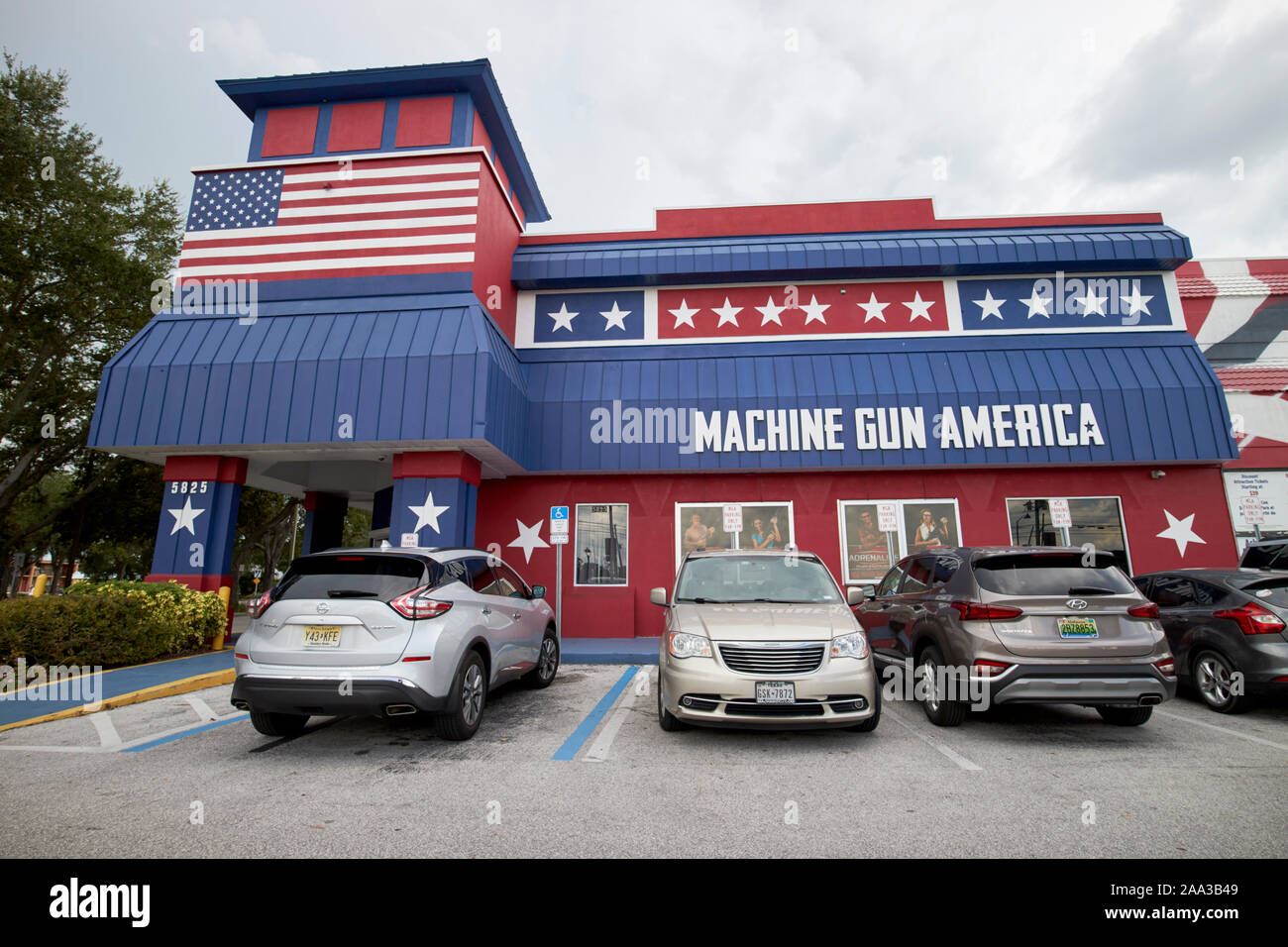
In Florida, there is no single state-mandated minimum age for entry into a gun range, as facility policies are determined by private business owners and local ordinances. While minors can legally shoot under adult supervision, individual ranges typically enforce their own internal age requirements—often ranging from 8 to 12 years old—based on safety protocols, insurance liability, and the physical maturity of the shooter.
Understanding the Legal Landscape
When researching the age limit for gun ranges in Florida, it is essential to distinguish between state law regarding firearm possession and the private policies of shooting facilities. Under Florida Statute 790.22, the "Use of Minors in Certain Possessions or Dispositions of Firearms," the state permits minors to possess or use a firearm under certain conditions, such as supervised target practice at a range or during hunting activities. However, this statute does not mandate that a range must provide access to individuals under a specific age.
Because gun ranges operate as private businesses, they are granted the authority to set their own "house rules." These policies are often influenced by the facility's insurance carrier, which assesses the risk associated with different age groups. Consequently, you will find significant variability across the state. A range in Miami may have different requirements than a facility in Tallahassee, even though both operate under the same state statutes.
Factors Influencing Range Policies
Facility operators evaluate several criteria when establishing their minimum age requirements. Understanding these factors can help you determine whether your minor child will be eligible to participate at a specific location:
- Physical Maturity: Firearms require a certain level of strength and coordination to operate safely. Operators often look for the ability to support the weight of the firearm and the physical strength to manipulate the slide or trigger.
- Cognitive Readiness: The ability to follow complex safety instructions is paramount. Range officers must be confident that a younger shooter possesses the focus to keep the firearm pointed downrange at all times and understand the consequences of failing to do so.
- Liability and Insurance: Every range carries comprehensive liability insurance. Insurance providers often stipulate age-related requirements as part of the underwriting process to minimize the risk of accidents.
- Staffing Levels: Some ranges require one-on-one supervision for minors. If a facility does not have enough range safety officers (RSOs) to facilitate constant supervision for younger shooters, they may raise the minimum age to ensure that all lanes are managed safely.
Preparing for Your First Visit
If you are planning to take a minor to a shooting range in 2026, the preparation process is as critical as the visit itself. Before driving to the facility, verify the current policy through the range’s official website or by calling directly.
When you arrive, expect the following requirements:
- Direct Supervision: In nearly all cases, a parent or legal guardian must be present on the firing line at all times. Some facilities may require the parent to stand within arm’s reach of the minor.
- Required Documentation: Bring a state-issued ID for yourself and, in some cases, a birth certificate or school ID for the minor to verify age, especially if they appear close to the threshold age set by the range.
- Waiver Signing: You will be required to sign a liability waiver on behalf of the minor. Ensure you have the legal authority to sign such documents, as this is a binding contract.
- Safety Orientation: Regardless of previous experience, most ranges require a safety briefing for both the adult and the minor before entering the shooting bays.
Comparison of Typical Range Requirements
While every facility is unique, the following table illustrates the common industry standards for minor access at Florida shooting ranges.
| Category | Typical Requirement | Purpose/Rationale |
|---|---|---|
| Minimum Age (General) | 8–12 Years | Cognitive and physical safety threshold. |
| Supervision | 1-on-1 | Constant vigilance by a parent/guardian. |
| Equipment Size | Age-Appropriate | Ensures the minor can safely manipulate the firearm. |
| Mandatory Training | Required for Minors | Verification of safety protocol knowledge. |
| Documentation | Parent/Guardian ID | Legal verification of guardianship. |
The Role of Safety Training
Safety should always be the priority over the desire to shoot. If your child is interested in firearms, consider enrolling them in a youth marksmanship program or a safety-specific course before visiting a commercial range. Many organizations in Florida offer "First Shots" or youth-specific training days. These programs are often better suited for younger shooters than a standard range visit, as they are structured around the learning pace of a child rather than the environment of a public range.
Training ensures that when the minor finally steps onto a firing line, they have already developed the muscle memory and mental discipline required to handle firearms responsibly. This background often makes range operators more willing to accommodate younger participants, as it demonstrates that the family takes firearm safety seriously.
Troubleshooting Potential Issues
If you encounter resistance at a range, do not interpret it as a personal slight or a violation of rights. Private businesses have the right to deny service based on their assessment of safety.
- Age Verification Denials: If your child is right on the cusp of the age limit, some ranges may perform a "range test." They may ask the minor to demonstrate the ability to rack a slide or hold a demonstration firearm safely before allowing them onto the firing line.
- Conflicting Policies: If you are a member of a range and they change their policy to exclude younger shooters, review your membership agreement. Most contracts contain clauses regarding facility rules, which the management reserves the right to amend.
- Finding Alternatives: If a large commercial range denies access due to age, look for smaller, member-owned clubs or private conservation clubs. These organizations sometimes have different policies and might be more flexible if the parent is a vetted member of the club.
Frequently Asked Questions
Does Florida law have a state-wide minimum age for shooting at a range? No, Florida does not set a statutory minimum age for target practice. The rules are dictated by the individual range’s management, which balances safety and liability concerns.
Can my 10-year-old shoot my handgun at a range? Most ranges permit 10-year-olds if they are under direct, one-on-one supervision by a parent. However, you must check the specific range's rules first, as some may require a minimum age of 12 or older.
What documentation do I need to bring for a minor? At a minimum, you will need your own government-issued photo ID. It is good practice to carry a copy of the child’s birth certificate or a school ID, as some range officers may request proof of age if the child appears younger than the posted limit.
Why do some ranges forbid children under 12? It is usually not a legal restriction but an insurance-based one. Insurance companies may categorize children under 12 as a higher-risk demographic, and ranges comply with those standards to maintain affordable coverage.
Are there gun ranges in Florida that offer youth-specific lanes? Yes, several larger indoor facilities in major Florida cities offer family lanes or youth training programs. These areas are specifically designed to minimize distractions and increase the level of supervision for younger shooters.
Next Steps and Recommendations
Before planning a range day, start by calling the facility to ask, "What is your minimum age for shooters, and are there specific requirements for parents supervising minors?" Once you confirm the policy, visit the range website to review their safety rules. If possible, take the minor to visit the range without shooting first, so they can become accustomed to the noise, the environment, and the layout of the facility. If the minor is under the age of 10, inquire about local 4-H shooting sports programs or youth-focused firearm training, which provide a more controlled and age-appropriate entry into the sport.