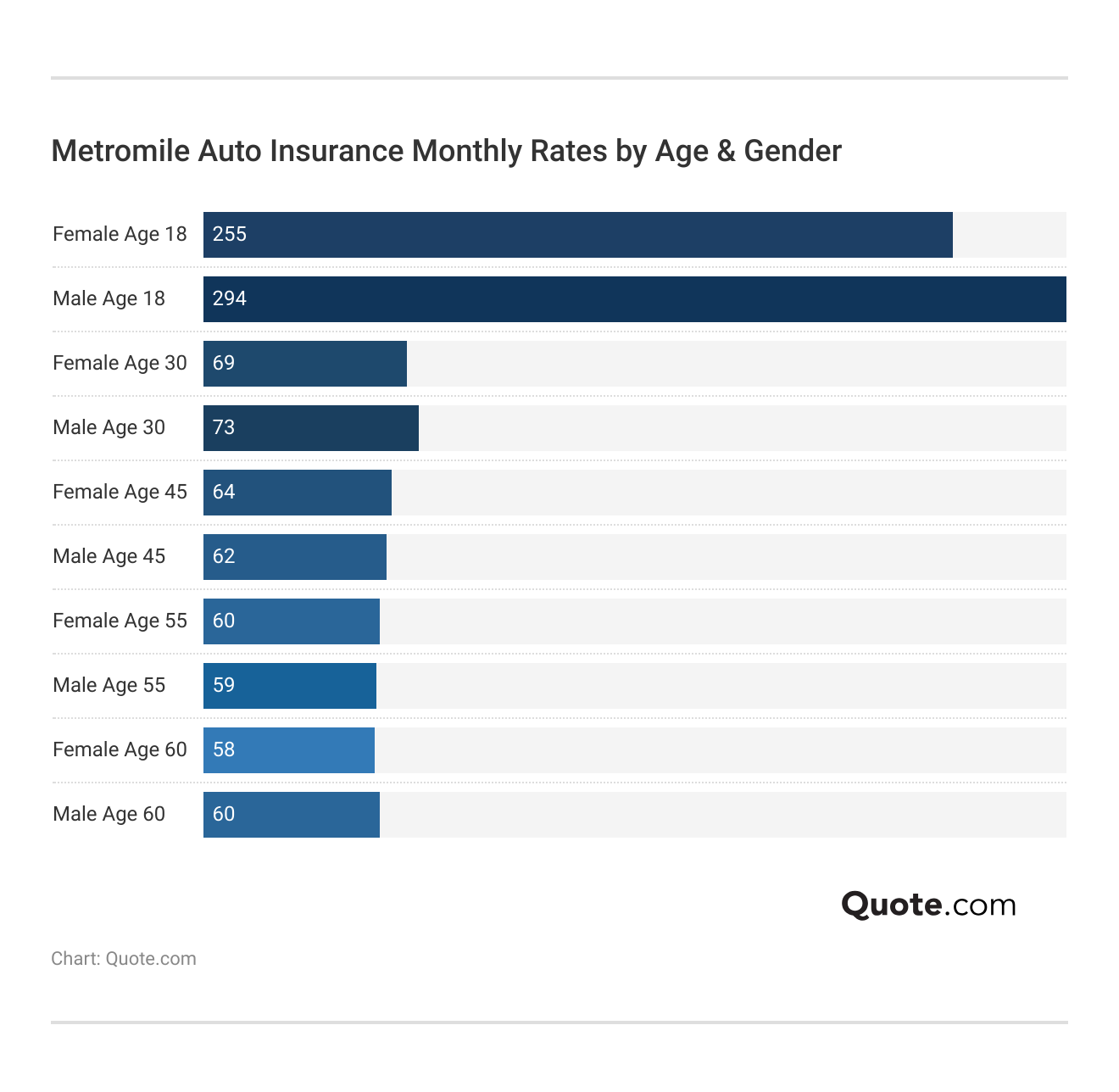
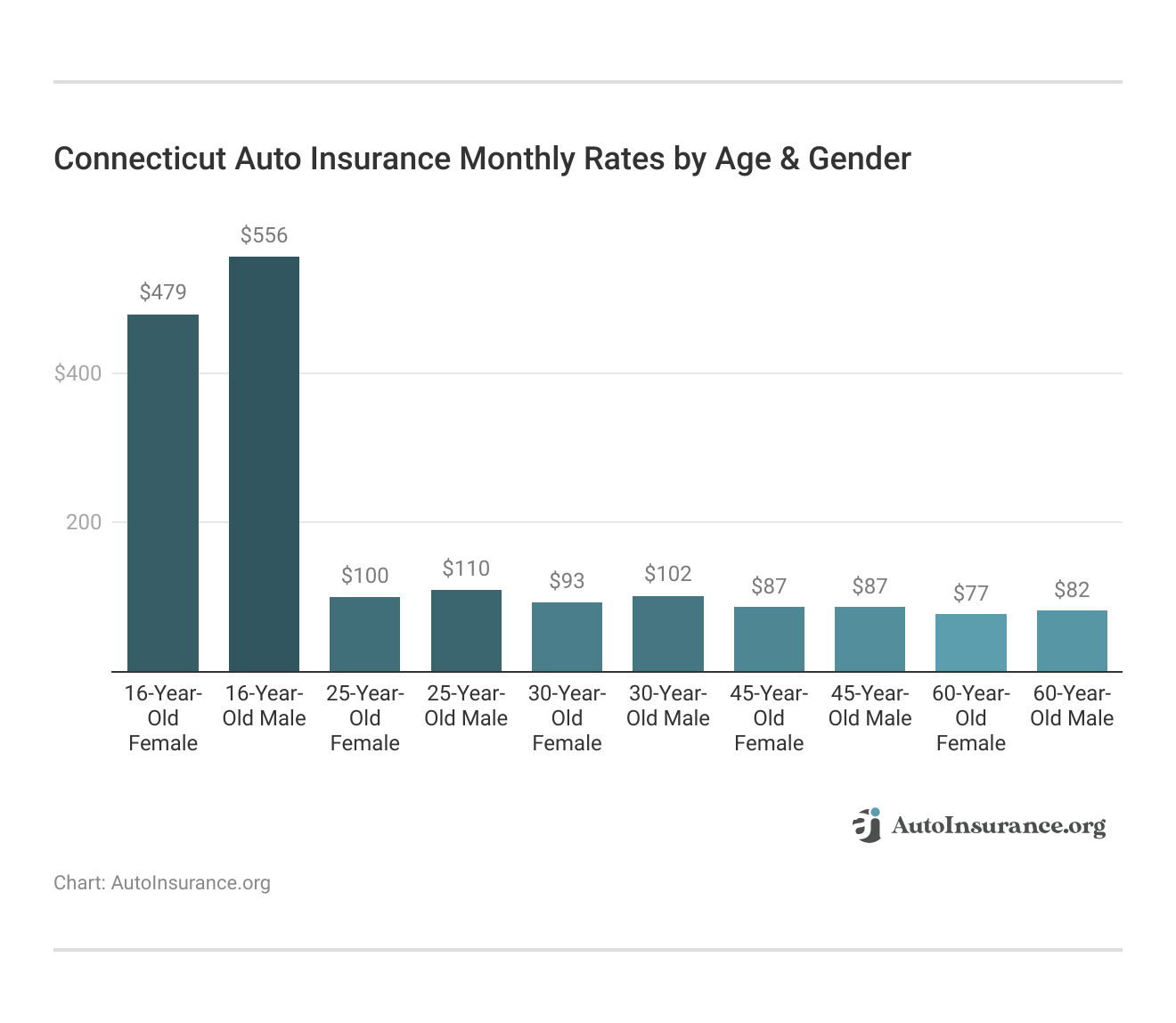
Age stands as one of the most statistically significant and heavily weighted variables insurance providers utilize when calculating the cost of car insurance coverage. Because young drivers lack driving experience, they are statistically more likely to be involved in accidents, resulting in teenage drivers facing the highest premiums of any demographic group. Conversely, middle-aged drivers typically enjoy the lowest rates, while senior drivers may experience moderate rate increases due to age-related physiological changes.
The Core Mechanics of Risk Assessment in Auto Insurance
Car insurance functions on the fundamental principle of risk pooling. Insurance companies collect premiums from millions of policyholders to pay out claims for the unfortunate few who experience accidents, vehicle thefts, or weather-related damages. To remain financially viable while offering competitive pricing, underwriters must accurately predict the likelihood that a given individual will file a claim and project the potential financial severity of that claim.
Statistical data gathered over decades reveals distinct correlations between driver age and accident frequency. Underwriters do not view age through a personal lens; rather, they analyze it as a proxy for maturity, physical capability, reaction times, and driving tenure. This mathematical reality means that two individuals with identical driving records, identical vehicles, and identical residential zip codes can receive vastly different insurance quotes solely based on their birth dates.
Understanding how insurers categorize age groups helps consumers anticipate upcoming financial adjustments, shop strategically for coverage, and implement risk-mitigating habits that can counteract unfavorable demographic classifications.
Why Young and Teenage Drivers Face the Highest Rates
Drivers between the ages of 16 and 19 represent the highest-risk segment on public roadways. National highway safety data consistently demonstrates that teen drivers have the highest crash rates per mile driven of any age group. Several distinct factors contribute to this classification:
- Lack of Experience: Newly licensed drivers have not yet developed the intuitive hazard-recognition skills necessary to navigate complex traffic scenarios safely. They struggle to anticipate the actions of other motorists, judge stopping distances in adverse weather, or react appropriately to sudden mechanical failures.
- Brain Development and Impulse Control: Neurological research indicates that the prefrontal cortex—the area of the brain responsible for impulse control, risk assessment, and long-term planning—continues to develop into a person's mid-twenties. This developmental stage often manifests as higher rates of speeding, distracted driving, and driving without a seatbelt among younger demographics.
- Passenger Distractions: Teenage drivers are significantly more likely to drive with peers in the vehicle. Statistical studies show that the presence of teenage passengers drastically increases the likelihood of a fatal or severe crash due to peer pressure and cabin distractions.
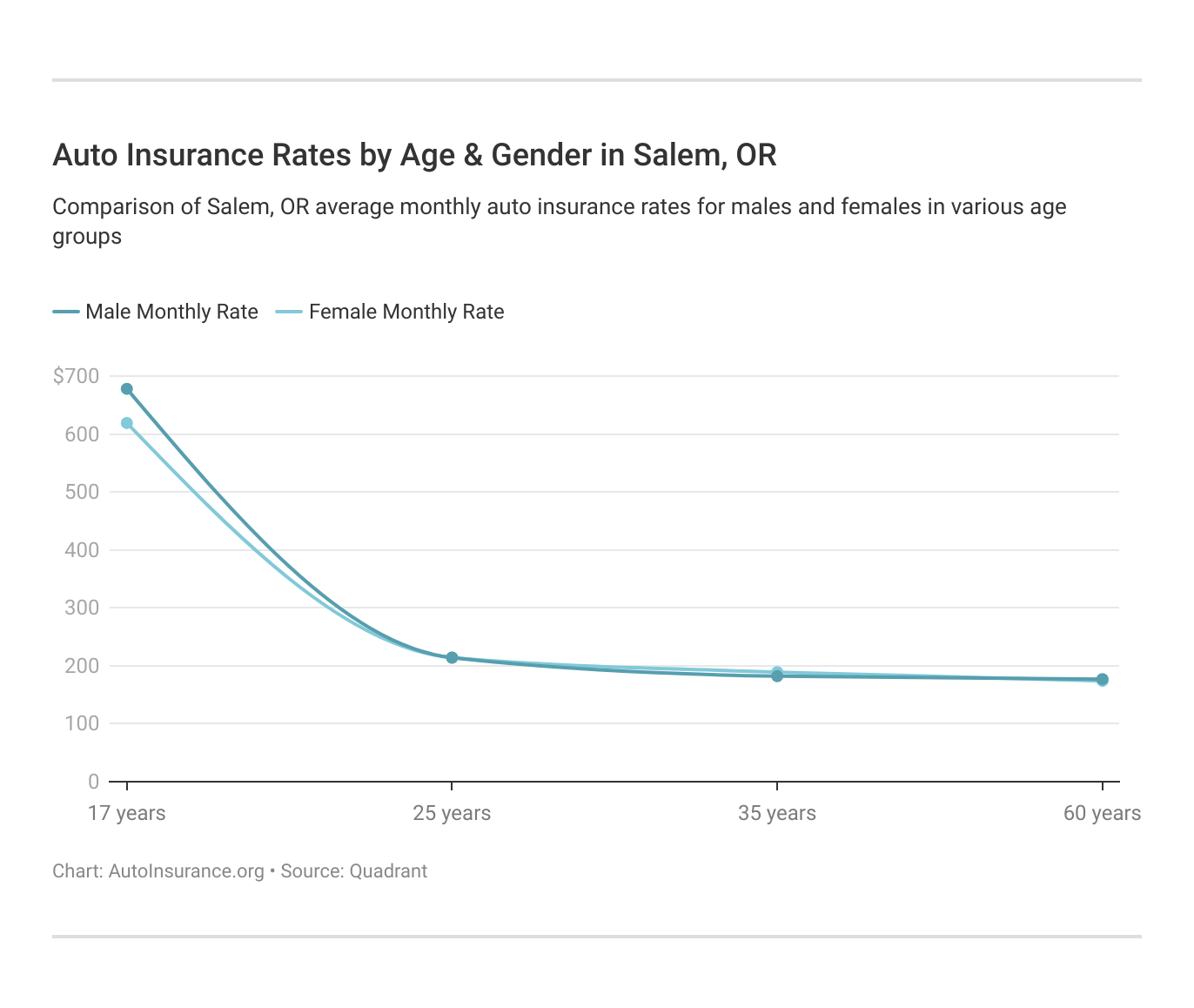
Because of these compounding risk factors, insuring a teenager on a parent's policy or as an independent policyholder can easily double or triple household insurance expenditures. Insurers mitigate this steep cost through specific policy structures, such as requiring high deductibles or offering good student discounts for those maintaining a designated grade point average.
The Cost Curve: Young Adulthood to Middle Age
As drivers transition out of their teens and move through their twenties and thirties, their auto insurance premiums typically experience a steady downward trajectory, provided they maintain a clean driving record.
During the early twenties, insurance rates begin to decline significantly around age 21, with more pronounced drops occurring at age 25. By age 25, actuarial tables show a substantial shift in maturity and driving habits. Drivers have accumulated nearly a decade of behind-the-wheel experience, are less likely to engage in high-risk nighttime driving, and often transition into safer, family-oriented vehicles.
| Age Group | Relative Insurance Cost Trend | Primary Risk Factors and Underwriting Focus |
|---|---|---|
| 16–19 | Extremely High | Complete lack of experience, high accident frequency, distracted driving, peer passengers. |
| 20–24 | High to Moderate | Gradual accumulation of experience, improving risk assessment, residual youthful risk. |
| 25–49 | Lowest / Most Stable | Peak driving maturity, stable employment and residency, established safety records. |
| 50–69 | Stable / Slight Increase | Continued stability, potential commuting habit changes, emerging health considerations. |
| 70+ | Moderate to High | Declining night vision, slower reaction times, increased vulnerability to severe injuries in crashes. |
Throughout middle age (spanning roughly ages 30 to 60), policyholders generally enjoy the most favorable insurance rates available in the marketplace. At this life stage, individuals frequently establish stable living situations, commute predictable routes, and prioritize vehicle safety features because they are transporting children or managing household expenses. Insurers reward this stability with preferred tier pricing.
Senior Drivers and Late-Life Rate Adjustments
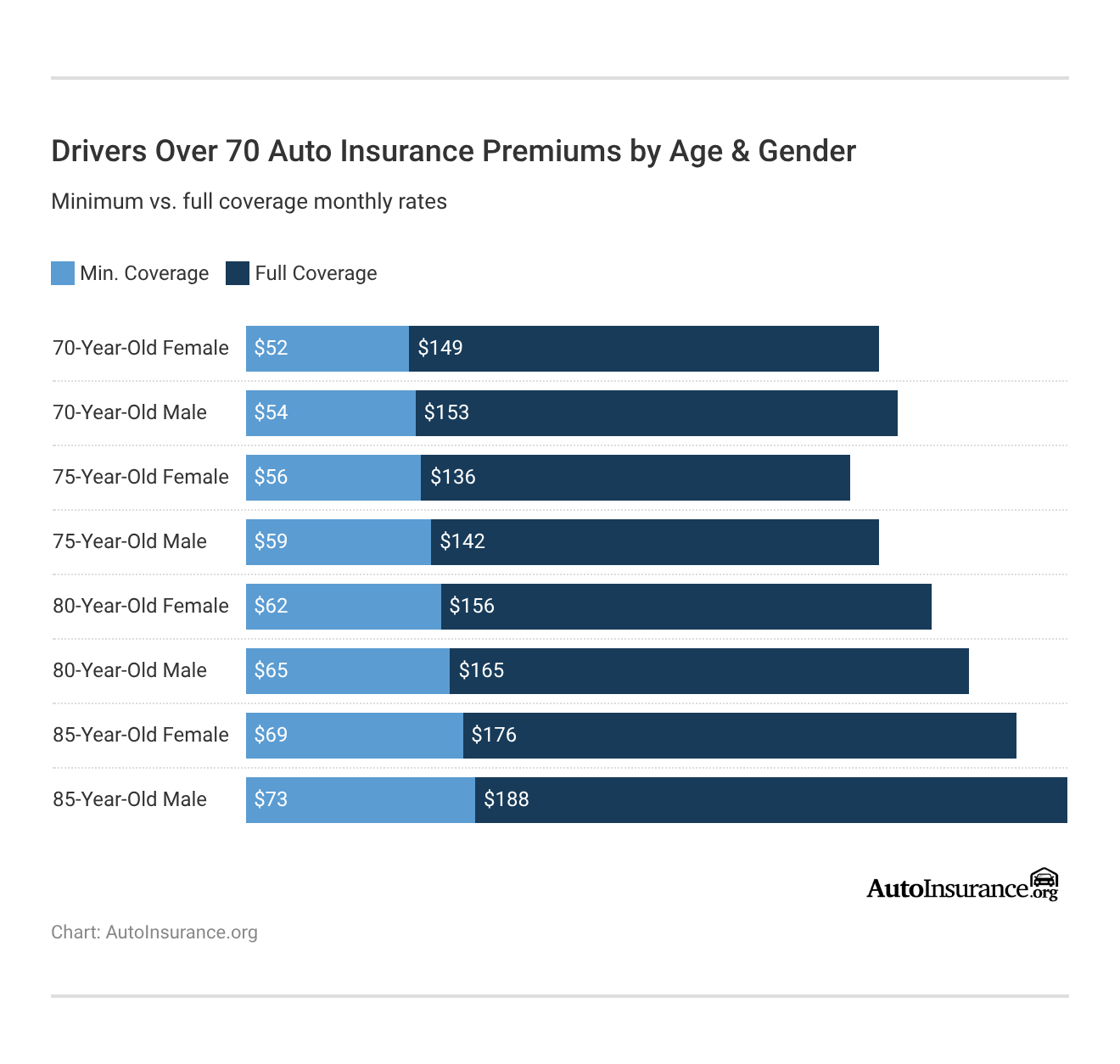
While middle-aged drivers enjoy baseline stability, insurance costs begin to creep upward again once a driver enters their seventies. This shift is not driven by reckless behavior or speeding tickets; rather, it reflects biological and statistical realities associated with aging.
As drivers enter their senior years, several physical changes can impact driving safety:
- Decreased Reaction Times: Cognitive processing speeds and physical reflexes naturally slow down, making it more difficult to avoid sudden road hazards.
- Vision and Hearing Impairments: Age-related conditions such as cataracts, macular degeneration, and hearing loss can impair a senior's ability to monitor surrounding traffic effectively, particularly during night driving or in heavy rain.
- Medical Fragility: Older adults are more physically vulnerable than younger individuals. In the event of a traffic collision, older bodies sustain more severe injuries, leading to higher medical payout costs for insurance providers.
Despite these factors, senior drivers can maintain manageable insurance rates by limiting their annual mileage, taking mature driver safety courses certified by organizations like AARP, and avoiding peak-hour commuting.
State Regulations and Non-Age Rating Factors
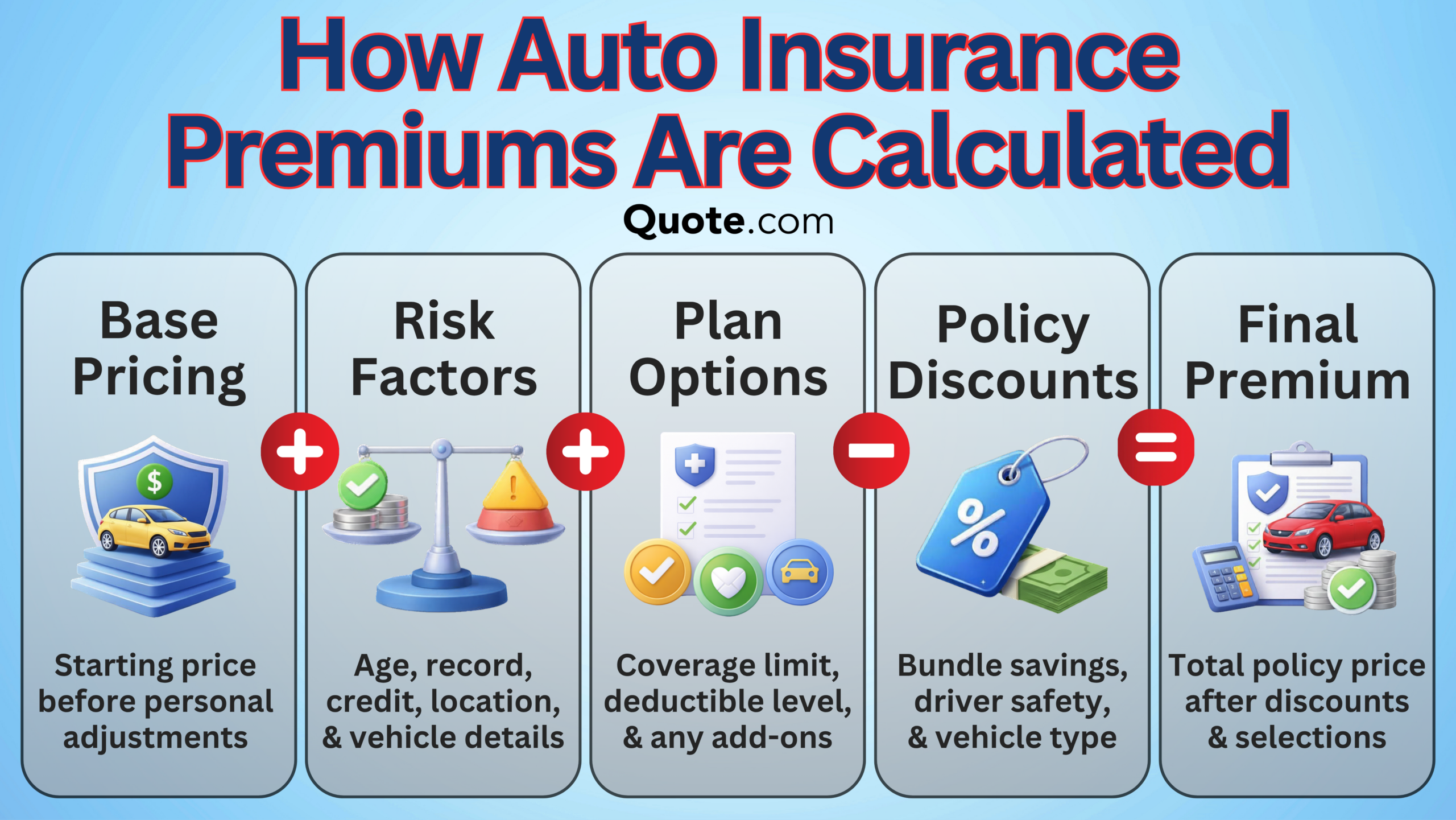
It is essential to note that age does not operate in a vacuum. Insurance underwriting is governed by state-level insurance commissioners who dictate which demographic factors companies can legally use when setting rates.
For example, a small number of states—such as California, Hawaii, and Massachusetts—have restricted or outright banned the use of gender and age in setting auto insurance premiums, forcing insurers to rely more heavily on driving history, annual mileage, and driving experience. In the vast majority of jurisdictions, however, age remains a primary rating variable alongside:
- Driving Record: Speeding tickets, at-fault accidents, and driving under the influence (DUI) convictions heavily amplify the base rates determined by age.
- Vehicle Make and Model: The cost to repair or replace a vehicle, its safety ratings, and its theft rates directly impact comprehensive and collision coverage pricing.
- Location (Zip Code): Urban areas with high traffic congestion, vandalism rates, and frequent weather events yield higher premiums than rural areas.
- Credit History: In states where permitted, credit-based insurance scores correlate strongly with the likelihood of filing a claim.
Strategies to Mitigate High Age-Based Premiums
Because consumers cannot alter their chronological age, mitigating high insurance costs requires leveraging other controllable policy components. Whether managing a policy for a teenage driver or looking for ways to optimize rates for a senior family member, several proven strategies can help lower financial exposure.
For young drivers, remaining on a parent's multi-car policy is almost always more cost-effective than purchasing an independent policy. Insurers offer multi-car and multi-driver discounts that absorb the risk of a youthful driver more efficiently. Additionally, enrolling young drivers in telematics programs—which monitor driving habits via smartphone apps or plug-in dashboard devices—allows safe drivers to prove their competence and earn substantial discounts regardless of their age.
For senior drivers, shopping around among carriers that specialize in mature drivers can uncover significant savings. Many national insurers offer specialized customer loyalty discounts, low-mileage programs for retirees who no longer commute to work, and discounts for completing defensive driving refresher courses.
Ultimately, while age remains a foundational metric in determining auto insurance premiums, understanding how insurers calculate risk empowers policyholders to take proactive control of their overall insurance expenditures through strategic vehicle selection, clean driving habits, and smart discount utilization.
Frequently Asked Questions
Why is car insurance so expensive for 16-year-olds?
Car insurance is exceptionally expensive for 16-year-olds because actuarial data shows they have the highest crash rates of any demographic. Lacking driving experience, having developing impulse-control centers in the brain, and frequently driving with teenage passengers combine to create a high statistical probability of filing costly claims.
Does car insurance automatically go down at age 25?
Car insurance rates do not automatically drop the moment a driver turns 25, but insurers frequently reclassify drivers into a lower-risk tier around this age. If a driver has maintained a clean driving record free of accidents or tickets, they will typically notice a noticeable decrease in their premium renewal quotes around their mid-twenties.
Can drivers do anything to avoid high age-based insurance rates?
While chronological age cannot be changed, drivers can offset high demographic rates by maintaining a clean driving record, driving a vehicle with high safety ratings and low repair costs, bundling policies, maintaining good student grades (for youth), or enrolling in telematics-based safe-driving programs.
Do all states allow insurance companies to use age when setting rates?
No. A select number of states—such as California, Hawaii, and Massachusetts—prohibit or strictly limit the use of age, gender, and marital status in setting auto insurance rates. In these states, insurers rely primarily on driving record, years of driving experience, and annual mileage.
How do senior driver rates compare to teen rates?
While senior drivers (typically ages 70 and older) do experience moderate rate increases due to slower reaction times and increased medical vulnerability, their rates are generally much lower than those of teenage drivers. Teens represent the absolute peak of insurance pricing due to complete driving inexperience.