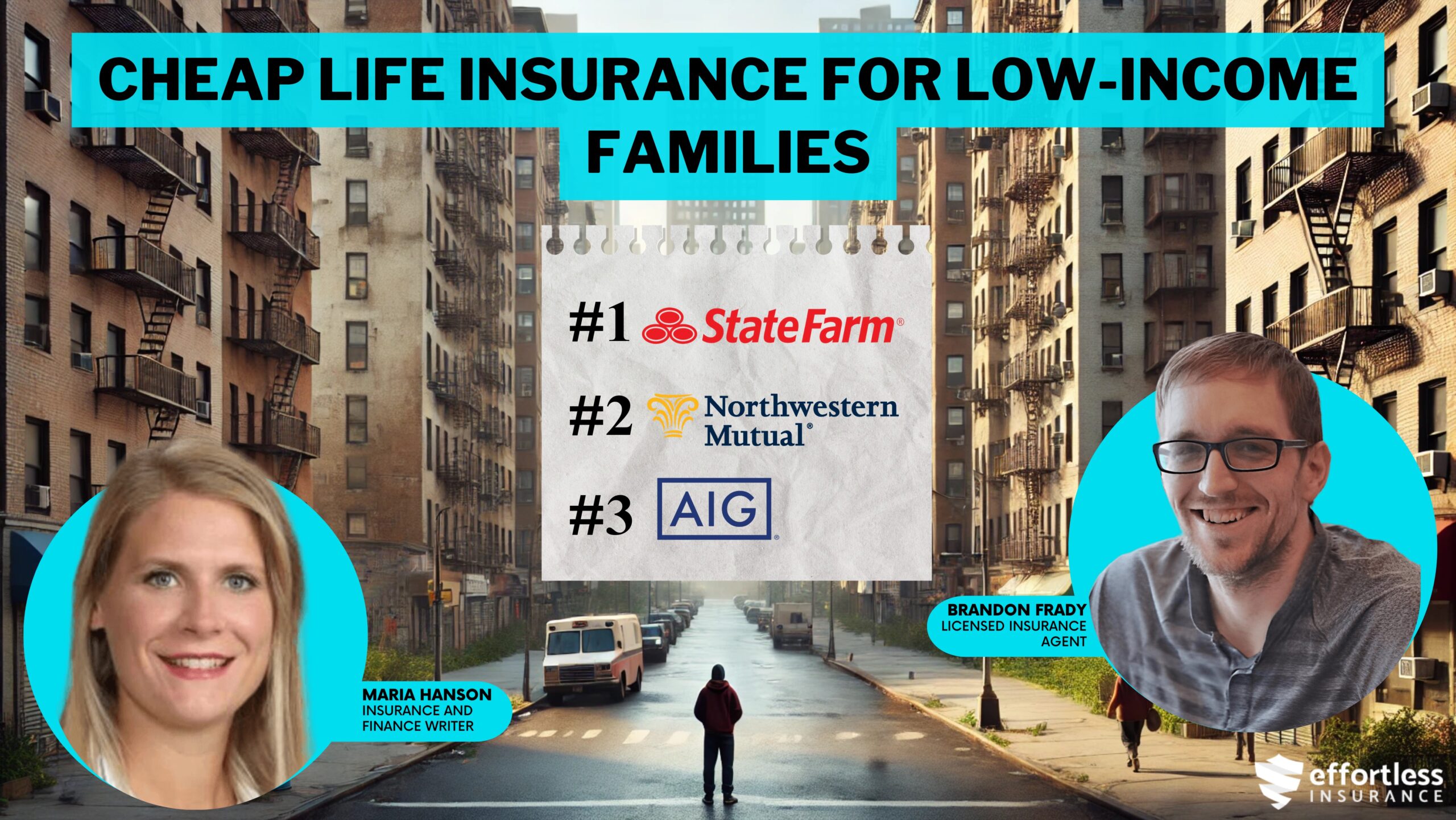
Securing affordable life insurance for budget-conscious families requires balancing robust financial protection with monthly premium costs that fit comfortably into a household budget. By prioritizing term life insurance over permanent options, shopping around for competitive quotes, and locking in policies while young and healthy, families can obtain high coverage amounts—often ranging from $500,000 to $1 million—for a fraction of the cost of whole life policies, ensuring financial security without straining daily finances.
Understanding the Financial Realities for Budget-Conscious Households
Managing household finances requires careful prioritization. Between mortgages, utility bills, childcare, and everyday groceries, adding another monthly bill can feel overwhelming. However, protecting your family’s financial future in the event of an untimely death is a critical component of long-term planning. For families operating on tight margins, the goal is not to buy the most expensive policy with bells and whistles, but rather to secure the right amount of coverage at the lowest possible cost.
Many consumers mistakenly believe that life insurance is universally expensive or out of reach. In reality, healthy individuals in their twenties and thirties can often secure substantial policies for less than the cost of a monthly streaming subscription or a couple of specialty coffees. The key is understanding how insurance companies price their products and knowing which policy structures deliver maximum value for everyday households.
Term Life Insurance vs. Permanent Life Insurance: The Core Choice
When shopping for affordable coverage, the single most impactful decision a consumer makes is choosing between term life insurance and permanent life insurance.
Term Life Insurance
Term life insurance provides coverage for a specific period, typically 10, 20, or 30 years. If the policyholder passes away during that term, the beneficiaries receive the death benefit. If the term expires and the policyholder is still alive, the coverage ends without payout (unless it includes a return-of-premium rider, which increases the cost).
Because term policies do not build cash value and only pay out upon death within a specific window, they are remarkably inexpensive. A 30-year-old in good health can frequently purchase a 20-year term policy with a $500,000 death benefit for $25 to $40 per month. This makes term life insurance the gold standard for budget-conscious families who need high coverage during their peak earning years and child-rearing decades.
Permanent Life Insurance
Permanent life insurance—including whole life and universal life—provides coverage for the entire lifetime of the insured and includes a cash-value savings component. While this sounds attractive, the premiums are often 5 to 15 times higher than equivalent term policies. For a family on a tight budget, allocating funds toward permanent life insurance often means underfunding retirement accounts, emergency funds, or daily necessities. Financial experts generally advise budget-conscious families to bypass permanent insurance in favor of term insurance, investing the cost difference elsewhere if wealth-building is a goal.
Key Factors That Influence Your Life Insurance Premium
Insurance underwriters evaluate several distinct risk factors when determining how much to charge for a policy. Understanding these variables allows families to anticipate costs and take proactive steps to secure lower rates.
Age and Health Status
Age is the single most significant pricing factor. Premiums increase by roughly 8% to 10% for every year you wait to purchase a policy. Locking in a 20- or 30-year term policy in your twenties or early thirties locks in a low rate for decades. Underwriters also examine personal medical history, family medical history, height-to-weight ratios, blood pressure, and cholesterol levels.
Lifestyle and Occupational Risks
Engaging in high-risk hobbies such as skydiving, scuba diving, rock climbing, or auto racing will increase your rates. Similarly, working in hazardous occupations like commercial fishing, structural steelwork, or explosives handling can lead to higher premiums or policy exclusions. Tobacco use is another major pricing multiplier; smokers typically pay two to three times more for the exact same coverage as non-smokers.
| Policy Type | Typical Monthly Cost (30-Yr-Old, $500k Benefit) | Cash Value Accumulation | Best Suited For |
|---|---|---|---|
| Term Life (20-Year) | $25 – $45 | No | Income replacement, mortgage protection, young families |
| Whole Life | $300 – $600+ | Yes | Estate planning, lifelong dependents with special needs |
| Universal Life | $200 – $400+ | Yes (Flexible) | Flexible premium needs, permanent estate liquidity |
| Simplified Issue Term | $40 – $70 | No | Fast approval, mild health concerns, lower coverage caps |
Step-by-Step Strategy to Find and Secure Affordable Coverage
Finding the best price requires a methodical approach. Skipping steps or failing to compare options can result in paying hundreds of dollars more per year for the same financial protection.
1. Calculate Your Exact Coverage Needs
Do not guess how much insurance you need. A common rule of thumb is 10 to 12 times your annual income, but a more accurate calculation accounts for outstanding debts, mortgage balances, future college tuition for children, and funeral expenses. Subtract existing savings and liquid assets to find the precise gap that life insurance needs to cover. Buying more coverage than necessary wastes money, while buying too little leaves your family vulnerable.
2. Shop Multiple Carriers and Independent Brokers
Insurance companies use different underwriting algorithms. One carrier might penalize high blood pressure heavily, while another views it as well-managed and offers a standard or preferred rate. Working with an independent insurance broker allows you to compare quotes from a dozen or more A-rated insurance companies simultaneously, ensuring you identify the absolute lowest price for your specific health profile.
3. Consider Group Life Insurance vs. Individual Policies
Many employers offer group life insurance as a workplace benefit, often providing one or two times your salary at little or no cost to you. While this is a great perk, it is rarely sufficient for a growing family. Furthermore, group policies are usually non-portable, meaning if you change jobs or get laid off, you lose the coverage. Use workplace coverage as a supplement, but rely on an individual term policy as your primary financial safety net.
Common Mistakes Budget-Conscious Families Make
When trying to save money on life insurance, well-meaning consumers often fall into traps that compromise their coverage or inflate their long-term expenses.
- Waiting Too Long to Buy: Procrastination is the enemy of affordability. Every birthday pushes you into a higher pricing tier, and an unexpected medical diagnosis can make coverage drastically more expensive or entirely unobtainable.
- Buying Too Little Coverage to Save a Few Dollars: Selecting a $100,000 policy instead of a $500,000 policy saves a few dollars a month, but it fails to achieve the core objective of replacing lost income for a family with young children.
- Failing to Disclose Accurate Health Information: Hiding pre-existing conditions, smoking habits, or dangerous hobbies on an application may result in lower initial quotes, but it gives the insurance company grounds to deny a claim down the road during the contestability period. Always be completely transparent.
- Opting for No-Exam Policies Unnecessarily: While no-exam (accelerated underwriting) policies offer convenience and speed, they often carry higher administrative costs or stricter underwriting limits. If you are generally healthy, taking a standard paramedical exam (which is free and conducted in your home) usually qualifies you for lower, preferred health tiers.
Frequently Asked Questions About Budget-Friendly Life Insurance
How much life insurance coverage does a typical family need?
Most families require enough coverage to replace the primary breadwinner's income through their expected working years, cover remaining mortgage debt, and fund future education for children. For a family with young children, a $500,000 to $1,000,000 term policy is common. A financial advisor or online calculator can help tailor this figure to your specific household expenses.
Can I get life insurance if I have pre-existing medical conditions?
Yes. Conditions like controlled high blood pressure, asthma, type 2 diabetes, or high cholesterol do not automatically disqualify you from getting affordable term life insurance. Insurance carriers weigh how well the condition is managed, your treatment history, and your overall stability. Working with an independent broker who knows which carriers are lenient toward specific conditions is essential.
Is it better to buy one large policy or multiple smaller policies?
For most families, one comprehensive term policy is more cost-effective because it incurs only a single set of administrative and policy fees. However, some financial planners recommend a "laddering" strategy—purchasing multiple smaller term policies with staggered expiration dates—to match decreasing financial obligations as children grow older and mortgages shrink.
What happens if I outlive my term life insurance policy?
When a term life policy expires, your coverage ends, and you will no longer pay premiums. You will not receive a payout unless you have a specialized return-of-premium rider. If you still need coverage after the term expires, you can often convert your policy to a permanent one (if it has a conversion rider) or apply for a new term policy, though the new rate will be based on your older age.
Are online life insurance comparison tools reliable?
Online quote comparison tools are excellent for getting a baseline estimate of market rates. However, final pricing depends on official underwriting. Use online tools to research carriers and narrow your choices, then speak with a licensed agent or broker to verify your exact health classification and secure an official quote.
Practical Next Steps for Families
Securing your family's financial future does not require a complex financial portfolio or a massive monthly expenditure. Start by calculating your exact coverage gap using your current income and debts. Next, request quotes for a 20- or 30-year term policy from at least three different reputable insurers or through an independent broker. By locking in a policy early, you protect your loved ones against life's uncertainties while maintaining strict control over your household budget.