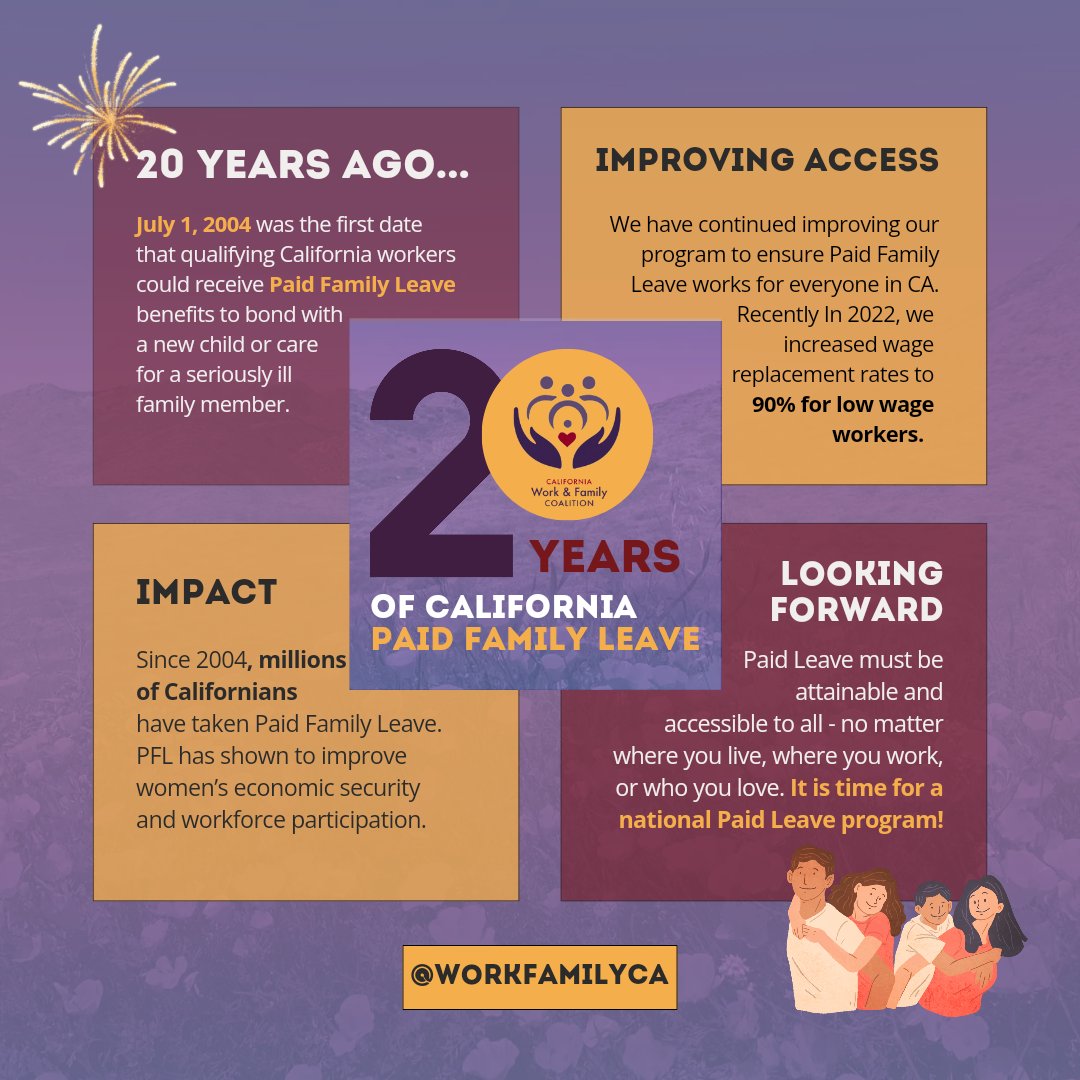
The Aetna Paid Family Leave (PFL) program is a specialized insurance and administrative service designed to provide wage replacement to employees who need time off for family-related reasons. Managed through Aetna’s Absence Management platform, the program typically covers leave for bonding with a new child, caring for a family member with a serious health condition, or addressing needs arising from a family member’s military deployment.
Understanding Aetna’s Role in Paid Family Leave
As we navigate 2026, the landscape of employee benefits has shifted toward a more integrated model of "Absence Management." Aetna, a CVS Health company, does not simply offer a one-size-fits-all insurance policy for individuals. Instead, it functions as a critical bridge between state-mandated requirements, employer-sponsored benefits, and federal protections like the Family and Medical Leave Act (FMLA).
The Aetna Paid Family Leave program is primarily an employer-focused solution. Companies partner with Aetna to either insure their family leave benefits or to have Aetna act as a Third-Party Administrator (TPA) for their self-funded programs. For the employee, this means Aetna is the entity that processes claims, verifies medical certifications, and facilitates the payment of benefits.
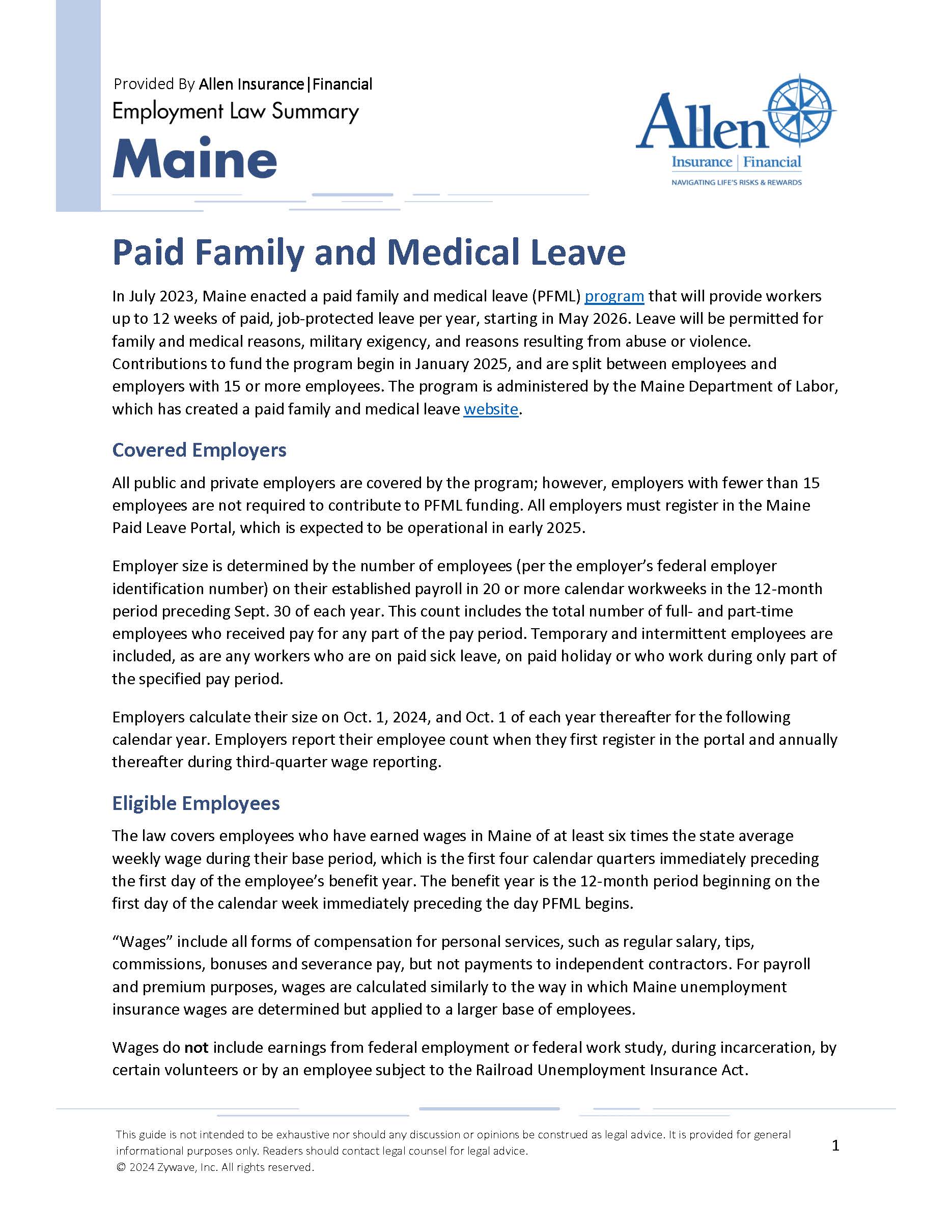
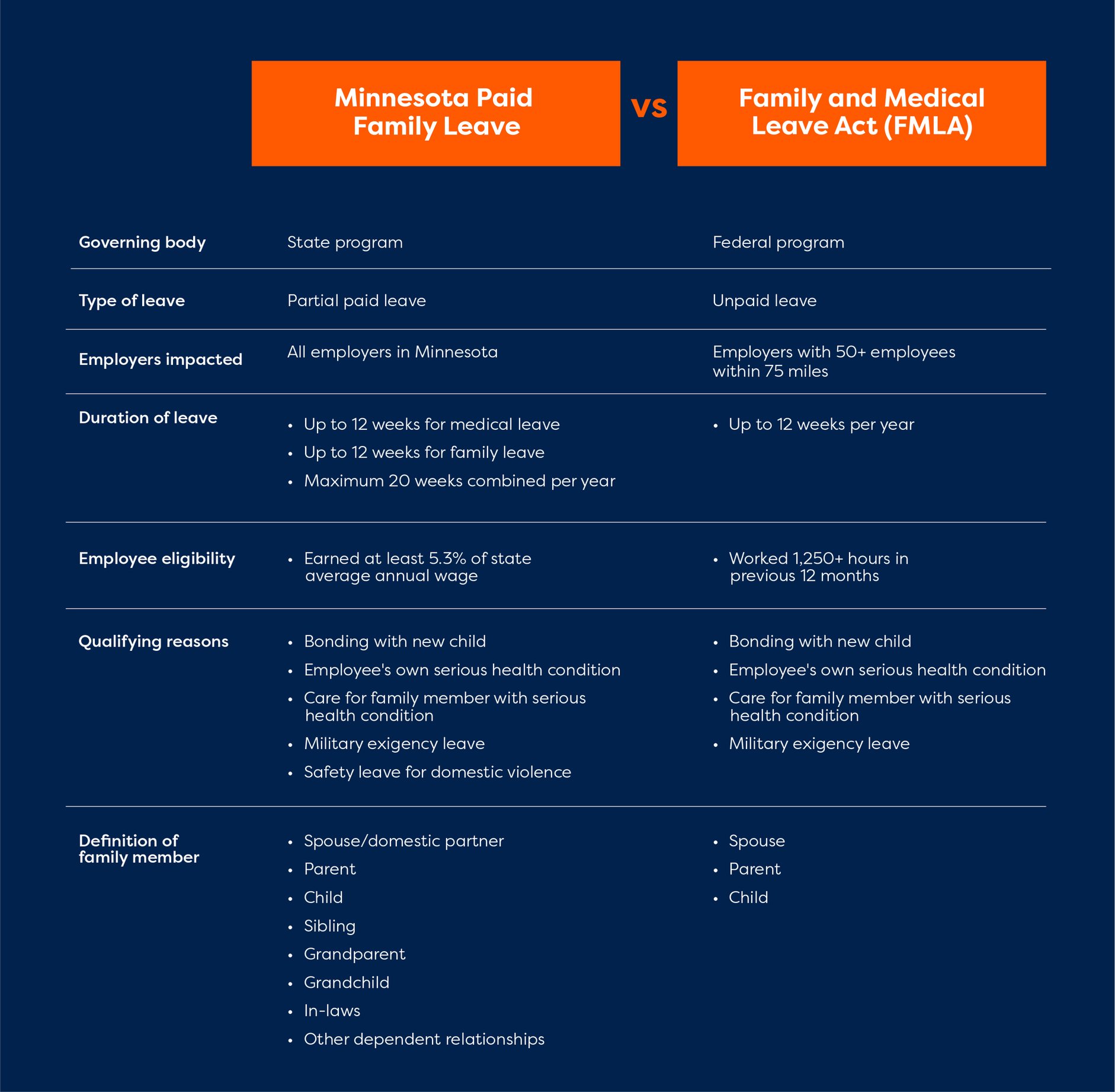
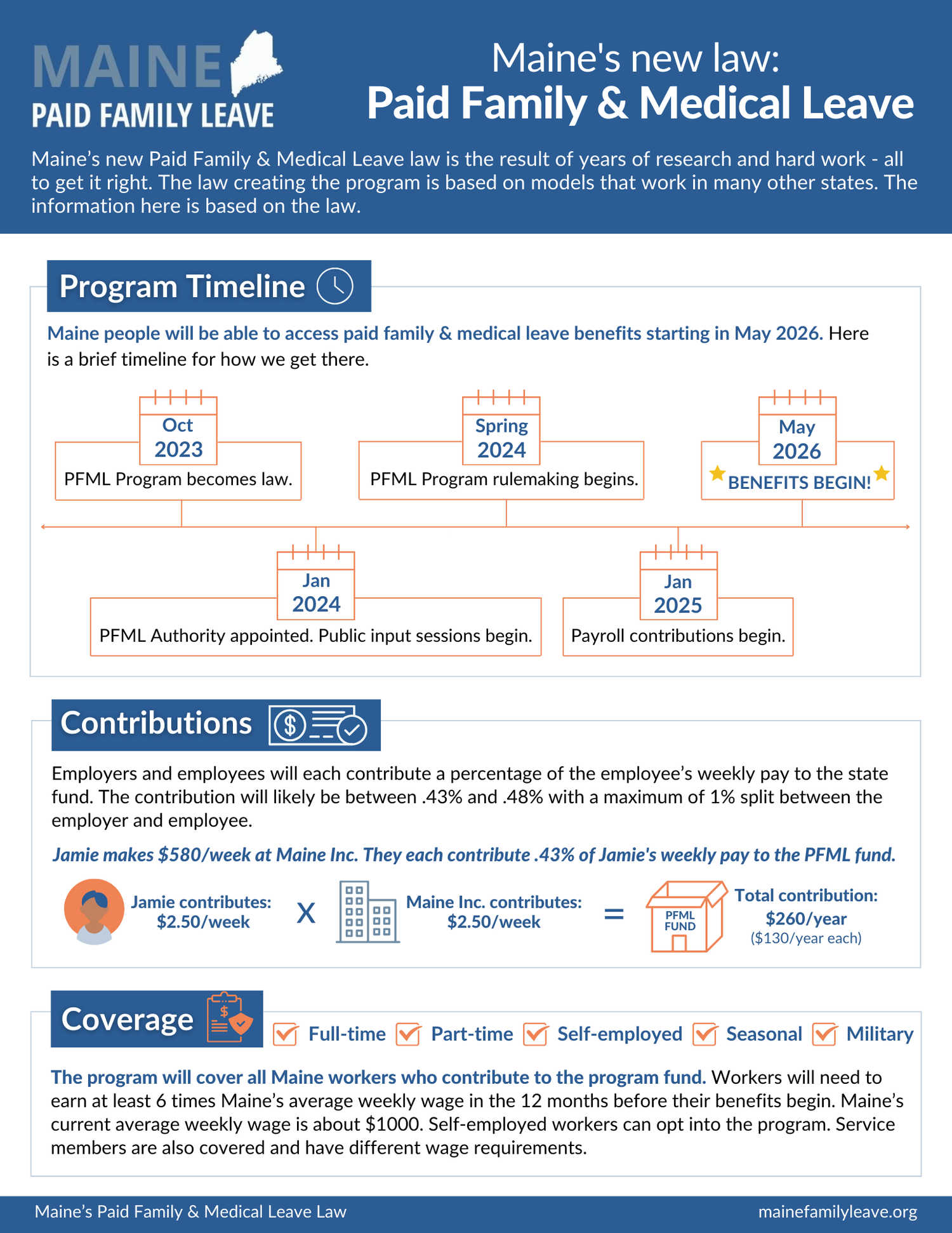
By 2026, the complexity of leave has increased as more states have introduced their own Paid Family and Medical Leave (PFML) laws. Aetna’s infrastructure is designed to harmonize these varying state requirements—such as those in California, New York, Washington, and more recently, states like Minnesota and Maine—ensuring that employers remain compliant while employees receive their entitled benefits without administrative gridlock.
Core Components of the Aetna PFL Program
The program is structured around three primary pillars: eligibility verification, benefit adjudication, and payment coordination. Understanding these components is essential for both HR professionals managing the plan and employees seeking to utilize it.
1. Covered Life Events
Aetna’s PFL administration typically covers several specific categories of leave:
- Bonding Leave: This is the most common use of the program. It applies to parents (including non-birthing parents, adoptive parents, and foster parents) who need time to bond with a new child within the first 12 months of the child’s arrival.
- Family Care Leave: This allows employees to take time off to care for a spouse, domestic partner, child, parent, or other designated family member with a "serious health condition." Aetna’s clinical teams often review the medical certifications provided by the family member’s physician to validate the need for care.
- Military Exigency Leave: This covers needs arising when a family member is called to active duty, such as arranging for childcare or attending military briefings.
2. Wage Replacement Rates
In 2026, the percentage of salary replaced during a PFL period varies significantly based on the employer’s specific contract and the state in which the employee works. Generally, Aetna-administered plans reflect state mandates, which often replace between 60% and 90% of an employee’s average weekly wage, usually capped at a state-defined maximum. For private plans, employers may choose to "top off" these benefits to provide 100% of the employee's regular pay.
3. Benefit Duration
Standard PFL durations managed by Aetna typically range from 6 to 12 weeks within a 12-month period. It is important to distinguish this from Short-Term Disability (STD). While STD covers the birthing parent’s own medical recovery (pregnancy and childbirth), PFL begins once the medical recovery period ends to cover the bonding phase.
Eligibility and Participation Requirements
Not every employee who has Aetna health insurance is automatically covered by an Aetna Paid Family Leave program. PFL is a distinct "Worklife Wellness" or "Absence Management" product.
Employer Enrollment
The program is available to employees only if their employer has specifically contracted with Aetna for disability or absence management services. In states with mandatory PFML laws, employers often have the choice to use the state’s public fund or opt for a "Private Plan" (Voluntary Plan) that meets or exceeds state requirements. Aetna is a leading provider of these private plans.
Employee Criteria
To qualify for benefits under an Aetna-managed PFL claim in 2026, employees generally must meet the following:
- Service Requirements: Many plans require a minimum period of employment (e.g., 6 months or 12 months) or a minimum number of hours worked in the previous year.
- Qualified Relationship: For caregiving leave, the employee must be caring for a person defined as a "family member" under the specific plan or state law.
- Documentation: Employees must provide proof of the life event, such as a birth certificate, adoption papers, or a completed Medical Certification form from a healthcare provider.
Comparing Leave Types: PFL vs. PFML vs. FMLA
The terminology surrounding leave can be confusing. The following table clarifies the distinctions between the different frameworks that Aetna often manages simultaneously.
| Feature | Family and Medical Leave Act (FMLA) | State Paid Family Leave (PFL/PFML) | Aetna Private PFL Plans |
|---|---|---|---|
| Primary Benefit | Job protection (Unpaid) | Wage replacement & Job protection | Wage replacement (often higher rates) |
| Duration | Up to 12 weeks | Varies (typically 6–12 weeks) | Varies by employer contract |
| Funding | N/A (Unpaid) | Employee/Employer payroll taxes | Employer premiums or self-funded |
| Eligibility | 1,250 hours worked; 50+ employees | Varies by state law | Defined by employer policy |
| Medical Coverage | Covers own illness & family | PFL (Family); PFML (Both) | Family bonding/care focus |
| Administration | Employer managed or TPA | State agency or TPA (like Aetna) | Aetna-managed adjudication |
The Aetna PFL Claim Journey: Step-by-Step
For an employee, navigating a claim requires precision and timely communication. Aetna utilizes the WorkLife Portal or the Aetna Health app to streamline this process in 2026.
Step 1: Pre-Notification
Employees should notify their supervisor or HR department at least 30 days in advance of a foreseeable leave (like a planned birth or adoption). While Aetna manages the claim, the employer still manages the internal staffing adjustments.
Step 2: Initiating the Claim
The claim can be started online through the Aetna member portal or via a dedicated toll-free absence reporting line. At this stage, the employee provides basic details: the reason for leave, the expected start date, and the anticipated duration.
Step 3: Submission of Evidence
Aetna will issue a "claim kit" containing the necessary forms. For bonding leave, this is straightforward (e.g., a hospital birth record). For family care leave, the medical provider of the sick family member must complete a detailed certification outlining the seriousness of the condition and the necessity of the employee’s presence for care.
Step 4: Adjudication
Aetna’s claim examiners review the submitted documents against the plan’s requirements and state laws. This process usually takes 5 to 10 business days once all documents are received. During this time, Aetna may contact the healthcare provider for clarification.
Step 5: Payment and Coordination
Once approved, Aetna coordinates the payment. In 2026, many payments are issued via direct deposit or an electronic payment card. If the leave is taken intermittently (e.g., two days a week), the employee must report their hours to Aetna periodically to ensure accurate payment.
Interaction with Short-Term Disability (STD)
One of the most complex areas of the Aetna Paid Family Leave program is its interaction with Short-Term Disability, particularly for birthing parents. In a typical scenario:
- The Disability Phase: The birthing parent first files an STD claim for the period they are medically unable to work (usually 6 to 8 weeks).
- The Transition: Once the doctor clears the parent to return to work, the STD claim closes.
- The PFL Phase: The Aetna system can often "bridge" the claim, automatically or semi-automatically opening a PFL bonding claim to cover the remainder of the parent’s time off.
This integration is a hallmark of Aetna’s 2026 absence management strategy, reducing the need for duplicate paperwork and ensuring a continuous stream of income for the new parent.
Common Challenges and Troubleshooting
Even with sophisticated systems, issues can arise during the PFL process. Awareness of these hurdles can prevent delays in benefit payments.
- Incomplete Medical Certifications: This is the leading cause of claim denial or delay. If a physician leaves a section blank or provides vague information (e.g., failing to specify the "frequency and duration" of care needed), Aetna will pend the claim.
- Intermittent Leave Reporting: When employees take PFL in small increments, they often forget to report those specific hours to Aetna within the required timeframe (usually 24–48 hours). This can lead to a suspension of benefits.
- Concurrent Benefit Limitations: Some employers do not allow employees to receive PFL benefits while simultaneously using Paid Time Off (PTO) or sick leave. Aetna coordinates with the employer’s payroll to ensure there is no "double-dipping," which can sometimes result in an overpayment that the employee is later required to pay back.
Strategic Value for Employers in 2026
For organizations, utilizing Aetna’s PFL program is more than just an insurance choice; it is a compliance and retention strategy. By 2026, the regulatory environment for leave is a patchwork of state laws that change frequently.
Aetna provides Compliance Updates to its clients, ensuring that if a state like New York or Oregon changes its maximum benefit amount or eligibility threshold, the employer’s plan is updated automatically. This mitigates the risk of legal penalties for non-compliance. Furthermore, Aetna's data analytics tools allow HR leaders to see trends in leave usage, helping them plan for seasonal absences and understand the health of their workforce.
Legal and Financial Disclaimers
While the Aetna Paid Family Leave program provides significant financial support, it is not a guarantee of job security unless the leave also qualifies under FMLA or specific state job-protection statutes. Benefit amounts are subject to federal and, in some cases, state income taxes. It is highly recommended that employees consult with a tax professional regarding the implications of PFL wage replacement. Furthermore, this guide is based on general program structures available in 2026; specific policy language in an employer’s Summary Plan Description (SPD) always takes precedence over general information.
Frequently Asked Questions
Does Aetna Paid Family Leave cover paternity leave?
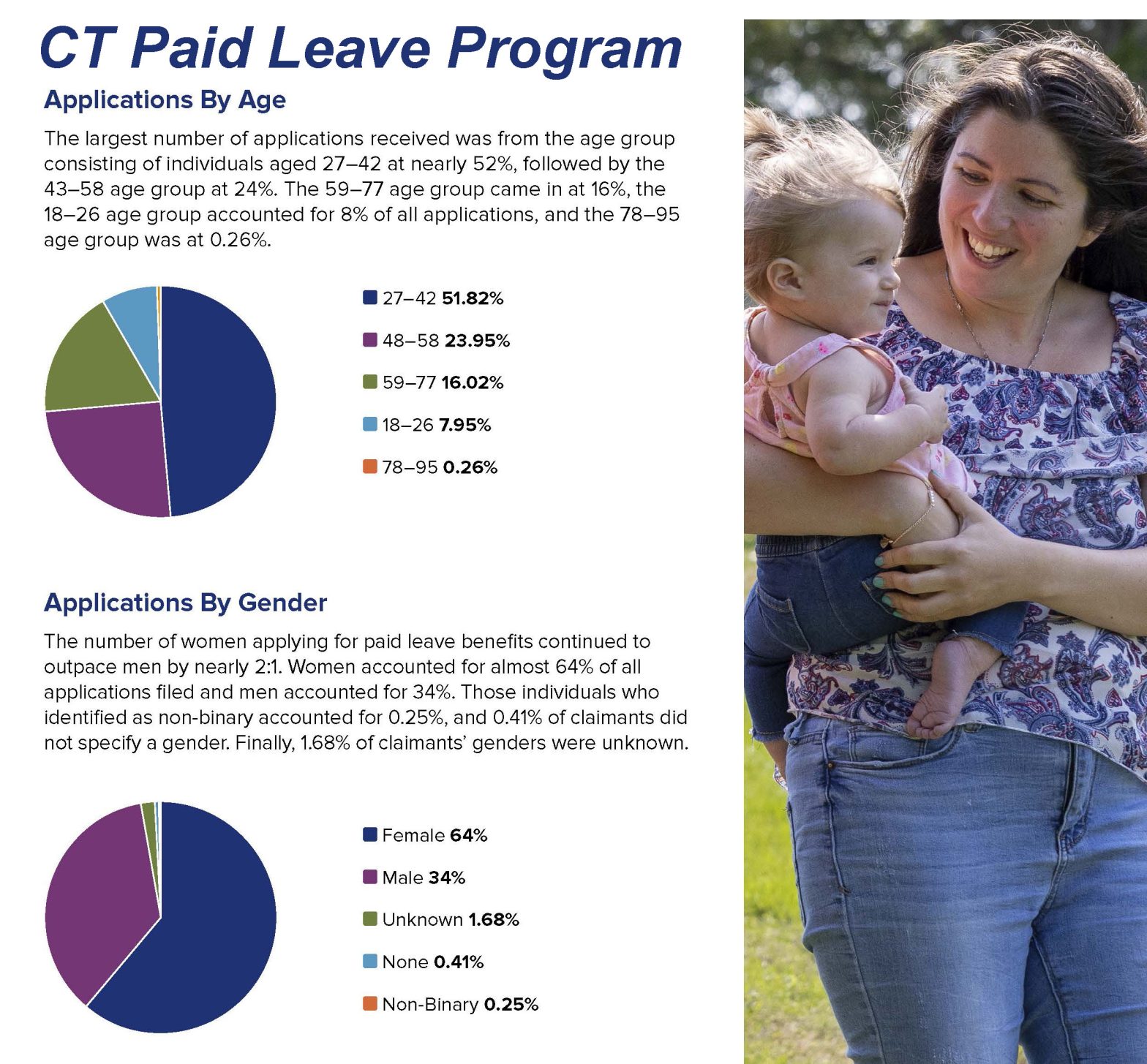
Yes. Aetna’s PFL programs are gender-neutral and provide the same bonding benefits to fathers and non-birthing parents as they do to birthing mothers. This includes biological, adoptive, and foster parents, provided they meet the plan’s eligibility requirements.
Can I take Aetna PFL if I am a part-time employee?
Eligibility for part-time employees depends on the specific employer’s plan design and state law. Many state-mandated programs include part-time workers once they have reached a specific earnings threshold or a certain number of hours worked (e.g., 20 hours per week for 26 weeks).
How long does it take for Aetna to pay a PFL claim?
Typically, once a claim is approved, the first payment is issued within two weeks. Payments are generally made on a weekly or bi-weekly schedule, aligning with the employee's regular pay cycle or the state’s mandated payment frequency.
What happens to my health insurance while on Aetna PFL?
In most cases, if your leave is protected by FMLA or state law, your employer is required to maintain your health insurance benefits. However, you are still responsible for your portion of the premiums, which may be deducted from your PFL benefit check or required to be paid directly to the employer.
Can I use Aetna PFL to care for a grandparent?
This depends on the definition of "family member" in your specific state or company policy. In 2026, many state laws (such as those in Washington and New Jersey) have expanded the definition to include grandparents, grandchildren, and even "chosen family," but you must verify this in your Aetna plan documents.
Practical Recommendation for Employees
If you are planning to utilize the Aetna Paid Family Leave program, your first action should be to download the Summary Plan Description (SPD) from your company’s internal HR portal. This document is the legal blueprint of your benefits. After reviewing the SPD, log in to the Aetna WorkLife portal to check for any "pre-claim" checklists. Preparing your documentation—specifically identifying the medical provider who will sign your forms—at least two months before your anticipated leave will ensure a much smoother transition and faster benefit delivery.