Tramadol is a centrally acting synthetic opioid analgesic prescribed primarily for the management of moderate to moderately severe pain in adults. Like all opioid medications, it carries a profile of both common and serious adverse effects that require careful medical oversight. While it provides effective pain relief through a dual mechanism—binding to mu-opioid receptors and inhibiting the reuptake of norepinephrine and serotonin—these same pharmacological actions can trigger a wide array of physical and neurological reactions. Patients and healthcare providers must weigh its therapeutic benefits against the potential risks, ranging from mild gastrointestinal upset to life-threatening conditions like serotonin syndrome, respiratory depression, and seizure activity.
The Pharmacological Profile of Tramadol
To understand why tramadol causes specific adverse effects, one must examine how it interacts with the human body. Tramadol is an atypical opioid because its action relies on two distinct mechanisms. First, the parent compound and its active metabolite (O-desmethyltramadol, or M1) bind weakly to the mu-opioid receptors in the central nervous system. Second, tramadol inhibits the neuronal reuptake of serotonin and norepinephrine.
This dual action distinguishes tramadol from traditional opioids like morphine or oxycodone, introducing a broader spectrum of side effects. Because it affects monoamine neurotransmitters, it shares pharmacological characteristics with certain antidepressants. Consequently, patients taking tramadol face not only the typical opioid-related risks—such as constipation, sedation, and respiratory depression—but also risks associated with altered neurotransmitter levels, including lowered seizure thresholds and serotonin toxicity when combined with other serotonergic medications.
Furthermore, tramadol is metabolized in the liver primarily by the cytochrome P450 enzyme system, specifically CYP2D6 and CYP3A4. Variations in these enzymes among individuals can significantly alter how the drug is processed. Poor metabolizers may experience inadequate pain relief, while ultra-rapid metabolizers convert the drug into its active metabolite much faster, leading to dangerously high blood concentrations and an increased risk of severe toxicity even at standard doses.
Common Adverse Effects of Tramadol
Most individuals prescribed tramadol will experience at least one mild to moderate side effect during the course of treatment. These symptoms typically manifest soon after initiating therapy or following a dosage increase. While many of these common adverse effects subside as the body adjusts to the medication, they can still cause significant discomfort and impact daily functioning.
Gastrointestinal Disturbances
Gastrointestinal symptoms are among the most frequently reported complaints associated with tramadol use.
- Nausea and Vomiting: Nausea occurs in a significant percentage of patients, particularly during the first few days of treatment. Vomiting often accompanies severe nausea.
- Constipation: Unlike other gastrointestinal side effects that may resolve over time, opioid-induced constipation tends to persist throughout the duration of treatment because opioids slow down intestinal motility.
- Dry Mouth and Dyspepsia: Decreased saliva production and general indigestion are also common, contributing to oral discomfort and altered taste perceptions.
Central Nervous System Reactions
The central nervous system is heavily impacted by tramadol's dual-action pharmacology, leading to various neurological symptoms.
- Dizziness and Vertigo: A feeling of lightheadedness or unsteadiness is common, particularly when standing up quickly (orthostatic hypotension).
- Somnolence and Fatigue: Drowsiness and a general lack of energy frequently occur, affecting a patient's ability to operate machinery or drive safely.
- Headache: Mild to moderate tension-like headaches can appear as the drug affects central pain pathways and vascular tone.
Psychological and Behavioral Changes
Patients may notice shifts in mood and cognitive processing while taking tramadol.
- Anxiety and Nervousness: Paradoxically, despite its calming properties, some individuals experience heightened anxiety or jitteriness.
- Confusion and Brain Fog: Mild cognitive impairment, difficulty concentrating, and a feeling of mental sluggishness are frequently observed, particularly in older adults.
Serious Adverse Effects and Medical Emergencies
While common side effects are often manageable, tramadol can cause severe, life-threatening adverse reactions. Recognizing these symptoms early and seeking immediate medical attention is critical for patient safety.
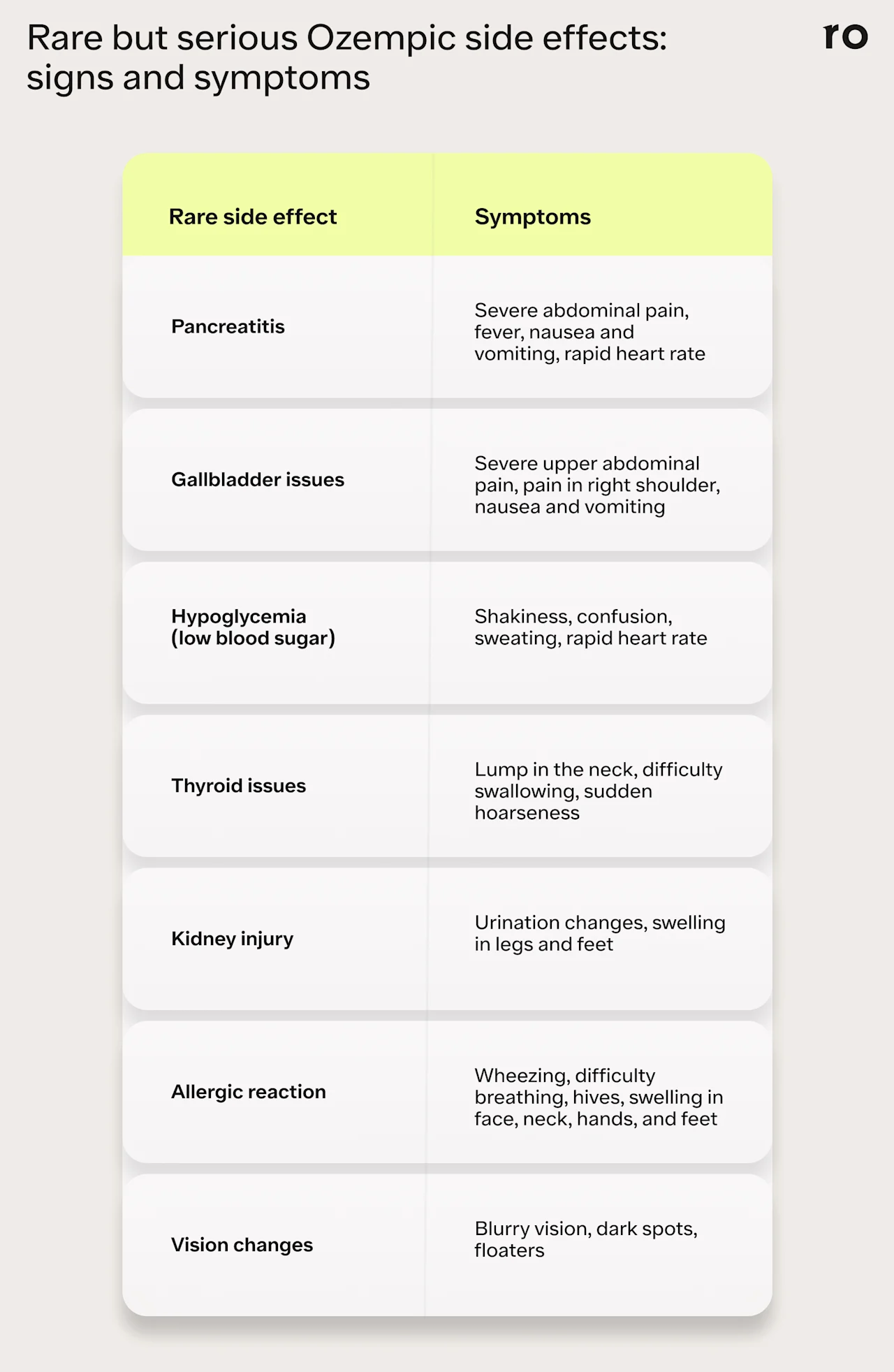
| Serious Adverse Effect | Primary Clinical Signs & Emergency Actions |
|---|---|
| Respiratory Depression | Slow, shallow breathing; extreme somnolence.Action: Seek emergency medical help immediately. |
| Serotonin Syndrome | Agitation, confusion, rapid heart rate, tremors.Action: Stop medication; go to emergency room. |
| Seizure Activity | Uncontrolled muscle jerking, loss of awareness.Action: Call emergency services; clear airway. |
| Severe Hypoglycemia | Sweating, shaking, confusion, dizziness.Action: Check blood glucose; consume fast sugar. |
Respiratory Depression
Though less potent in causing respiratory depression than traditional full mu-opioid agonists like fentanyl or heroin, tramadol can still suppress the respiratory center in the brainstem. This risk is profoundly elevated when tramadol is combined with central nervous system depressants, such as alcohol, benzodiazepines, or barbiturates. Symptoms include dangerously slow and shallow breathing, severe drowsiness, and bluish discoloration of the lips or nail beds (cyanosis).
Serotonin Syndrome
Because tramadol inhibits serotonin reuptake, combining it with other serotonergic agents—such as Selective Serotonin Reuptake Inhibitors (SSRIs), Serotonin-Norepinephrine Reuptake Inhibitors (SNRIs), tricyclic antidepressants, or monoamine oxidase inhibitors (MAOIs)—can trigger serotonin syndrome. This is a potentially fatal condition characterized by excessive central nervous system accumulation of serotonin. Clinical signs include:
- Neuromuscular hyperactivity (tremors, hyperreflexia, clonus, muscle rigidity)
- Autonomic instability (tachycardia, rapid fluctuations in blood pressure, diaphoresis, hyperthermia)
- Altered mental status (agitation, confusion, hallucinations, coma)
Seizure Risk
Tramadol lowers the seizure threshold even at recommended therapeutic doses. The risk of seizures increases substantially if the recommended daily dose is exceeded, if the drug is taken by patients with a history of seizure disorders, or if it is co-administered with other medications that lower the seizure threshold, such as antipsychotics, antidepressants, or bupropion. Seizures associated with tramadol are typically generalized tonic-clonic seizures and can occur without any prior history of epilepsy.
Hypoglycemia
Post-marketing surveillance and clinical studies have identified severe hypoglycemia (dangerously low blood sugar levels) associated with tramadol use. Patients—particularly those with pre-existing risk factors like diabetes or malnutrition—may experience sweating, shaking, tachycardia, confusion, and fatigue. In severe cases, this can lead to loss of consciousness and requires immediate administration of glucose or emergency medical intervention.
Risk Factors, Contraindications, and Drug Interactions
Certain populations and clinical situations significantly increase the likelihood of experiencing severe adverse effects from tramadol. Prescribers evaluate these risk factors carefully before initiating therapy.
Patient-Specific Risk Factors
- History of Substance Use Disorder: Like other opioids, tramadol carries a risk of dependence, tolerance, and addiction. Patients with a personal or family history of substance abuse are at heightened risk for misuse.
- Age: Older adults (aged 65 and older) are more sensitive to the central nervous system and respiratory depressant effects of tramadol. They are also at a higher risk of falls, confusion, and impaired renal clearance.
- Renal and Hepatic Impairment: Since tramadol is metabolized by the liver and excreted by the kidneys, patients with compromised liver or kidney function require dosage adjustments to prevent drug accumulation and toxicity.
Critical Drug Interactions
Tramadol's complex metabolism and pharmacodynamics create several dangerous drug interactions:
- CNS Depressants: Combining tramadol with alcohol, sedatives, hypnotics, or tranquilizers exponentially increases the risk of profound sedation, respiratory depression, coma, and fatal overdose.
- CYP2D6 and CYP3A4 Inhibitors/Inducers: Drugs that inhibit these liver enzymes (e.g., ketoconazole, erythromycin, fluoxetine) can increase tramadol concentrations in the blood, enhancing toxicity. Conversely, inducers (e.g., rifampin) can decrease efficacy.
- Anticoagulants: Rare reports indicate that tramadol may interact with warfarin, leading to an increased International Normalized Ratio (INR) and elevated bleeding risks, requiring careful monitoring of prothrombin times.
Managing and Mitigating Side Effects
Proactive management strategies can help patients minimize discomfort and reduce the incidence of severe complications during tramadol therapy.
Dosages and Administration Strategies
- Start Low and Go Slow: Clinicians typically initiate treatment with the lowest possible effective dose, titrating upward gradually to allow the body to adapt and minimize acute gastrointestinal and neurological side effects.
- With or Without Food: Taking tramadol with food can help alleviate nausea and upset stomach, though absorption rates may vary slightly depending on the specific formulation (immediate-release versus extended-release).
- Avoiding Abrupt Cessation: Stopping tramadol suddenly after prolonged use can trigger a severe opioid withdrawal syndrome characterized by anxiety, sweating, insomnia, rigors, nausea, and tremors, as well as atypical withdrawal symptoms such as panic attacks, severe anxiety, hallucinations, and paresthesia. Tapering schedules managed by a healthcare provider are essential.
Monitoring and Safety Protocols
Patients and caregivers must remain vigilant for signs of adverse drug reactions. Regular follow-up appointments with a physician ensure that the medication remains necessary, effective, and safe. Utilization of naloxone—an opioid antagonist—should be considered for patients at high risk of accidental overdose, providing an emergency reversal agent for respiratory depression.
Frequently Asked Questions
Can tramadol cause long-term health complications?
Long-term tramadol use can lead to physical dependence, tolerance, and opioid use disorder. Chronic use may also result in persistent constipation, hormonal imbalances (such as opioid-induced androgen deficiency), and increased sensitivity to pain (hyperalgesia). Regular medical evaluation helps mitigate these long-term risks.
Why does tramadol lower the seizure threshold?
The exact mechanism by which tramadol induces seizures is multifactorial, involving its inhibitory effects on GABAergic pathways and its modulation of monoamine neurotransmitters (serotonin and norepinephrine) in the brain. This neurochemical disruption can trigger abnormal electrical activity, resulting in seizure events even in individuals without epilepsy.
What should I do if I miss a dose of tramadol?
If you miss a dose of tramadol, take it as soon as you remember. However, if it is almost time for your next scheduled dose, skip the missed dose and resume your regular dosing schedule. Never double up on doses to make up for a missed one, as this significantly increases the risk of toxicity and overdose.
Is tramadol safe to take during pregnancy?
Regular use of tramadol during pregnancy can cause neonatal opioid withdrawal syndrome, which can be life-threatening to the newborn if not recognized and treated. It is generally avoided during pregnancy unless the potential benefits clearly outweigh the known risks, and any use should be strictly supervised by an obstetrical specialist.
How can I distinguish between normal side effects and an overdose?
Common side effects include mild nausea, dizziness, or drowsiness that remains stable. An overdose represents a medical emergency and is characterized by unresponsiveness, severely slowed or stopped breathing, pinpoint pupils, extreme limpness, and cold, clammy skin. Immediate emergency services must be contacted if an overdose is suspected.
Conclusion and Next Actions
Tramadol is a valuable analgesic when used appropriately, but its dual-action pharmacology demands a high level of caution. Patients experiencing persistent or severe adverse effects should consult their prescribing physician immediately to evaluate dosage adjustments, explore alternative pain management strategies, or initiate a safe tapering schedule. Never alter your dosage or discontinue tramadol abruptly without professional medical guidance.