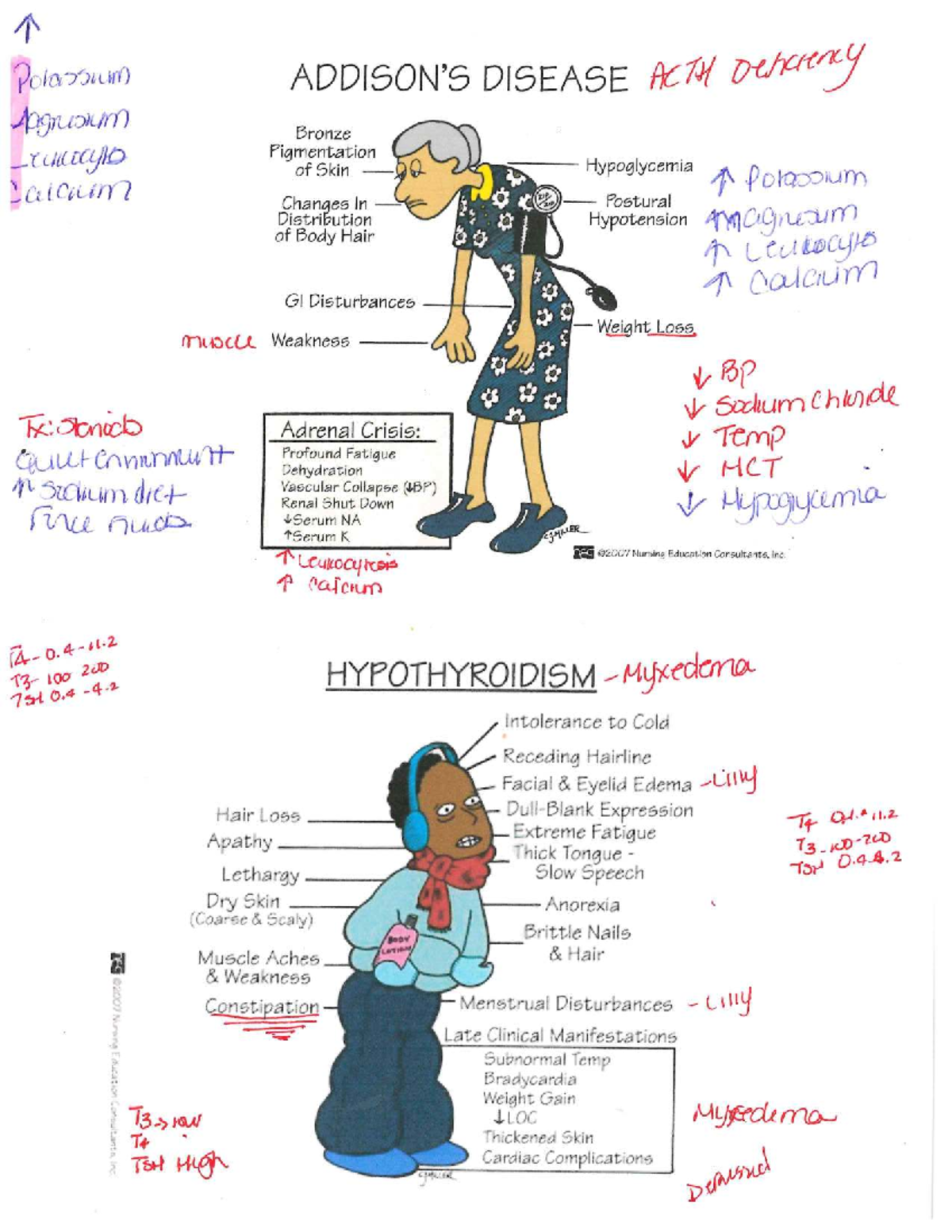
Addison’s disease, or primary adrenal insufficiency, is a rare endocrine disorder occurring when the adrenal glands fail to produce sufficient amounts of cortisol and, often, aldosterone. This hormonal deficiency impacts metabolism, blood pressure regulation, and immune response. Without lifelong hormone replacement therapy, the condition can lead to life-threatening adrenal crises, necessitating prompt diagnosis and disciplined long-term management.
The Physiology of Adrenal Insufficiency
To understand Addison’s disease, one must first recognize the role of the adrenal glands. These two small organs, located atop the kidneys, serve as the body’s command center for stress response and fluid balance. They produce essential corticosteroids: glucocorticoids (primarily cortisol) and mineralocorticoids (primarily aldosterone).
Cortisol is vital for regulating glucose metabolism, maintaining blood pressure, and managing the body’s response to physical and psychological stress. Aldosterone acts on the kidneys to balance sodium and potassium levels, which in turn dictates blood volume and blood pressure. In Addison’s disease, the outer layer of the adrenal gland, known as the adrenal cortex, is damaged, leading to a profound deficiency of these critical hormones.
Primary Versus Secondary Adrenal Insufficiency
Distinguishing between primary and secondary adrenal insufficiency is vital for clinical management. Primary adrenal insufficiency (Addison’s disease) implies the problem originates within the adrenal glands themselves. Secondary adrenal insufficiency, by contrast, occurs when the pituitary gland fails to produce adrenocorticotropic hormone (ACTH), the signal that tells the adrenal glands to secrete cortisol. Unlike Addison’s disease, secondary insufficiency usually leaves aldosterone production intact because it is regulated by a different system, the renin-angiotensin-aldosterone system.
Causes and Pathophysiology
The development of Addison’s disease is most commonly attributed to autoimmune destruction. In these cases, the immune system mistakenly attacks the adrenal cortex, treating its cells as foreign invaders. Over time, the adrenal tissue is replaced by fibrous scar tissue, rendering it unable to function.
Other, non-autoimmune causes include:
- Infections: Historically, tuberculosis was a leading cause and remains prevalent in certain global regions. Chronic fungal infections or HIV-related complications can also cause adrenal destruction.
- Hemorrhage: Bilateral adrenal hemorrhage—often associated with severe sepsis or anticoagulant use—can destroy the glands rapidly.
- Genetic Disorders: Conditions such as congenital adrenal hyperplasia or adrenoleukodystrophy involve inherited metabolic or structural defects that prevent hormone production.
- Metastatic Cancer: In some cases, cancers from other organs spread to the adrenal glands, effectively replacing the functional tissue.
Clinical Presentation and Diagnostic Markers
The onset of Addison’s disease is typically insidious. Symptoms often emerge slowly over several months, which can lead to delayed diagnosis. The clinical picture is defined by the absence of the hormones the body relies upon for homeostasis.
Common Signs and Symptoms
- Chronic Fatigue and Muscle Weakness: Patients often report feeling constantly drained despite adequate rest.
- Hyperpigmentation: A hallmark of primary adrenal insufficiency is the darkening of the skin, particularly in areas exposed to the sun, skin folds, and pressure points. This occurs because the pituitary gland, sensing low cortisol, overproduces ACTH, which shares a precursor with melanocyte-stimulating hormone.
- Gastrointestinal Distress: Nausea, vomiting, abdominal pain, and unexplained weight loss are common.
- Salt Craving: Due to the loss of aldosterone, the body loses sodium through urine, leading to intense cravings for salty foods.
- Hypoglycemia: Low cortisol levels result in poor blood sugar control, which may cause dizziness or lightheadedness, especially after long periods without food.
Diagnostic Verification
If a healthcare provider suspects Addison’s disease, they typically order an ACTH stimulation test. This is the gold standard for confirmation. A patient is given an injection of synthetic ACTH, and blood is drawn at specific intervals to measure the response of the adrenal glands. A healthy adrenal gland will respond by producing a surge in cortisol. In a person with Addison’s disease, the cortisol levels remain stagnant regardless of the stimulation.
Treatment Protocols: Hormone Replacement Therapy
Addison’s disease is a chronic condition that requires lifelong medical monitoring. The therapeutic goal is to mimic the body’s natural hormonal rhythm as closely as possible.
Standard Medication Regimen
- Glucocorticoid Replacement: Most patients take oral hydrocortisone, prednisone, or prednisolone. Hydrocortisone is often preferred because it closely mirrors the cortisol produced by the human body. It is typically dosed in divided portions throughout the day to match the natural circadian rhythm—higher in the morning and lower in the evening.
- Mineralocorticoid Replacement: To manage sodium and potassium levels, patients are prescribed fludrocortisone. This medication is essential for maintaining blood pressure and preventing the fluid imbalances that lead to orthostatic hypotension.
Adrenal Crisis Prevention
The most severe risk for patients is an "adrenal crisis." This occurs during periods of extreme physiological stress, such as severe infection, surgery, or significant trauma, when the body’s baseline dose of steroids becomes insufficient. Patients are instructed to carry an emergency kit containing injectable hydrocortisone and are trained on how to administer it during a crisis.
| Feature | Glucocorticoid (e.g., Hydrocortisone) | Mineralocorticoid (Fludrocortisone) |
|---|---|---|
| Primary Goal | Energy metabolism and stress response | Salt/water balance and blood pressure |
| Dosing Frequency | 2–3 times daily | Usually once daily |
| Critical Factor | Must increase during illness/surgery | Remains stable regardless of stress |
| Monitoring | Adjusted based on clinical symptoms | Adjusted based on blood pressure/electrolytes |
Living with Addison’s Disease
Beyond medication, living with the condition requires significant behavioral adjustments. Patients must be vigilant about stress management, as physical and emotional stressors can trigger a need for "stress-dosing"—temporarily increasing medication under the guidance of a physician.
Practical Management Strategies
- Medical Identification: Wearing a medical alert bracelet or necklace is non-negotiable. In the event of an accident or medical emergency where the patient is unconscious, responders must know to administer supplemental steroids.
- Emergency Planning: Patients should always maintain a supply of their medications, including injectable forms, especially when traveling.
- Nutritional Balance: Because mineralocorticoid levels are managed pharmacologically, patients usually do not need to strictly limit or increase salt intake beyond normal requirements, but they must be consistent to avoid fluctuating blood pressure levels.
- Regular Monitoring: Annual or semi-annual check-ups with an endocrinologist are necessary to evaluate electrolyte panels, blood pressure, and medication efficacy.
Frequently Asked Questions
Is Addison’s disease hereditary?
While most cases of autoimmune Addison’s disease are sporadic, there is a genetic predisposition. Individuals with a family history of other autoimmune conditions, such as type 1 diabetes or Hashimoto’s thyroiditis, may be at a slightly higher risk, but it is not inherited in a simple, direct pattern.
Can I live a normal life with Addison’s disease?
Yes, most individuals with Addison’s disease lead full, active lives. The key is strict adherence to the prescribed medication schedule and maintaining clear communication with a specialized endocrinologist. With proper management, life expectancy is generally comparable to that of the general population.
What causes an adrenal crisis?
An adrenal crisis is caused by an acute deficiency of cortisol. This often happens if a patient forgets to take their medication, experiences severe vomiting that prevents oral medication absorption, or undergoes significant physical stress (like surgery) without increasing their steroid dosage to match the body’s increased demand.
Is weight gain a side effect of treatment?
Weight gain can occur if the dosage of glucocorticoids is higher than what the body needs for physiological replacement. Long-term use of steroids at higher-than-physiologic levels can lead to side effects similar to Cushing’s syndrome, including weight gain and bone density loss. This is why endocrinologists work to find the lowest effective dose for each patient.
Do I need to avoid exercise?
No, exercise is encouraged, but it requires careful planning. Patients with Addison’s disease should ensure they stay well-hydrated and maintain electrolyte balance. For high-intensity, long-duration exercise, some patients may consult their doctor about a slight increase in medication or sodium intake.
Next Actions and Expert Guidance
If you suspect you may have symptoms related to adrenal insufficiency, the most critical step is to schedule an appointment with a primary care physician to discuss your concerns. Be prepared to provide a detailed history of your fatigue, salt cravings, or skin changes. If your primary provider determines there is a risk, they will likely refer you to an endocrinologist—a specialist in hormone-related conditions—who is best equipped to conduct the ACTH stimulation testing and design a personalized replacement protocol.
Managing this condition is a collaborative effort. Ensure your medical records are updated, keep your endocrinologist informed of any changes in your lifestyle or stress levels, and always wear your medical identification to ensure that if an emergency arises, your healthcare providers understand your specific requirements for corticosteroid replacement.