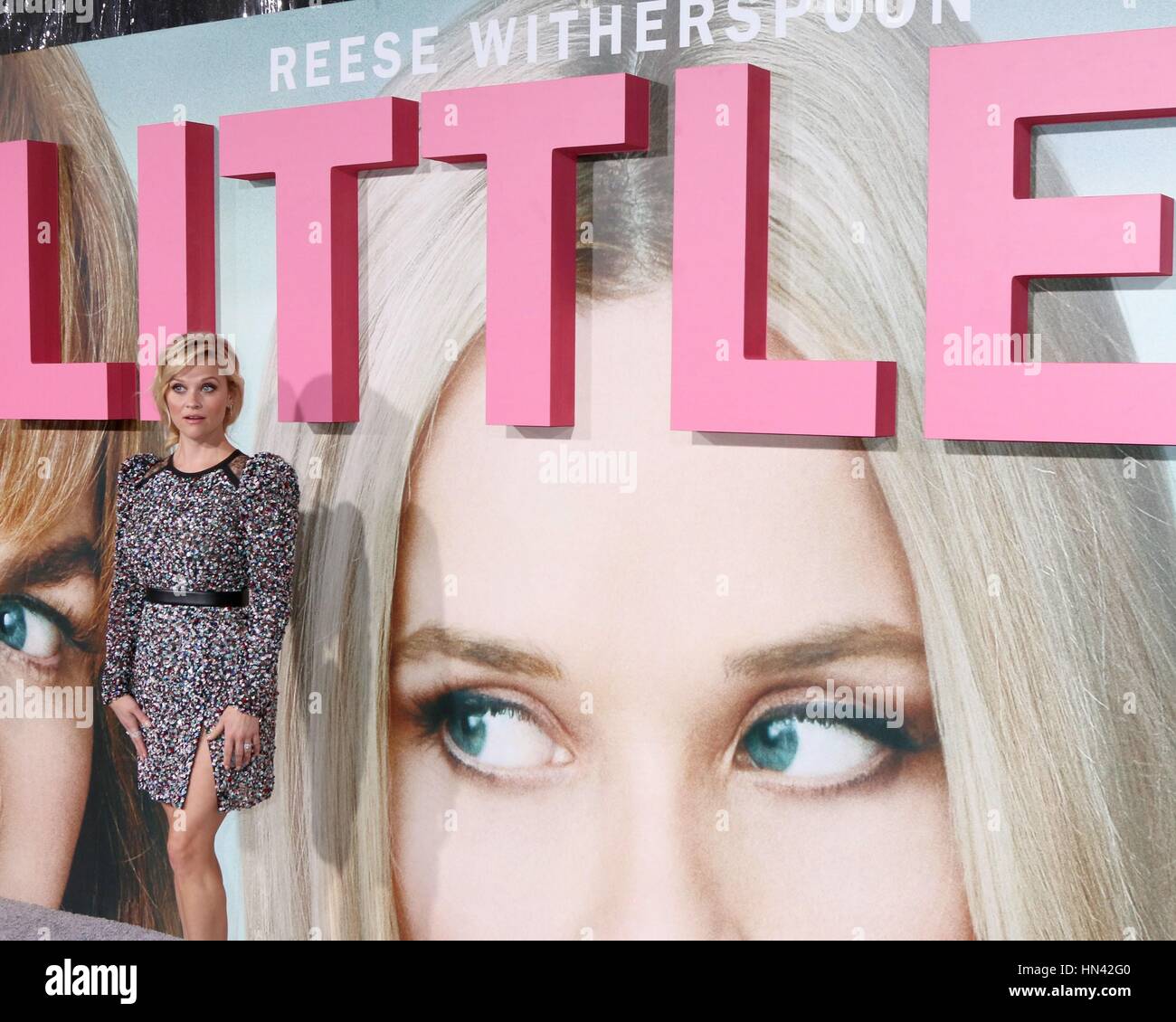
In the acclaimed HBO series Big Little Lies, Adam Scott and Reese Witherspoon portray Ed and Madeline Mackenzie, a couple navigating the complexities of modern marriage, social pressures, and buried secrets. Their collaboration serves as a fundamental anchor for the show’s emotional narrative, providing a grounding perspective amidst the series' darker, more chaotic ensemble dynamics.
The Foundation of the Mackenzie Marriage
At the core of the Monterey drama, the relationship between Madeline Martha Mackenzie (Reese Witherspoon) and Ed Mackenzie (Adam Scott) represents the struggle to maintain a functional, suburban "ideal" while personal and external pressures mount. Madeline is characterized by her high-strung, perfectionist energy and her fierce, sometimes invasive, commitment to her family. Ed, conversely, is presented as the calm, steady partner, often relegated to the role of the supportive spouse.
Their dynamic is not merely background flavor; it is a critical plot device. Throughout the series, the cracks in their marriage become more pronounced. As Madeline grapples with her past—specifically her history with her ex-husband, Nathan—and her own insecurities, Ed’s patience is systematically tested. The brilliance of this casting lies in the juxtaposition of Witherspoon’s kinetic, often manic performance against Scott’s understated, dry, and often stoic delivery.
Character Archetypes and Performance Styles
Reese Witherspoon’s portrayal of Madeline is one of the show’s most defining performances. She embodies the "Type-A" mother archetype—a woman who believes she can orchestrate every aspect of her children’s lives and social circle. Her performance is physical, using sharp movements and expressive facial reactions to communicate frustration with the town’s social hierarchy.
Adam Scott, known for his ability to inject dry humor and subtle pathos into his characters, brings a necessary human quality to Ed. While many characters in Big Little Lies are defined by their secrets and public facades, Ed acts as the audience’s surrogate—the person who genuinely wants the family unit to work but finds himself increasingly sidelined by the secrets kept from him. Scott’s performance is defined by restraint; he uses silence and slight shifts in body language to convey hurt, disappointment, and eventual disillusionment.
The Narrative Arc: From Stability to Turmoil
The progression of Ed and Madeline’s relationship mirrors the slow-burn tension of the entire series. In the first season, they appear to have a stable, if slightly mundane, life. However, as the plot unfolds, the audience learns that Madeline’s lingering emotional attachment to her former life causes a rift that Ed can no longer ignore.
The series handles their conflict with a sense of realism that is often absent in television portrayals of suburban discord. Instead of explosive, dramatic shouting matches, the conflict is built through passive-aggressive remarks, the withholding of affection, and the gradual erosion of trust. Adam Scott and Reese Witherspoon masterfully navigate these scenes, capturing the quiet devastation of a marriage failing from the inside out. By the time the central mystery reaches its climax, the audience is deeply invested in whether the Mackenzie marriage can actually survive the fallout of their shared secrets.
Comparative Dynamics in the Monterey Circle
To understand the significance of Ed and Madeline's relationship, it is helpful to compare them to other primary couples in the series. While Celeste and Perry Wright (Nicole Kidman and Alexander Skarsgård) represent a dark, abusive pathology, and Jane Chapman (Shailene Woodley) represents the vulnerability of the outsider, Ed and Madeline represent the "middle class" of the emotional spectrum. They are dealing with common, relatable marital issues—lack of communication, infidelity, and the challenge of blending a family.
| Character | Role in Social Circle | Primary Dynamic/Conflict |
|---|---|---|
| Madeline Mackenzie | Alpha/Organizer | Struggles with control and past trauma |
| Ed Mackenzie | Supportive/Stable | Struggles with feeling invisible and betrayed |
| Celeste Wright | High-Status/Hidden | Victims of domestic abuse |
| Nathan Carlson | Secondary/Catalyst | Strained history with Madeline |
This table illustrates that Ed and Madeline are the fulcrum upon which the show’s secondary conflicts balance. Without the stability—and the subsequent crumbling—of their relationship, the other character arcs would lack the necessary contrast that makes the show's critique of the affluent, idyllic life so biting.
The Role of Humor as a Coping Mechanism
One of the most under-discussed aspects of the partnership between Adam Scott and Reese Witherspoon is their use of wit. Both actors have significant backgrounds in comedy, and this translates into their scenes together. Even during their most intense arguments, there is a sharp, biting humor in their dialogue.
This humor serves a specific narrative purpose: it reveals that they are a couple who once genuinely liked each other. It shows that their marriage wasn't always a source of conflict. When Ed delivers a dry, witty retort to one of Madeline’s elaborate schemes, it serves as a reminder that they share a history. This makes their eventual fracturing more poignant for the viewer. It is not just the loss of a marriage, but the loss of a collaborative, humorous connection that has been worn down by years of compromise.
Themes of Masculinity and Feminine Power
The show frequently explores the power dynamics between men and women in the suburban environment. Madeline is the "power player" in their home, often making decisions without consulting Ed. This dynamic eventually causes Ed to experience a crisis of identity, questioning his own value within the household. Adam Scott portrays this vulnerability with precision; he does not play Ed as a victim, but rather as a man who has reached his limit with a dynamic that no longer serves him.
Conversely, Madeline’s power is also her greatest limitation. Her need for control over her household, her children’s schools, and the people around her is what ultimately drives a wedge between her and her husband. The interaction between these two characters serves as a critique of how social status and public perception can distort private relationships.
Technical Craft: Direction and Camera Work
The way the camera captures the scenes between Scott and Witherspoon is vital to the audience's perception of their relationship. Often, the camera frames them in tight, claustrophobic spaces—their bedroom, their kitchen, or the confines of a car. These shots emphasize the pressure they are under. The direction, handled with a focus on intimacy and realism, forces the viewer into the position of an uninvited witness to their private failings.
The lighting often shifts to match the mood of the couple; scenes of their earlier, happier moments are often brighter, while the later, more contentious scenes are bathed in cooler, more detached tones. This visual language supports the performances, allowing the actors to rely on subtlety rather than overt histrionics to tell their story.
FAQ: Understanding the Mackenzie Partnership
Why is the relationship between Ed and Madeline considered a central pillar of Big Little Lies? Their relationship provides a realistic, grounded look at the strain of suburban life, contrasting with the more extreme, high-stakes narratives of the other characters. It anchors the show’s themes of hidden resentment and the difficulty of maintaining a perfect exterior.
How does Adam Scott’s background in comedy enhance his performance as Ed? Scott’s ability to deliver deadpan, dry dialogue provides a necessary counterpoint to the more dramatic, frantic nature of the other characters. His timing allows the show to balance its heavy, suspenseful tone with moments of dry, character-driven humor.
Do the characters of Ed and Madeline evolve over the course of the series? Yes. Both characters undergo significant arcs. Madeline moves from a state of denial regarding her own flaws to a position of forced introspection, while Ed evolves from a patient, passive partner to someone who demands respect and honesty, forcing a total reset of their marriage.
How does the casting of these two specific actors impact the show’s reception? The choice to pair a veteran of high-energy, comedic roles (Witherspoon) with a master of subtle, dry performance (Scott) creates a chemistry that feels authentic to a long-term marriage. Their ability to work as a professional team allows the audience to believe in their history, even as their future becomes uncertain.
Is their relationship the main plot of the show? No, their relationship is a primary subplot. The show’s main narrative arc revolves around a murder mystery and the interconnected lives of the school mothers, but the Mackenzies' struggles are vital to the emotional resolution of that broader mystery.
Practical Advice for Fans of the Series
If you are re-watching Big Little Lies to better understand the character dynamics, pay close attention to the scenes where Ed and Madeline are not the focus of the main action. Often, their reactions in the background—a look, a sigh, or a subtle change in posture—reveal more about their inner state than the scripted dialogue. Analyzing these performances provides a masterclass in how ensemble acting can contribute to the overarching themes of a series.
As the series continues to influence contemporary drama, the partnership between Scott and Witherspoon remains a prime example of effective character work. It serves as a reminder that the strongest conflicts in television are often found in the quiet, domestic spaces of a broken home.