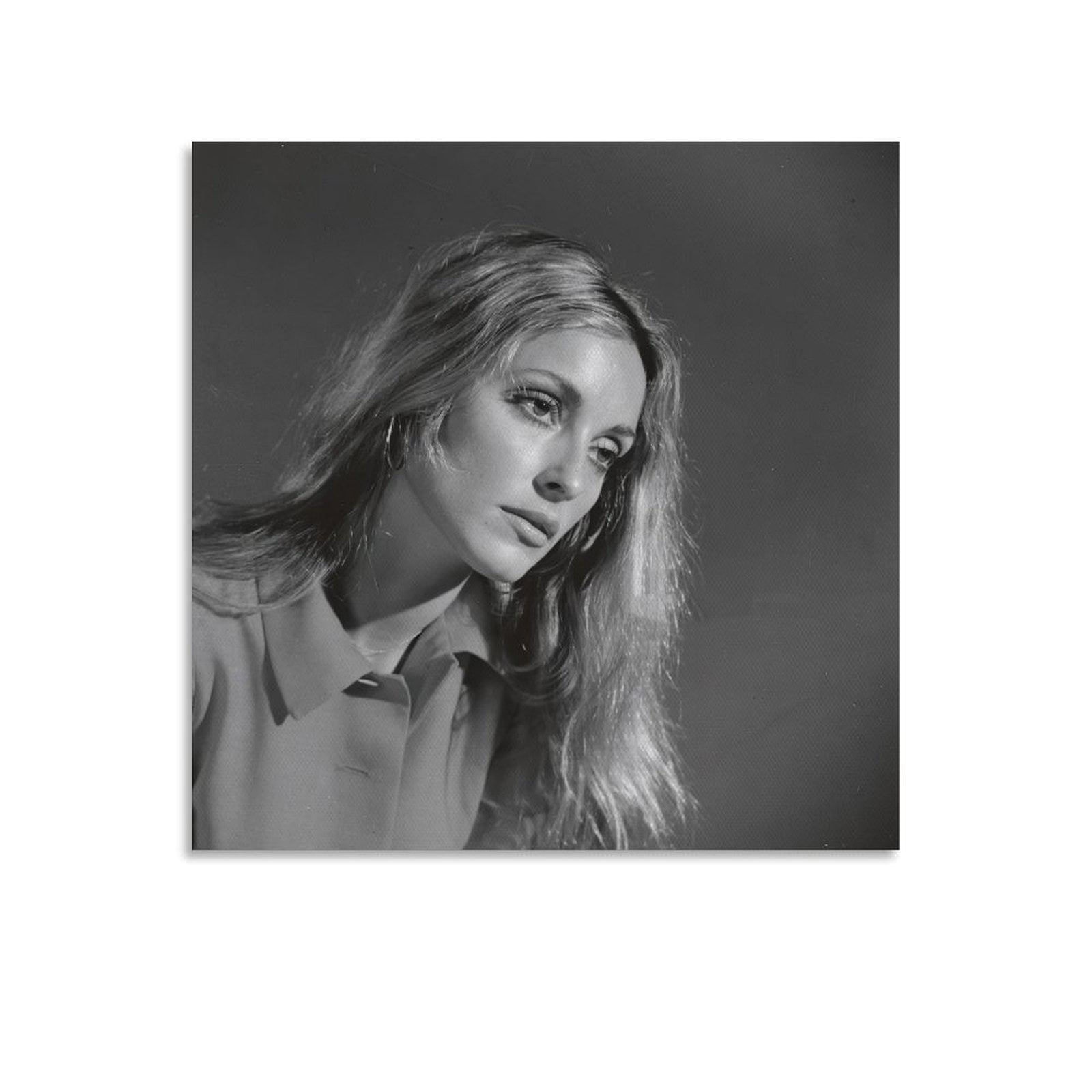
The history of cinema is marked by several talented actresses whose lives ended prematurely, often at the height of their fame. From the Golden Age of Hollywood to the modern era of 2026, figures like Marilyn Monroe, Sharon Tate, Brittany Murphy, and Aaliyah remain cultural icons whose legacies are defined by both their professional brilliance and the tragic circumstances surrounding their early passing.
The phenomenon of the "actress that died young" is more than a footnote in entertainment history; it is a recurring narrative that often highlights the intersection of intense public scrutiny, systemic industry failures, and personal struggles. When a performer passes away in her twenties or thirties, the transition from living artist to eternal icon happens almost instantly. As of 2026, we continue to look back at these women not just for the films they left behind, but for the shifts in law, safety, and mental health awareness their deaths often prompted.
The Golden Age and the Price of Early Stardom
During the first few decades of the talking motion picture, the studio system exercised immense control over its stars. This era produced some of the most enduring "blonde bombshells," but it also saw the first major instances of young talent succumbing to health issues or accidents that might have been manageable with modern medicine.
Jean Harlow: The Original Bombshell (1911–1937)
Jean Harlow was the definitive screen siren of the 1930s. Known for her platinum blonde hair and comedic timing, she died at the age of 26. While filming Saratoga with Clark Gable, Harlow began complaining of fatigue and abdominal pain. At the time, rumors swirled regarding everything from botched medical procedures to the toxic nature of her hair bleach. However, medical records eventually confirmed she died of uremic poisoning resulting from acute kidney failure.
Harlow’s death was a massive shock to the industry. It proved that even the most vibrant and seemingly healthy stars were fragile. Her death forced MGM to finish Saratoga using a body double, a technique that would become a standard (though controversial) practice in the decades to follow when leading actors died mid-production.
Carole Lombard: A Patriot’s End (1908–1942)
Carole Lombard was the highest-paid actress in Hollywood in the late 1930s and the wife of Clark Gable. At 33, she died in a plane crash while returning from a war bond tour during World War II. Lombard’s death was a moment of national mourning, and it underscored the risks performers took when engaging in the war effort. Her passing left a void in the "screwball comedy" genre that many critics argue was never truly filled.
The 1960s: Cultural Shifts and Tabloid Tragedies
The 1960s represented a period of radical change in Hollywood, but it was also the decade that saw the deaths of two women who would define the "tragic star" archetype for the next century.
Marilyn Monroe: The Eternal Icon (1926–1962)
Marilyn Monroe remains perhaps the most famous actress to die young. Passing away at age 36, her death was ruled a "probable suicide" due to a barbiturate overdose. Even in 2026, the fascination with her final days has not waned. Monroe’s death brought the conversation of mental health and the pressures of the "sex symbol" label to the forefront of the American consciousness.
The aftermath of her death saw the rise of conspiracy theories that have persisted for over 60 years. Beyond the gossip, her passing highlighted the lack of support systems for stars dealing with depression and substance abuse—a problem the industry struggled to rectify for many years.
Sharon Tate: A Promising Career Interrupted (1943–1969)
Sharon Tate’s death at age 26 remains one of the most horrific events in Hollywood history. A rising star and the wife of director Roman Polanski, Tate was eight and a half months pregnant when she was murdered by members of the Manson Family. Unlike others on this list who died of health issues or accidents, Tate was a victim of senseless violence.
Her death effectively ended the "peace and love" era of the 1960s. For the film industry, it resulted in a massive increase in private security for celebrities. Tate’s legacy has been reclaimed in recent years, with her family and fans focusing on her talent in films like Valley of the Dolls rather than just the manner of her death.
Child Stars and the Vulnerability of Youth
Some of the most heartbreaking stories involve actresses who had barely reached adolescence. These cases often led to significant changes in how child actors are protected on and off set.
Heather O’Rourke (1975–1988)
Heather O’Rourke, the star of the Poltergeist franchise, died at the age of 12. Her death was caused by congenital stenosis of the intestine, which led to septic shock. Because she died during the production of Poltergeist III, her passing fueled the "Poltergeist curse" urban legend. In reality, her death was a medical tragedy that emphasized the importance of early diagnosis for rare pediatric conditions.
Judith Barsi (1978–1988)
Judith Barsi was a prolific voice actress known for The Land Before Time and All Dogs Go to Heaven. At just 10 years old, she was murdered by her father in a double murder-suicide. Barsi’s death is a sobering reminder of the domestic vulnerabilities child stars face. Her story contributed to a greater awareness of domestic abuse within the entertainment industry and led to more rigorous oversight of the home lives of high-earning minors.
Legal Revolutions Sparked by Premature Loss
In some instances, the death of a young actress has directly resulted in legislative changes that protect both celebrities and the general public.
Rebecca Schaeffer and Anti-Stalking Laws (1967–1989)
Rebecca Schaeffer was a 21-year-old rising star on the sitcom My Sister Sam when she was shot and killed at her doorway by an obsessed fan. The fan had obtained her home address through the California Department of Motor Vehicles (DMV).
The outrage following her death was the primary catalyst for the passage of the Driver's Privacy Protection Act, a federal law that prohibits the DMV from releasing private addresses. It also led to the creation of the nation’s first anti-stalking laws in California. Schaeffer’s death fundamentally changed the relationship between public figures and their fans, ending an era where a star's home address was often considered public knowledge.
Dominique Dunne (1959–1982)
The star of the original Poltergeist, Dominique Dunne, was strangled by her ex-boyfriend at age 22. The subsequent trial, which saw her killer receive a relatively light sentence, sparked national debate about domestic violence and victim's rights. Her father, Dominick Dunne, became a famous investigative journalist and advocate for victims as a direct result of the perceived injustice in her case.
Modern Era: 1990s to the Present Day
As we look at the list of actresses from the 1990s through the early 2020s, the themes of accidental death and sudden illness continue to emerge.
Selena Quintanilla-Pérez (1971–1995)
Though primarily known as the "Queen of Tejano Music," Selena was a burgeoning actress with a role in Don Juan DeMarco. At 23, she was murdered by the president of her fan club. Her death was a watershed moment for Latin culture in the United States, proving the massive influence of bilingual stars. Her legacy remains a powerhouse in 2026, with her life story continuing to inspire films and series.
Aaliyah: The Multi-Hyphenate Star (1979–2001)
Aaliyah was only 22 when she died in a plane crash in the Bahamas after filming a music video. She had successfully transitioned into acting with Romeo Must Die and had just finished her work on Queen of the Damned. Aaliyah was considered the future of the R&B-Hollywood crossover. Her death led to stricter scrutiny of private charter flights and the safety protocols surrounding celebrity travel during production.
Brittany Murphy: A Hollywood Mystery (1977–2009)
Brittany Murphy’s death at age 32 remains one of the most discussed events of the late 2000s. Originally attributed to pneumonia and anemia, the subsequent death of her husband in the same house months later led to years of speculation regarding mold, foul play, and drug use. Murphy’s career, characterized by diverse roles in Clueless, 8 Mile, and Girl, Interrupted, showed a range that many felt would have eventually led to Academy Award contention.
Naya Rivera: A Heroic Sacrifice (1987–2020)
Glee star Naya Rivera died at 33 while boating with her son at Lake Piru. Her death was ruled an accidental drowning. Investigations revealed that she had used her final moments of strength to get her son back onto the boat before she disappeared under the water. Her death sparked a massive outpouring of grief from the LGBTQ+ community, whom she had championed through her portrayal of Santana Lopez.
Comparison of Impact and Legacies
The following table summarizes key details of several actresses whose lives were cut short. This data helps contextualize the era and the primary reason these individuals remain in the public consciousness as of 2026.
| Name | Age at Death | Primary Cause | Year | Key Legacy/Impact |
|---|---|---|---|---|
| Jean Harlow | 26 | Kidney Failure | 1937 | Defined the "Blonde Bombshell" archetype. |
| Marilyn Monroe | 36 | Barbiturate Overdose | 1962 | Became a global symbol of fame and tragedy. |
| Sharon Tate | 26 | Homicide | 1969 | Led to increased celebrity security protocols. |
| Dominique Dunne | 22 | Homicide (Domestic) | 1982 | Increased awareness of domestic violence risks. |
| Heather O'Rourke | 12 | Intestinal Stenosis | 1988 | Focused attention on child actor medical care. |
| Rebecca Schaeffer | 21 | Homicide (Stalking) | 1989 | Catalyzed the first anti-stalking laws in the US. |
| Selena | 23 | Homicide | 1995 | Bridged the gap between Latin and US pop culture. |
| Aaliyah | 22 | Plane Crash | 2001 | Redefined the "Multi-hyphenate" career model. |
| Brittany Murphy | 32 | Pneumonia/Anemia | 2009 | Highlighted the dangers of untreated illness. |
| Naya Rivera | 33 | Accidental Drowning | 2020 | Cultural icon for LGBTQ+ representation. |
The Cultural Fascination with Premature Loss
Why do we remain so captivated by the "actress that died young"? Sociologists often point to the concept of "frozen beauty." Because these women died at the height of their physical prime, they never aged in the public eye. They exist in a state of perpetual youth, which allows every generation to rediscover them as they were.
However, there is a darker side to this fascination. Many of these deaths were preventable. Whether it was the lack of medical knowledge in Jean Harlow’s time, the lack of legal protection for Rebecca Schaeffer, or the mental health struggles of Marilyn Monroe, their deaths often serve as a mirror to society's failings. By 2026, the entertainment industry has implemented more "duty of care" protocols, but the pressure of the spotlight remains a constant variable.
Evolution of Set Safety and Mental Health Support
The deaths of young performers have not been in vain. In the modern era, production companies are often required to provide:
- On-site Medical Personnel: Standardized after several high-profile illnesses went untreated during long filming schedules.
- Psychological Support: Many modern contracts now include provisions for mental health days and access to therapists, recognizing the toll that fame and intense roles can take.
- Strict Minor Protections: Building on the tragedies of the 80s, the "Coogan Law" and subsequent amendments ensure child actors’ earnings and physical well-being are monitored by third-party advocates.
- Stalking Protection: The legacy of Rebecca Schaeffer lives on in the private security details and digital privacy measures that are now standard for high-profile talent.
Frequently Asked Questions
Who is the youngest famous actress to die?
Judith Barsi and Heather O'Rourke are among the youngest, passing away at ages 10 and 12, respectively. Their deaths were particularly impactful because they occurred while they were active in high-profile projects, leading to immediate and widespread public mourning.
Did the "Poltergeist Curse" actually cause these deaths?
The so-called "curse" is an urban legend. While it is true that four cast members died within a few years of the films' releases, including Dominique Dunne and Heather O'Rourke, their deaths had documented medical or legal causes. The "curse" was largely a creation of tabloid media in the late 1980s.
How did Rebecca Schaeffer’s death change the law?
Her 1989 murder led directly to the 1990 California anti-stalking law, the first of its kind in the United States. It also prompted the 1994 Federal Driver's Privacy Protection Act, which prevents the DMV from releasing the home addresses of licensed drivers to the public.
Why is Marilyn Monroe still so popular in 2026?
Monroe’s popularity persists because she represents a unique blend of talent, vulnerability, and mystery. Her image is used extensively in fashion and art, and the unresolved questions surrounding her death keep her in the news cycle, ensuring her story is passed down to new generations.
Are sets safer now for young actresses?
Yes. Since the early 2000s, there have been significant updates to SAG-AFTRA (Screen Actors Guild) regulations regarding stunt safety, working hours, and medical disclosure. While risks still exist, the systemic negligence seen in the early to mid-20th century has been largely mitigated by modern labor laws.
Final Perspective
The story of the "actress that died young" is a recurring theme that reflects both the brilliance of human talent and the fragility of life under the spotlight. While we celebrate their contributions to film and television, it is essential to remember them as people who deserved long lives beyond their screen credits. For those researching or interested in Hollywood history, the best way to honor these women is to engage with their work and support the modern safety and mental health initiatives that seek to prevent such tragedies from happening in the future.