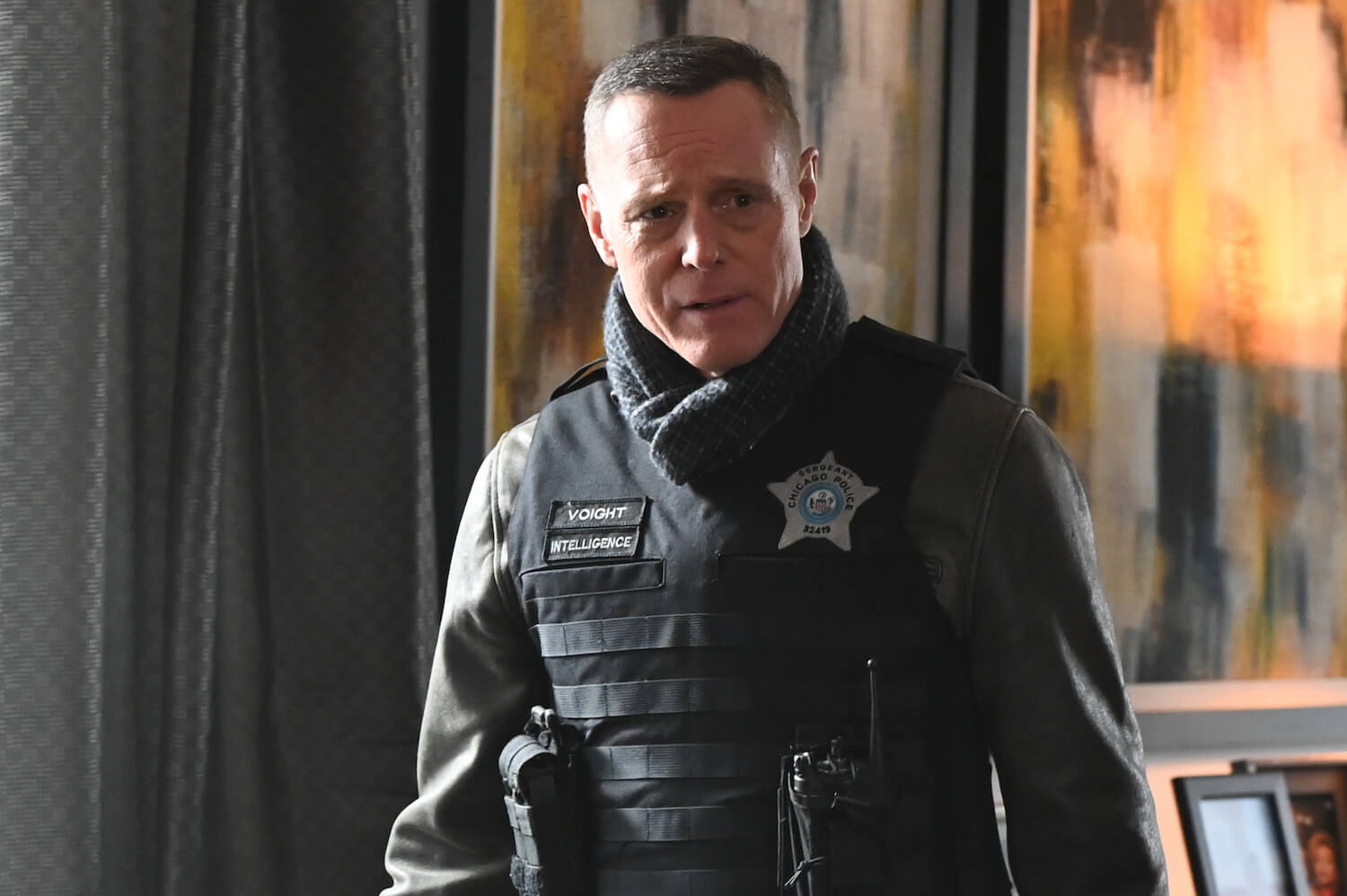
Chicago has long cultivated a distinct brand of gritty, authentic, and versatile acting talent, producing generations of performers who shape Hollywood cinema, television, and international theater. From classical stage actors to legendary comedic improvisers and modern cinematic powerhouses, actors born in Chicago carry a reputation for relentless work ethic, sharp timing, and deeply grounded character portrayals.
The Industrial Roots and Cultural Crucible of Chicago Acting
The emergence of Chicago as an incubator for world-class acting talent is not an accident of geography. Throughout the 20th century, the city’s industrial landscape, vibrant multi-ethnic neighborhoods, and Midwestern sensibilities forged an artistic environment distinct from the glamorous gloss of Los Angeles or the traditional high-brow atmosphere of New York theater.
The Neighborhoods That Shaped the Stars
Performers born in Chicago frequently cite their neighborhoods as their first acting classrooms. The city's segregated yet culturally rich pockets—from the South Side and West Side to working-class enclaves like Back of the Yards and Wrigleyville—exposed future actors to a wide spectrum of human experiences.
- The Working-Class Ethic: Many early and mid-20th-century actors came from blue-collar families where performance was a means of storytelling rather than status-seeking.
- Cultural Diversity: Exposure to diverse immigrant communities, jazz clubs, neighborhood churches, and bustling street life instilled an ear for authentic dialogue and regional cadence.
- Weather and Hardship: The famously harsh winters and industrial grit fostered a resilience that translated directly into the tenacity required to survive in the entertainment industry.
The Institutional Pipeline
While native Chicagoans absorbed the city's street-level culture, local institutions provided the technical framework necessary to refine raw talent. Long before they stepped onto Hollywood soundstages, actors born in Chicago trained in institutions that prioritized collaboration and ensemble work.
Organizations like the Goodman Theatre, founded in 1925, and later the Steppenwolf Theatre Company (established in 1974 by Gary Sinise, Terry Kinney, and Jeff Perry), created a homegrown theatrical ecosystem. Even for actors who left Chicago early in their lives, the surrounding artistic culture left an indelible mark on their approach to the craft.
---\
The Golden Age and Pioneers of Screen and Stage
The lineage of Chicago-born performers extends back to the early days of cinema and the golden age of Hollywood, proving that the city's talent pipeline has deep historical roots.
Early Cinematic Trailblazers
Long before the rise of modern improv theaters, Chicago natives made their way to the silver screen, often bringing a distinct earthiness that contrasted with the polished mid-Atlantic accents of classic Hollywood.
- Gloria Swanson: Born in Chicago in 1899, Swanson became one of the most prominent stars of the silent film era, immortalized forever as Norma Desmond in Billy Wilder’s Sunset Boulevard (1950). Her career bridged the gap between early cinema and the Golden Age.
- Melvyn Douglas: Born in Macon, Georgia, but raised and shaped significantly in Chicago where he began his professional stage career, Douglas evolved into a quintessential character actor, winning Academy Awards for Hud (1963) and Being There (1979).
- Carol Burnett: Though celebrated primarily for television, this legendary comedic pioneer was born in San Antonio, Texas, but raised largely by her grandmother in a rooming house on the West Side of Chicago. Her formative years in the city deeply influenced her observational humor and love for classic performance.
The Improv Revolution: Second City and the Modern Comic Engine
It is impossible to discuss actors born in Chicago—or those who adopted the city as their creative home—without examining the revolutionary impact of modern improvisational comedy. In 1959, the opening of The Second City theater on the city's Near North Side fundamentally altered the trajectory of American comedy and film.
- The Compass Players (1955) -> The Second City (1959)
- ImprovOlympic & The Annoyance Theatre
- Saturday Night Live & Hollywood Blockbusters
- ImprovOlympic & The Annoyance Theatre
The Second City and The Annoyance Incubators
While Second City attracted talent from across the Midwest and beyond, it served as a magnet for native Chicagoans who grew up absorbing the city's dry, cynical, yet deeply compassionate sense of humor.
- Bill Murray: Born in Evanston and raised in Wilmette (an immediate northern suburb within the Chicago metropolitan area), Murray brought a deadpan, unpredictable improvisational style to Saturday Night Live and classic cinematic comedies like Caddyshack, Ghostbusters, and dramatic turns in Lost in Translation.
- John Belushi: Born in Chicago to Albanian immigrant parents and raised in suburban Wheaton, Belushi possessed a chaotic, physical energy that made him a titan of early television and film, most notably in The Blues Brothers—a cinematic love letter to Chicago.
- George Wendt: A true native Chicagoan born on the city's South Side, Wendt became a television icon playing Norm Peterson on Cheers, embodying the quintessential Chicago bar patron with effortless charm.
Dramatic Heavyweights and Character Actors
Beyond comedy, Chicago has produced a staggering array of dramatic actors known for intense psychological realism, raw emotional power, and meticulous character construction.
Steppenwolf and the Gritty Realism Era
The founding of the Steppenwolf Theatre Company in the mid-1970s catalyzed a new wave of fiercely independent, raw dramatic acting that bled directly into American cinema of the 1980s, 90s, and beyond.
- John Malkovich: Born in Christopher, Illinois, but deeply tied to the Chicago theater scene and a charter member of Steppenwolf, Malkovich brought an unsettling, high-strung intensity to films like In the Line of Fire and Malkovich.
- Gary Sinise: Born in Blue Island, Illinois, and raised in the Chicago suburbs, Sinise co-founded Steppenwolf and built a prolific career in film and television, earning an Academy Award nomination for his unforgettable portrayal of Lieutenant Dan in Forrest Gump (1994).
- Joan Allen: Born in Rochelle, Illinois, and a prominent member of the Steppenwolf ensemble, Allen earned critical acclaim and multiple Oscar nominations for her work in films like Nixon, The Crucible, and The Contender.
Modern Cinematic Anchors
Contemporary Hollywood features numerous leading men and women who trace their roots directly to Chicago streets, maintaining the city's reputation for unpretentious, high-caliber performances.
| Actor Name | Birthplace / Upbringing | Notable Works | Primary Acting Style |
|---|---|---|---|
| Harrison Ford | Chicago, IL | Star Wars, Indiana Jones, Blade Runner | Stoic Everyman, Action Lead |
| John Cusack | Evanston, IL | High Fidelity, Grosse Pointe Blank, Say Anything | Relatable, Quirky Romantic Lead |
| Joan Cusack | Evanston, IL | Working Girl, In & Out, Shameless | Eccentric, Energetic Character Actor |
| Michael Shannon | Lexington, KY / Chicago, IL | Revolutionary Road, Boardwalk Empire, Man of Steel | Intense, Unsettling Dramatic Powerhouse |
| Harrison Ford | Chicago, IL | Witness, The Fugitive | Grounded, Reluctant Hero |
Key Characteristics of Chicago-Born Actors
What unites performers from this specific geographic and cultural hub? Industry critics and casting directors frequently point to several shared attributes that distinguish Chicago-trained and Chicago-born actors from their coast-based counterparts.
1. Ensemble-First Mentality
Actors nurtured in Chicago's theater scene—whether at Steppenwolf, Victory Gardens, or the Goodman—rarely suffer from prima donna syndromes. Chicago theater was built on small budgets, shared spaces, and mutual reliance. Performers learn early to support their scene partners rather than chasing isolated camera angles.
2. Resistance to Hollywood Gloss
There is a distinct lack of manufactured perfection in many Chicago actors. They are often cast as blue-collar workers, detectives, flawed anti-heroes, or eccentric neighbors because they project an authentic lived-in quality. Their physical appearances and vocal cadences often reflect real people rather than idealized archetypes.
3. Adaptability Across Mediums
The porous boundary between Chicago's theater community and its commercial/voiceover industries forces actors to be nimble. A performer might spend the evening doing avant-garde theater in a 99-seat basement and the next morning recording a gritty commercial voiceover or guest-starring on a local television procedural like Chicago P.D.
Frequently Asked Questions About Chicago Actors
Why are so many famous actors from Chicago?
Chicago's combination of a robust theatrical infrastructure (such as the Goodman and Steppenwolf theaters), its revolutionary improvisational comedy scene (The Second City), and its culturally diverse, working-class neighborhoods create an ideal environment for developing authentic, resilient performing talent.
Was Harrison Ford born in Chicago?
Yes. Harrison Ford was born at Swedish Covenant Hospital in Chicago on July 13, 1942, and raised in the city's northern suburbs before attending Ripon College and eventually moving to Los Angeles to pursue acting.
Which famous comedic actors started in Chicago improv?
Many of Hollywood's biggest comedic stars launched their careers through Chicago's Second City and The Compass Players, including Bill Murray, John Belushi, Dan Aykroyd, Tina Fey, Steve Carell, Stephen Colbert, and Bob Odenkirk.
Did the Steppenwolf Theatre influence Hollywood cinema?
Yes. Emerging in the 1970s, Steppenwolf introduced a raw, unflinching, and highly collaborative style of dramatic performance. Its core members—including Gary Sinise, John Malkovich, and Laurie Metcalf—successfully brought this gritty theatrical realism into major Hollywood feature films.
Are there notable modern actors born in Chicago?
Numerous contemporary film and television stars hail from the Chicago area, including Michael Shannon, Jesse Williams, Jennifer Beals, Gillian Anderson, and Bob Odenkirk, all of whom maintain the city's tradition of intense character work.
Conclusion and Next Steps
The legacy of actors born in Chicago is a testament to how a city's unique industrial history, cultural diversity, and institutional grit can forge some of the most enduring talents in entertainment history. Whether exploring the silent film archives of Gloria Swanson, studying the improvisational genius of Bill Murray, or watching the dramatic intensity of Michael Shannon, audiences continue to witness the unmistakable influence of the Windy City on screen. For aspiring performers and cinema enthusiasts alike, studying the trajectories of Chicago-born actors offers a masterclass in resilience, ensemble collaboration, and authentic storytelling.