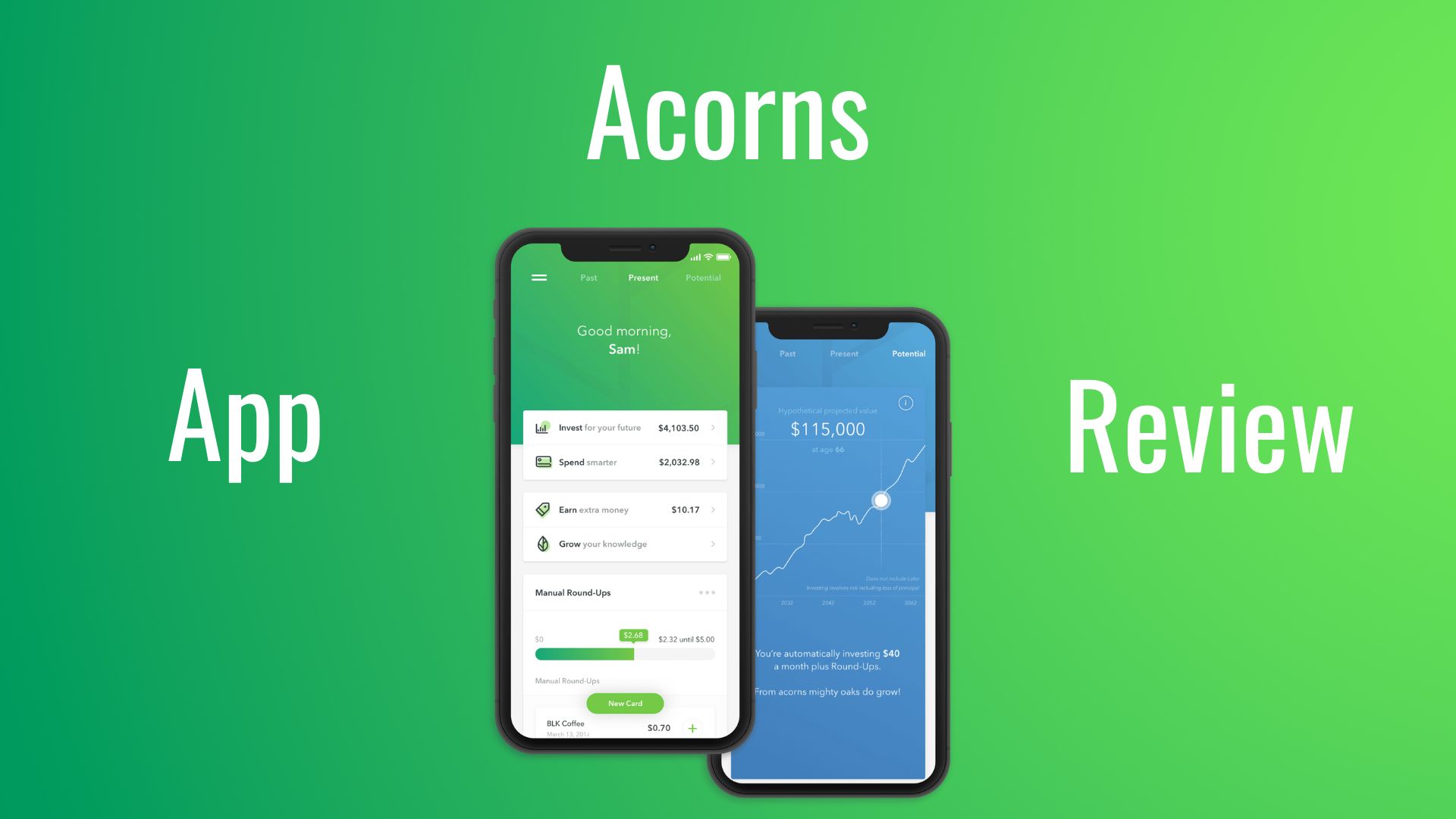
Understanding the concept of net worth in relation to platforms like Acorns requires looking at how automated micro-investing, retirement accounts, and checking services shape an individual's financial health. Net worth is calculated as total assets minus total liabilities, and digital financial platforms influence this equation by changing how users accumulate assets, manage daily cash flow, and build long-term portfolios through automated savings and diversified exchange-traded funds.
Defining Net Worth in Modern Personal Finance
Net worth serves as the primary metric of financial health, representing the net value of everything a person or household owns minus what they owe. Assets typically include cash equivalents, real estate, vehicle equity, retirement accounts, and taxable brokerage investments. Liabilities encompass mortgages, student loans, credit card balances, and auto loans.
For the average consumer, tracking net worth involves aggregating data across multiple financial institutions. Automated fintech applications have altered this landscape by making fractional share investing and automated savings accessible to individuals who might otherwise lack the capital or time to manage a traditional brokerage account. Evaluating the impact of a service like Acorns requires understanding where its tools fit within an individual's broader asset-and-liability structure.
Core Features of Acorns and Asset Accumulation
Acorns operates primarily through automated micro-investing, retirement accounts, and a digital checking service. Each feature influences specific components of a user's overall net worth calculation.
Round-Ups and Taxable Brokerage Accounts
The platform's signature feature, Round-Ups, automatically invests spare change from everyday purchases by rounding transactions up to the nearest dollar. This digital loose change is funneled into a taxable investment portfolio composed of low-cost exchange-traded funds (ETFs). While individual Round-Ups are small, they systematically convert cash—a liquid asset—into equity investments, which can appreciate over time.
Retirement Accounts (Acorns Later)
Net worth growth is heavily tied to long-term retirement savings. The service offers individual retirement accounts (IRAs), including Traditional, Roth, and SEP options. Contributions to these accounts build long-term assets that are shielded from immediate taxation or structured for tax-free growth, directly increasing long-term net worth.
Checking Accounts and Emergency Funds
Asset accumulation also depends on liquidity and cash management. Through its banking partnerships, the platform offers checking accounts and debit cards that feature automated savings allocations. Maintaining an emergency fund within these secure structures prevents users from resorting to high-interest debt—such as credit cards or personal loans—which would otherwise increase liabilities and depress net worth.
How Micro-Investing Impacts Long-Term Net Worth
Micro-investing lowers the psychological and financial barriers to entry for wealth building. Traditional brokerage accounts often require minimum deposits of hundreds or thousands of dollars, alongside active decision-making regarding asset allocation.
Behavioral Finance and Consistency
The primary advantage of automated micro-investing lies in behavioral consistency. By automating savings through routine purchases, users build a habit of continuous investing without actively budgeting or timing the market. Over long horizons, this compounding effect contributes steadily to the asset side of a user's net worth ledger.
Cost Considerations and Subscription Fees
Financial tools carry costs that influence net investment returns. Acorns operates on a tiered subscription model (such as Personal and Gold tiers) rather than charging direct commissions on trades. Users must weigh these monthly subscription fees against the size of their portfolio. For very small balances, a flat monthly fee can represent a high percentage yield drain, making the tool less efficient for rapid net worth accumulation until the portfolio scales sufficiently.
Comparing Digital Wealth Building Tools
Different financial platforms serve distinct roles in personal asset management. Evaluating them side by side clarifies their impact on net worth.
| Platform Type | Primary Function | Typical Cost Structure | Impact on Net Worth | Best Suited For |
|---|---|---|---|---|
| Micro-Investing Apps | Automated spare change investing, basic retirement, and banking. | Monthly subscription fee (tiered). | Steady accumulation of taxable equity and retirement assets via automation. | Beginners seeking hands-off, habit-forming wealth accumulation. |
| Traditional Brokerages | Self-directed stock, bond, ETF, and options trading. | Zero-commission trades; potential account or advisory fees. | Direct control over asset allocation and growth of larger portfolios. | Experienced investors managing substantial capital and diverse assets. |
| Robo-Advisors | Automated portfolio management based on risk tolerance. | Percentage of assets under management (AUM) annually. | Balanced portfolio growth tailored to specific financial goals and timelines. | Investors with moderate balances wanting automated diversification without micro-transactions. |
Limitations and Risks in Digital Asset Building
While automated apps facilitate asset growth, users must recognize structural limitations when calculating and projecting their net worth.
- Subscription Fee Drag: Fixed monthly fees reduce net returns, particularly for accounts with low starting balances.
- Market Volatility: Investments held in ETFs fluctuate with market conditions. A market downturn temporarily reduces the asset value component of a user's net worth.
- Lack of Advanced Control: Automated portfolios generally limit users to pre-set ETF mixes based on risk questionnaires, restricting tax-loss harvesting or individual stock selection found in advanced brokerages.
- Liability Isolation: These platforms focus almost exclusively on asset accumulation and cash management; they do not directly pay down external liabilities such as mortgages or student loans.
Frequently Asked Questions
Does using Acorns automatically increase your net worth?
Using the platform converts liquid cash into equity investments and retirement funds through automated saving and investing. While this builds assets over time, net worth also depends on market performance, subscription costs, and your overall level of personal debt.
Are funds invested through Acorns safe?
Investments in brokerage and retirement accounts are protected by the Securities Investor Protection Corporation (SIPC) up to $500,000 against the brokerage firm's failure, though SIPC insurance does not protect against market losses. Checking and debit features are typically backed by FDIC insurance through partner banks.
How do subscription fees affect net worth growth?
Monthly subscription fees act as an explicit cost. If your account balance is small, the flat fee can consume a noticeable percentage of your investment gains, temporarily slowing net worth growth compared to platforms with zero fees and no minimums.
Can I withdraw my money at any time?
Funds in taxable brokerage accounts can be sold and withdrawn at any time, though selling securities may trigger taxable capital gains. Retirement accounts (IRAs) carry strict IRS rules and potential penalties for early withdrawal before retirement age.
Is Acorns suitable for advanced investors?
The platform is designed primarily for beginners and intermediate savers who benefit from automation and guided portfolios. Advanced investors seeking options trading, individual stock selection, or complex tax strategies typically utilize traditional full-service brokerages.
Next Actions for Financial Growth
To effectively leverage digital investment platforms within your broader financial strategy, calculate your current net worth by listing all liquid cash, investments, and property, then subtracting all outstanding debts. Assess whether automated micro-investing aligns with your capital scale, keeping subscription costs in mind. Combine automated asset building with a deliberate strategy to pay down high-interest liabilities to secure sustainable, long-term growth in your net worth.