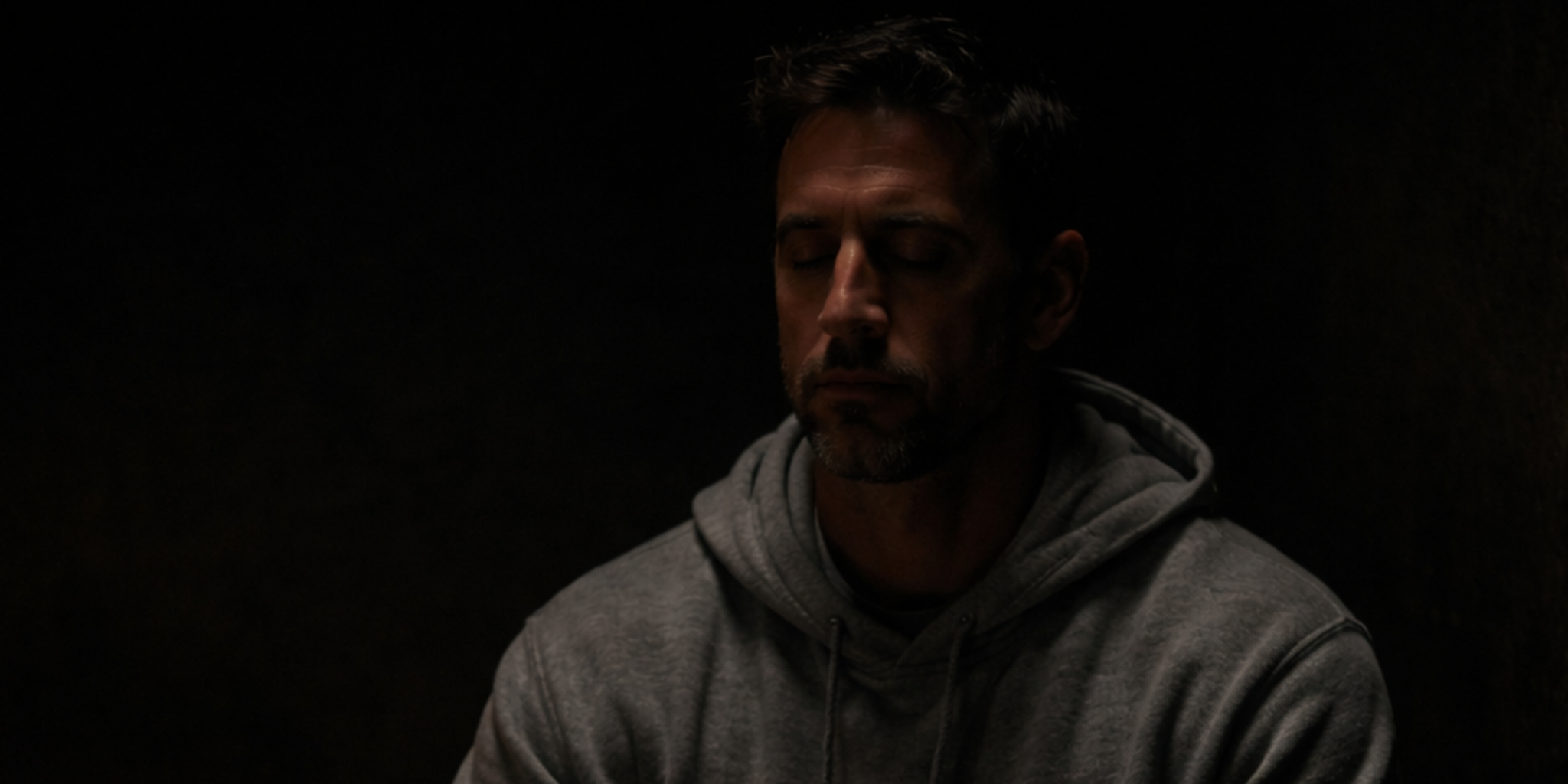
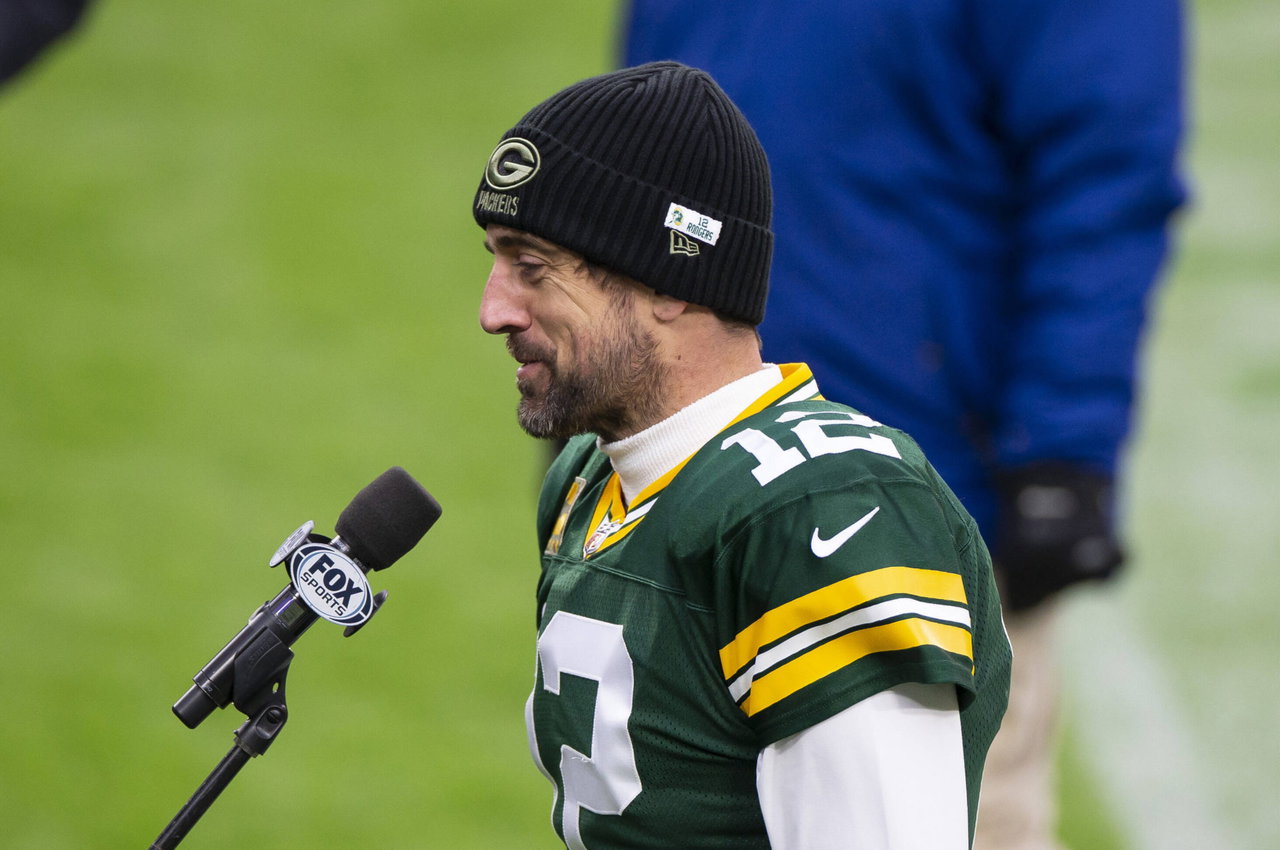
The Aaron Rodgers retreat, a four-day darkness isolation experience, became a flashpoint for intense public debate in early 2023. At its core, the controversy centers on the intersection of professional athletic preparation, mental health practices, and the intersection of public figures with alternative wellness methodologies, sparking widespread discourse on the efficacy of sensory deprivation as a tool for introspection.
The Genesis of the Darkness Retreat
In the early months of 2023, Aaron Rodgers, then the quarterback for the Green Bay Packers, announced his intention to undergo a specific type of sensory deprivation experience. He described it as a "darkness retreat," a practice designed to induce a state of complete sensory withdrawal. Rodgers characterized the process as a means of gaining clarity regarding his professional future, specifically his playing status in the National Football League (NFL) for the upcoming season.
The retreat itself involved staying in a small, underground, light-proof facility for several days. During this period, the participant is deprived of all external stimuli—no light, no sound, and minimal interaction with the outside world. The primary intent behind such practices, as outlined by proponents of similar retreats like Sky Cave Retreats in Oregon, is to foster deep introspection, meditative states, and a potential recalibration of the individual’s mental and emotional state.
Understanding Sensory Deprivation and Isolation
Sensory deprivation—often termed Restricted Environmental Stimulation Therapy (REST) in clinical literature—has been studied for decades. When the brain is stripped of external sensory input, individuals often report a variety of internal experiences, ranging from heightened creative thinking and spiritual insight to vivid hallucinations and increased anxiety.
The controversy surrounding Rodgers’ choice was rooted less in the physiological concept of REST and more in the cultural perception of the practice as "fringe" or "eccentric." Because the retreat was framed as a decision-making tool for a high-stakes professional career, critics questioned the validity of using such extreme solitude to navigate life-altering choices. Supporters, however, argued that in an era of constant connectivity, voluntary isolation represents a valid, albeit intense, method for radical self-reflection.
The Intersection of Athletics and Alternative Wellness
Professional athletes operate under extreme public and physical pressure. As of 2026, the integration of alternative wellness practices—such as hyperbaric chambers, extreme cold-water immersion, and cognitive behavioral training—has become standardized in sports science. However, the "darkness retreat" sits on the periphery of this spectrum.
The public reaction to Rodgers’ announcement highlighted a fundamental divide in how society views "optimization." Is total sensory isolation a tool for high-performance mental conditioning, or is it an indulgence that borders on isolationist escapism?
Key Perspectives on the Controversy
| Perspective | Argument | Rationale |
|---|---|---|
| Institutional Skeptics | Focus on the outlier nature of the practice. | Concerns that extreme isolation could lead to impaired judgment during career-defining moments. |
| Wellness Advocates | Emphasize the historical precedent of solitude. | Reference to various cultural traditions (e.g., Vipassana, hermit traditions) that use darkness for spiritual growth. |
| Sports Media | Highlight the narrative implications. | The retreat was perceived by some as a calculated move to manage the media cycle surrounding his potential trade. |
| Mental Health Professionals | Caution regarding individual psychological variables. | Highlighting that the effects of total darkness vary wildly based on an individual's pre-existing mental health status. |
Psychological Implications of Total Darkness
From a clinical standpoint, the human brain is hard-wired to process sensory input. Removing this input for 96 hours—the length of time typically cited in reports regarding Rodgers’ experience—forces the brain to rely on internal narrative generation.
For many, this results in a phenomenon known as "the ego-dissolution experience," where the subject feels a separation from their standard identity. For a professional athlete, whose identity is often inextricably linked to their on-field performance, this state can provide a psychological "reset." However, psychologists warn that for those prone to anxiety or dissociative disorders, such extreme environments can trigger significant distress. The debate remains unsettled as to whether the benefits—such as increased clarity or reduced cortisol levels—outweigh the inherent risks of self-imposed sensory deprivation.
The Media Cycle and Public Scrutiny
One cannot analyze the controversy of the Aaron Rodgers retreat without addressing the media landscape. The announcement occurred during the NFL offseason, a period characterized by heightened speculation regarding player movement. By linking his potential trade or retirement to an enigmatic wellness retreat, Rodgers effectively controlled the narrative flow, keeping himself at the center of the sports news cycle.
This led to the "controversy" aspect of the discourse: the suspicion that the retreat was not merely for introspection, but a strategic component of his public persona. In modern sports, the line between an athlete’s private decision-making process and their public brand management is increasingly blurred. Critics pointed to the timing of the announcement as a move designed to heighten his mystique, while his supporters viewed the skepticism as an unfair dismissal of his autonomy over his own mental health journey.
Practical Considerations of Darkness Retreats
For individuals curious about the practice, it is important to distinguish between commercial retreats and clinical environments. Most facilities that offer "darkness retreats" operate as wellness centers rather than medical institutions.
Prerequisites for Participation
- Psychological Screening: Many reputable facilities require a preliminary consultation to ensure the participant does not have a history of conditions that could be exacerbated by sensory deprivation.
- Physical Preparation: Participants are often advised to undergo a period of physical detox or dietary adjustment leading up to the session.
- Structured Integration: A crucial component often overlooked is the "re-entry" phase. Emerging from 96 hours of darkness into bright light and high-stimulus environments can cause physical discomfort and emotional volatility.
Cost and Logistics
As of 2026, these retreats vary significantly in cost based on location and the level of amenities provided. Basic stays in remote cabins can start at a few hundred dollars, while specialized, climate-controlled, and monitored facilities can cost several thousand dollars for a multi-day experience. Potential participants should prioritize facilities that provide professional supervision and clear emergency protocols.
Frequently Asked Questions
1. What does one actually do during a darkness retreat?
During a darkness retreat, the primary activity is the absence of activity. Without digital devices, books, or visual stimulation, the focus shifts to internal monologue, meditation, and sleep. Many participants report deep dream states or long periods of contemplation regarding their personal values and life goals.
2. Is a darkness retreat scientifically proven to improve decision-making?
There is no definitive clinical evidence that a darkness retreat provides a measurable improvement in decision-making efficacy. While some studies suggest that short-term sensory deprivation can lead to lower stress levels, the application of these findings to complex life or career decisions is anecdotal rather than empirical.
3. Are there medical risks to sensory deprivation?
Yes. Extended isolation can lead to sensory distortions, increased anxiety, and, in rare instances, hallucinations. Individuals with a history of claustrophobia, psychosis, or severe anxiety are generally advised against such practices, as the lack of external reference points can be disorienting or psychologically destabilizing.
4. Why did Aaron Rodgers specifically choose this method?
Rodgers has expressed an interest in alternative medicine and holistic wellness throughout his career. He framed the retreat as an opportunity to find "silence" in a life characterized by high-volume public interaction, suggesting that the goal was to remove external noise to hear his own internal guidance regarding his future.
5. What are the best alternatives for those seeking mental clarity?
For those seeking the benefits of a retreat without the extreme nature of total darkness, options include silent meditation retreats (such as Vipassana), nature-based digital detoxes, or guided cognitive-behavioral therapy sessions. These methods often offer similar levels of introspection with lower physiological risks and more structured support frameworks.
Conclusion and Next Actions
The controversy surrounding the Aaron Rodgers retreat served as a cultural litmus test for how we perceive the mental health practices of high-profile figures. While the practice remains polarizing, it highlights an important trend: the search for tools to combat the "noise" of modern life.
If you are considering a similar experience, do not treat it as a lighthearted experiment. Ensure that you research the facility’s safety protocols, consult with a mental health professional to evaluate your own psychological readiness, and prioritize an environment that includes a transition plan for your return to normal life. Whether you seek to emulate a professional athlete’s routine or simply need a break from digital saturation, approach the experience with caution, intention, and a clear understanding of your own mental boundaries.