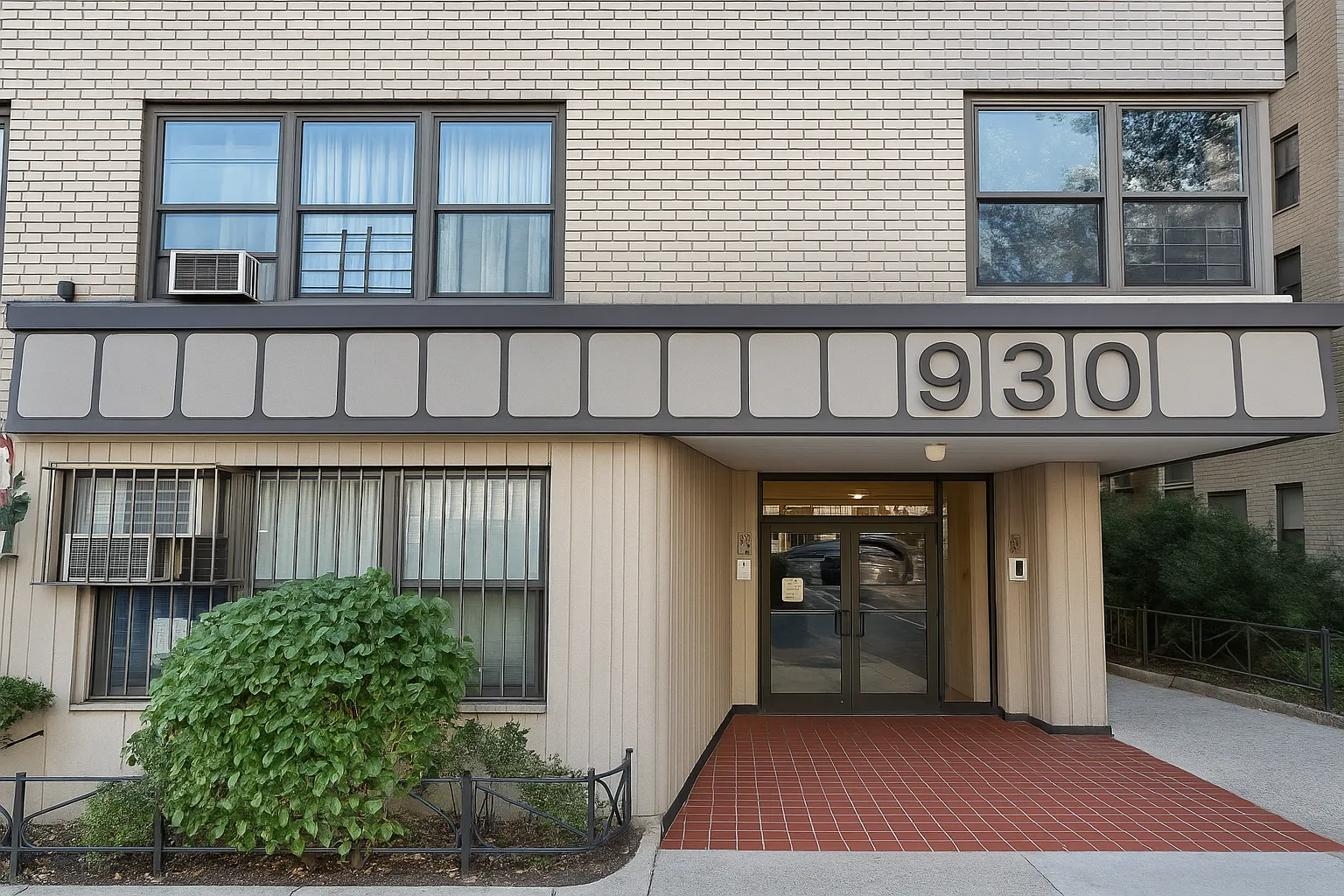
930 Grand Concourse represents a landmark achievement in urban sustainability, showcasing a comprehensive green retrofit of a historic 1930s Art Deco multifamily building. By replacing aging fossil fuel systems with a sophisticated ground-source heat pump (geothermal) network, the project proves that decarbonizing New York City’s existing high-density housing is both technically feasible and economically viable.
The Significance of the 930 Grand Concourse Retrofit
In the landscape of New York City real estate, the transition toward sustainability is no longer a luxury but a regulatory and environmental necessity. 930 Grand Concourse, a 10-story, 43-unit cooperative building located in the Bronx, stands as a premier example of how "hard-to-electrify" buildings can pivot toward a carbon-neutral future. Constructed in 1939, the building originally relied on a heavy-oil-burning boiler—a common feature in NYC’s aging housing stock that contributes significantly to the city's greenhouse gas emissions.
The retrofit story of 930 Grand Concourse is particularly notable because it tackles the complexities of a historic structure within a dense urban environment. Unlike new constructions that can integrate green technology from the ground up, retrofitting a pre-war building requires navigating structural limitations, tenant occupancy, and narrow urban footprints. This project serves as a critical case study for thousands of similar buildings facing the mandates of New York City’s Local Law 97 (LL97), which sets strict carbon emission limits for buildings over 25,000 square feet.
By successfully implementing a ground-source heat pump (GSHP) system—often referred to as geothermal energy—930 Grand Concourse has moved from being a carbon emitter to a model of energy efficiency. This transformation was not merely about replacing a boiler; it was a holistic overhaul of the building’s thermal management, air quality, and mechanical infrastructure.
Technical Architecture: The Geothermal Solution
The centerpiece of the 930 Grand Concourse green retrofit is the installation of a closed-loop ground-source heat pump system. While many NYC buildings opt for air-source heat pumps due to easier installation, geothermal systems offer significantly higher efficiency, especially during the extreme temperature fluctuations characteristic of New York winters and summers.
Drilling in a Dense Urban Environment
One of the most remarkable aspects of this project was the engineering feat required to install geothermal wells. In a traditional suburban setting, drilling wells is straightforward. In the Bronx, however, the team faced the challenge of drilling into the bedrock beneath a fully occupied building with minimal outdoor space.
The solution involved using specialized, limited-access drilling rigs. These compact machines were capable of operating in the basement and the small exterior courtyard areas. The project team, including experts from Egg Geo and JCAL Development, oversaw the drilling of several boreholes hundreds of feet deep into the Manhattan schist. These wells facilitate the exchange of heat with the earth, which maintains a relatively constant temperature of approximately 55°F (13°C) year-round.
Variable Refrigerant Flow (VRF) Integration
The energy captured from the ground is distributed throughout the 43 apartments via a water-to-refrigerant VRF system. This technology allows for incredible precision in climate control. Unlike the old steam radiator system, which often left some apartments sweltering while others remained cold, the new VRF units provide individualized heating and cooling.
This transition from steam to VRF also eliminated the "window shaker" air conditioners that previously peppered the building's facade. These units were not only energy-intensive but also created significant thermal leaks in the building envelope. By centralizing the cooling through the geothermal loop, the building significantly reduced its peak electricity demand during the summer months.
Overcoming Structural and Regulatory Challenges
Retrofitting a building of this vintage involves more than just mechanical engineering; it requires a deep understanding of historical preservation and modern building codes.
The Building Envelope and Historic Preservation
930 Grand Concourse is part of the Grand Concourse Historic District. Any modifications to the exterior must respect the aesthetic integrity of the Art Deco architecture. The retrofit team worked to ensure that the installation of new mechanical systems did not mar the building's iconic facade.
In addition to the HVAC upgrades, the project addressed the building envelope—the "skin" of the building that keeps tempered air in and outside air out. Improvements included:
- Window Reinforcement: Sealing gaps and ensuring existing windows provided adequate thermal resistance.
- Insulation Upgrades: Targeted insulation in the roof and basement to minimize heat loss.
- Aerosolized Duct Sealing: Using advanced technologies to seal leaks in existing ventilation shafts, ensuring that the fresh air handled by the new systems reaches its destination efficiently.
Financing the Green Transition
A project of this magnitude requires a complex capital stack. The 930 Grand Concourse retrofit was made possible through a combination of private investment, cooperative reserves, and significant support from the New York State Energy Research and Development Authority (NYSERDA).
The building was a participant in the NYSERDA Empire Building Challenge, a program designed to demonstrate paths to low-carbon retrofits for high-rise buildings. Incentives and technical assistance provided by the state were crucial in offsetting the high upfront costs of geothermal drilling, which typically has a longer payback period than traditional gas-fired replacements but offers much lower long-term operating costs.
Comparing Traditional Systems vs. Geothermal Retrofit
To understand why the 930 Grand Concourse story is so impactful, it is helpful to compare the old infrastructure with the new green technology implemented in the retrofit.
| Feature | Pre-Retrofit Status (Oil/Steam) | Post-Retrofit Status (Geothermal/VRF) |
|---|---|---|
| Energy Source | Number 4 or 6 Heating Oil (High Carbon) | Electricity (Earth-Coupled Heat Exchange) |
| Emission Profile | High CO2 and Particulate Matter | Zero On-Site Emissions (Carbon Neutral Ready) |
| Heating Method | High-Pressure Steam Radiators | Water-to-Air Heat Pumps (VRF) |
| Cooling Method | Inefficient Window AC Units | Integrated Geothermal Cooling |
| Tenant Control | None (Building-wide on/off) | Individual Thermostats per Room |
| LL97 Compliance | At Risk of Significant Annual Fines | Fully Compliant for 2030 and Beyond |
| Maintenance | High (Leaking pipes, boiler cleanings) | Moderate (Standard filter/pump checks) |
The Impact on Residents and the Community
While the technical and environmental metrics are impressive, the "story" of 930 Grand Concourse is ultimately about the people who live there. For many residents, the most immediate benefit was the radical improvement in indoor air quality and comfort.
Improved Living Standards
The removal of the old oil boiler eliminated the smell of combustion and the soot that often accompanies old heating systems in the Bronx. Furthermore, the geothermal system provides a "whisper-quiet" operation compared to the clanking of old steam pipes and the roar of window AC units.
Individualized climate control has also had a social impact. In multifamily buildings, "thermal equity" is a common issue—where top-floor residents are too hot and ground-floor residents are too cold. The VRF system ensures that every unit receives the exact amount of heating or cooling requested, regardless of its location in the building.
Economic Resilience for the Cooperative
For the co-op shareholders, the retrofit was a strategic financial move. As of 2026, the cost of carbon—levied through LL97 penalties—has become a line-item liability for many NYC buildings. By electrifying now, 930 Grand Concourse has effectively "future-proofed" its finances.
The building has also seen a reduction in energy volatility. While oil and gas prices are subject to global geopolitical shifts, the efficiency of geothermal energy provides a more predictable and lower baseline for utility expenditures. This stability is vital for maintaining affordable maintenance fees for the middle-class families that call the Grand Concourse home.
Operational Lessons for Future Projects
The 930 Grand Concourse retrofit serves as a laboratory for the NYC real estate industry. Several key takeaways have emerged that are now being applied to other electrification projects across the five boroughs.
- Phased Implementation is Possible: The project demonstrated that mechanical upgrades can be performed in an occupied building. By utilizing existing vertical "chases" (the spaces inside walls for pipes), engineers minimized the need for invasive construction inside the apartments.
- Geothermal is Not Just for Suburbs: The success of drilling in the Bronx has debunked the myth that Manhattan schist is an insurmountable barrier to geothermal. In fact, the density of the rock provides an excellent medium for heat exchange.
- The Importance of Partnership: The collaboration between the building board, the management company, the state (NYSERDA), and technical consultants like Steven Winter Associates was essential. Deep retrofits are too complex for a building to navigate in isolation.
- Monitoring and Verification: Following the installation, continuous data collection is required to optimize the system. This ensures that the heat pumps are performing at their peak Coefficient of Performance (COP) and that the energy savings match the initial projections.
Frequently Asked Questions
What makes 930 Grand Concourse different from other green buildings?
Unlike many "green" buildings that are new constructions, 930 Grand Concourse is a historic retrofit. It proves that we do not need to tear down old buildings to achieve carbon neutrality. It uses ground-source geothermal energy in a high-density urban environment, which is significantly more efficient than the air-source heat pumps used in most other retrofits.
How does the geothermal system actually work in the Bronx?
The system utilizes the constant temperature of the earth. In the winter, fluid circulating through deep underground wells absorbs heat from the ground and brings it into the building, where heat pumps concentrate it for warmth. In the summer, the process is reversed: the system pulls heat out of the apartments and "discharges" it back into the cool earth.
Was the retrofit expensive for the residents?
While the upfront capital cost for geothermal is higher than traditional systems, the project utilized NYSERDA grants and low-interest financing to mitigate the burden on shareholders. In the long run, the residents save money by avoiding Local Law 97 fines and reducing their monthly energy consumption.
Did residents have to move out during the construction?
No. One of the primary goals of the engineering team was to perform the retrofit while the building remained fully occupied. Most of the heavy work occurred in the basement and courtyard, with minimal, scheduled access required inside individual apartments to install the new VRF units.
How does this project help New York City meet its climate goals?
NYC aims to reduce greenhouse gas emissions by 80% by 2050. Since buildings account for approximately 70% of the city's emissions, projects like 930 Grand Concourse are the primary vehicle for reaching those goals. It serves as a scalable model for the tens of thousands of pre-war buildings that define the city’s skyline.
Practical Recommendations for Property Owners
If you are a property owner or board member looking to replicate the success of 930 Grand Concourse, consider the following steps:
- Conduct a Feasibility Study: Before committing to a technology, hire an energy consultant to perform a deep-energy audit and a geothermal feasibility study. This will determine if your building's footprint and the underlying geology can support ground-source loops.
- Analyze LL97 Exposure: Calculate your building’s projected fines for the 2030 and 2035 compliance periods. Often, the cost of the retrofit is significantly offset by the avoidance of these penalties.
- Seek State Incentives: Organizations like NYSERDA and various federal tax credits under the Inflation Reduction Act provide substantial financial support for electrification and geothermal projects.
- Plan for Holistic Upgrades: Do not just look at the HVAC. Improving the building envelope (insulation and windows) reduces the "load" on the new system, allowing you to install smaller, less expensive heat pumps.
The story of 930 Grand Concourse is a testament to the fact that the path to a greener future runs directly through our existing neighborhoods. By combining 20th-century architecture with 21st-century energy technology, this Bronx landmark has set a new standard for urban living in 2026 and beyond.