9 Perfect Strangers is a high-concept psychological drama based on Liane Moriarty's 2018 bestseller, following nine individuals who gather at a remote boutique wellness resort called Tranquillum House. Led by a mysterious director named Masha, the retreat promises total transformation through unconventional—and often dangerous—methods that force guests to confront their deepest traumas and secrets.
The Genesis of Nine Perfect Strangers: From Novel to Screen
The journey of "Nine Perfect Strangers" began in the literary world. Following the massive success of Big Little Lies, author Liane Moriarty released the novel in 2018. The book quickly became a cultural touchstone, tapping into the burgeoning "wellness industrial complex." It explored the desperation people feel when seeking a quick fix for lifelong emotional scars.
In 2021, the story was adapted into a limited series for Hulu (internationally distributed via Amazon Prime Video). Developed by David E. Kelley and John-Henry Butterworth, the television adaptation maintained the core premise but significantly altered the tone and character trajectories to better suit a visual, serialized format. As of 2026, the series is recognized as a pivotal moment in the "prestige mystery" genre, characterized by high production values, A-list ensembles, and a setting that functions as a character itself.
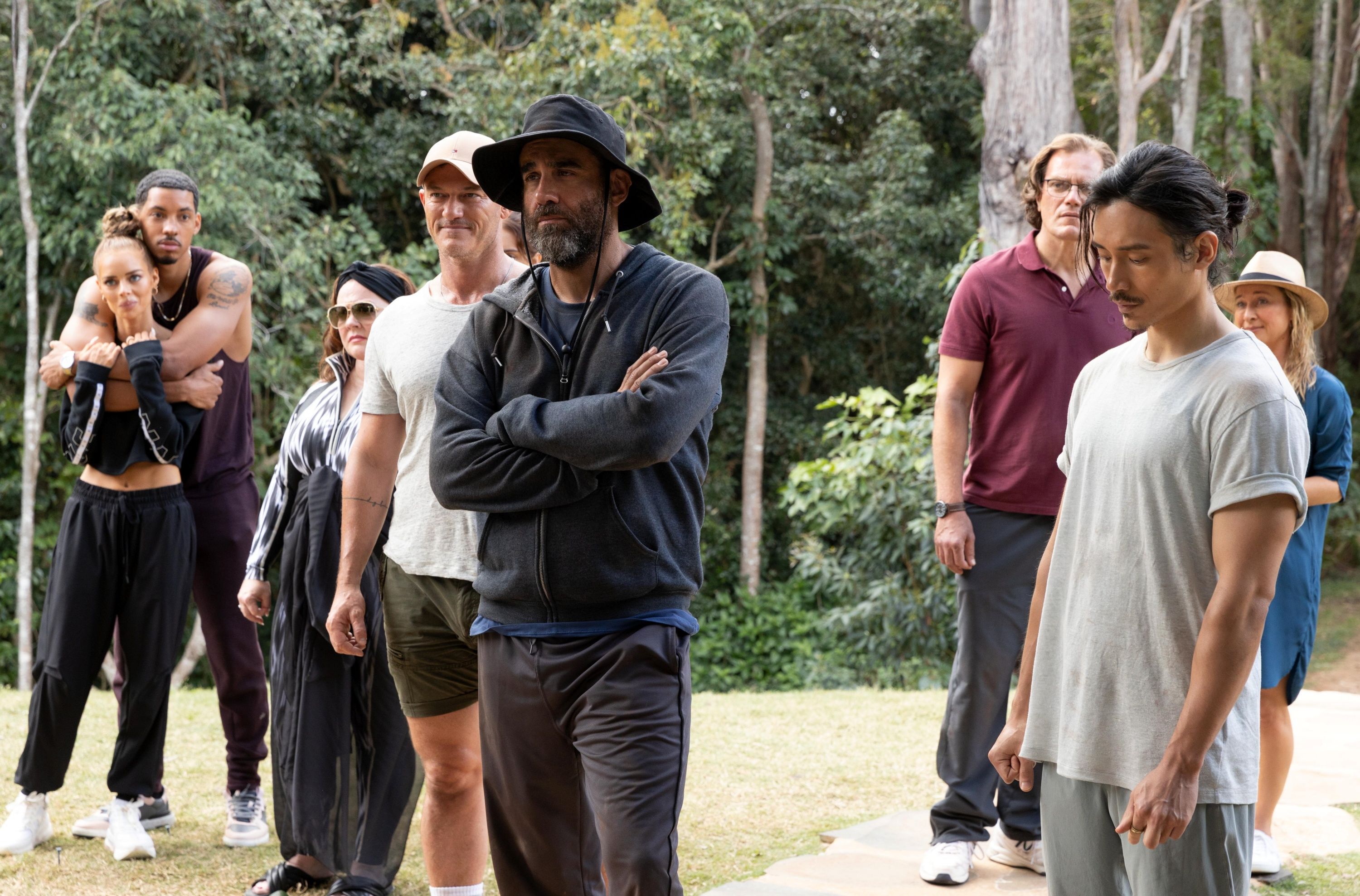
The production team chose Byron Bay, Australia, as the filming location for the first season, utilizing its lush, subtropical landscape to create a sense of isolated luxury. This setting was crucial for establishing the "Tranquillum House" atmosphere—a place that feels like a sanctuary but slowly reveals itself to be a gilded cage.
The Premise of Tranquillum House
The narrative follows nine people from vastly different walks of life who arrive at a 10-day "Mind and Body Total Transformation Retreat." Each guest brings significant emotional baggage:
- Frances Welty: A romance novelist whose career and personal life are in a tailspin.
- Tony Hogburn: A former professional athlete struggling with addiction and a sense of lost purpose.
- The Marconi Family (Napoleon, Heather, and Zoe): A family grieving a profound loss, attempting to find a way back to one another.
- The Delaneys (Ben and Jessica): A young, wealthy couple whose lottery win has fractured their intimacy.
- Carmel Schneider: A single mother dealing with the fallout of a painful divorce.
- Lars Lee: A cynical man who initially appears to be there for a "health kick" but harbors a hidden agenda.
At the center of it all is Masha Dmitrichenko, portrayed by Nicole Kidman. Masha is a former corporate executive who, after a near-death experience, reinvented herself as a wellness guru. Her methods are not the standard yoga and green juice; they involve psychological surveillance, forced social interactions, and, most controversially, the non-consensual use of psychedelics to "break" the guests' mental barriers.
Detailed Character Analysis and Motivations
To understand the impact of 9 Perfect Strangers, one must look closely at the ensemble. Each character represents a specific facet of human suffering or societal pressure.
The Marconi Family
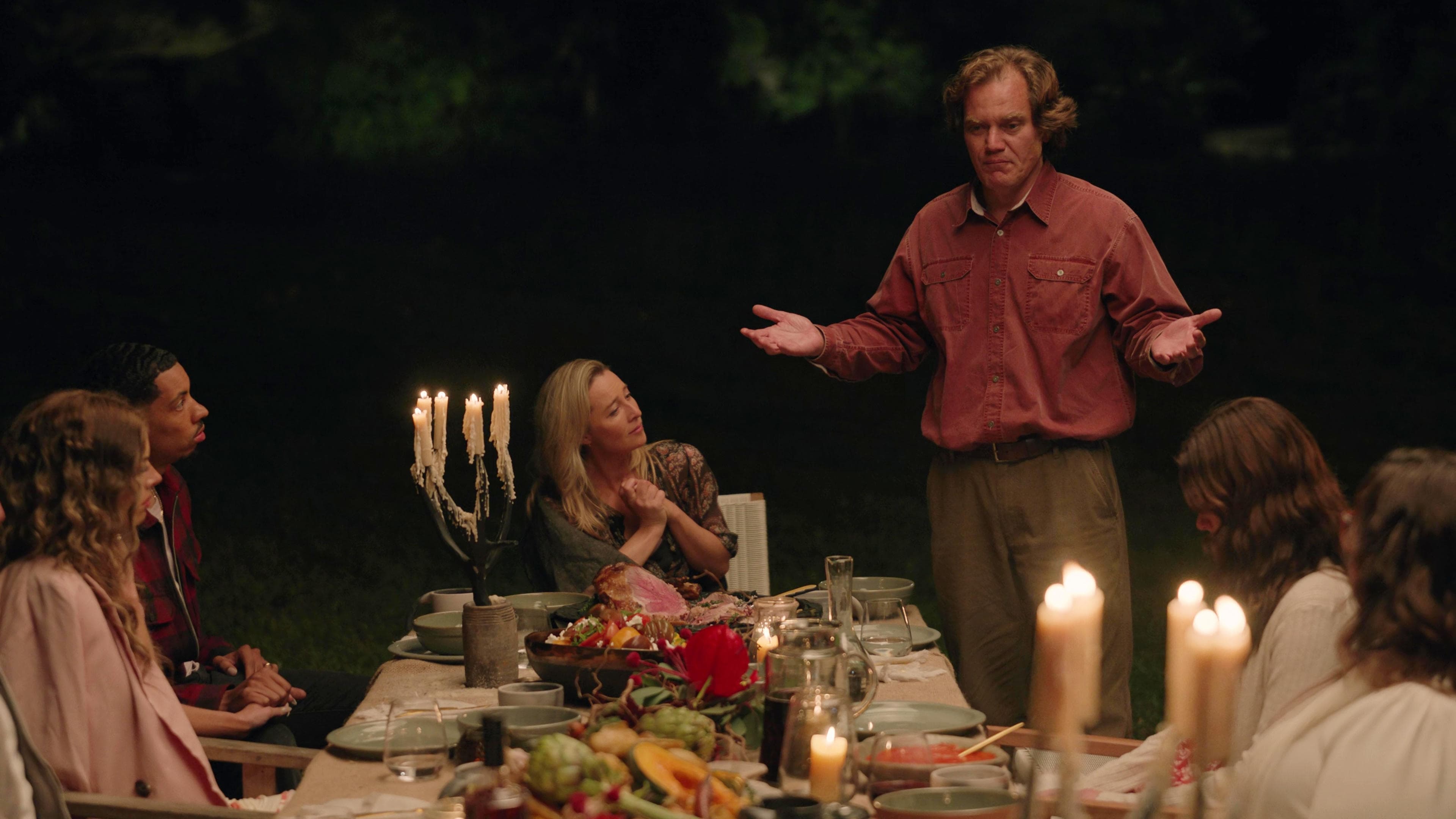
The Marconis provide the emotional core of the story. Napoleon and Heather are parents trying to save their marriage and their daughter, Zoe, following the suicide of Zoe’s twin brother. Their journey at Tranquillum House is the most harrowing, as Masha targets their grief specifically. By 2026, the performance of Michael Shannon and Asher Keddie remains a benchmark for portraying the complexities of shared family trauma.
Frances and Tony
The relationship between Frances (Melissa McCarthy) and Tony (Bobby Cannavale) serves as the series' primary source of levity and unexpected heart. Frances, victimized by an internet scammer, and Tony, dealing with the physical and emotional decline of a retired athlete, find a common ground in their skepticism. Their evolution from bickering strangers to supportive allies is one of the more traditional—and satisfying—narrative arcs in the story.
Masha: The Unreliable Healer
Masha is the ultimate enigma. She is both a predator and a savior. Her conviction that she can "fix" people by any means necessary makes her a dangerous figure. The series expands on her backstory more than the novel, showing her transition from a cold, high-powered executive in Russia to a spiritual leader in Australia. Her motivation is eventually revealed to be as personal and broken as that of her guests, which blurs the line between a cult leader and a grieving woman.
Comparison of the Nine Strangers
The following table outlines the primary motivations and initial internal conflicts of the nine guests at Tranquillum House.
| Character | Background | Primary Conflict / Trauma |
|---|---|---|
| Frances Welty | Romance Novelist | Professional failure and romantic betrayal. |
| Tony Hogburn | Retired Athlete | Drug addiction and loss of identity. |
| Napoleon Marconi | High School Teacher | Grief and guilt over his son's suicide. |
| Heather Marconi | Mother/Homemaker | Profound depression and family disconnect. |
| Zoe Marconi | Student | Survivor's guilt and repressed memories. |
| Carmel Schneider | Single Mother | Low self-esteem and anger over her ex-husband's infidelity. |
| Ben Delaney | Lottery Winner | Emptiness and lack of purpose following sudden wealth. |
| Jessica Delaney | Influencer | Body dysmorphia and superficiality in the social media age. |
| Lars Lee | Investigative Professional | Commitment issues and a secret professional motive. |
The "Wellness" Industry Critique
A major theme in both the book and the series is the critique of modern wellness culture. 9 Perfect Strangers explores how the wealthy and the desperate are willing to bypass traditional therapy for "revelatory" experiences.
Tranquillum House uses many real-world wellness tropes:
- Digital Detox: Confiscating phones to isolate guests from their support systems.
- Noble Silence: Forcing guests to refrain from speaking to encourage introspection.
- Fasting and Cleansing: Using physical depletion to make guests more psychologically vulnerable.
However, the story takes this a step further by introducing the concept of microdosing and macrodosing psilocybin (magic mushrooms) without the explicit, ongoing consent of the participants. This raises significant ethical questions regarding the "bio-hacking" movement. By 2026, the discussion surrounding the therapeutic use of psychedelics has evolved, but the series remains a cautionary tale about the lack of regulation in unregulated "healing" spaces.
Production Design and Visual Language
The visual appeal of the show was instrumental in its success. Director Jonathan Levine utilized a "saturated" look—lush greens, deep blues, and bright whites—that mimics the disorienting beauty of a high-end spa. The cinematography often uses close-ups to create a sense of claustrophobia, emphasizing that despite the vast grounds of the resort, the characters cannot escape their own minds.
The soundtrack also plays a vital role. From the haunting theme song "Strange Effect" by Unloved to the atmospheric score by Marco Beltrami, the music reinforces the feeling that something is "off" beneath the serene surface.
Season 2 and the Anthology Shift
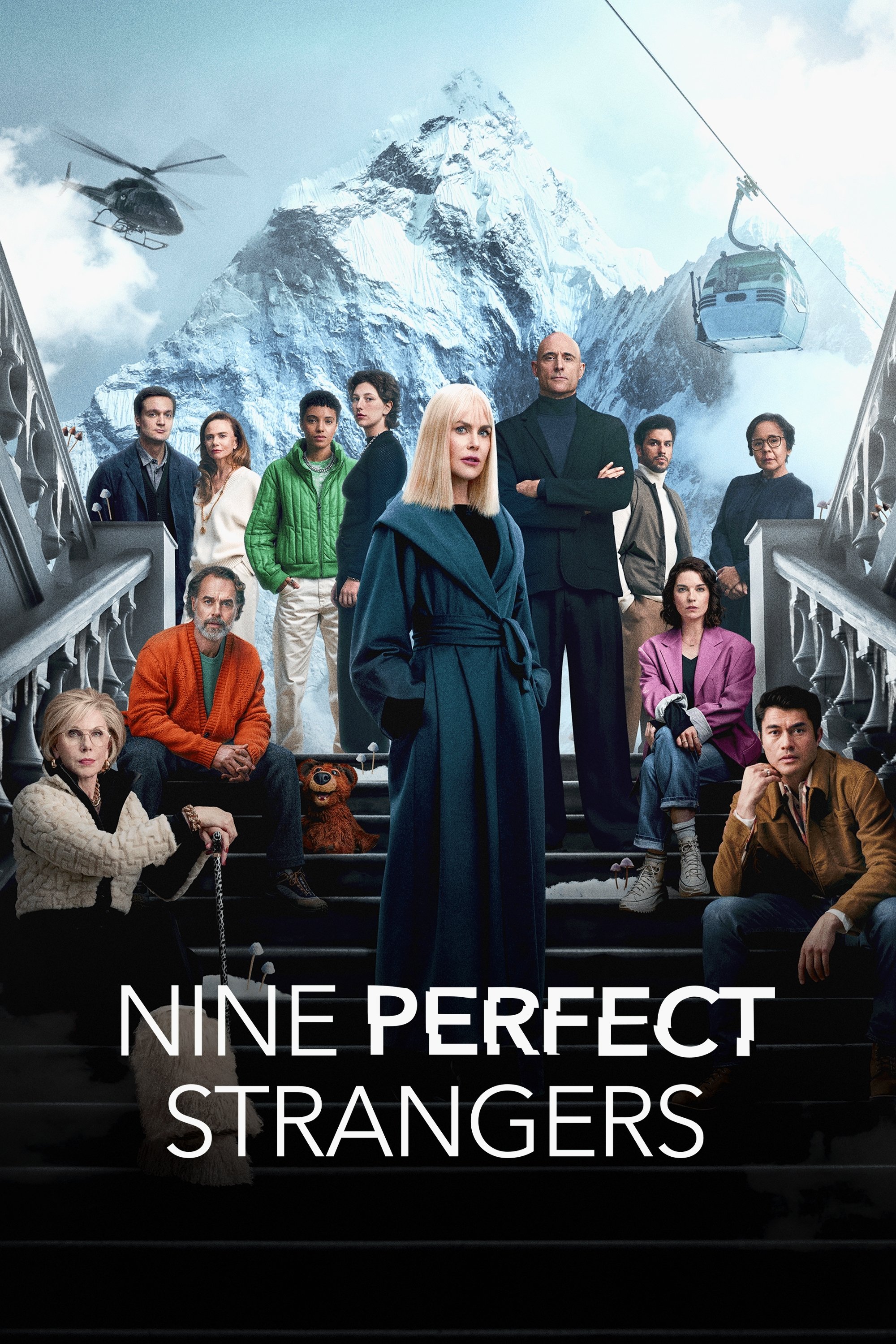
While originally billed as a limited series, the popularity of the show led to a second season. As of 2026, the series has transitioned into an anthology format, similar to The White Lotus.
- Setting Change: Season 2 moved the action from the Australian bush to the Swiss Alps.
- Recurring Characters: Nicole Kidman returned as Masha, but with a completely new group of "strangers" to treat.
- Cast Expansion: The second season included high-profile names such as Henry Golding and Mark Strong, further cementing the show's reputation for elite ensemble acting.
This shift allowed the creators to explore different types of trauma and different facets of the wellness industry, such as "longevity" clinics and high-tech bio-optimization, which have become more prominent in recent years.
Comparing the Novel vs. the Television Series
Fans of Liane Moriarty's book often notice significant deviations in the Hulu series.
- The Ending: The novel has a more grounded, though still dramatic, conclusion. The series opts for a more surreal, hallucination-heavy climax that leans into the psychedelic themes.
- Masha's Fate: Masha's arc in the book is slightly more cynical, whereas the show attempts to find a redemptive path for her, focusing on her desire to reconnect with her deceased daughter.
- Character Depth: Some characters, like Lars and Carmel, are given much more elaborate backstories and darker impulses in the television adaptation than in the original text.
Scientific and Psychological Context
While the show is a work of fiction, it touches on several psychological concepts:
- Catharsis: The idea that purging "repressed" emotions will lead to healing.
- Group Dynamics: How strangers influence each other's behavior and healing process.
- The Placebo Effect: How much of the guests' "transformation" is due to Masha's drugs versus their own desire to change.
It is important for viewers to distinguish between the dramatized "treatments" shown in the series and legitimate clinical therapy. The "wellness" practices at Tranquillum House would, in reality, violate numerous health and safety regulations, particularly regarding the administration of controlled substances in a non-medical environment.
FAQ: Frequently Asked Questions
Is Tranquillum House a real place?
No, Tranquillum House is a fictional resort. The first season was filmed at Soma in Byron Bay, Australia, which is a real-life wellness retreat, but it does not employ the extreme or illegal methods depicted in the show.
Does the show follow the book exactly?
No. While the characters and the setting are mostly the same, the plot diverges significantly in the final third. The series introduces more thriller elements and changes the nature of the "protocol" Masha uses on her guests.
Is there a Season 2 of 9 Perfect Strangers?
Yes, as of 2026, the series has continued beyond its original limited-series run. It has moved into an anthology format where Masha (Nicole Kidman) oversees a new group of guests in a different location.
What is the main message of 9 Perfect Strangers?
The story serves as a critique of the wellness industry and a study of grief. It suggests that there are no shortcuts to healing and that true transformation requires honest confrontation with one's past rather than "magic" cures or chemical intervention.
Who directed Nine Perfect Strangers?
The first season was directed by Jonathan Levine, known for his work on 50/50 and Warm Bodies. The series was created and written by David E. Kelley and John-Henry Butterworth.
Conclusion and Recommendations
9 Perfect Strangers remains a compelling exploration of human vulnerability and the lengths people will go to for peace of mind. For those who enjoy character-driven mysteries with a surreal edge, the series offers a high-quality viewing experience.
If you are interested in the themes of the show, consider the following next steps:
- Read the Novel: Liane Moriarty's book offers a more internal, psychological perspective on the characters that the show occasionally sacrifices for visual drama.
- Watch 'The White Lotus': If you enjoy the "wealthy people in crisis at a resort" trope, this is the most natural companion piece.
- Explore 'Big Little Lies': Another Moriarty adaptation that shares similar themes of secrets and female-driven narratives.
Whether you are watching for the star-studded performances or the critique of modern culture, 9 Perfect Strangers is a definitive piece of 2020s television that continues to resonate in 2026.