The best iOS war games to test your strategy skills in 2026 include high-fidelity PC ports like Company of Heroes and Civilization VI, alongside mobile-optimized titles such as Iron Marines Invasion. These games challenge your resource management, tactical positioning, and long-term planning, offering deep gameplay experiences that rival traditional desktop platforms.
The landscape of mobile gaming has shifted dramatically. As of 2026, the gap between mobile and desktop hardware has narrowed to the point where "mobile gaming" no longer implies a compromised experience. For the strategy enthusiast, the iPhone and iPad have become formidable war rooms, capable of simulating complex logistics, massive scale battles, and intricate diplomatic webs. Whether you prefer the granular control of real-time tactics or the deliberate pace of turn-based grand strategy, the iOS ecosystem currently hosts some of the most demanding and rewarding titles in the genre.
Selecting the right game requires an understanding of your own strategic preferences. Some players thrive in the heat of a real-time skirmish, while others prefer the "one more turn" addiction of global empire-building. Below, we analyze eight of the top-tier war games available on iOS that provide genuine tests of intellect and adaptability.
1. Company of Heroes (Feral Interactive)
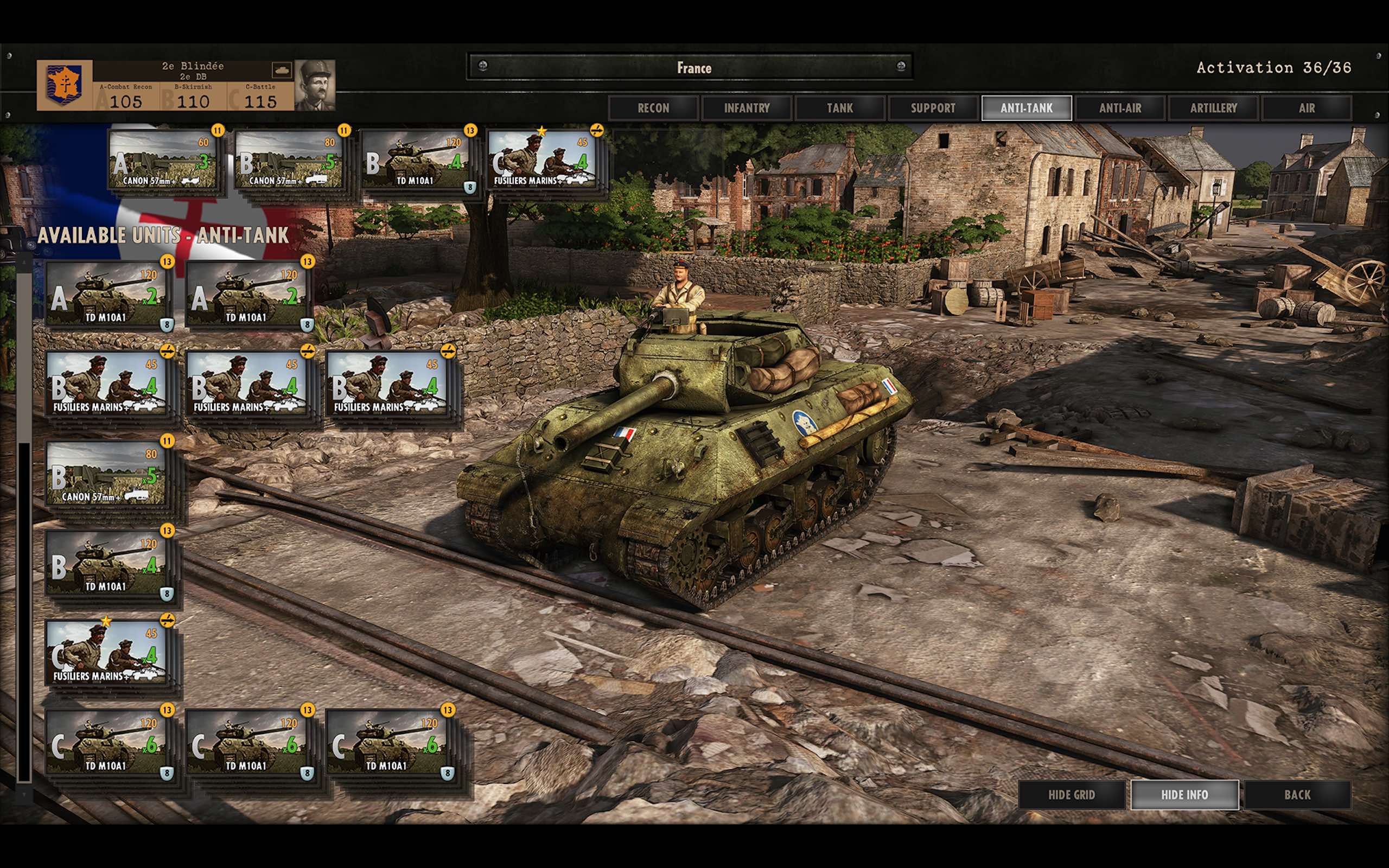
Originally a benchmark for PC real-time strategy (RTS), Company of Heroes on iOS is a masterclass in how to port a complex interface to touchscreens. Set during World War II, the game moves away from the "base-building" focus of older RTS titles and emphasizes squad-based tactics and environmental utilization.
The strategic depth lies in the Directional Cover System. Unlike many mobile games where units simply have a health bar, units in Company of Heroes are highly susceptible to positioning. Placing a rifleman squad behind a stone wall provides heavy cover, while being caught in an open field is a death sentence. In 2026, the game remains the gold standard for tactical realism on iOS.
Key Strategic Elements:
- Resource Management: You secure resources by capturing points on the map, forcing a constant tug-of-war for territory rather than passive mining.
- Combined Arms: Tanks are powerful but vulnerable to rear-armor hits and anti-tank infantry; success requires a balanced force.
- Destructible Environments: Artillery can level the buildings your enemy is hiding in, permanently altering the tactical map.
2. Sid Meier’s Civilization VI
Civilization VI is the definitive grand strategy experience on iOS. It tasks you with leading a civilization from the Stone Age to the Information Age (and beyond into the Future Era). The transition to iOS is seamless, especially on the iPad, where the "one more turn" loop is perfectly suited for mobile play.
The introduction of Districts in this iteration changed the strategy fundamentally. You can no longer stack every building in a single city center; you must plan your urban sprawl across the hex-based map. This adds a layer of geographic strategy: Do you place your Campus near the mountains for a science boost, or save that space for a Holy Site?
Strategic Depth:
- Casus Belli: You cannot simply declare war without consequences. You must manage your "Grievances" and find legitimate reasons for conflict to avoid international diplomacy penalties.
- Climate Change: As you enter the industrial era, your carbon footprint affects the global sea levels, requiring late-game strategic pivots to flood barriers or green energy.
3. Total War: Medieval II
Feral Interactive’s port of Total War: Medieval II brings thousands of units onto the screen simultaneously. It is a dual-layered game: a turn-based campaign map for empire management and real-time tactical battles for the actual combat.
The strategy here is about Scale and Morale. You aren't just managing health points; you are managing the psychological state of your knights and peasants. A well-timed cavalry charge into the flank of an enemy line can cause a "rout," winning you a battle against a much larger force. In the 2026 mobile landscape, the sheer technical achievement of rendering these massive battles on an iPhone remains breathtaking.
Strategic Considerations:
- Religion and Diplomacy: Navigating the whims of the Pope (if playing a Catholic faction) adds a layer of political strategy that can limit your military options.
- Siege Warfare: Taking a fortified castle requires specific equipment and a multi-stage plan to breach walls and gates.
4. XCOM 2 Collection
If your strategy style leans toward "punishingly difficult squad tactics," XCOM 2 Collection is the essential choice. You lead a guerrilla resistance against an occupying alien force. Every move is a gamble based on percentages and RNG (random number generation).
The "War" in XCOM 2 is two-fold. There is the Tactical Layer, where you move soldiers behind cover and set up "Overwatch" ambushes, and the Strategic Layer, where you manage the "Avenger" (your mobile base), research alien tech, and prevent the global "Avatar Project" from reaching completion.
Why it Tests Your Skills:
- Permadeath: If a soldier you’ve spent ten hours leveling up dies, they are gone forever. This raises the stakes of every tactical decision.
- Procedural Maps: You can rarely rely on memorizing a map; you must adapt your tactics to the terrain generated for each mission.
5. Northgard
Northgard is a unique blend of RTS and 4X elements based on Norse mythology. While it involves war and conquest, the environment is often your deadliest enemy. You must manage your Viking clan’s growth while preparing for the brutal winters of the North.
Strategy in Northgard is about Efficiency and Resilience. Unlike traditional war games where you can produce endless units, your population in Northgard is limited. Assigning a villager to be a warrior means they aren't gathering food or wood. This "opportunity cost" is the core of the game's strategic challenge.
Key Features:
- Victory Conditions: You can win through Fame, Lore, Trading, or Conquest, allowing for non-violent strategic paths.
- Winter Survival: Every in-game year, winter arrives, reducing food production and increasing wood consumption. Failure to plan for this will decimate your army before the enemy even arrives.
6. Unity of Command II
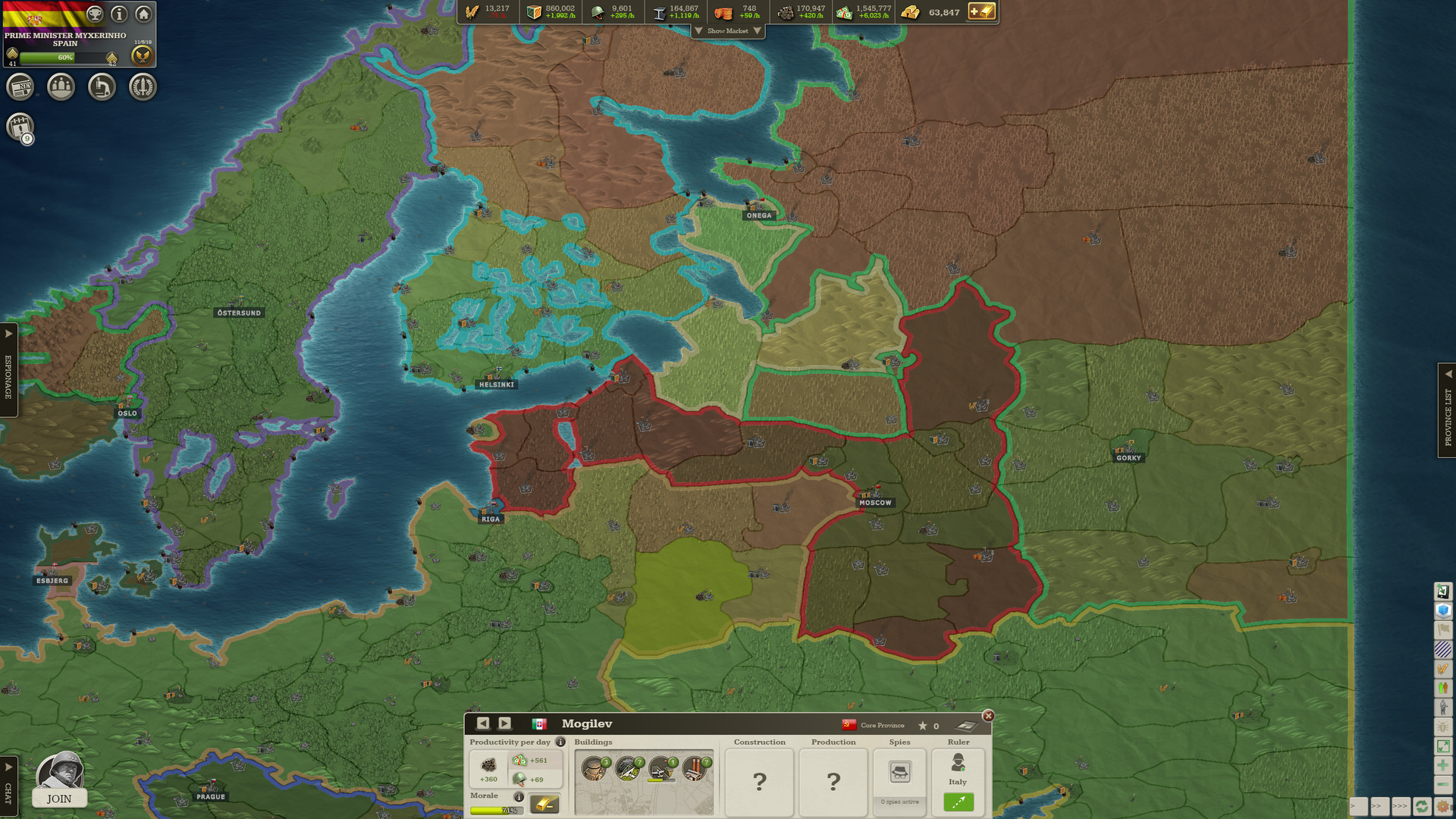
For those who want a "pure" wargame experience, Unity of Command II focuses on the most overlooked aspect of war: Logistics. Set during the Western Front of WWII, you command Allied forces, but your primary concern isn't just shooting—it's the supply line.
If your tanks outrun their fuel trucks, they become stationary targets. If your infantry is cut off from a railhead, they lose their combat effectiveness. This game forces you to think like a General Staff officer rather than a frontline commander.
Strategic Focus:
- Supplies: Managing the "flow" of supplies from your headquarters to the front.
- Fog of War: Intelligence and recon are vital; charging into the unknown is the fastest way to lose a division.
7. Iron Marines Invasion
Developed by Ironhide Game Studio (the creators of Kingdom Rush), Iron Marines Invasion is a mobile-first RTS. While the graphics are stylized and colorful, the strategic depth is significant. It is designed for shorter sessions but requires quick thinking and unit micro-management.
The "Invasion" sequel expanded the scope to multiple planets, each with different environmental hazards. The core mechanic involves swapping unit roles on the fly—changing your rangers into snipers or your mechs into defensive turrets—to counter the specific enemies you are facing.
Tactical Nuance:
- Hero Units: Managing a powerful hero with unique abilities can turn the tide of a skirmish.
- Limited Unit Cap: You cannot "zerg rush" the enemy; you must use a small, specialized force with surgical precision.
8. The Battle of Polytopia
The Battle of Polytopia proves that strategy doesn't need complex 3D graphics to be deep. This low-poly, turn-based game is essentially a "distilled" version of Civilization. It is easy to learn but incredibly difficult to master at the highest competitive levels.
The strategy involves a tight Tech Tree and map control. Because the maps are small and the turns are limited (in "Perfection" mode), every single action counts. One wasted movement in the early game can lead to a total collapse ten turns later.
Why it’s a Top Strategy Game:
- Tribal Diversity: Each tribe starts with a different technology, forcing you to adapt your early-game strategy based on your starting perk.
- Simplicity vs. Depth: The lack of "filler" mechanics means the focus remains entirely on positioning and resource allocation.
Comparison of Top iOS War Games (2026 Data)
| Game Title | Primary Genre | Business Model | Offline Play | Hardware Requirement (Rec.) |
|---|---|---|---|---|
| Company of Heroes | Real-Time Tactics | Premium | Yes | A14 Bionic / M1 or later |
| Civilization VI | Grand Strategy (4X) | Free-to-try / DLC | Yes | M1 / M2 Chip (for late-game) |
| Medieval II: Total War | Grand Strategy / RTS | Premium | Yes | A13 Bionic or later |
| XCOM 2 Collection | Turn-Based Tactics | Premium | Yes | A14 Bionic / M1 or later |
| Northgard | RTS / Survival | Premium + DLC | Yes | A12 Bionic or later |
| Unity of Command II | Operational Wargame | Premium | Yes | A15 Bionic or later |
| Iron Marines Invasion | Mobile RTS | Premium / IAP | Yes | A12 Bionic or later |
| Battle of Polytopia | Turn-Based Strategy | Free / IAP Tribes | Yes | Most modern iOS devices |
Technical Considerations for iOS Strategy Gaming
In 2026, playing high-end war games on iOS requires more than just a passing interest; it requires the right hardware. Many of the games listed above, particularly Civilization VI and XCOM 2, are CPU-intensive. During the late stages of a "Civ" game, the processor must calculate the moves for dozens of AI leaders, which can lead to significant battery drain and thermal throttling on older devices.
For the best experience, an iPad Pro or iPad Air with an M-series chip is recommended. These chips handle the massive data tables and AI logic much more efficiently than the standard A-series chips found in older iPhones. Furthermore, the larger screen of an iPad is almost mandatory for games like Medieval II: Total War, where selecting individual units in a crowded melee requires precision that a 6.1-inch phone screen struggles to provide.
The Role of Touch Controls vs. External Input
While all these games are optimized for touch, the 2026 iOS ecosystem fully supports keyboard and mouse input. For Company of Heroes and Northgard, using a Bluetooth mouse can provide a competitive edge in "Actions Per Minute" (APM). However, the developers at Feral Interactive have revolutionized touch-based "Command Wheels" and gesture-based selections, making the transition from mouse to finger surprisingly intuitive.
Frequently Asked Questions
Can I play these games without an internet connection?
Most premium war games on iOS, including Company of Heroes, Medieval II, and XCOM 2, are designed for offline play. Once the initial assets are downloaded, you do not need a persistent connection to play the single-player campaigns. This makes them ideal for travel. However, multiplayer modes and cloud save syncing will require a connection.
Do these games have aggressive microtransactions?
The games featured in this list are primarily "Premium" titles. This means you pay an upfront cost for the full game. While some, like Civilization VI and Northgard, offer expansions or additional factions via In-App Purchases (IAP), these are traditional "Expansion Pack" models rather than the "Pay-to-Win" mechanics found in many free-to-play mobile titles.
Will these games drain my battery quickly?
Yes. High-fidelity strategy games are among the most power-hungry apps on the App Store. Because they require constant CPU usage for AI and GPU usage for rendering large armies, you can expect a significant hit to battery life. It is recommended to play with a charger nearby or use "Low Power" settings within the game's options menu if available.
Is a controller necessary for iOS war games?
Generally, no. Unlike first-person shooters or racing games, strategy games rely on "point and click" or "drag and drop" interactions. Touchscreens are naturally suited for this. While some games support controllers, the interface is almost always more efficient using touch or a mouse.
Which game is best for a total strategy beginner?
The Battle of Polytopia is the best starting point. Its mechanics are transparent, the UI is clean, and it introduces the concepts of resource management and "fog of war" without the overwhelming complexity of a game like Unity of Command II.
Final Recommendation: Selecting Your Theater of War
To truly test your strategy skills, your choice should depend on the type of pressure you enjoy. If you want the pressure of a ticking clock and the need for rapid reflexes, Company of Heroes is the gold standard for real-time tactics. If you prefer the intellectual challenge of managing a global empire over centuries, Civilization VI remains peerless in its depth.
For those looking for something specifically built for the mobile format that doesn't sacrifice complexity, Iron Marines Invasion offers a perfect balance of tactical depth and "pick-up-and-play" convenience. Regardless of your choice, the 2026 iOS library ensures that you no longer need a desktop PC to be a master strategist.