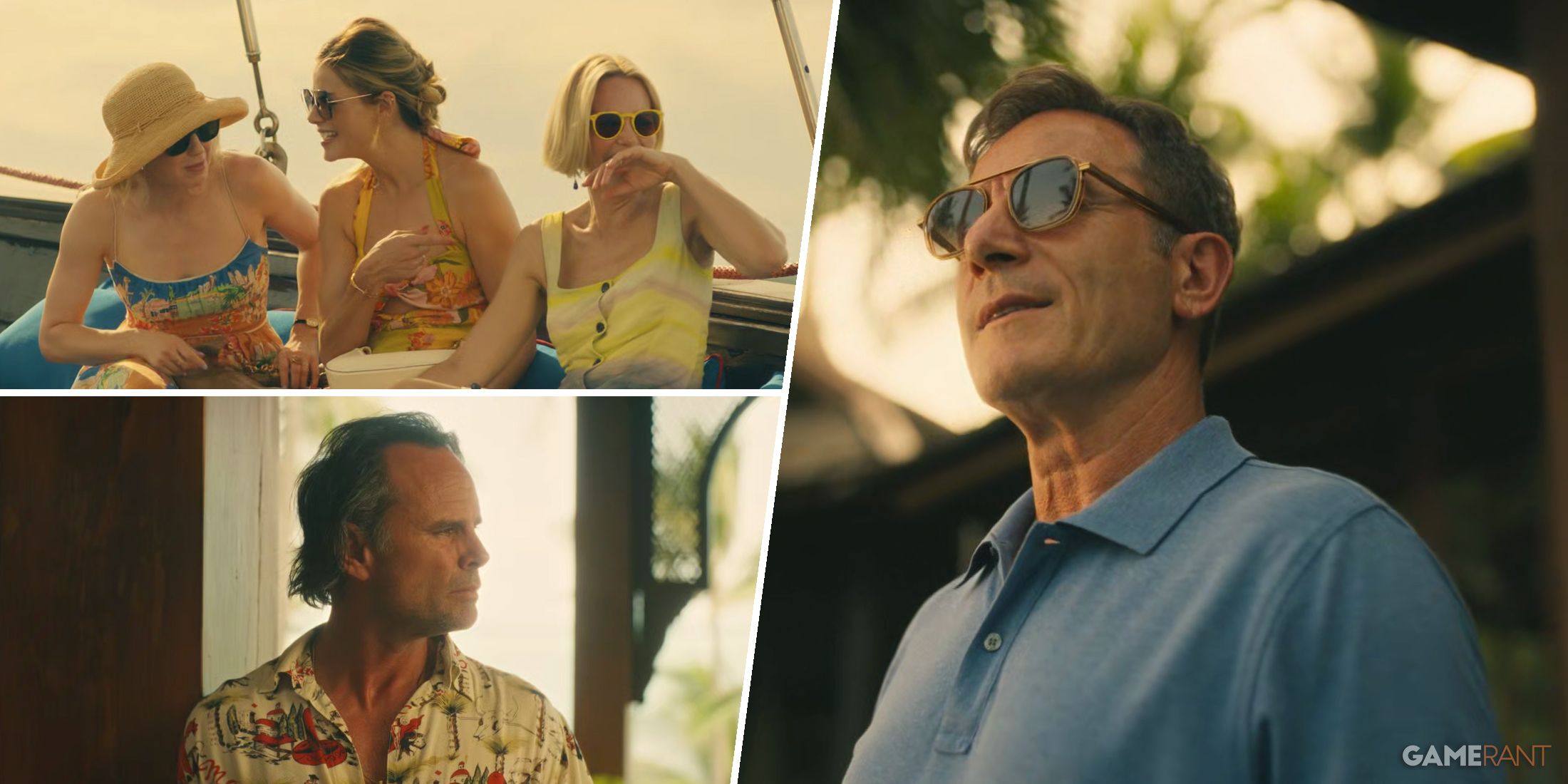
Mark Mossbacher, portrayed by actor Steve Zahn, stands as the definitive "dad" of The White Lotus Season 1. In the seven-year span between 2019 and 2026, Zahn’s career underwent a significant transformation, evolving from a period of character-actor consistency into a full-scale cultural resurgence often referred to as the "Zahnaissance," fueled by his vulnerable and comedic performance in Mike White’s hit HBO series.
The Archetype of Mark Mossbacher: A Study in Mid-Life Vulnerability
To understand why the "dad from The White Lotus Season 1" remains a cultural touchstone in 2026, one must first deconstruct the character of Mark Mossbacher. When viewers first met Mark in the summer of 2021, he represented a specific, modern iteration of the American patriarch: wealthy, well-meaning, but profoundly emasculated by his own insecurities and the towering corporate success of his wife, Nicole (played by Connie Britton).
Mark’s narrative arc in the first season is defined by two major crises. The first is a literal and physical manifestation of his anxiety—a suspected case of testicular cancer, famously referred to in the show as "scrotal swelling." This plot point, while played for uncomfortable laughs, served as a gateway into Mark’s deeper existential dread. He was a man obsessed with his own mortality and his legacy, yet he felt largely invisible to his teenage children, Olivia and Quinn.
The second crisis is the discovery of a family secret: Mark’s father did not die of cancer as he had been told, but of complications from AIDS, having lived a secret double life. This revelation shattered Mark’s foundational understanding of masculinity and his relationship with his own past. Throughout the seven-year period leading up to 2026, critics have frequently cited this storyline as the moment The White Lotus transitioned from a simple satire into a profound exploration of inherited trauma and the fragility of the male ego.
The Zahnaissance: Steve Zahn’s Seven-Year Arc (2019–2026)
The trajectory of Steve Zahn’s career from 2019 to 2026 serves as a fascinating case study in how a prestige television role can revitalize a veteran actor's profile. Before The White Lotus, Zahn was widely respected for his work in 90s classics like Reality Bites and That Thing You Do!, as well as his role as the father in the Diary of a Wimpy Kid franchise. However, the last seven years have seen him move into a new tier of dramatic weight.
2019–2020: The "Dad" Foundation
In the two years preceding the premiere of The White Lotus, Zahn was already leaning into fatherly roles, albeit in more traditional formats. He played the supportive and quirky father in the Netflix film Tall Girl (2019) and the short-lived series The Healing Powers of Dude (2020). During this time, Zahn lived a relatively quiet life on his farm in Lexington, Kentucky, a lifestyle choice that has long defined his "everyman" appeal. These years were the calm before the storm, establishing him as a reliable presence in the "family man" niche before Mike White subverted that image.
2021: The White Lotus Breakout
The premiere of The White Lotus in July 2021 changed the conversation. Zahn’s performance as Mark Mossbacher was lauded for its "cringe-inducing honesty." Unlike his previous "dad" roles, Mark was allowed to be deeply flawed, sexually frustrated, and emotionally volatile. The scene in which Mark attempts to bond with his son Quinn (Fred Hechinger) while grappling with his father's secrets remains one of the most discussed television moments of the decade. This year marked the official start of the "Zahnaissance."
2022–2024: Diversification and Prestige
Following the success of The White Lotus, Zahn utilized his newfound momentum to take on darker, more complex roles. In late 2022, he appeared in the limited series George & Tammy, playing George Richey. This role was a sharp departure from Mark Mossbacher; Richey was a more calculating, less sympathetic figure, allowing Zahn to showcase a range that went beyond the "lovable loser" archetype.
By 2023, Zahn joined the cast of The Righteous Gemstones for its third season as Peter Montgomery, a militia-leading, estranged father figure. This role further solidified his status as the go-to actor for complex patriarchs—men who are either trying too hard or failing spectacularly to hold their families together.
2025–2026: The Current Landscape
As of 2026, Steve Zahn is viewed as a "prestige veteran." He has successfully navigated the transition from the "indie goofball" of his youth to the "complex father" of his late 50s. His work in the last seven years has been characterized by a willingness to embrace the unglamorous aspects of aging and masculinity. He remains a fixture in the Mike White cinematic universe and continues to be a top choice for directors looking for a combination of impeccable comedic timing and raw emotional transparency.
Comparing the "White Lotus" Patriarchs
As the series progressed into its second and third seasons, the "Dad" archetype established by Mark Mossbacher served as a benchmark for subsequent characters. The following table compares Mark with the primary father figures of the later seasons, illustrating how the show’s exploration of masculinity evolved.
| Character | Actor | Season | Primary Conflict | Masculinity Archetype |
|---|---|---|---|---|
| Mark Mossbacher | Steve Zahn | Season 1 (Hawaii) | Health scare; Father's secret life | The Vulnerable/Emasculated Dad |
| Dominic Di Grasso | Michael Imperioli | Season 2 (Sicily) | Sex addiction; Generational trauma | The Penitent/Womanizing Dad |
| The Patriarch | (Confidential) | Season 3 (Thailand) | Spiritual crisis; Legacy and wealth | The Existential/Searching Dad |
The Enduring Legacy of Mark and Quinn’s Relationship
One of the most significant reasons "the dad from Season 1" remains relevant seven years into this era is the specific chemistry between Zahn and Fred Hechinger. In a show filled with cynical characters and transactional relationships, the bond that eventually forms between Mark and his son Quinn is one of the few genuine emotional anchors.
The "bonding" scenes—ranging from awkward scuba diving lessons to silent moments on the beach—provided a roadmap for how fathers and sons navigate the divide between traditional masculine expectations and the modern reality of emotional sensitivity. By 2026, these scenes are frequently used in media studies to discuss the "softening" of the television patriarch. Mark’s eventual acceptance of his father’s identity and his own shortcomings allowed Quinn to find his own path, a rare "happy ending" in the otherwise biting world of The White Lotus.
Technical Performance and Direction
From a technical standpoint, Zahn’s performance in The White Lotus was a masterclass in physical comedy and micro-expressions. Director Mike White frequently used close-ups on Zahn to capture the "internal processing" of a man who is constantly overwhelmed by his environment. Whether it was the wide-eyed panic of a medical diagnosis or the slack-jawed shock of a family dinner, Zahn’s ability to convey a character’s entire internal monologue without speaking became a hallmark of the series.
The cinematography of Season 1 emphasized Mark’s isolation within the family unit. He was often framed in wide shots, looking small against the vast Hawaiian landscape or the opulent resort architecture. This visual storytelling reinforced his feeling of insignificance, making his eventual emotional breakthroughs feel earned rather than forced.
Frequently Asked Questions
Who played the dad in White Lotus Season 1?
The character, Mark Mossbacher, was played by veteran actor Steve Zahn. Zahn is known for a long career in both film and television, but his role in The White Lotus is considered one of his most transformative and critically acclaimed performances.
What was the "scrotal swelling" plotline about?
Mark Mossbacher spends the early episodes of Season 1 convinced he has testicular cancer due to physical swelling. This plotline is used as a comedic device to explore his health anxiety and his obsession with his own masculinity. It eventually leads to a deeper conversation about his father’s health and secrets.
How did Mark’s father die in the show?
Mark originally believed his father died of cancer. However, he discovers through his wife’s research and family records that his father actually died of complications from AIDS and had been living a secret life as a gay man. This discovery is a major turning point for Mark’s character development.
What has Steve Zahn done since White Lotus Season 1?
Since the show premiered in 2021, Steve Zahn has appeared in several high-profile projects, including the musical drama George & Tammy (2022), the dark comedy The Righteous Gemstones (2023), and various independent films. By 2026, he has become a staple of prestige television, specializing in complex, multi-dimensional father roles.
Why is Mark Mossbacher considered a "meme" character?
Mark became a meme due to his relatable, albeit extreme, mid-life crisis antics and Steve Zahn’s expressive physical acting. His "dad energy"—a mix of awkwardness, sincerity, and occasional cluelessness—resonated with audiences and led to numerous viral clips on social media platforms.
Summary of the "Dad" Legacy
As we look back from the vantage point of 2026, "the dad from The White Lotus Season 1" is more than just a character; he is the blueprint for the modern prestige TV patriarch. Steve Zahn’s performance provided a nuanced look at a man struggling to find his place in a world that no longer requires traditional masculine stoicism. By embracing vulnerability, humor, and even humiliation, Mark Mossbacher became a character that audiences didn't just laugh at, but ultimately rooted for.
For those looking to revisit the series or explore Zahn's recent work, the 2019–2026 period represents the peak of his craft. Whether he is dealing with medical scares in Hawaii or leading cult-like movements in the American South, Zahn continues to define what it means to be a "dad" in the complex landscape of 21st-century media.