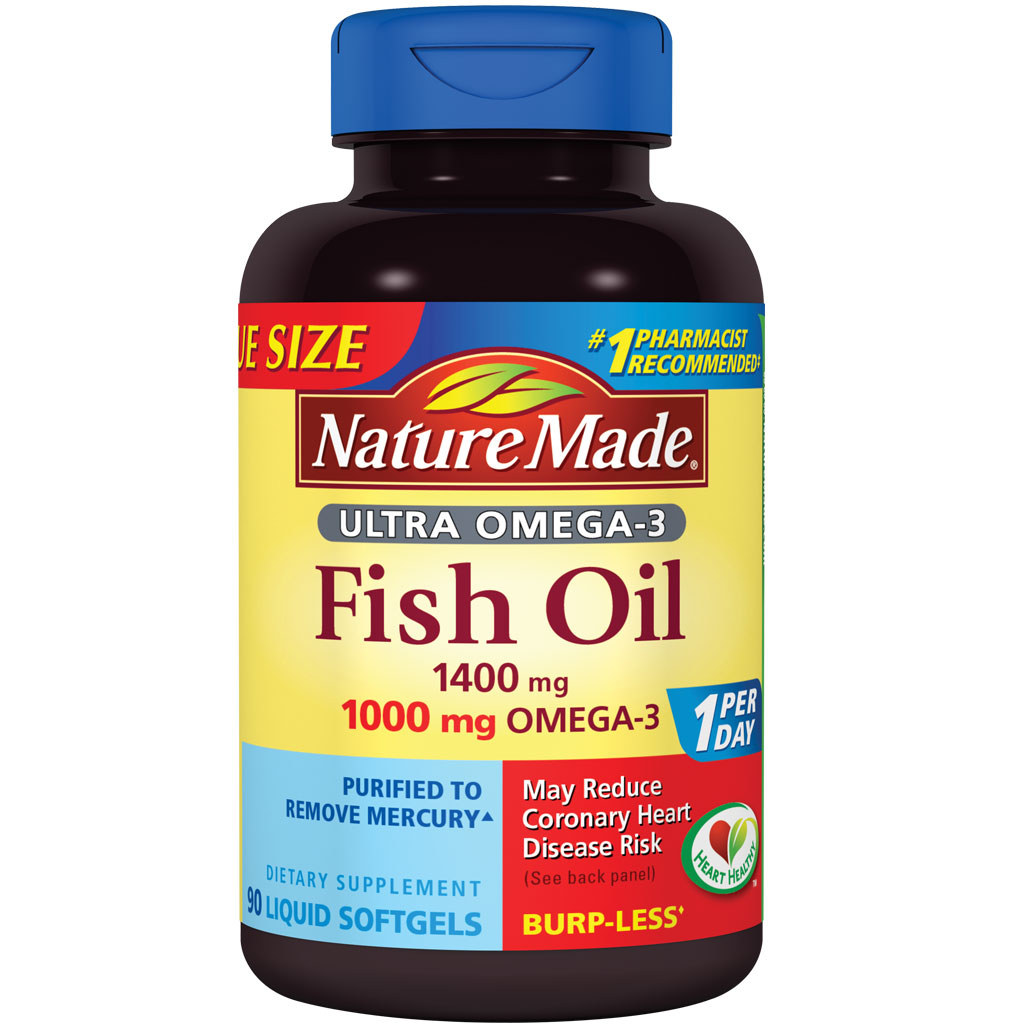
Choosing a reputable fish oil brand ensures you receive high-purity, bioavailable Omega-3 fatty acids without harmful contaminants like mercury or oxidized fats. Quality brands provide transparent third-party testing to verify that the EPA and DHA concentrations match the label, protecting your cardiovascular and neurological health from the risks of low-grade, rancid supplements.
Fish oil remains one of the most studied and widely consumed dietary supplements in 2026. Its benefits for heart health, cognitive function, and systemic inflammation are well-documented. However, the market is saturated with products ranging from premium, medical-grade oils to budget-friendly options found in big-box retailers. The disparity in price often reflects a significant disparity in safety and efficacy. Understanding why the reputation of the manufacturer matters is essential for anyone looking to improve their health without inadvertently introducing toxins into their system.
1. Purity and the Removal of Environmental Toxins
The primary concern with any marine-based product is environmental contamination. As our oceans face ongoing industrial challenges, heavy metals such as mercury, lead, and cadmium, as well as persistent organic pollutants like Polychlorinated Biphenyls (PCBs) and dioxins, accumulate in fish tissues. This process, known as biomagnification, means that larger predatory fish higher up the food chain contain significantly higher concentrations of these toxins.
Reputable brands prioritize sourcing from small, cold-water fish like anchovies, sardines, and mackerel, which have shorter lifespans and naturally lower levels of contaminants. Beyond sourcing, these companies employ advanced purification techniques such as molecular distillation. This process involves heating the oil under a vacuum at low temperatures to separate the heavy metals and toxins from the beneficial fatty acids without damaging the delicate Omega-3 structures.
A low-quality brand may skip these expensive steps or use less rigorous filtration methods. Consuming a supplement contaminated with mercury or PCBs can lead to neurological damage and endocrine disruption, effectively negating any health benefits the Omega-3s might provide. When you choose a reputable brand, you are paying for the peace of mind that the oil has been stripped of the industrial legacy of the oceans.
2. Protection Against Oxidation and Rancidity
Omega-3 fatty acids, specifically Eicosapentaenoic Acid (EPA) and Docosahexaenoic Acid (DHA), are polyunsaturated fats. Their chemical structure makes them highly susceptible to oxidation when exposed to heat, light, or oxygen. When fish oil oxidizes, it becomes rancid.
Rancidity is more than just a matter of a "fishy" taste or unpleasant burps; it is a health concern. Consuming oxidized lipids can trigger inflammatory responses in the body and contribute to oxidative stress, which is the very condition many people take fish oil to prevent. Reputable brands manage this risk through meticulous "catch-to-capsule" processing. This includes:
- Nitrogen Blanketing: Displacing oxygen with nitrogen during the manufacturing and bottling process to prevent contact with air.
- Rapid Processing: Ensuring that the oil is extracted and stabilized shortly after the fish are caught.
- TOTOX Monitoring: Reputable companies measure the "Total Oxidation" (TOTOX) value. According to the Global Organization for EPA and DHA Omega-3s (GOED), a TOTOX value should ideally be below 26. Premium brands often aim for a score below 10.
Generic brands often sit in warehouses or on warm retail shelves for months without these protective measures, leading to a high probability of rancidity before the consumer even opens the bottle.
3. Guaranteed Potency of EPA and DHA
A common marketing tactic used by budget brands is to list "1,000mg Fish Oil" in large letters on the front of the label. However, the total amount of fish oil is not what matters—the concentration of EPA and DHA is the true measure of value. In many cheap supplements, a 1,000mg capsule may only contain 300mg of active Omega-3s, with the remaining 700mg consisting of generic fish fats, fillers, or saturated fats.
Reputable brands provide concentrated doses. It is common to find high-quality supplements that offer 600mg to 900mg of actual EPA and DHA per 1,000mg capsule. This high concentration allows the user to achieve therapeutic doses (often recommended between 1,000mg and 2,000mg of combined EPA/DHA per day for heart health) with fewer pills.
Furthermore, reputable brands are subject to audits that ensure the amount of Omega-3s listed on the label is actually present in the capsule. The Office of Dietary Supplements at the National Institutes of Health highlights that actual content can vary significantly from label claims in unverified products. Choosing a trusted brand ensures you are getting the dosage your healthcare provider recommended.
4. Superior Bioavailability and Molecular Form
Fish oil typically comes in two primary molecular forms: Triglyceride (TG) and Ethyl Ester (EE).
In nature, fish contain Omega-3s in the triglyceride form. During the purification and concentration process, many manufacturers convert the oil into ethyl esters by replacing the glycerol backbone with ethanol. While this makes the oil easier to process and concentrate, it is not the form the human body is biologically evolved to digest. Research suggests that the triglyceride form is significantly more bioavailable—meaning your body can absorb and utilize it more efficiently—than the ethyl ester form.
High-end, reputable brands often take the extra, costly step of converting the ethyl esters back into triglycerides (known as Re-esterified Triglycerides). While these products are more expensive, they offer better value because a higher percentage of the fatty acids actually reach your bloodstream and cells. Budget brands almost exclusively use the ethyl ester form because it is cheaper to produce, often requiring the consumer to take more of the product to achieve the same cellular levels of Omega-3s.
5. Rigorous Third-Party Testing and Certification
Self-regulation in the supplement industry is notoriously inconsistent. A reputable fish oil brand does not ask you to take their word for it; they provide evidence through third-party testing.
The most recognized standard in the industry is the International Fish Oil Standards (IFOS). A 5-star IFOS rating confirms that the product has been tested for:
- Concentration: Does it meet the label claim?
- Purity: Is it free from heavy metals and PCBs?
- Stability: Is the TOTOX value within safe limits?
- Freshness: Has the oil begun to degrade?
Other reputable certifications include those from NSF International or the United States Pharmacopeia (USP). These organizations conduct independent audits of manufacturing facilities and random product testing. If a brand does not display a third-party seal or provide a Certificate of Analysis (CoA) upon request, there is no objective way to verify the safety or quality of what is inside the capsule.
6. Sustainable Sourcing and Ethical Harvesting
As marine resources face pressure from overfishing, the sustainability of fish oil production has become a critical ethical and environmental issue. Reputable brands are transparent about where their fish are caught and the methods used to harvest them.
Many top-tier companies partner with organizations like the Marine Stewardship Council (MSC) or Friend of the Sea. These certifications ensure that the fish are sourced from well-managed fisheries that maintain healthy population levels and minimize impact on the broader marine ecosystem.
Furthermore, reputable brands often utilize "upcycled" fish parts—using the trimmings from fish already caught for human consumption—to reduce waste. In contrast, low-quality brands may source from "IUU" (Illegal, Unreported, and Unregulated) fishing operations, which contribute to the collapse of oceanic biodiversity and often involve poor labor practices. Choosing a reputable brand supports the long-term health of the oceans.
7. Transparency in Additives and Encapsulation
The quality of a fish oil supplement extends beyond the oil itself to the "other ingredients." Reputable brands are highly selective about the components of the capsule and the antioxidants used to preserve the oil.
- Antioxidants: High-quality brands use natural tocopherols (Vitamin E) or rosemary extract to prevent oxidation. Low-end brands may use synthetic preservatives.
- Encapsulation: Premium brands often use fish-derived gelatin or high-grade bovine gelatin that is free from BSE (Bovine Spongiform Encephalopathy). They also avoid the use of enteric coatings that rely on synthetic chemicals (like phthalates) to mask the smell of poor-quality, rancid oil.
- Clean Labeling: You will rarely find artificial colors (like caramel color), flavors, or hidden soy-based fillers in a reputable brand's product.
By choosing a transparent manufacturer, you avoid unnecessary chemical exposure and ensure that the supplement is compatible with your dietary needs and sensitivities.
Comparison: Reputable vs. Generic Fish Oil
| Feature | Reputable Brand | Generic/Budget Brand |
|---|---|---|
| Primary Fish Source | Small, wild-caught (anchovies, sardines) | Variable, often large predatory fish |
| Purification | Advanced molecular distillation | Basic filtration or none |
| Omega-3 Form | Triglyceride or Re-esterified TG | Ethyl Ester |
| EPA/DHA Concentration | High (60% - 90% of total oil) | Low (30% or less of total oil) |
| Third-Party Testing | IFOS, USP, or NSF Certified | Internal testing only (unverified) |
| Oxidation (TOTOX) | Strictly monitored, usually < 10-15 | Often near or above the limit of 26 |
| Sustainability | MSC or Friend of the Sea Certified | No certification, opaque sourcing |
Common Mistakes When Purchasing Fish Oil
Even when looking for a reputable brand, consumers often fall into traps that can diminish the effectiveness of their supplementation.
Focusing on "Total Omega-3" vs. EPA/DHA Breakdown The "Total Omega-3" figure on a label can be misleading. It may include Alpha-Linolenic Acid (ALA) from plant sources or other less-studied fatty acids. For cardiovascular and cognitive health, the specific amounts of EPA and DHA are the most critical. Always check the "Supplement Facts" panel for the individual breakdown of these two components.
Buying in Excessive Bulk While it is tempting to buy a 500-count bottle to save money, fish oil has a limited shelf life. Even the best brands will eventually oxidize once the bottle is opened and exposed to air repeatedly. In 2026, it is recommended to buy 30-day to 60-day supplies and store them in a cool, dark place (or the refrigerator) to maintain peak freshness.
Ignoring the "Fishy Burp" Warning Sign Many people assume that "fishy burps" are a natural side effect of taking fish oil. In reality, frequent or severe fishy aftertaste is often a sign that the oil is already rancid. Reputable brands that use fresh, low-TOTOX oil rarely cause this issue. If a brand uses heavy flavoring (like extreme lemon or orange) to hide the taste, it may be masking an inferior product.
Frequently Asked Questions
Is it better to get Omega-3 from fish or supplements?
While whole fish provides additional nutrients like selenium and Vitamin D, supplements from reputable brands offer a concentrated, purified dose of EPA and DHA without the risk of mercury found in frequent whole-fish consumption. For those targeting specific health conditions, the standardized dosage of a supplement is often more reliable than the variable content in food.
How can I tell if my fish oil has gone bad?
The most reliable indicators are smell and taste. Fresh fish oil should have a very mild, slightly salty aroma, but it should not smell "stinky" or like rotting fish. If you break open a capsule and the oil tastes bitter or extremely pungent, it has likely oxidized and should be discarded.
Why are some fish oils much more expensive than others?
The price difference usually accounts for the cost of molecular distillation, third-party certification fees, and the process of converting the oil back into a bioavailable triglyceride form. Additionally, sustainable harvesting practices are more labor-intensive and costly than industrial mass-fishing.
Does "Pharmacist Recommended" mean a brand is reputable?
Not necessarily. This is often a paid marketing claim. Look for objective, third-party certifications like the IFOS 5-star rating or the USP Verified mark rather than vague marketing slogans.
Are vegan (algal) oils as good as fish oil?
Algal oil is an excellent alternative and is often what the fish themselves eat to get their Omega-3s. High-quality algal oil brands are just as reputable as fish oil brands and are naturally free from many marine contaminants. They are particularly effective for obtaining DHA.
Final Recommendation
When selecting a fish oil supplement in 2026, prioritize transparency over price. A reputable brand is characterized by its willingness to share third-party lab results, its commitment to the triglyceride form for better absorption, and its adherence to strict sustainability standards. To take the next step, visit the International Fish Oil Standards (IFOS) website to search for your current brand and verify its latest batch test results. If your brand is not listed or fails to meet these criteria, consider switching to a certified manufacturer to ensure your supplement is supporting, rather than hindering, your long-term health.