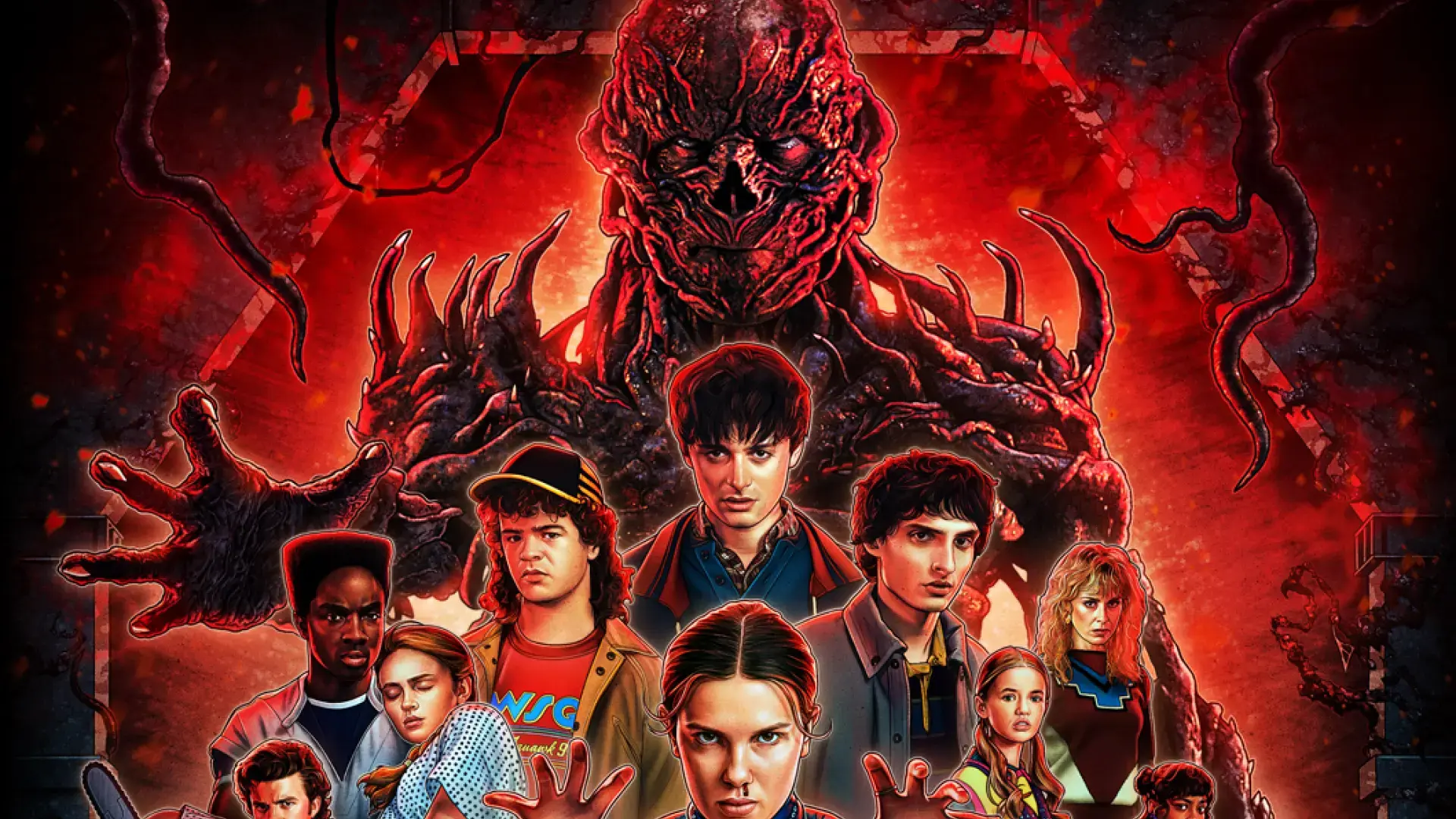
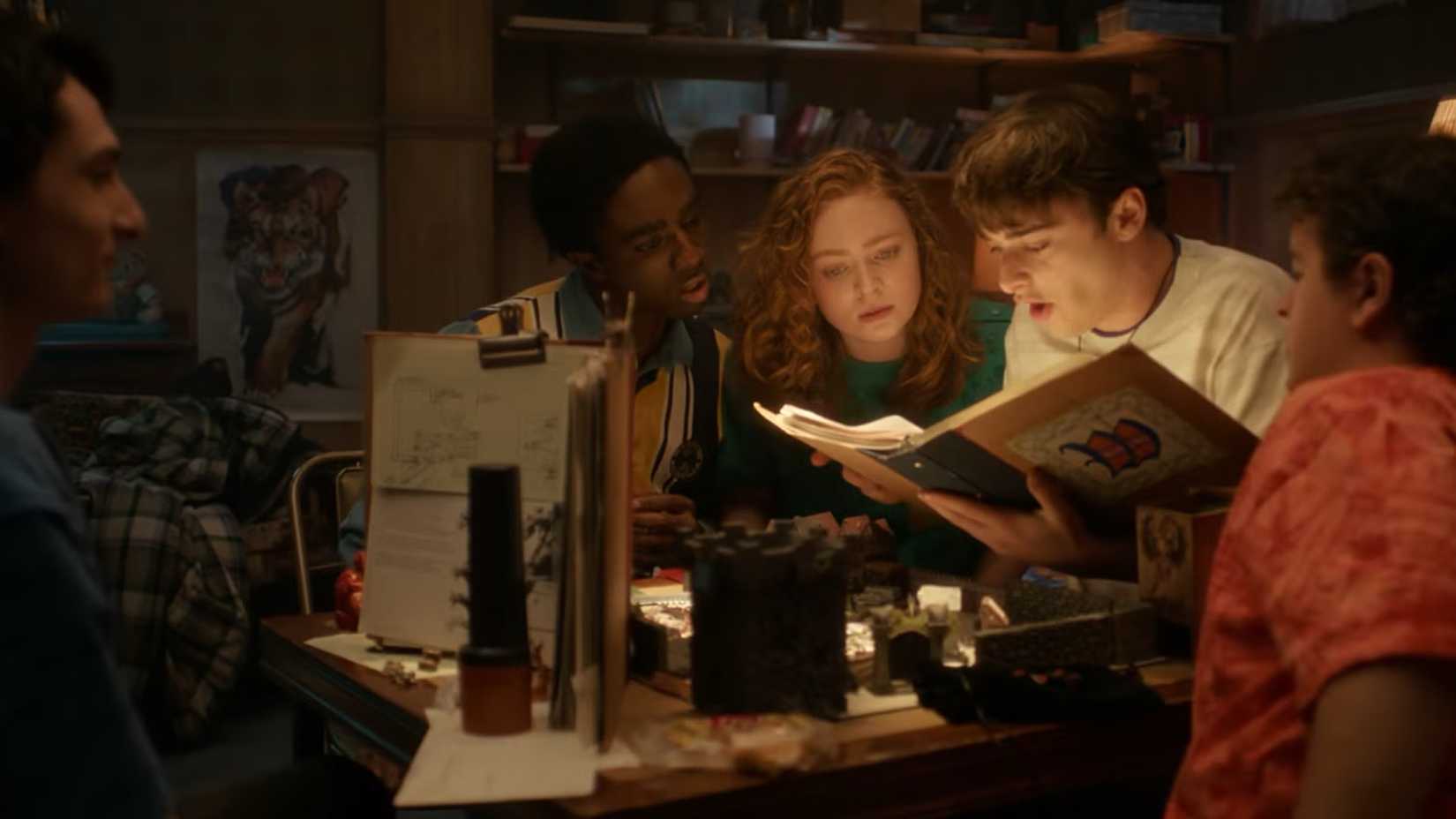
The phrase "AMC Stranger Things finale" is a popular piece of internet fiction and alternate-media speculation rather than a factual television broadcast. Netflix owns and produces Stranger Things, meaning no AMC network finale exists; however, examining why this crossover concept persists reveals fascinating insights into how audiences analyze television blockbusters, franchise branding, and the modern entertainment landscape.
Deconstructing the "AMC Stranger Things Finale" Myth
In the digital era, fan theories, platform-crossover memes, and speculative rumors frequently blur the lines between actual production facts and internet fiction. When users search for terms involving "AMC Stranger Things finale," they are often exploring hypothetical scenarios, misremembering network partnerships, or reacting to viral mock trailers. Understanding the origin of these misconceptions requires separating verified streaming realities from creative fan culture.
Stranger Things is a flagship original series created by the Duffer Brothers, developed exclusively for Netflix, and produced by Monkey Massacre Productions and 21 Laps Entertainment. AMC Networks, on the other hand, is an entirely separate cable and streaming entity known for prestige dramas like Mad Men, Breaking Bad, and The Walking Dead. No licensing agreement, corporate merger, or co-production deal has ever placed Stranger Things on AMC.
Despite this clear corporate boundary, the mental association between AMC and epic television finales runs deep in popular culture. Viewers often group major pop-culture milestones together, applying the cinematic prestige and cultural event status associated with historic AMC series conclusions to the anticipated cultural footprint of the final season of Stranger Things. This conceptual blending fuels search trends, fan art, and speculative discussions across social media platforms.
The Reality of Stranger Things Production and Distribution
To fully appreciate why a cross-network finale does not exist, it helps to examine how major streaming properties manage their intellectual property. Netflix maintains strict proprietary control over its original titles, rarely licensing major active franchises to traditional linear competitors.
Key Factors Governing Streaming Exclusivity
- Platform Ownership: Netflix funds the production costs directly, retaining worldwide distribution rights.
- Release Architecture: Episodes drop globally on a single streaming platform rather than airing weekly on a linear cable channel like AMC.
- Creative Oversight: The Duffer Brothers maintain creative control in partnership with Netflix executives, keeping production entirely within the streaming ecosystem.
- Marketing and Eventization: Netflix treats series finales as massive global streaming events, utilizing digital marketing campaigns rather than traditional television syndication rolls.
Examining these structural pillars clarifies that any narrative about an AMC-branded finale stems from creative imagination rather than industry practice. Fans who enjoy exploring alternate universes often create detailed breakdowns of how other networks might have handled the show's pacing, commercial breaks, or syndication format.
Speculative Production Notes: A Conceptual Look
While an actual AMC broadcast finale is non-existent, exploring the type of behind-the-scenes notes fans imagine for such an event offers a window into audience desires. If a prestige cable network were to hypothetically handle a massive series conclusion, certain production hallmarks typically come to mind for viewers.
| Feature Area | Netflix Streaming Model | Hypothetical AMC Cable Model |
|---|---|---|
| Pacing Structure | Variable runtimes per episode (often feature-length finales) | Strict 42-minute or 60-minute commercial time blocks |
| Release Format | Multi-episode volume drops or full-season binges | Weekly episodic rollout with post-show discussion specials |
| Censorship & Tone | Unrestricted by traditional broadcast standards and practices | Adherence to cable standards and commercial ad breaks |
| Fan Engagement | Social media algorithms and direct-to-app notifications | Live after-shows, fan panels, and dedicated cable network programming blocks |
These structural differences explain why some viewers mentally project traditional television mechanics onto streaming giants. The desire for a communal, weekly live viewing experience—something classic cable networks like AMC historically provided—often drives the creation of alternate-history production notes and fan fiction.
Common Misconceptions About Network Shifts
In the fast-paced world of entertainment news, rumors about show runners, network acquisitions, and unexpected cancellations spread rapidly. Discerning verified production facts from internet myths requires looking at primary sources, trade publications, and official studio announcements.
- The Syndication Rumor: Some viewers confuse streaming availability with linear syndication, assuming older seasons might migrate to cable networks like AMC after a set window. While some streaming shows eventually secure physical media or syndication deals, flagship titles like Stranger Things remain tightly anchored to their original platform.
- The Studio Confusion: Viewers sometimes confuse production studios with distribution networks. Because various independent production companies collaborate with streaming platforms, credits at the end of episodes can spark confusion regarding who actually owns and broadcasts the final product.
- Viral Marketing Parodies: Talented video editors frequently produce high-quality mock trailers featuring network watermarks, retro station identification bumpers, and custom title cards. These viral assets frequently circulate without context, leading casual observers to mistake fan creations for official programming announcements.
The Cultural Impact of Series Finales on Modern Television
Whether a show airs on a premium cable network or streams globally, the conclusion of a generational pop-culture phenomenon carries immense weight. The cultural discourse surrounding how a story wraps up often overshadows the production details themselves.
Audiences invest years into complex mythologies, character arcs, and speculative theories. When a major title approaches its final chapter, the collective anticipation creates a fertile ground for imaginative crossovers, alternate endings, and hypothetical network comparisons. Fans enjoy dissecting how different creative environments might alter the tone, visual style, or emotional resonance of a narrative climax.
Ultimately, recognizing the distinct boundaries between streaming services and traditional cable networks helps ground these creative discussions in industry reality while still acknowledging the playful imagination of the fan community.
Frequently Asked Questions
Is there an official AMC Stranger Things finale?
No. Stranger Things is an original production created exclusively for Netflix. AMC Networks has no ownership, broadcasting rights, or creative involvement with the series. Any claims or notes regarding an AMC finale originate from internet fiction, fan art, or speculative media.
Why do people associate Stranger Things with AMC?
The association typically stems from cultural blending. AMC is famous for handling major prestige television conclusions, leading fans and meme creators to juxtapose the scale of Stranger Things with classic cable drama formats.
Where can I watch the actual Stranger Things final episodes?
All official episodes, seasons, and concluding chapters of Stranger Things stream exclusively on Netflix worldwide. Viewers must have an active subscription to the platform to access the series.
Do streaming shows ever move to cable networks like AMC?
While older television series occasionally transition from streaming platforms to syndication or cable channels years after completion, active flagship streaming originals rarely migrate to traditional linear competitors while their cultural footprint remains high.
How can I verify if an entertainment news rumor is true?
Always check reputable trade publications such as Variety, The Hollywood Reporter, or official press releases directly from the production studio and streaming platform rather than relying on unverified social media posts or viral mockups.
Final Recommendation
When encountering viral posts, alternate-version notes, or cross-network rumors regarding major television properties, always verify the core distribution details through official studio channels. Appreciating fan creativity is part of the modern entertainment experience, but distinguishing between verified production facts and imaginative fiction ensures a clear understanding of your favorite media.