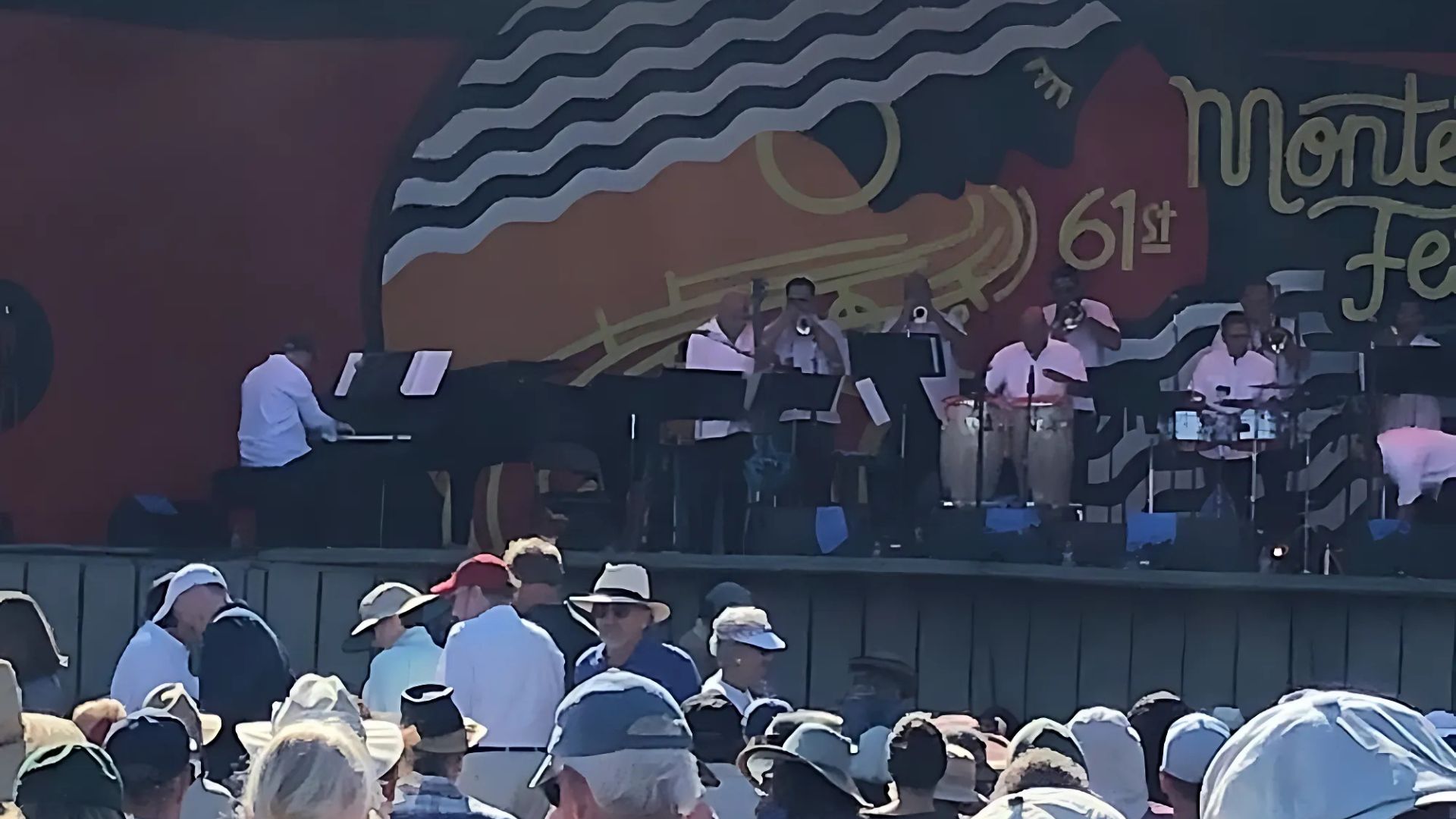
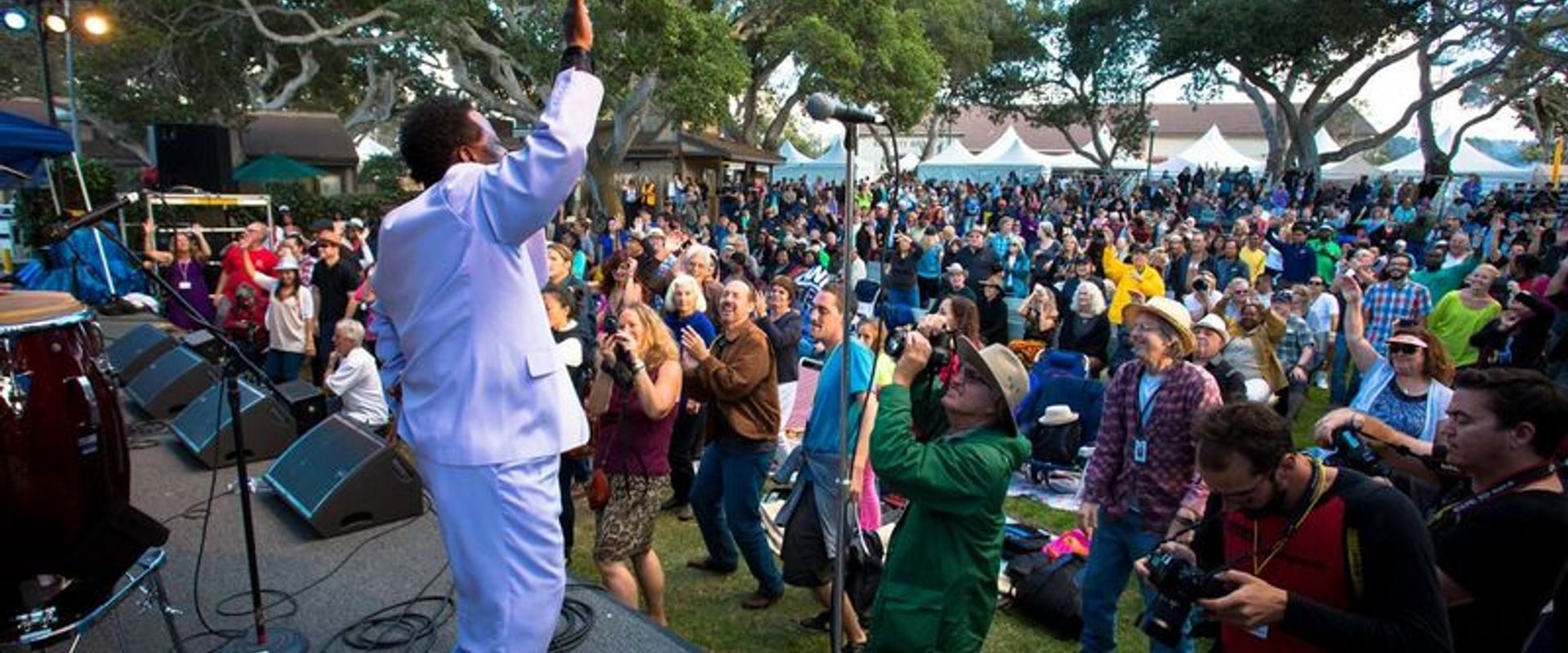
The 68th Monterey Jazz Festival (MJF) took place from September 26 to September 28, 2025, at the historic Monterey County Fair & Event Center in California. As the world’s longest-continuously running jazz event, the 2025 edition featured Artist-in-Residence Lakecia Benjamin and Showcase Artist James Brandon Lewis, offering a masterclass in modern jazz evolution.
The Monterey Jazz Festival has long been more than just a musical gathering; it is a cultural institution that serves as a barometer for the state of the art form. In 2025, the festival reached its 68th milestone, continuing a tradition that began in 1958. For three days, the 20-acre Monterey County Fairgrounds were transformed into a sprawling campus of rhythmic exploration, hosting hundreds of artists across multiple stages.
Whether you attended the event or are analyzing its impact from the perspective of 2026, understanding the logistics, artistic direction, and educational pillars of the 68th MJF is essential for grasping its significance in the global music landscape.
The Artistic Vision of the 68th Edition
The 2025 festival was characterized by a deliberate bridge between the "old guard" of jazz and the "new vanguard." Under the leadership of Artistic Director Darin Atwater, the programming emphasized genre-blurring performances while maintaining the core acoustic traditions that defined the festival’s early years under founder Jimmy Lyons.
Artist-in-Residence: Lakecia Benjamin
A central figure of the 68th festival was saxophonist Lakecia Benjamin. Her role as the 2025 Artist-in-Residence involved not only featured performances on the Jimmy Lyons Stage but also deep engagement with the Monterey Jazz Festival’s educational programs. Benjamin, known for her high-energy fusion of jazz, funk, and R&B, brought a contemporary vibrancy that resonated with younger audiences while commanding the respect of traditionalists. Her sets often paid homage to the Coltranes—John and Alice—while pushing the boundaries of spiritual jazz.
Showcase Artist and Commissioned Works
The 68th MJF highlighted James Brandon Lewis as the Showcase Artist. Lewis’s gritty, soulful tenor saxophone style anchored several sets, demonstrating why he is considered one of the most vital voices in modern jazz.
Equally significant was the 2025 Commission Artist, Miho Hazama. Since 1961, the Monterey Jazz Festival has commissioned new works from leading composers. Hazama, a world-renowned conductor and arranger, premiered a large-ensemble work that explored the intersection of chamber music and big-band swing, specifically written for the unique acoustics of the Monterey Arena.
Venue Logistics and the Fairgrounds Experience
Navigating the Monterey Jazz Festival requires an understanding of the Fairgrounds layout, which remained consistent for the 68th edition. The venue is divided into two primary experiences: the Arena (the Jimmy Lyons Stage) and the Grounds.
The Arena Experience
The Jimmy Lyons Stage is the heart of the festival. This 5,000-seat outdoor amphitheater hosts the "headline" acts. In 2025, Arena ticket holders were treated to five distinct concerts over the weekend. The acoustics in the Arena are legendary, benefiting from the coastal Monterey fog which often rolls in during the evening sets, creating a focused, intimate atmosphere despite the large crowd.
The Grounds Experience
The "Grounds" pass offered a more flexible, festival-style experience. In 2025, seven additional stages were scattered throughout the fairgrounds, including:
- The Garden Stage: An outdoor venue surrounded by trees, often featuring Latin jazz and high-energy ensembles.
- The Courtyard Stage: A smaller, more intimate space for trios and vocalists.
- The West End Stage: Usually reserved for blues and crossover acts.
- The Pacific Jazz Café: An indoor venue perfect for panel discussions, film screenings, and solo piano performances.
The 68th festival continued the tradition of "strolling" the grounds, where attendees could move between stages to discover emerging artists from the world’s top jazz conservatories.
Detailed Event Comparison: Ticket Tiers and Access
To understand the value proposition of the 68th Monterey Jazz Festival, it is helpful to look at how the ticket structure facilitated different levels of access.
| Ticket Type | Access Level | Primary Benefit |
|---|---|---|
| Full Weekend Arena | All 8 Stages + Assigned Seat | Guaranteed seating for headline acts on the Jimmy Lyons Stage. |
| Single Day Arena | All 8 Stages (Specific Day) | Access to major headliners for Friday, Saturday, or Sunday only. |
| Full Weekend Grounds | 7 Non-Arena Stages | Unlimited access to all fairgrounds music, excluding the Arena. |
| Single Day Grounds | 7 Non-Arena Stages (Specific Day) | The most affordable way to experience the festival atmosphere. |
| Premier Club | VIP Areas + Catering | Includes climate-controlled lounges, private bars, and closed-circuit TV. |
Educational Pillars and the Next Generation Jazz Festival
A defining feature of the 68th Monterey Jazz Festival was its commitment to jazz education. The festival is the culmination of a year-round effort by the MJF non-profit organization.
The Next Generation Jazz Orchestra (NGJO)
One of the highlights of the 2025 Sunday afternoon program was the performance of the Next Generation Jazz Orchestra. This ensemble, composed of the twenty premier high school jazz musicians in the United States, performed under the direction of Gerald Clayton. Many of the professional musicians on the 2025 main stages were themselves alumni of the NGJO, illustrating the festival’s role as a talent incubator.
Workshops and Clinics
Throughout the weekend, the 68th festival hosted "Jazz Legends" clinics. These sessions allowed students and amateur musicians to interact directly with performers like Lakecia Benjamin. These workshops focused on improvisation techniques, the business of music, and the historical context of the pieces being performed on the main stages.
Culinary and Cultural Offerings
The 68th Monterey Jazz Festival maintained its reputation for high-quality concessions that reflect the flavors of the Central Coast. The "Jazz Theater" and various vendor booths provided a diverse array of options.
- Regional Flavors: Notable in 2025 were the seafood offerings, including Monterey Bay clam chowder and local artichokes.
- The Craft Beer and Wine Garden: Showcasing Monterey County’s famous Pinot Noirs and Chardonnays, this area served as a social hub between sets.
- Merchandise and Art: The festival featured an extensive marketplace for vinyl collectors, instrument manufacturers, and local visual artists whose work was inspired by the jazz aesthetic.
Sustainability and Environmental Impact
By 2025, the Monterey Jazz Festival had significantly increased its sustainability initiatives. The 68th edition implemented a "Zero Waste" goal, utilizing compostable service ware and centralized sorting stations. The festival encouraged the use of public transit and bike valets to reduce the carbon footprint associated with the thousands of attendees traveling to the peninsula.
Furthermore, the 2025 program included "Green Room" discussions that linked the improvisational nature of jazz with the creative problem-solving required for environmental conservation, a topic particularly relevant given Monterey’s proximity to the National Marine Sanctuary.
Frequently Asked Questions
What were the dates for the 68th Monterey Jazz Festival?
The festival was held from September 26 to September 28, 2025. This followed the traditional schedule of the third full weekend in September, allowing the event to capitalize on Monterey's mild "Indian Summer" weather.
Who was the 2025 Monterey Jazz Festival Artist-in-Residence?
The Artist-in-Residence for the 68th edition was Lakecia Benjamin. Her residency involved performing with her own band, collaborating with the Next Generation Jazz Orchestra, and leading educational clinics throughout the festival weekend.
Can you buy "Grounds Only" tickets for the Monterey Jazz Festival?
Yes, the 68th festival offered Grounds passes in both single-day and full-weekend formats. These tickets provided access to all stages except the main Arena (Jimmy Lyons Stage), allowing fans to see dozens of world-class performances at a lower price point.
Where is the Monterey Jazz Festival held?
The festival is held at the Monterey County Fair & Event Center, located at 2004 Fairground Road, Monterey, California. This has been the home of the festival since its inception in 1958.
How does the festival support jazz education?
The Monterey Jazz Festival is a 501(c)(3) non-profit. Proceeds from the 68th festival supported year-round programs including the Next Generation Jazz Festival, the Summer Jazz Camp, and the Traveling Clinicians program, which brings professional musicians into regional schools.
Practical Recommendations for Future Attendees
While the 68th Monterey Jazz Festival has concluded, the patterns established during that year provide a blueprint for future editions. For those planning to attend the 69th festival in 2026 or beyond, consider these strategic steps:
- Book Lodging Early: Hotels in Monterey, Pacific Grove, and Carmel-by-the-Sea often reach 100% capacity six to nine months in advance of the festival weekend.
- Layer for the Weather: Monterey is famous for its microclimates. Even if the afternoon is sunny and 75°F, the temperature can drop to 50°F once the fog rolls in during the evening Arena sets.
- Prioritize the Education Stages: Some of the most exciting and innovative jazz happens on the smaller stages where student ensembles and emerging professionals perform. Do not spend all your time in the Arena; the "Grounds" offer a wealth of discovery.
- Download the Official App: The festival utilizes a dedicated app for real-time schedule updates, artist bios, and an interactive map of the fairgrounds, which was essential for navigating the 68th edition’s dense programming.
The 68th Monterey Jazz Festival 2025 stood as a testament to the resilience and vibrancy of the jazz world. By balancing its deep historical roots with a forward-looking commitment to new artists and education, it ensured that the "Monterey Sound" continues to echo globally.