Finding inexpensive home and auto insurance coverage without sacrificing necessary protection requires a strategic approach that combines bundling policies, optimizing deductibles, leveraging overlooked discounts, maintaining a strong credit-based insurance score, and shopping your policy around with multiple carriers.
Securing comprehensive protection for your home and vehicles while keeping monthly or annual premiums manageable is a primary objective for many households. Insurance markets are dynamic, influenced by regional weather risks, vehicle repair inflation, and replacement costs for residential properties. Navigating this landscape effectively demands more than accepting the first quote you see online. By understanding how insurance companies calculate risk and price their products, policyholders can systematically reduce their expenditures. This guide explores five actionable ways to find the best inexpensive home and auto insurance coverage, equipping you with the technical insights, strategic questions, and analytical tools necessary to make informed financial decisions.
1. Bundle Your Home and Auto Insurance Policies
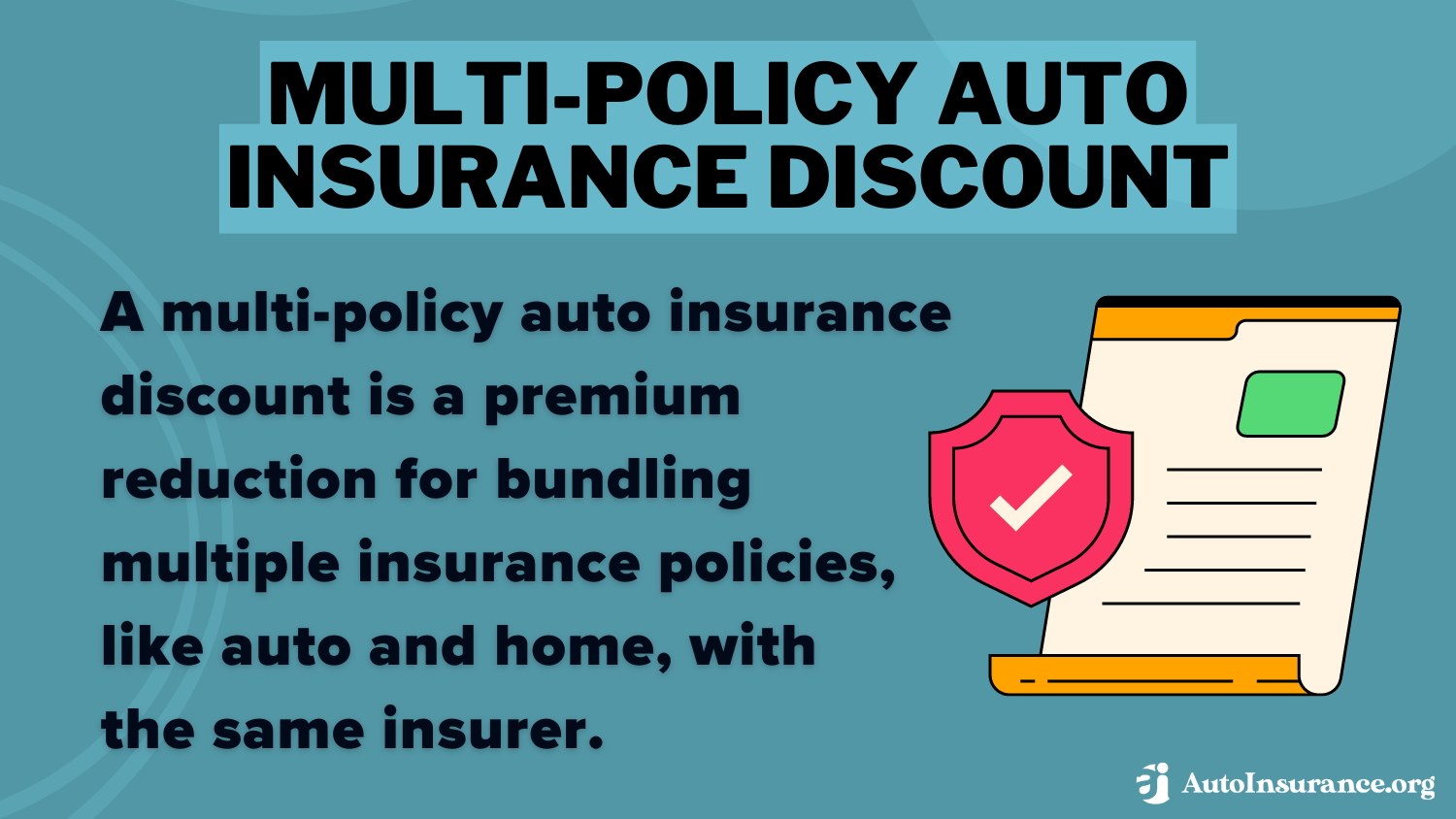
One of the most reliable and immediate ways to secure inexpensive home and auto insurance coverage is through policy bundling, also known as multi-line or multi-policy discounting. Insurance providers operate on volume and customer retention. When a single carrier manages multiple policies for one household, the administrative overhead decreases, and the insurer's overall financial risk exposure diversifies.
The Mechanics of Multi-Policy Discounts
When you purchase your homeowners or renters insurance from the same company that insures your car, truck, or motorcycle, most insurance carriers offer a substantial discount on one or both premiums. These discounts typically range anywhere from 10% to 25%, depending on the state, the insurance provider, and the total value of the combined assets.
To maximize this strategy, policyholders should look beyond the headline discount percentage and evaluate the combined final premium. A carrier offering a 20% bundle discount on an initially inflated base rate may still cost more than an unbundled competitor with lower baseline pricing. Always request side-by-side quotes for bundled versus separate policies.
When Bundling Might Not Be Best
While bundling is generally cost-effective, exceptions exist. For example, if you own a high-performance sports car alongside an older home in a high-risk flood zone, a specialized auto insurer might offer a much lower rate for the vehicle than a generalist home-and-auto carrier. Similarly, if your home has unique architectural features that require high-value specialized dwelling coverage, a dedicated property insurer might outperform a multi-line carrier. Always verify that the convenience of a single monthly bill does not outweigh significant savings found by separating specialized risks.
2. Optimize Your Deductibles and Coverage Limits
Adjusting your deductibles and reviewing your coverage limits represent foundational steps in lowering your insurance premiums. A deductible is the out-of-pocket amount you agree to pay toward a claim before your insurance coverage kicks in. Increasing your deductible shifts a portion of the financial risk from the insurer back to you, which translates directly into a reduced premium.
Calculating the True Cost of Higher Deductibles
Moving a deductible from $500 to $1,000, or from $1,000 to $2,500, can often reduce collision, comprehensive, or property premium costs by 15% to 30%. However, this adjustment requires careful cash flow planning. You must maintain an emergency fund capable of covering the higher deductible amount immediately should an unexpected accident or property loss occur.
| Deductible Level | Estimated Annual Premium Impact | Recommended Emergency Fund Buffer | Risk Profile |
|---|---|---|---|
| $500 | Baseline (Highest cost) | $1,000 | Low risk tolerance; minimal liquid savings |
| $1,000 | 10% to 15% savings | $2,000 | Moderate risk tolerance; standard savings |
| $2,500 | 20% to 30% savings | $5,000 | High risk tolerance; robust emergency fund |
Avoiding Underinsurance Pitfalls
While the goal is inexpensive coverage, cutting costs by reducing liability limits or dropping essential coverages like comprehensive and collision on an older vehicle can lead to catastrophic financial exposure. For homeowners, ensure your dwelling coverage reflects the current local cost of rebuilding your home from the ground up, not merely its real estate market value or purchase price. For auto insurance, maintain liability limits that exceed the minimum legal requirements mandated by your state to protect your personal assets from litigation following a severe accident.
3. Leverage Overlooked Disclosures and Specialized Discounts
Insurance companies offer a wide array of discounts that many policyholders fail to claim simply because they are unaware of their existence or have not provided the necessary documentation. Uncovering these hidden price reductions requires a direct conversation with your insurance agent or a thorough review of your carrier's online portal.
Home Safety and Mitigation Discounts
Insurers reward property enhancements that minimize the likelihood or severity of a loss. Common home-related discounts include:
- Security Systems: Installing monitored burglar alarms, fire alarms, or centralized smoke detectors.
- Roof Upgrades: Using impact-resistant roofing materials or securing a fortified roof certificate in regions prone to high winds, hail, or hurricanes.
- Smart Home Technology: Implementing water leak detection systems and automatic shut-off valves to prevent catastrophic pipe-burst or appliance-leak damage.
- Newer Construction: Many insurers offer substantial price breaks on homes built within the last ten to fifteen years due to updated electrical, plumbing, and structural building codes.
Auto Safety and Telematics Discounts
For vehicle coverage, discounts are frequently tied to driver behavior and vehicle safety equipment:
- Telematics and Usage-Based Insurance: Programs that track driving habits—such as speed, braking smoothness, time of day, and mileage—via a mobile app or plug-in device can yield discounts of up to 30% for safe drivers.
- Safety Features: Advanced driver-assistance systems (ADAS), anti-lock brakes, factory-installed anti-theft devices, and electronic stability control lower accident and theft risks.
- Good Student and Professional Affiliations: Discounts for college and high school students maintaining a B average or higher, as well as reduced rates for specific professions, alumni associations, or military personnel.
4. Maintain and Protect Your Credit-Based Insurance Score
In many jurisdictions, insurance companies utilize a credit-based insurance score to help determine the likelihood of a policyholder filing a claim. Distinct from a traditional credit score used for lending, an insurance score correlates credit history metrics with insurance loss behavior. Statistical analyses performed by the insurance industry indicate that individuals who manage credit responsibly statistically file fewer claims.
How Credit Affects Your Premiums
In states where the practice is legally permitted, a higher credit-based insurance score often correlates with lower premium rates, whereas a degraded score can result in significantly higher quotes. Insurers review factors such as payment history, outstanding debt amounts, length of credit history, and recent credit inquiries.
Steps to Improve Your Insurance Score
Because credit scores update continuously, taking proactive measures to improve your financial profile can directly lower your insurance bills over time:
- Monitor Credit Reports: Regularly check your credit reports for errors or fraudulent activity and dispute inaccuracies promptly.
- Pay Bills on Time: Maintain a consistent history of on-time payments for all revolving and installment accounts.
- Lower Credit Utilization: Keep your credit card balances well below your total credit limits to demonstrate responsible credit management.
- Avoid Unnecessary Inquiries: Limit applications for new credit lines unless necessary, as multiple hard inquiries can temporarily lower your score.
5. Shop and Compare Quotes Annually
Insurance markets fluctuate constantly. Rates change due to statewide regulatory approvals, localized weather disaster trends, company-specific loss ratios, and shifts in your personal life stage. Sticking with the same insurance provider out of habit or convenience often results in "loyalty penalties," where long-term customers experience gradual, unannounced rate increases over time.
The Value of Competitive Bidding
To ensure you maintain the best inexpensive home and auto insurance coverage, make it a practice to shop and compare quotes from at least three different carriers every twelve to twenty-four months. You can work with an independent insurance agent who represents multiple companies and can pull quotes across the market, or you can use digital comparison tools to evaluate direct-to-consumer options.
Key Factors to Evaluate During Comparisons
When reviewing competing quotes, avoid comparing bottom-line prices in isolation. Ensure you are evaluating identical coverage parameters:
- Deductible Amounts: Verify that comprehensive, collision, and property deductibles match across all quotes.
- Liability Limits: Confirm that bodily injury, property damage, and personal liability limits are consistent.
- Endorsements and Riders: Check whether optional coverages—such as roadside assistance, rental car reimbursement, water backup protection, or replacement cost on personal property—are included in each quote.
- Carrier Financial Strength: Review independent financial rating agencies like A.M. Best or Demotech to confirm the insurer holds a strong financial stability rating, ensuring they possess adequate capital reserves to pay out claims promptly during a widespread regional disaster.
Frequently Asked Questions
How often should I shop around for home and auto insurance?
You should review your policies and compare quotes annually, or whenever you experience a major life event such as moving, buying a new car, getting married, or completing home renovations. Regular reviews ensure your rates remain competitive and aligned with your current risk profile.
Does bundling home and auto insurance always save money?
Not always. While multi-policy discounts are common and frequently lower the combined cost, specialized standalone carriers can occasionally beat bundled rates for specific high-risk assets or unique properties. Always compare bundled rates against separate policies to verify the savings.
Will filing a minor insurance claim raise my rates?
Yes, filing even a small claim can lead to a premium increase or the loss of claims-free discounts at your next renewal period. As a general rule of thumb, it is often more cost-effective to pay for minor repairs out of pocket if the cost is close to or only slightly above your policy deductible.
What is a telematics program and is it worth joining?
A telematics program uses a smartphone app or a plug-in device to monitor your real-time driving habits, including mileage, speed, hard braking, and acceleration. If you are a safe driver who logs low annual mileage, these programs can yield significant discounts, though privacy-conscious drivers should review the data-sharing policies of each insurer.
How do I know if my home coverage limits are high enough?
Your dwelling coverage limit should equal the estimated cost to rebuild your home at current local labor and materials prices, rather than the purchase price or real estate market value. Consult with a licensed contractor or insurance adjuster to perform a dwelling replacement cost evaluation.
Conclusion and Next Actions
Finding inexpensive home and auto insurance coverage requires a balance of strategic planning, regular market comparisons, and proactive risk management. By bundling your policies, optimizing your deductibles, claiming every available discount, maintaining a strong credit profile, and shopping your coverage annually, you can secure comprehensive protection without overpaying. Start your optimization process today by requesting updated declarations pages from your current providers and comparing them against quotes from at least two independent insurance competitors.