Navigating Medicare Part C, commonly known as Medicare Advantage, requires a careful evaluation of private insurance options that bundle hospital, medical, and often prescription drug coverage into a single plan. When reviewing the top choices available from major national providers, beneficiaries must look beyond basic monthly premiums to examine provider networks, out-of-pocket maximums, and extra benefits like dental, vision, and wellness programs.
Medicare Part C acts as an alternative to Original Medicare (Parts A and B), offering beneficiaries a streamlined way to manage their healthcare through private insurance companies approved by the Centers for Medicare & Medicaid Services (CMS). Because these plans are managed privately rather than directly by the federal government, their structures, costs, availability, and extra perks vary significantly by geographic location. Choosing the right plan involves balancing predictable fixed costs against potential medical utilization, ensuring that your preferred doctors and hospitals participate in the network. This comprehensive comparison examines five leading providers—UnitedHealthcare, Humana, CVS Health (Aetna), Kaiser Permanente, and Anthem (Elevance Health)—highlighting how their structures stack up to help you make an informed enrollment decision.
Understanding Medicare Part C: The Fundamentals
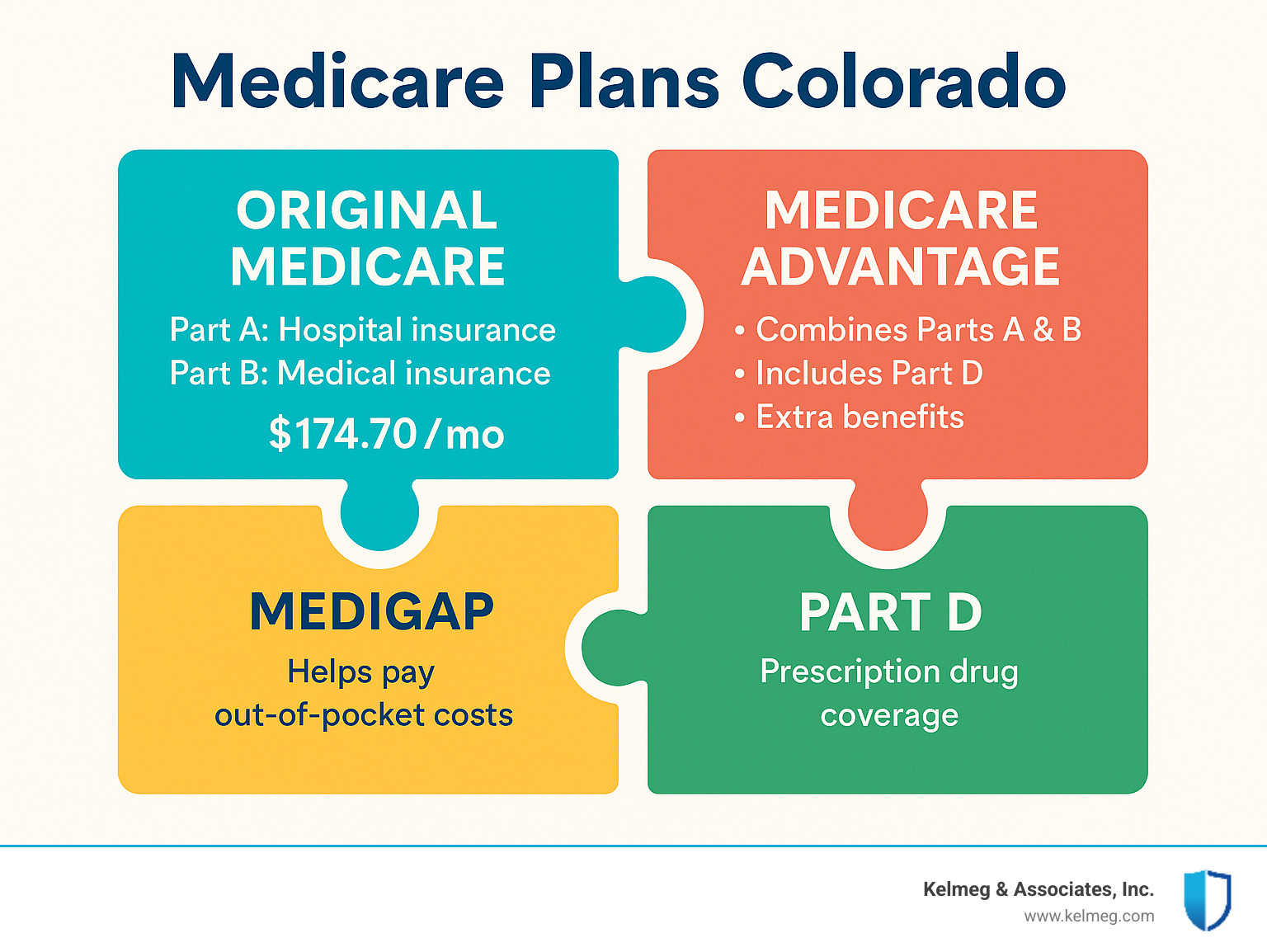
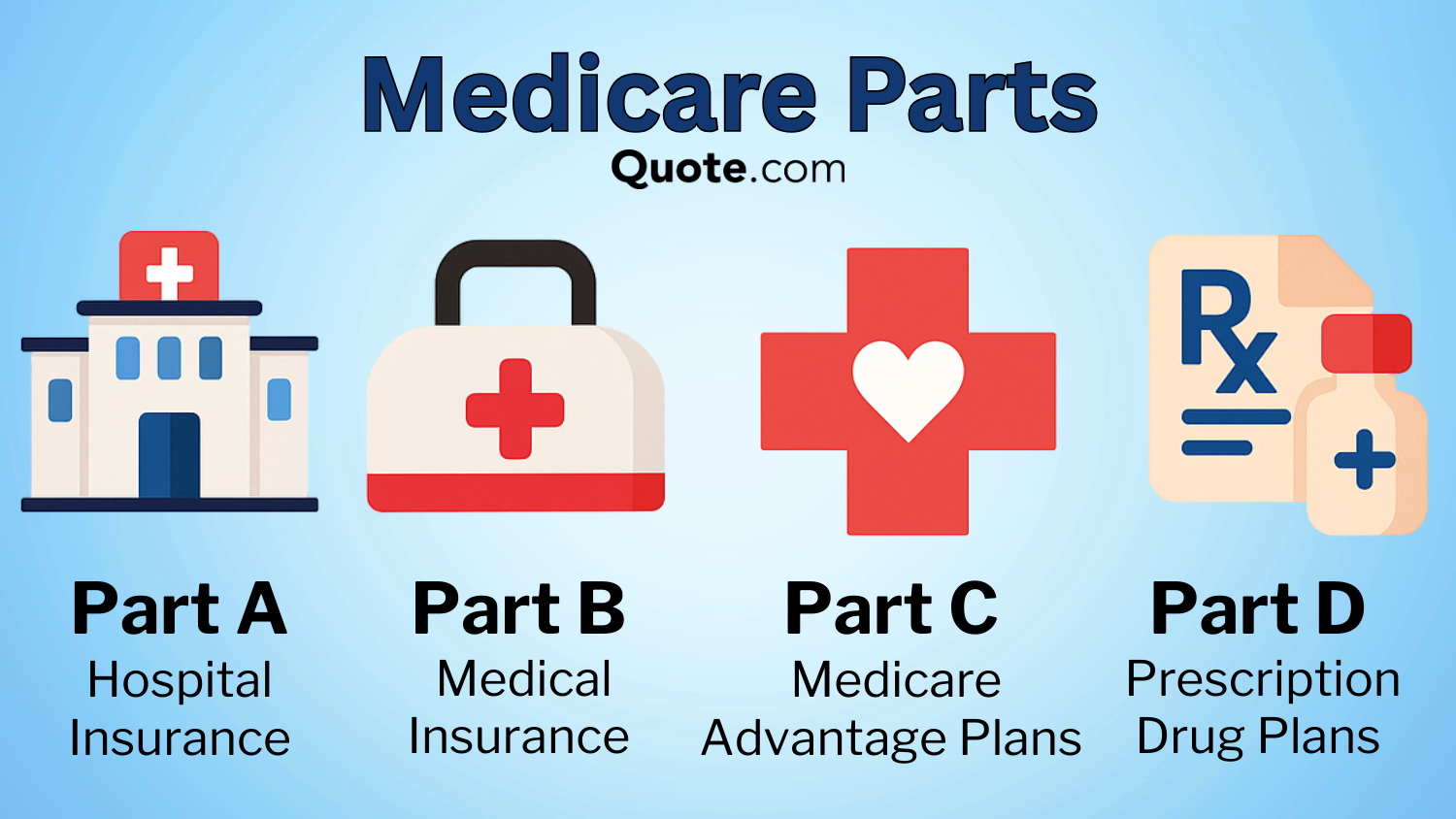
Before comparing specific provider offerings, it is essential to understand the structural mechanics of Medicare Part C. Medicare Advantage plans are not a separate government benefit; rather, they are private health plans that substitute for Original Medicare (Medicare Part A and Part B). By law, every Medicare Advantage plan must cover all services covered by Part A and Part B, though they are permitted to do so with different rules, cost-sharing requirements, and prior-authorization protocols.
Most Part C plans also include Medicare Part D prescription drug coverage (MAPD), creating an all-in-one package. Beneficiaries must continue to pay their standard Medicare Part B premium, and they may also owe an additional monthly premium to the private insurance carrier, though many plans feature a $0 monthly premium. Crucially, Medicare Advantage plans incorporate annual out-of-pocket maximums, a protective financial ceiling that does not exist under traditional Original Medicare unless a beneficiary carries supplemental Medigap insurance.
Key Structural Types of Part C Plans
When comparing plans, understanding the network architecture is vital, as it dictates your freedom of choice regarding healthcare providers:
- Health Maintenance Organization (HMO): These plans require you to use a specific network of doctors, hospitals, and specialists. You generally must select a Primary Care Physician (PCP) and obtain referrals to see specialists. Out-of-network care is rarely covered except in emergencies.
- Preferred Provider Organization (PPO): PPOs offer greater flexibility by allowing you to see out-of-network providers, though doing so typically incurs higher cost-sharing. Referrals are rarely required to see specialists.
- Private Fee-for-Service (PFFS) Plans: The private company decides how much it will pay doctors and hospitals and how much you must pay when you receive care.
- Special Needs Plans (SNPs): Tailored plans restricted to individuals with specific chronic conditions, those residing in institutions, or beneficiaries who qualify for both Medicare and Medicaid (Dual-Eligible).
1. UnitedHealthcare (AARP Medicare Advantage)
UnitedHealthcare maintains the largest market share in the Medicare Advantage space, operating in collaboration with AARP across a vast majority of U.S. counties. Their widespread availability makes them a dominant choice for consumers seeking nationwide access and recognizable branding.
Plan Strengths and Structure
UnitedHealthcare offers an extensive array of HMO, PPO, and SNP plans. Their primary strength lies in their massive provider network, which simplifies finding in-network primary care doctors and specialists in both urban and rural settings. Many of their zero-dollar premium plans include comprehensive dental, vision, and hearing coverage, alongside fitness memberships through programs like Renew Active.
Financial Considerations and Limitations
While monthly premiums are often low or $0, enrollees must pay close attention to copayments for specialist visits and hospital stays. Because of the sheer volume of plans UnitedHealthcare offers, specific out-of-pocket maximums and drug formularies fluctuate wildly depending on your exact zip code. Prior authorization requirements are strictly enforced for advanced imaging, durable medical equipment, and specialized surgeries, which can occasionally create administrative friction for patients and providers.
2. Humana Medicare Advantage
Humana is widely recognized for its strong emphasis on preventive care, chronic condition management, and specialized plan offerings. They are consistently ranked among the top national carriers for their dedicated focus on senior health outcomes.
Plan Strengths and Structure
Humana excels in the design of Special Needs Plans (SNPs) tailored to individuals managing conditions such as diabetes, cardiovascular disorders, and end-stage renal disease. Their standard HMO and PPO portfolios frequently feature robust supplemental benefits, including over-the-counter (OTC) medication allowances, meal delivery services following acute hospital discharges, and transportation assistance for medical appointments.
Financial Considerations and Limitations
Humana’s provider networks can vary significantly by region. In certain suburban and rural markets, their PPO networks offer excellent flexibility, whereas their HMO options may have tighter specialist constraints. Beneficiaries must carefully examine the drug tier structures on Humana's prescription drug formularies, as generic and brand-name cost-sharing tiers can change annually.
3. CVS Health (Aetna Medicare Advantage)
Following the strategic integration of CVS Health and Aetna, Aetna Medicare Advantage plans benefit immensely from a vertically integrated health and wellness ecosystem, leveraging CVS retail pharmacies, MinuteClinics, and traditional insurance administration.
Plan Strengths and Structure
Aetna offers competitive HMO and PPO plans equipped with integrated pharmacy benefits. Enrollees often enjoy streamlined access to healthcare services through CVS-affiliated retail health hubs, making routine vaccinations, basic screenings, and minor illness care highly accessible. Their dental and vision allowances are competitive, often utilizing robust national provider networks like dental PPO networks.
Financial Considerations and Limitations
Aetna’s plan availability is concentrated in specific states and metropolitan areas rather than boasting universal rural coverage. Out-of-pocket maximums vary considerably by region, and users who prefer independent pharmacies outside the CVS network may find fewer preferred-pharmacy cost-sharing advantages.
4. Kaiser Permanente Medicare Advantage
Kaiser Permanente operates on an integrated managed care consortium model, combining health insurance coverage with direct healthcare delivery through owned hospitals and medical groups. This model represents a stark contrast to traditional third-party insurance payers.
Plan Strengths and Structure
The primary advantage of Kaiser Permanente is its highly coordinated care delivery. Because doctors, hospitals, and the insurance plan operate under one organizational umbrella, administrative burdens like prior authorizations are often significantly reduced compared to traditional insurers. Medical records are fully integrated, leading to seamless communication among your care team. Quality ratings from CMS for Kaiser plans are frequently among the highest in the nation.
Financial Considerations and Limitations
The most notable limitation of Kaiser Permanente is geographic availability. Their plans are restricted to specific states—primarily California, Washington, Oregon, Colorado, Maryland, Virginia, Georgia, and the District of Columbia—and even within those states, coverage is limited to specific counties. Furthermore, Kaiser is predominantly an HMO model, meaning enrollees have virtually no coverage for out-of-network care outside of emergency situations.
5. Anthem (Elevance Health)
Operating under the Elevance Health umbrella, Anthem offers Blue Cross Blue Shield-branded Medicare Advantage plans in numerous states. This association provides deep regional roots and strong brand loyalty among long-time Medicare beneficiaries.
Plan Strengths and Structure
Anthem plans are recognized for their flexible PPO options and strong customer service infrastructure. They offer comprehensive wellness integration, generous dental allowances, and innovative digital tools that help beneficiaries track their healthcare spending, manage claims, and locate in-network providers. Their local brand identity ensures strong contractual relationships with regional hospital systems and physician groups.
Financial Considerations and Limitations
Because Anthem operates independently across different state licensee structures, the quality, cost, and benefits of a plan in one state can differ drastically from a plan in another. Beneficiaries moving across state lines cannot transfer their Anthem plan and must re-enroll based on local market offerings during designated enrollment windows.
| Plan Provider | Primary Plan Types | Geographic Reach | Notable Strength | Typical Network Restriction |
|---|---|---|---|---|
| UnitedHealthcare | HMO, PPO, SNP | National (All 50 States) | Massive provider network, robust fitness perks | Moderate to High (varies by plan type) |
| Humana | HMO, PPO, SNP | National (Most States) | Strong chronic condition Special Needs Plans (SNPs) | Moderate |
| Aetna (CVS Health) | HMO, PPO | Regional / Multi-State | Integrated CVS pharmacy and retail health access | Moderate |
| Kaiser Permanente | HMO, POS | Select States / Metro Areas | Highly coordinated care, exceptional CMS quality ratings | Very High (Strictly captive medical groups) |
| Anthem (Elevance) | HMO, PPO | Multi-State (BCBS network) | Strong regional hospital integration and flexible PPOs | Low to Moderate |
Evaluating Key Factors: How to Choose the Right Plan
Selecting the ideal Part C Medicare plan requires a systematic approach to personal health needs and financial realities. No single plan is universally "best"; the correct choice depends entirely on your medical profile, preferred providers, and budgetary constraints.
1. Provider Network Alignment
Always verify whether your current primary care physicians, specialists, and local hospitals are in-network for the specific plan year you are evaluating. Calling the doctor's office directly to ask, "Do you accept [Plan Name] Medicare Advantage for this specific plan year?" is often safer than relying solely on insurer directories, which can experience lag in updates.
2. Prescription Drug Formularies
Review the plan’s drug list (formulary) to confirm that all your current medications are covered. Pay close attention to drug tiers, as medications placed on higher tiers incur significantly higher copayments or coinsurance percentages. Also check whether the plan utilizes preferred retail pharmacies where prescription costs are lower.
3. Total Financial Exposure
Do not base your decision solely on the monthly premium. Calculate your potential annual financial liability by adding the annual cost of premiums to the out-of-pocket maximum. Review the copayments for services you use frequently, such as physical therapy, diagnostic imaging, or specialist visits.
Frequently Asked Questions
Can I switch my Medicare Advantage plan at any time of the year?
Generally, no. You can only change your Medicare Advantage plan during specific enrollment windows, such as the Annual Enrollment Period (October 15 to December 7) or the Medicare Advantage Open Enrollment Period (January 1 to March 31). Exceptions apply if you qualify for a Special Enrollment Period (SEP) due to moving, losing other coverage, or qualifying for Medicaid.
What happens if I travel outside my plan’s service area?
For standard HMO plans, routine non-emergency care received outside your plan's network and service area is typically not covered. PPO plans offer out-of-network coverage, though at a higher cost-sharing rate. In all Medicare Advantage plans, emergency and urgently needed care are legally required to be covered anywhere in the United States.
Do Medicare Advantage plans replace Original Medicare?
Yes and no. You remain in the Medicare program, but your Part A and Part B benefits are administered by a private insurance company rather than the federal government. You must still maintain enrollment in Original Medicare and continue paying your Part B premium while enrolled in a Part C plan.
Are dental and vision benefits comprehensive under Part C?
While most Medicare Advantage plans advertise dental, vision, and hearing coverage, the scope of these benefits varies dramatically. Basic plans may only cover routine exams and cleanings with strict dollar caps, whereas enhanced plans may offer coverage for crowns, dentures, and higher optical allowances. Always read the plan's Evidence of Coverage document to understand specific limitations.
How do I verify my eligibility for a Medicare Advantage Special Needs Plan (SNP)?
To enroll in an SNP, you must meet specific qualifying criteria. For instance, Chronic Condition SNPs require medical verification of a qualifying illness, while Dual-Eligible SNPs require active enrollment in both Medicare and state Medicaid programs. You can verify your eligibility status through your state Medicaid office or by consulting a licensed Medicare advisor.
Next Actions and Conclusion
Choosing the right Medicare Part C plan is a critical financial and health decision that requires weighing network accessibility, drug costs, and out-of-pocket protections. Begin by listing your essential medications and preferred healthcare providers. Next, utilize the official Medicare Plan Finder tool hosted on the official government website to compare specific plans available in your zip code for the 2026 plan year. Review the detailed summary of benefits for your top two or three candidates before finalizing your enrollment during the appropriate enrollment window.