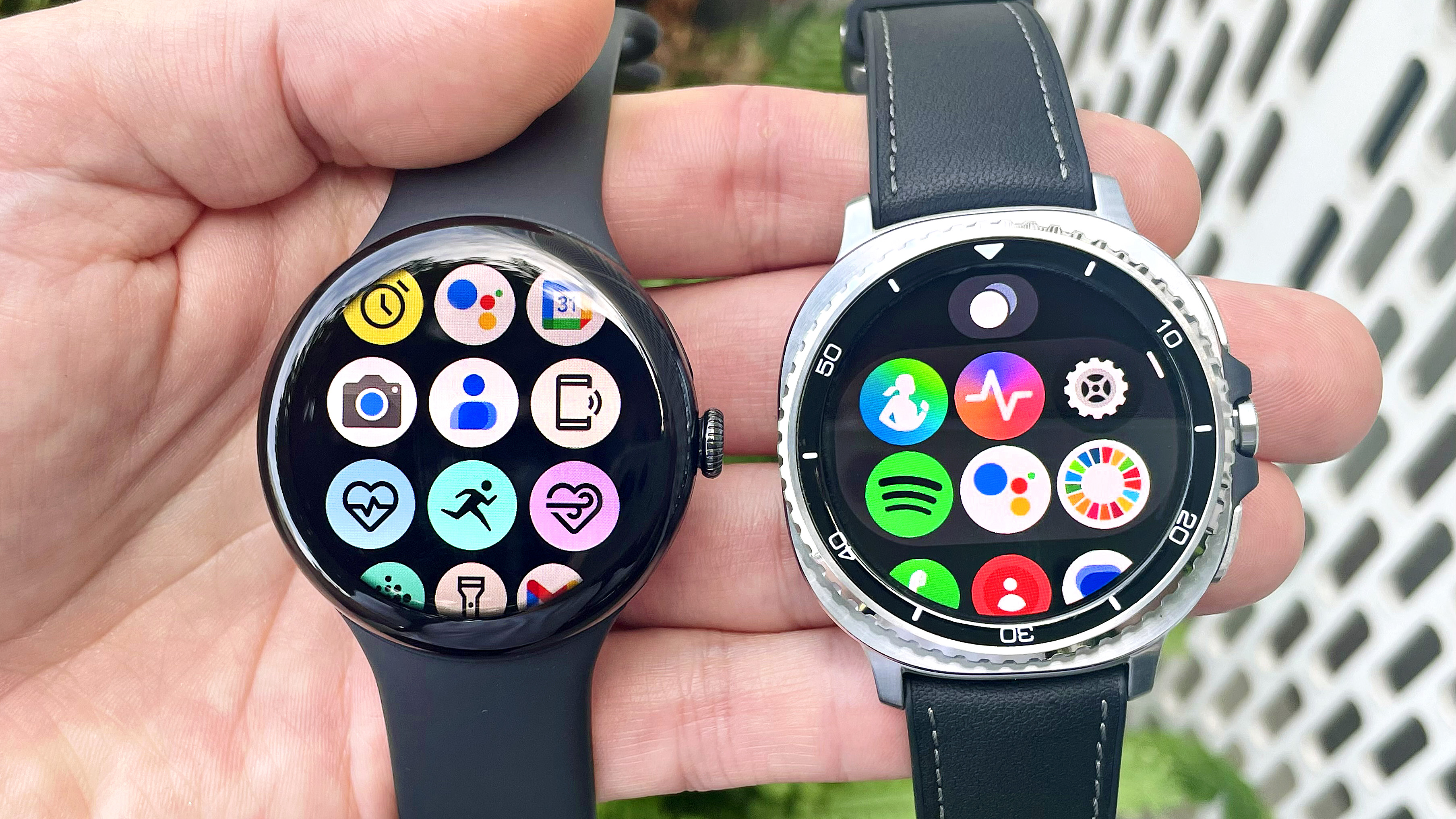
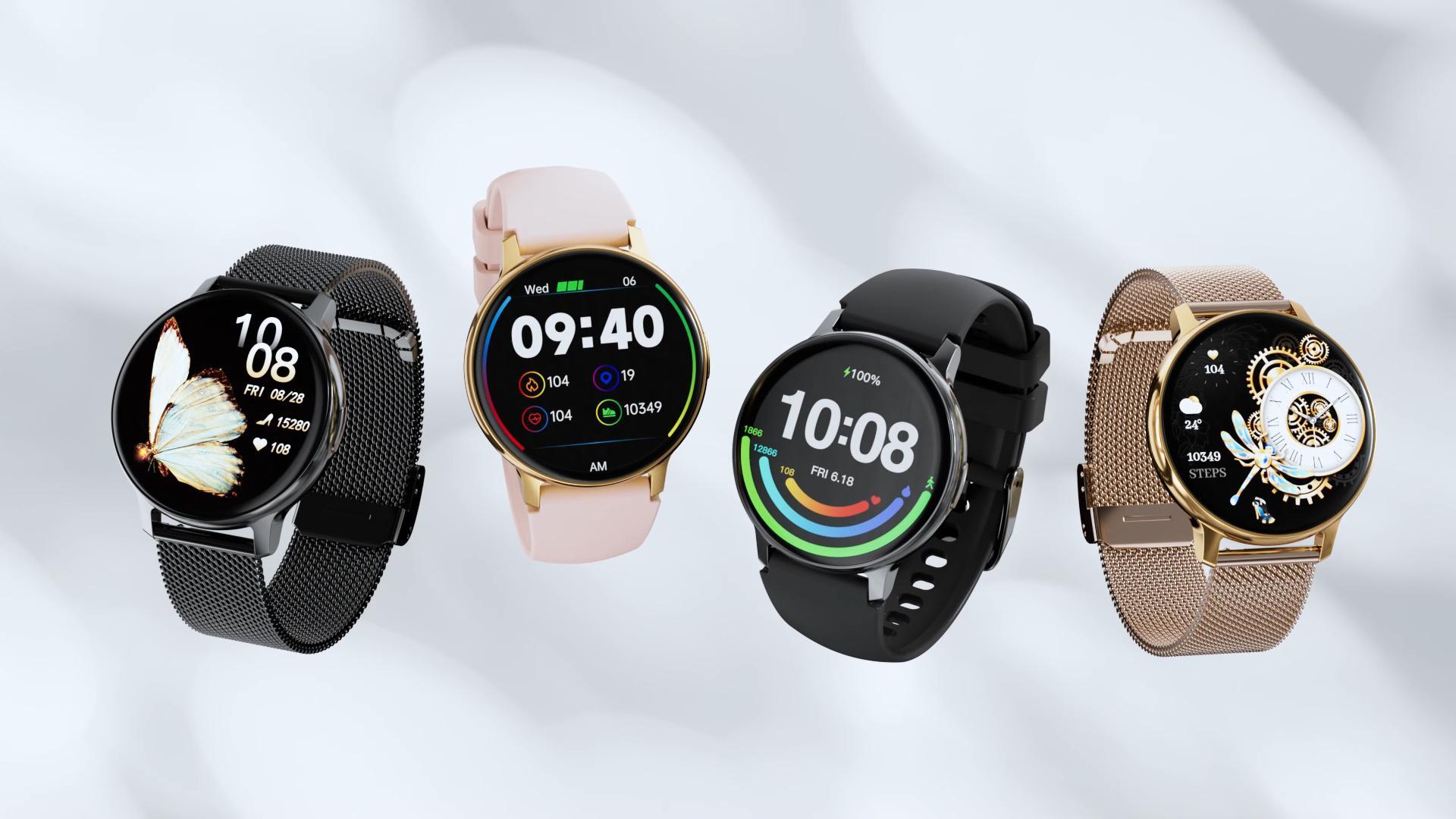
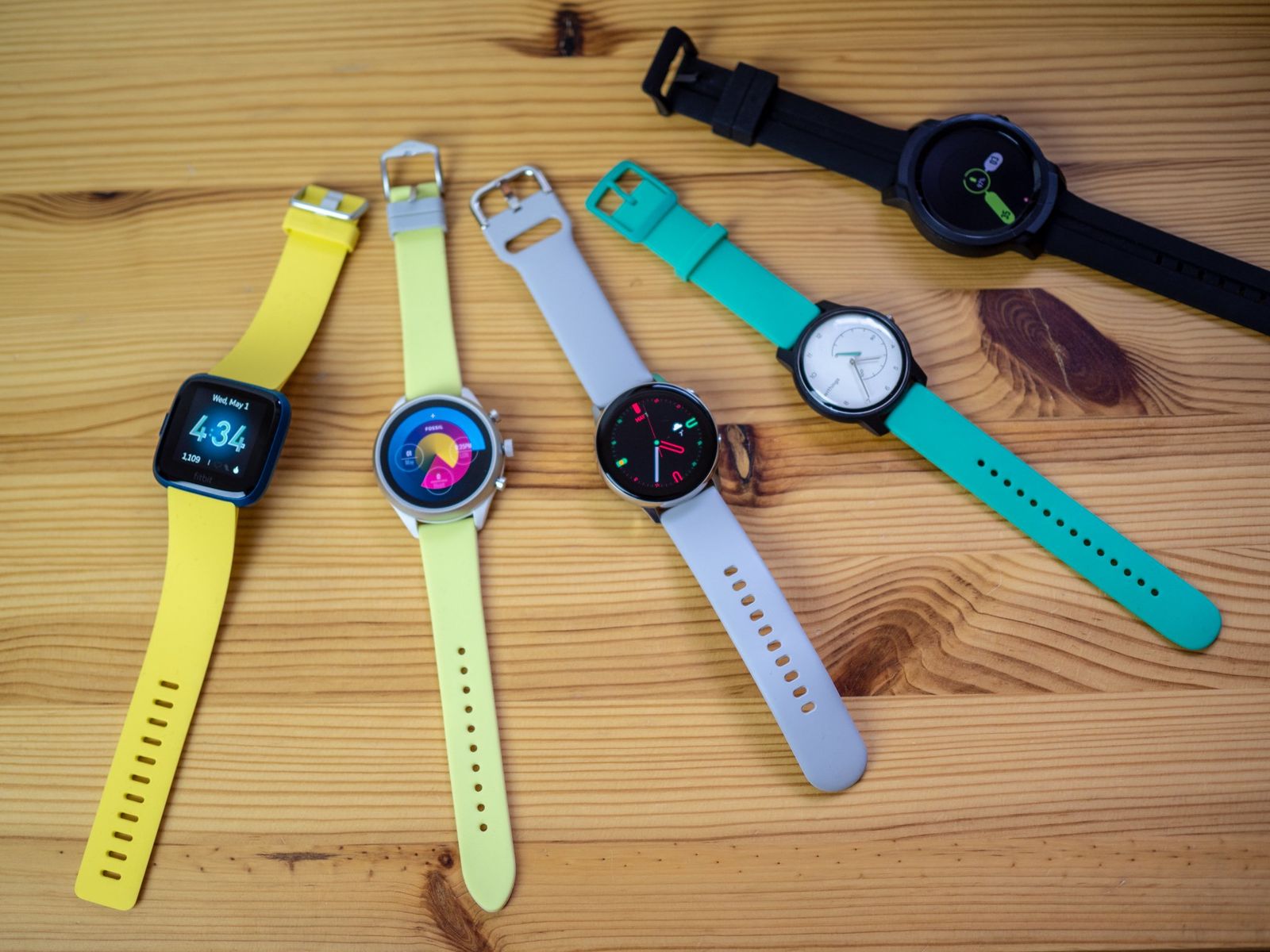
Navigating the wearable technology market in 2019 meant balancing stylistic preferences with processing power, fitness tracking depth, and battery life constraints, particularly as Google's Wear OS platform evolved alongside specialized alternatives from Samsung and TicWatch. The top-performing Android smartwatches of that year—the Samsung Galaxy Watch, TicWatch Pro, Fossil Gen 5, Skagen Falster 2, and Fitbit Versa 2—each offered distinct advantages tailored to different user priorities, ranging from rotating bezel navigation to multi-day battery modes and lightweight fitness ecosystems.
Evolution of the Android Smartwatch Landscape in 2019
The year 2019 marked a transitional period for smartwatches running Android-compatible software. Google’s Wear OS (formerly Android Wear) was navigating a series of performance optimizations following the introduction of Qualcomm’s Snapdragon Wear 3100 processor. However, manufacturers outside the strict Google ecosystem—most notably Samsung with its Tizen-powered Galaxy Watch and Fitbit with its acquired proprietary OS—continued to capture significant market share by addressing the shortcomings that plagued early Wear OS devices, such as sluggish performance and substandard battery longevity.
Consumers evaluating these wearables faced a fundamental choice: commit to the Google ecosystem for deep integration with Android notifications, Google Assistant, and Play Store app support, or opt for alternative platforms that prioritized hardware efficiency, physical navigation controls, or dedicated fitness tracking. Understanding how these models differed in daily operation helps contextualize their enduring appeal and the specific technical trade-offs engineers made during this era.
1. Samsung Galaxy Watch: The Best All-Rounder
The Samsung Galaxy Watch stood out as a premier choice for Android users in 2019, thanks in large part to its proprietary Tizen operating system rather than Google's Wear OS. Samsung’s software approach yielded a fluid, highly responsive user interface that outpaced many of its competitors.
Design and Navigation
Available primarily in 42mm and 46mm sizes, the Galaxy Watch adopted a traditional wristwatch aesthetic with a circular Super AMOLED display protected by Corning Gorilla Glass DX+. Its defining hardware feature was the physical rotating bezel, which allowed users to scroll through menus, read notifications, and control widgets without obscuring the screen with fingerprints. This mechanical input method remained one of the most intuitive navigation systems in the wearable industry.
Performance and Battery Life
Powered by the dual-core Exynos 9110 processor and paired with either 768MB or 1.5GB of RAM depending on the model size, the Galaxy Watch handled daily tasks with minimal latency. Battery endurance was a major selling point: the larger 46mm variant comfortably delivered up to four days of mixed usage on a single charge, while the smaller 42mm version lasted approximately two days.
Health and Fitness Ecosystem
Samsung Health provided comprehensive tracking for running, swimming, cycling, and sleep stages. The automatic workout detection feature reliably logged exercises without manual input, and the built-in GPS accurately mapped outdoor routes. However, app selection within the Tizen store remained more limited compared to the Google Play Store.
2. TicWatch Pro: The Best for Battery Longevity
Manufactured by Mobvoi, the TicWatch Pro addressed the single biggest complaint plaguing Wear OS devices in 2019: poor battery life. By implementing a dual-screen architecture, Mobvoi solved the conflict between always-on displays and multi-day endurance.
Dual-Layer Display Technology
The defining characteristic of the TicWatch Pro was its layered screen setup. A transparent FSTN (Film Super-Twisted Nematic) LCD panel was stacked on top of a vibrant 1.39-inch AMOLED display. When users wanted full smartwatch functionality—running Wear OS apps, viewing detailed maps, or interacting with notifications—the AMOLED screen activated. When battery conservation was paramount, or when checking the time in direct sunlight, the watch switched to the low-power LCD overlay, which displayed only essential metrics like time, date, step count, and heart rate.
Hardware and Performance
Under the hood, the TicWatch Pro relied on the Qualcomm Snapdragon Wear 2100 processor (and later iterations received the 3100 upgrade) coupled with 1st-generation performance baselines. While the older processor occasionally introduced minor stutter during heavy multitasking, the innovative display mechanism allowed the device to stretch battery life to two days in Smart Mode, or up to 30 days in dedicated Essential Mode.
3. Fossil Gen 5: The Best Pure Wear OS Experience
For users firmly committed to Google's Wear OS ecosystem who desired snappy performance and modern sensors, the Fossil Gen 5 (specifically models like the Carlyle and Julianna) represented the pinnacle of Google-powered wearables in 2019.
Performance Upgrades
Previous Wear OS generations suffered from sluggishness due to underpowered RAM allocations. Fossil addressed this bottleneck by equipping the Gen 5 with 1GB of RAM, paired with the Snapdragon Wear 3100 processor. This hardware combination eliminated the stutter that plagued earlier watches, enabling smooth animations, rapid Google Assistant responses, and efficient background syncing.
Feature Set and Smart Capabilities
The Fossil Gen 5 included a built-in speaker—a notable omission in prior generations—allowing users to take Bluetooth phone calls directly from the wrist and hear spoken responses from Google Assistant. It also featured integrated GPS, a heart rate monitor, NFC for Google Pay, and swim-proof water resistance up to 3 ATM.
Battery Modes
To mitigate Wear OS's notoriously power-hungry nature, Fossil introduced custom battery modes:
- Daily Mode: Enables all features, including the always-on display.
- Extended Battery Mode: Disables background features overnight while maintaining essential functions.
- Time-Only Mode: Turns off all smart functions to act strictly as a digital watch when power is critically low.
4. Skagen Falster 2: The Best Minimalist Design
Skagen, a brand renowned for its minimalist Danish design philosophy, successfully translated its aesthetic principles into the smartwatch market with the Falster 2 in 2019.
Aesthetic Appeal
Unlike the bulky, rugged appearance of many sports-oriented smartwatches, the Falster 2 featured a sleek, lightweight stainless steel case paired with interchangeable mesh metal or leather straps. It catered directly to professionals and fashion-conscious consumers who wanted discreet notification management without wearing a miniature computer on their wrist.
Wear OS Integration and Hardware
Operating on Wear OS, the Falster 2 included essential modern conveniences such as NFC for contactless payments, untethered GPS for route tracking, and a heart rate sensor. It also incorporated two customizable physical pushers alongside the rotating home button, allowing users to map shortcuts to their most-used applications.
Limitations
The primary drawback of the Skagen Falster 2 lay in its hardware specifications. Equipped with the older Snapdragon Wear 2100 processor and 512MB of RAM, its performance was visibly slower than the Fossil Gen 5. Furthermore, its slim profile necessitated a smaller battery, requiring a daily charge for most users.
5. Fitbit Versa 2: The Best Health-Focused Lightweight Alternative
While not running Wear OS, the Fitbit Versa 2 established itself as a dominant force in the Android-compatible smartwatch market by focusing on health, sleep tracking, and accessibility.
Focused Fitness and Sleep Tracking
Fitbit’s software ecosystem remained unmatched in continuous health monitoring. The Versa 2 introduced deep sleep analysis, scoring nightly rest based on heart rate variability and sleep stages. Its continuous PurePulse heart rate tracking fed directly into the Fitbit app, providing actionable insights into cardiovascular fitness levels.
Smart Features and Alexa Integration
The Versa 2 integrated Amazon Alexa voice control directly into the watch, enabling users to check the weather, set alarms, or control smart home devices via voice commands. It also featured an AMOLED display, onboard music storage via Deezer and Pandora, and Fitbit Pay for contactless transactions.
Battery and Value
With a battery life exceeding four to five days on a single charge and a significantly lower price point than flagship Wear OS competitors, the Fitbit Versa 2 appealed to users who prioritized fitness metrics and long battery endurance over complex third-party app installations.
Comparative Overview of 2019 Android-Compatible Smartwatches
| Model | Operating System | Processor | RAM | Key Advantage | Battery Life |
|---|---|---|---|---|---|
| Samsung Galaxy Watch | Tizen OS | Exynos 9110 | 768MB / 1.5GB | Physical rotating bezel, premium build | 2–4 days |
| TicWatch Pro | Wear OS | Snapdragon Wear 2100 | 512MB | Dual-layer display for extended endurance | 2–30 days |
| Fossil Gen 5 | Wear OS | Snapdragon Wear 3100 | 1GB | Smooth performance, built-in speaker | 1–2 days |
| Skagen Falster 2 | Wear OS | Snapdragon Wear 2100 | 512MB | Sleek, minimalist Danish design | 1 day |
| Fitbit Versa 2 | Fitbit OS | Proprietary | N/A | Deep health/sleep tracking, Amazon Alexa | 4–5 days |
Key Factors to Consider When Evaluating 2019 Smartwatches
Selecting a wearable device requires balancing operating system priorities against daily workflow requirements. Buyers during this period had to weigh several critical criteria:
- Ecosystem Integration: Wear OS devices offered superior integration with Google services, Gmail, and Google Maps. Conversely, Tizen and Fitbit OS required dedicated companion apps that duplicated some smartphone functions.
- Hardware Bottlenecks: Devices running 512MB of RAM (such as older Wear OS models) experienced noticeable lag compared to devices with 1GB of RAM or Tizen's optimized architecture.
- Physical Durability: Models rated for 5 ATM water resistance (such as the Galaxy Watch and TicWatch Pro) supported swimming workouts, whereas lower-rated devices were restricted to light splashes.
Frequently Asked Questions
Can these 2019 smartwatches still connect to modern Android phones?
Yes. Bluetooth protocols remain largely backward compatible, meaning devices running Wear OS, Tizen, or Fitbit OS from 2019 can still pair with contemporary Android smartphones via their respective companion applications. However, certain cloud-based services, companion app updates, and digital storefront integrations may experience reduced support or deprecation over time.
Which 2019 smartwatch had the best battery life?
The TicWatch Pro offered the longest potential battery life due to its dual-layer FSTN LCD screen, lasting up to 30 days in Essential Mode. For standard smart operation with notifications enabled, the Samsung Galaxy Watch and Fitbit Versa 2 consistently delivered the most reliable multi-day performance (2 to 5 days).
Do all of these watches support contactless payments?
Most of the highlighted models featured NFC capabilities, though the payment platforms differed. Fossil Gen 5 and Skagen Falster 2 utilized Google Pay, the Galaxy Watch used Samsung Pay, and the Fitbit Versa 2 relied on Fitbit Pay. Compatibility depended heavily on regional banking support for each specific payment gateway.
Are these devices suitable for heavy fitness tracking?
While all five models tracked basic metrics like steps, heart rate, and calories, the Fitbit Versa 2 and Samsung Galaxy Watch provided the most robust native health suites. Wear OS devices relied more heavily on third-party applications like Google Fit or Strava to achieve comparable tracking depth.
Is it worth purchasing a 2019 smartwatch today?
Purchasing a 2019-era smartwatch depends entirely on your budget and expectations. While they lack the advanced biometric sensors (such as FDA-cleared ECGs or blood oxygen monitors) found in later generations, they remain fully functional for basic notifications, media controls, and casual fitness tracking at a fraction of their original retail cost.
Conclusion and Final Recommendation
The 2019 Android smartwatch market offered diverse solutions tailored to specific user preferences. For fluid navigation and robust hardware, the Samsung Galaxy Watch remained the premier choice. Users seeking seamless Google integration without performance lag found their answer in the Fossil Gen 5, while battery-conscious buyers favored the innovative dual-screen TicWatch Pro. Assessing your tolerance for daily charging versus your need for deep fitness metrics will guide you to the most suitable model from this hardware generation.