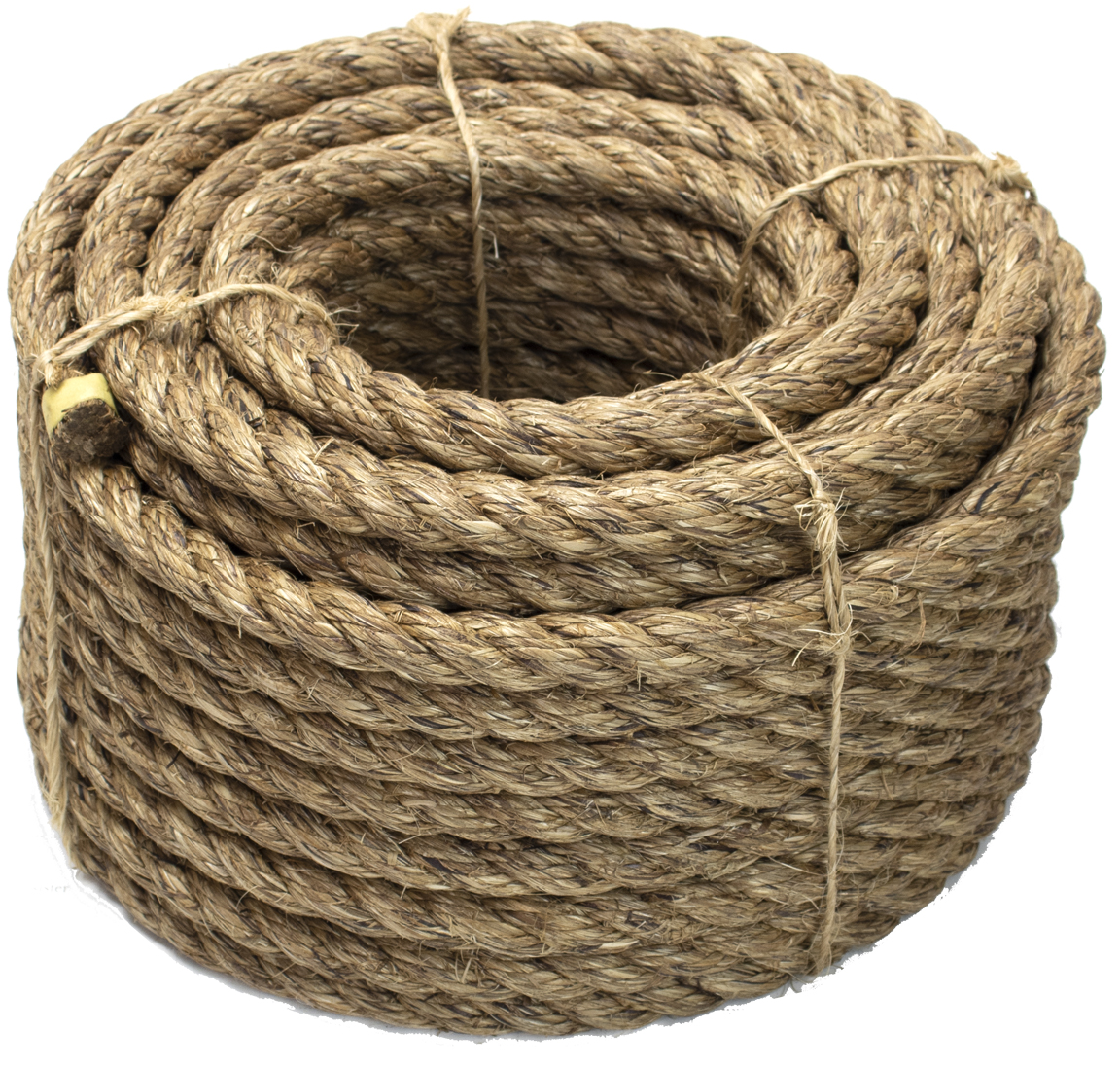
A 3-strand manila rope is a traditional, natural-fiber cordage product crafted from the leaves of the Musa textilis plant, a species of banana native to the Philippines. Renowned for its exceptional durability, minimal stretch, and natural resistance to sunlight and saltwater degradation, it remains a preferred choice for maritime, landscaping, architectural, and agricultural applications where synthetic alternatives fall short.
Understanding Manila Rope: Origins and Construction
Manila rope has a storied history that stretches back centuries, serving as the backbone of global maritime trade before the invention of synthetic polymers like nylon, polyester, and polypropylene. Often referred to colloquially as "hemp rope," true manila is distinct from true hemp (Cannabis sativa), utilizing abaca fibers instead. These fibers are harvested, stripped from the leaf stalks, dried, and spun into yarn before being twisted into the characteristic three-strand configuration.
The "3-strand" designation indicates a laid rope construction. Three distinct bundles of fibers (strands) are twisted in one direction and then twisted together in the opposite direction. This opposing twist creates mechanical friction between the individual fibers, locking them into a cohesive, high-tension structure. This traditional method yields a sturdy cordage that maintains its integrity under load while offering a comfortable, tactile grip that does not become slippery when wet.
Physical and Chemical Properties
Unlike petroleum-based synthetics that can melt under friction or degrade rapidly under ultraviolet (UV) radiation, manila rope possesses unique physical characteristics:
- UV Resistance: Natural abaca fibers tolerate prolonged exposure to direct sunlight without breaking down or losing tensile strength as quickly as untreated synthetic lines.
- Heat Resistance: Manila does not melt when exposed to friction, making it suitable for applications involving capstans, winches, or high-temperature environments.
- Minimal Stretch: The rope exhibits very little elasticity under load, which provides predictable handling and stability in rigging or lifting scenarios.
- High Friction Coefficient: The textured surface of natural fibers ensures secure knots that are less likely to slip compared to slick synthetic ropes.
However, users must account for natural vulnerabilities. Manila rope absorbs moisture, which can cause the rope to swell and shorten when wet. If stored damp, the organic fibers are susceptible to mold, mildew, and rot. Furthermore, it possesses a shorter overall lifespan than modern synthetics when exposed to constant moisture cycles.
Primary Specifications and Sizing Metrics
Selecting the correct diameter and length of a 3-strand manila rope is vital for structural safety and operational efficiency. Diameters typically range from small quarter-inch cords up to heavy-duty industrial cables measuring two inches or more in diameter.
When evaluating manila rope, tensile strength and safe working load (SWL) are the primary engineering metrics. The safe working load is generally calculated by applying a safety factor (often 5:1 or 10:1 depending on whether the rope is used for human occupancy or standard material lifting) to the manufacturer's stated minimum breaking strength.
| Rope Diameter (Inches) | Approximate Circumference | Approximate Weight per 100 ft (lbs) | Minimum Breaking Strength (lbs) | Safe Working Load (5:1 Factor) (lbs) |
|---|---|---|---|---|
| 1/4" | 3/4" | 2.5 | 540 | 108 |
| 3/8" | 1-1/8" | 5.5 | 1,225 | 245 |
| 1/2" | 1-1/2" | 10.0 | 2,380 | 476 |
| 5/8" | 2" | 15.5 | 3,960 | 792 |
| 3/4" | 2-1/4" | 22.0 | 5,440 | 1,088 |
| 1" | 3" | 38.0 | 9,000 | 1,800 |
Note: The values above represent industry averages for standard grade manila rope. Actual breaking strengths vary by manufacturer, age, environmental exposure, and wear condition.
Key Applications and Uses
The versatility of 3-strand manila rope spans multiple industries, blending utilitarian performance with aesthetic appeal.
Maritime and Marine Rigging
Historically, manila was the premier material for ship rigging, anchor lines, and mooring lines. While modern commercial shipping relies heavily on high-modulus synthetics, traditional boat owners, historical vessel operators, and independent mariners still utilize manila rope. Its high friction coefficient allows traditional sailors to handle lines securely on wooden cleats and belaying pins without slipping. Additionally, because it does not generate static electricity, it is occasionally selected for specialized hazardous environments where spark prevention is critical.
Landscaping and Outdoor Architecture
In residential and commercial landscaping, 3-strand manila rope is widely used for decorative and functional barriers. Property owners string thick manila rope through wooden posts to create rustic fencing, boundary markers, and guardrails along pathways, decks, and waterfront docks. Because it is biodegradable and non-toxic, it poses no environmental threat if it eventually degrades in soil or water, unlike synthetic plastics that leave persistent microfibers behind.
Construction, Masonry, and Scaffolding
Masonry workers and general contractors utilize manila rope for block-and-tackle systems, scaffolding lashings, and hoisting materials. The exceptional heat resistance of abaca fibers prevents the rope from fusing or weakening when pulled rapidly across metal winches or pulleys. Masons also value its tactile feel and knot-holding reliability when securing heavy loads of bricks, mortar, or tools on active job sites.
Interior Design, Fitness, and Crafts
Beyond heavy industry, manila rope features prominently in modern interior design, structural decor, and fitness equipment:
- Fitness and Gyms: Climbing ropes and battle ropes made from manila offer superior grip and hand-feel compared to synthetic alternatives, making them popular in cross-training facilities, martial arts dojos, and obstacle course training grounds.
- Interior Accents: Designers use manila rope for stair handrail wraps, rustic hanging shelves, room dividers, and coastal-themed architectural details.
- Pet Products: Due to its natural, chemical-free composition, it is frequently used to wrap cat scratching posts and construct pet toys.
Maintenance, Storage, and Safety Guidelines
Maximizing the service life of a 3-strand manila rope requires proper handling, routine inspection, and careful environmental storage. Because it is an organic material, neglect accelerates degradation.
Preventing Rot and Mildew
Moisture is the primary enemy of manila rope. When the rope becomes wet during use, it should be hung loosely in a well-ventilated, shaded area to dry completely before storage. Never store manila rope in airtight plastic bags or damp basements, as trapped moisture promotes rapid fungal growth and fiber rot. While some industrial manila ropes are treated with mineral oil or specialized preservatives to resist moisture and marine organisms, untreated cordage requires strict drying protocols.
Inspection Protocols
Users should inspect manila rope before every critical application. Visual and tactile indicators of structural failure include:
- Discoloration: Dark brown, black, or grey patches often indicate internal rot or mildew penetration.
- Powdering: If white or tan dust falls from between the strands when the rope is flexed, the internal fibers have fractured due to friction or age.
- Fraying and Broken Strands: Severe surface abrasion or severed outer yarns significantly reduce the aggregate breaking strength.
- Stiffening: Excessive stiffness combined with a bleached appearance from UV exposure indicates that the fibers have become brittle.
Whipping and Sealing Ends
Because 3-strand manila rope is composed of natural twisted yarns, the cut ends will quickly unravel if left unprotected. Unlike synthetic ropes, which can be fused with a flame, manila must be "whipped" using waxed twine or bound with heavy-duty tape and adhesive to secure the terminal ends and maintain structural integrity.
Frequently Asked Questions
Can 3-strand manila rope be used for overhead lifting?
Using natural fiber rope for overhead lifting requires extreme caution and adherence to occupational safety standards. While manila rope has high tensile strength when new, its strength degrades unpredictably due to environmental exposure, moisture, and wear. Modern engineering standards generally mandate synthetic or wire ropes for critical overhead lifting where human safety is involved. Always apply an appropriate safety factor (typically 10:1 for human support) and inspect the rope thoroughly before any load-bearing application.
How do I prevent manila rope from shrinking when it gets wet?
Manila rope naturally contracts and shortens when exposed to water due to the swelling of the abaca fibers. To prevent structural binding or structural stress on fixtures (such as fence posts or marine rigging), leave slack in newly installed outdoor runs to accommodate natural weather-induced expansion and contraction cycles.
Is manila rope waterproof?
No, manila rope is not waterproof. It is water-resistant to a degree, but the natural fibers absorb moisture readily. Prolonged immersion in water or continuous exposure to rain without adequate drying time will cause the rope to retain moisture, leading to weight gain, swelling, and eventual rot.
How can I soften a stiff manila rope?
New manila rope can sometimes feel stiff due to sizing agents or manufacturing twists. To soften the fibers without damaging them, soak the rope in warm water mixed with a mild fabric softener or liquid soap for a few hours, then stretch it out and let it dry completely. Avoid harsh chemical solvents or bleach, which weaken natural cellulose structures.
What is the difference between manila rope and sisal rope?
While both are natural-fiber cords, manila rope is made from abaca fibers, which are exceptionally strong, durable, and resistant to saltwater. Sisal rope is manufactured from the agave plant and is generally weaker, coarser, and degrades much faster when exposed to moisture and outdoor elements. Manila is considered the premium choice for heavy-duty applications.
Conclusion and Recommendations
The 3-strand manila rope remains a benchmark of traditional cordage engineering, offering a unique combination of heat resistance, UV durability, knot security, and biodegradable sustainability. Whether you are outfitting a historic vessel, constructing rustic landscape barriers, or setting up functional training equipment, understanding its load limits, sizing metrics, and environmental vulnerabilities ensures safe and efficient use. Always inspect your cordage prior to deployment, keep it dry to prevent rot, and select the appropriate diameter to meet your specific project requirements.